



Key actors — tap for context

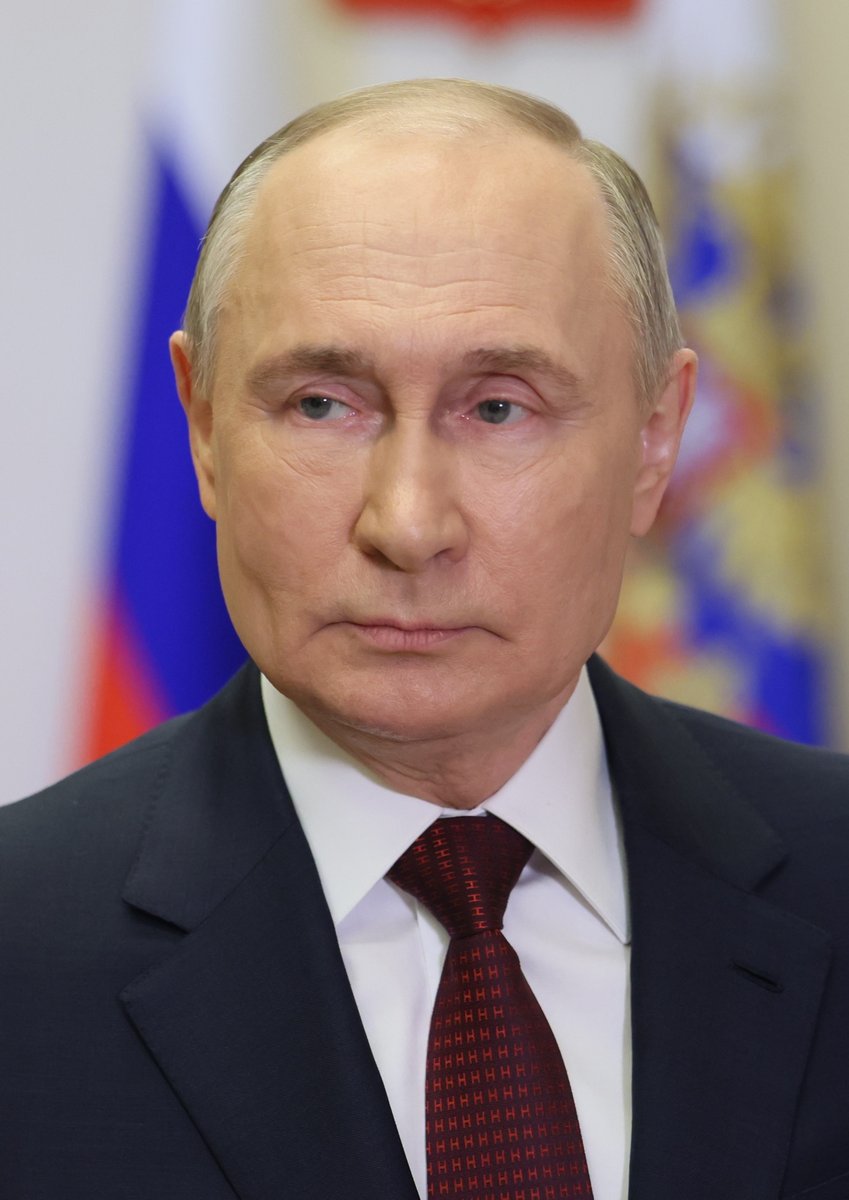
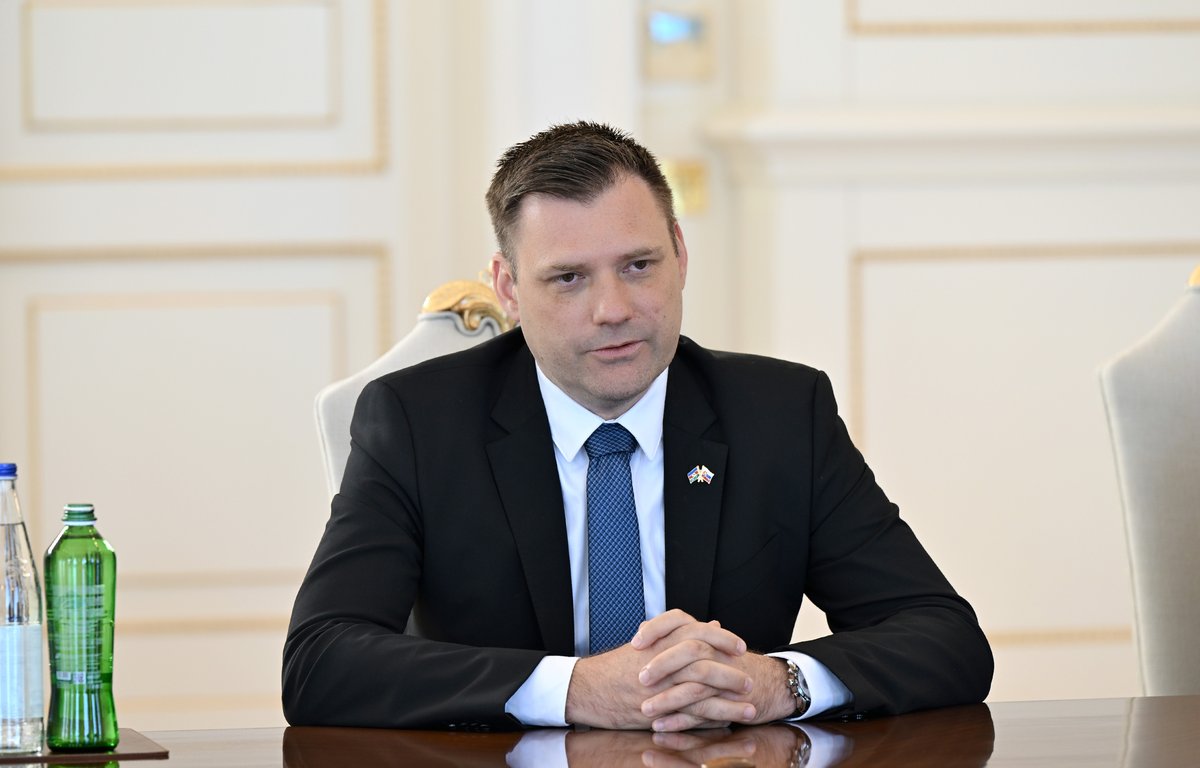
Robert Fico
Prime Minister of Slovakia and chairman of the Smer-SD party
Why here: Announced that Slovakia will challenge the ban on imports of Russian gas at the Court of Justice of the EU and will seek a postponement of its effect.
More info →Bruegel
a Brussels-based economic think tank (since 2005), studies EU economic policy
Why here: Its import data is the main independent evidence that imports of Russian LNG into the Union grew in the first quarter of 2026.
More info →Portfolio
a leading Hungarian economic news portal
Why here: The lens of this article — it was the first to point out the discrepancy between the declared end of Russian gas and the real import figures.
Yamal
a Russian Arctic liquefied natural gas (LNG) project on the Yamal Peninsula
Why here: 97% of its output went to the EU, a symbol that the Union is still buying Russian LNG on a large scale.
European Union
a bloc of 27 states that, under a regulation from January 2026, is gradually banning imports of Russian gas
Why here: Its declared shift away from Russian gas is the core of the article — policy and import statistics contradict each other.
What Portfolio Shows
The portal draws on Eurostat data and highlights a movement that runs counter to the declared policy. While for the whole of 2025 Russian LNG accounted for an average of 13.9 percent of the value of liquefied natural gas imports, in the first quarter of 2026 it was 17.3 percent — according to Portfolio, "the largest shift in the entire quarterly database." Portfolio (HU) ↗The Hungarian portal is not alone in this data. The Brussels think tank Bruegel calculated that the Union imported approximately 6.8 billion cubic meters of Russian LNG in the first quarter of 2026, roughly a fifth more year-on-year. Bruegel ↗ An analysis by the organization Urgewald, based on tracking of ships by Kpler, adds that 97 percent of shipments from the Arctic Yamal project went to the Union, and that the EU paid an estimated 2.88 billion euros for it. Urgewald and Kpler ↗
Part of this increase can be explained by stockpiling ahead of the April ban and by the price spike from the Middle East crisis. After attacks on Qatari LNG and the closure of the Strait of Hormuz, the European benchmark price TTF jumped from around 35 euros per megawatt-hour in January and February to nearly 53 euros in March. France, Spain, and Belgium purchased the most Russian LNG. bne IntelliNews ↗
How This Differs from Slovak Coverage
During June, Slovak and Czech media covered the gas topic mainly through three angles: the lawsuit by the owner of the Nord Stream 2 pipeline against the ban, the risk that LNG will replace one dependency with another, and the search for alternative routes for Slovakia. What was left aside was precisely the striking detail on which Portfolio builds its case: just before the ban, Russian gas was not disappearing from the market — it was returning.For Slovakia, that statistic is not neutral. Both Bratislava and Budapest are among the last countries that still receive Russian gas by pipeline via TurkStream, and the regulation requires them to submit diversification plans. Prime Minister Robert Fico announced that Slovakia will challenge the ban at the Court of Justice of the EU and will seek a postponement of its effect — according to him, the regulation "violates the fundamental principles of the EU treaties" and should have required unanimous approval. Courthouse News ↗ Hungary argues similarly: if the ban is "essentially" a sanction, it must be approved by every member state. The figures compiled by Portfolio can be read as supporting the argument that both governments are using politically — that the market is not weaning itself off Russian gas as quickly as the declaration suggests. EU Council ↗
Limits of This View
Portfolio is a respected Hungarian economic portal with an emphasis on data rather than politics — and that is also its weakness. The 17.3 percent share is calculated from import value, which was inflated in March by the price spike, so part of the "record" is higher prices, not necessarily a proportionally larger volume. Bruegel does confirm the physical increase, but the portal does not place it in a broader framework. It does not mention that the main buyers are Western European countries, nor that Hungary itself and neighboring Slovakia are among those most holding back the shift away from Russian gas. The paradox of "goodbye on paper, more in practice" is accurate, but incomplete: it shows the result and stays silent about one of its co-authors.What hotinfo Is Watching
- Whether, after the expiration of short-term contracts (LNG ban from April 25), the Russian share falls in the second quarter, or whether stockpiling merely shifted purchases in time
- The verdict of the Court of Justice of the EU on the Slovak and Hungarian lawsuits and on the request for a postponement of the regulation's effect
- The deadline of September 30, 2027 for pipeline gas under long-term contracts, and whether storage fill levels push it back to November 1, 2027
- Whether the drop in the TTF price after the Hormuz situation calmed down will also be reflected in Russian LNG statistics