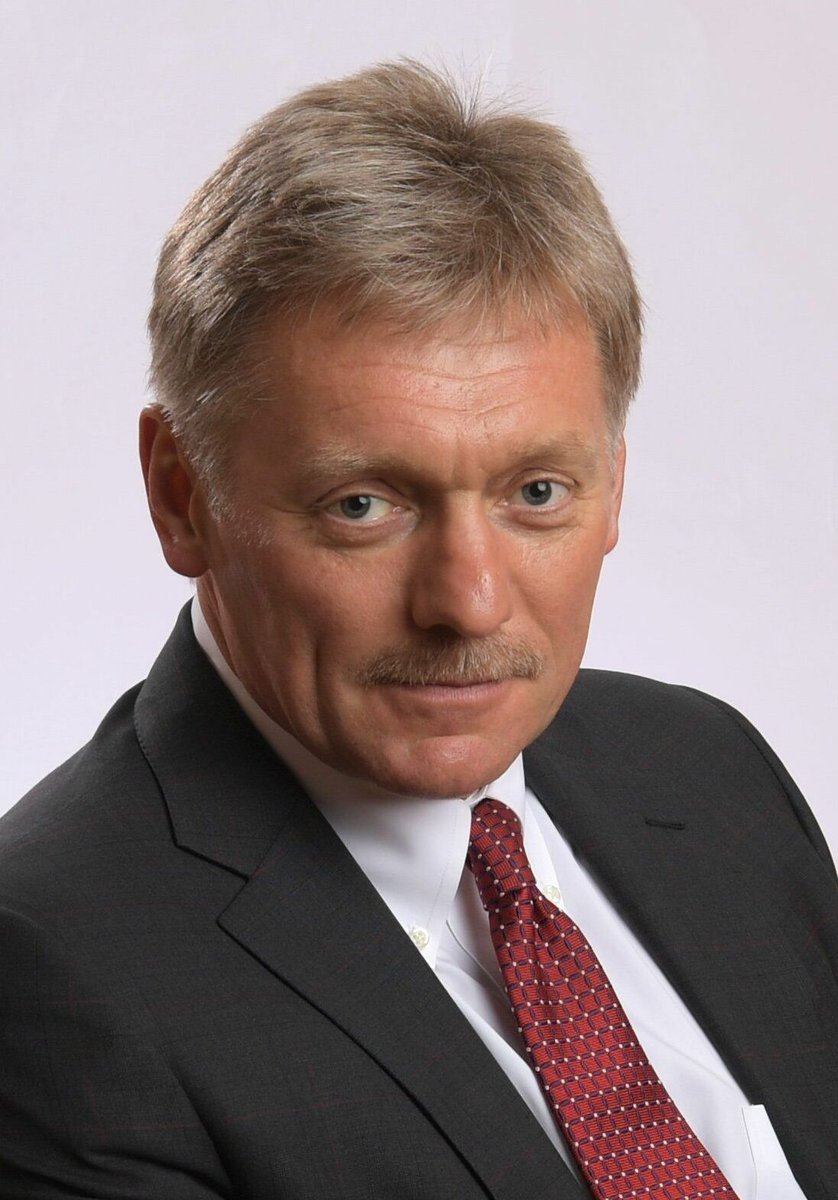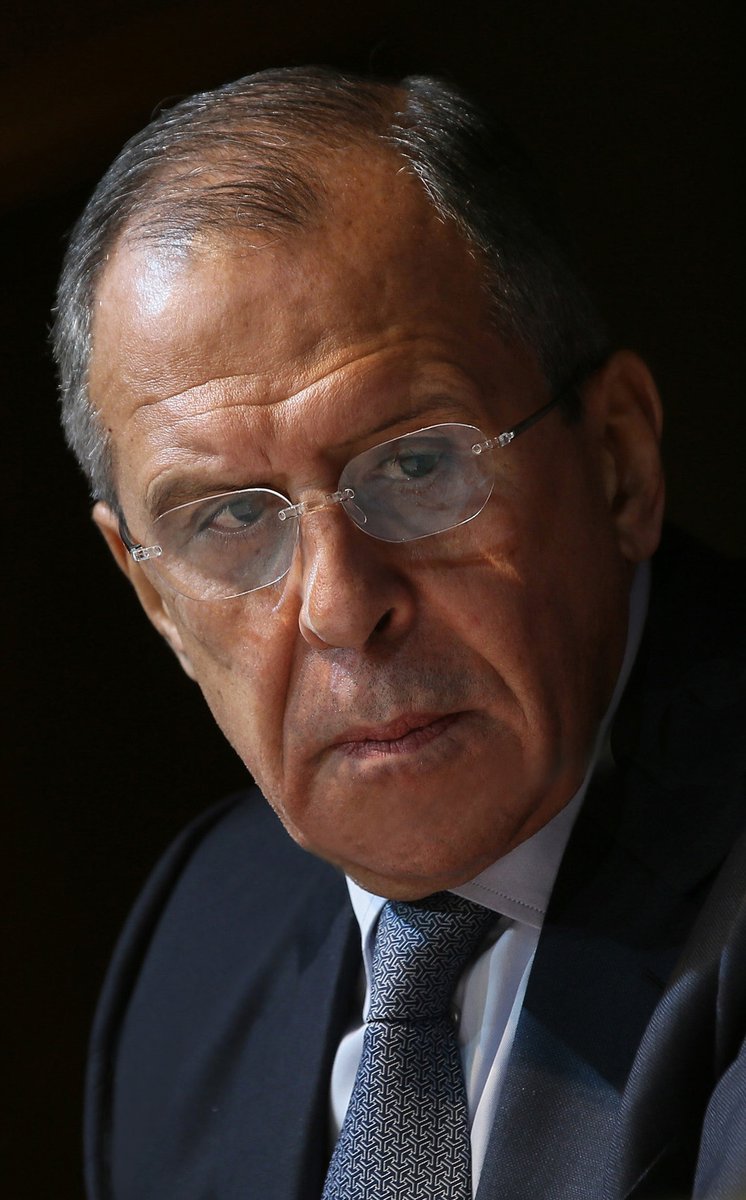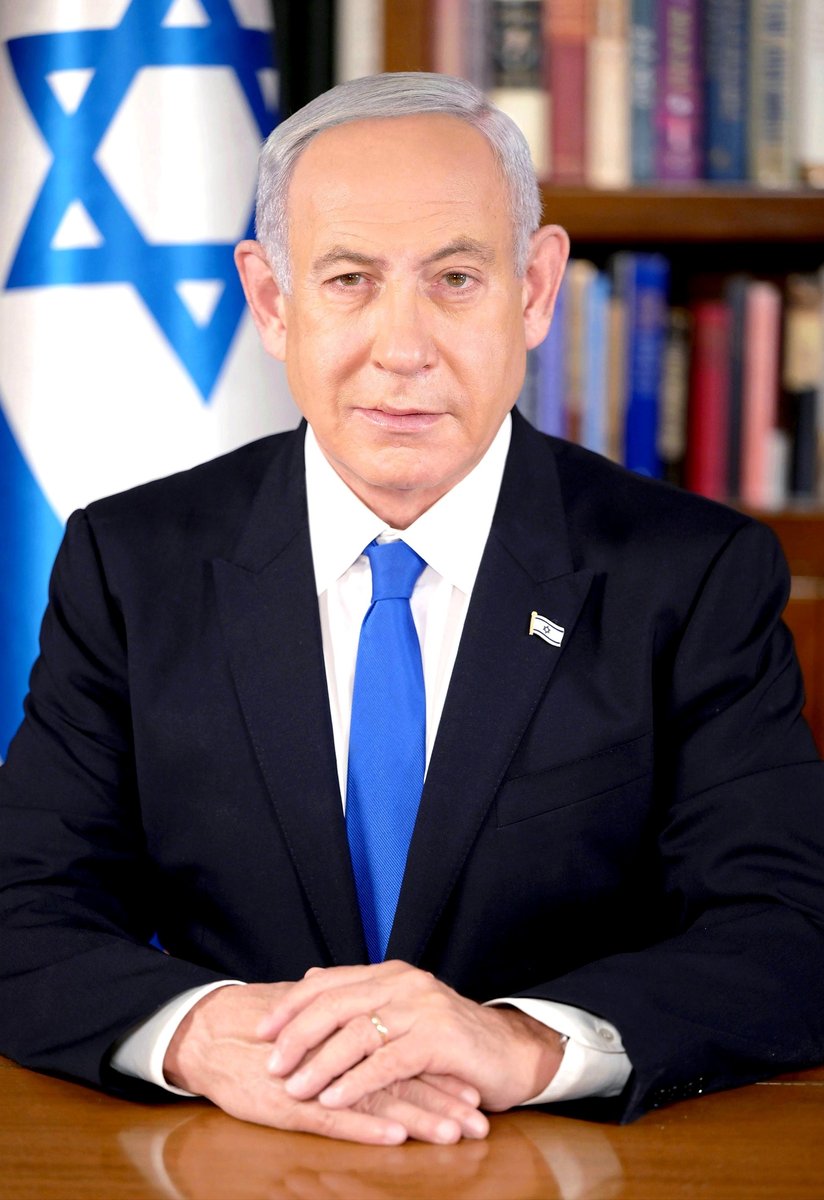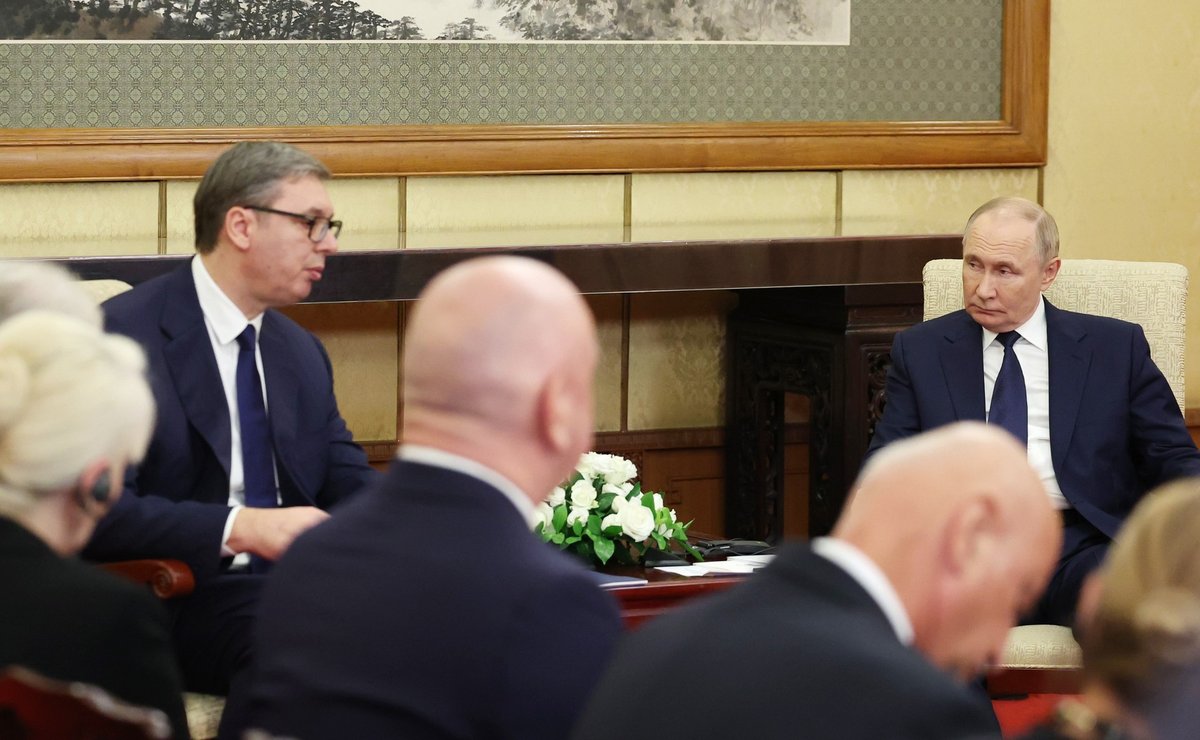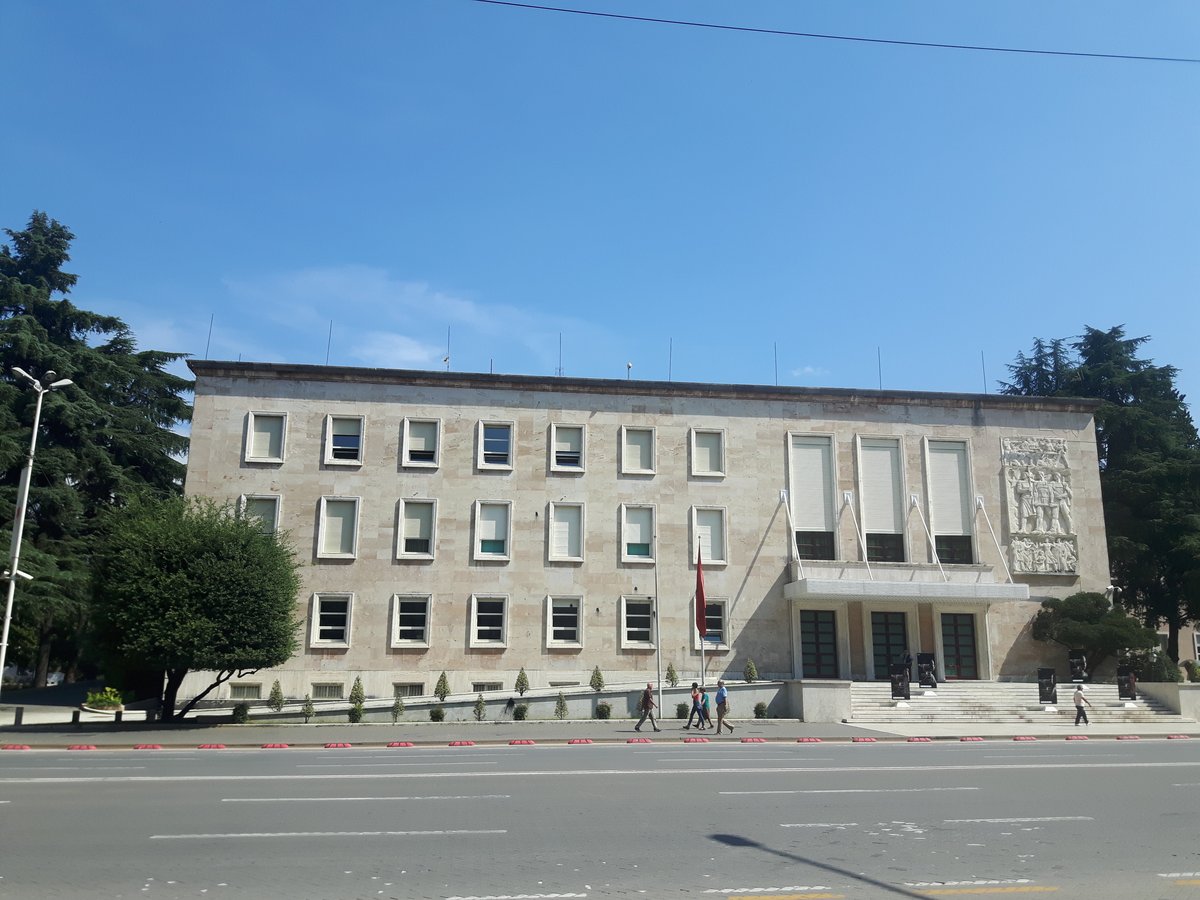
Key actors — tap for context

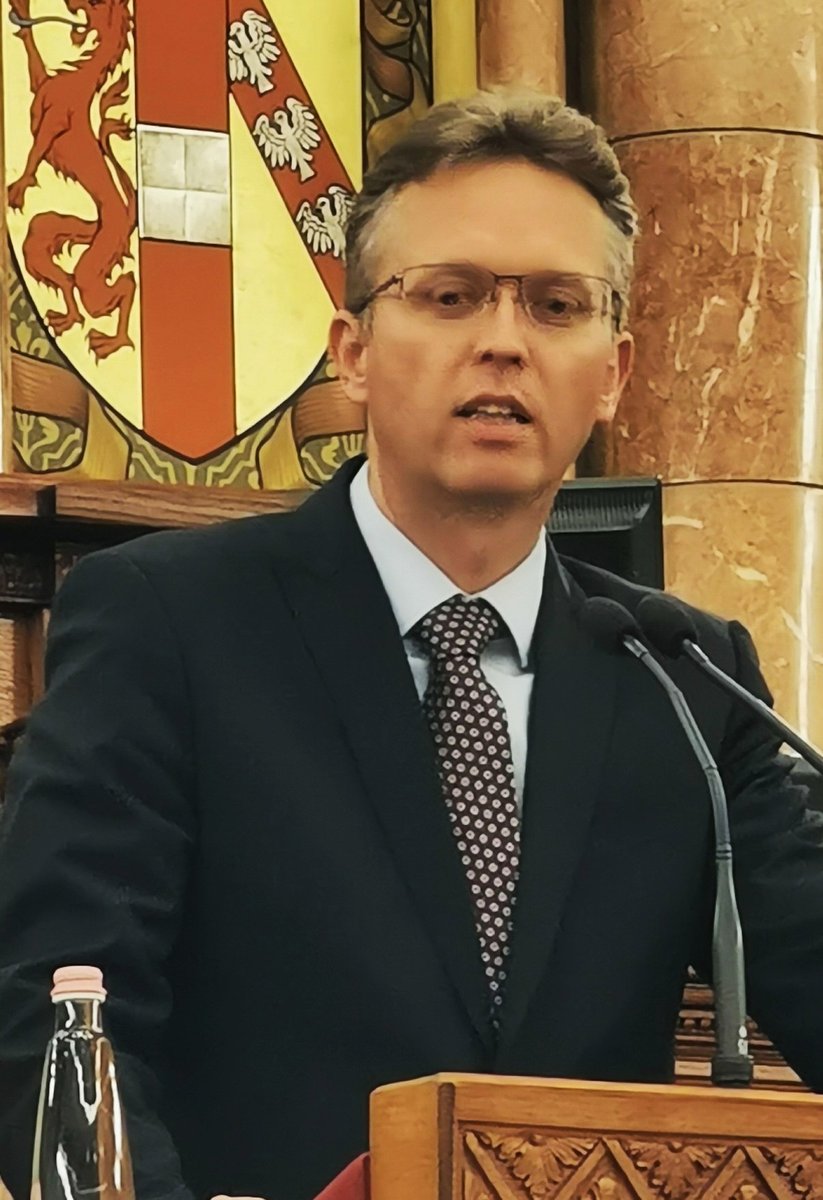
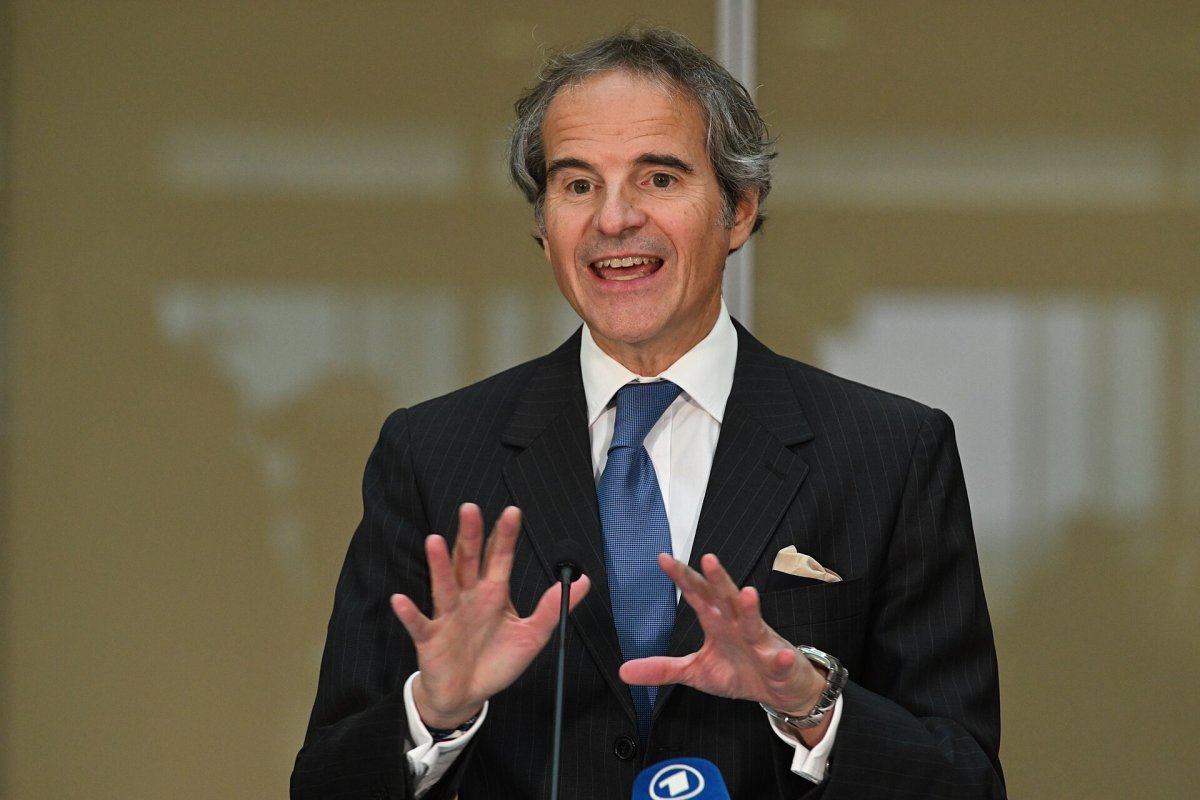
Rafael Grossi
Director General of the International Atomic Energy Agency (IAEA)
Why here: Leads the verification of Iran's commitment and says "intentions aren't enough" — thorough inspections need to start right away.
More info →
Masúd Pezeškján
President of Iran
Why here: Refuses to negotiate over the missile program — "without missiles we'd be flattened like Gaza."
More info →
Marco Rubio
US Secretary of State
Why here: After talks with Arab partners, demands that the deal also cover missiles, drones, and Iran's regional allies.
More info →
Donald Trump
47th President of the United States
Why here: Has softened his stance on Iranian missiles — "am I supposed to let the Saudis have missiles and not Iran?"
More info →
MAAE
International Atomic Energy Agency, the UN's nuclear watchdog
Why here: Must verify that Iran isn't building a bomb and bring its uranium under oversight — Tehran suspended cooperation with it a year ago.
More info →
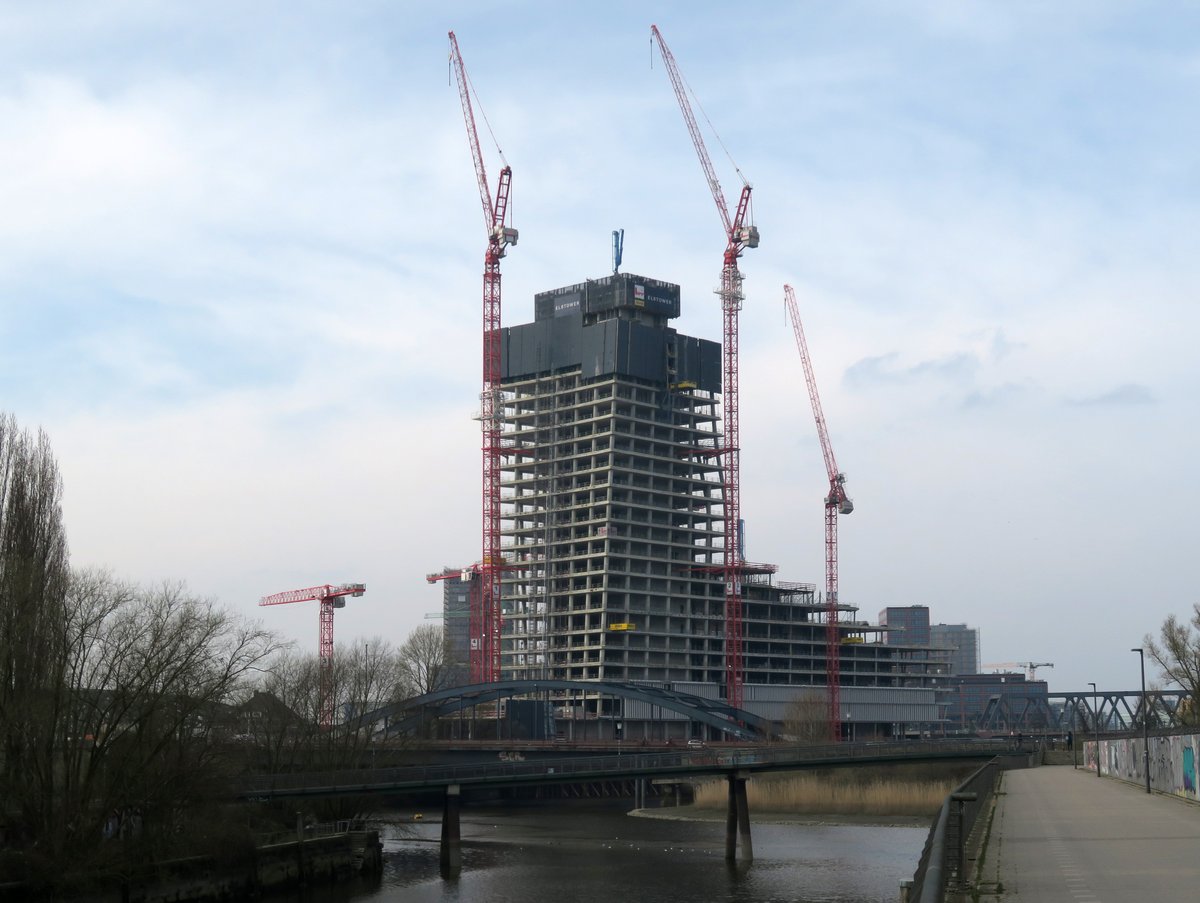
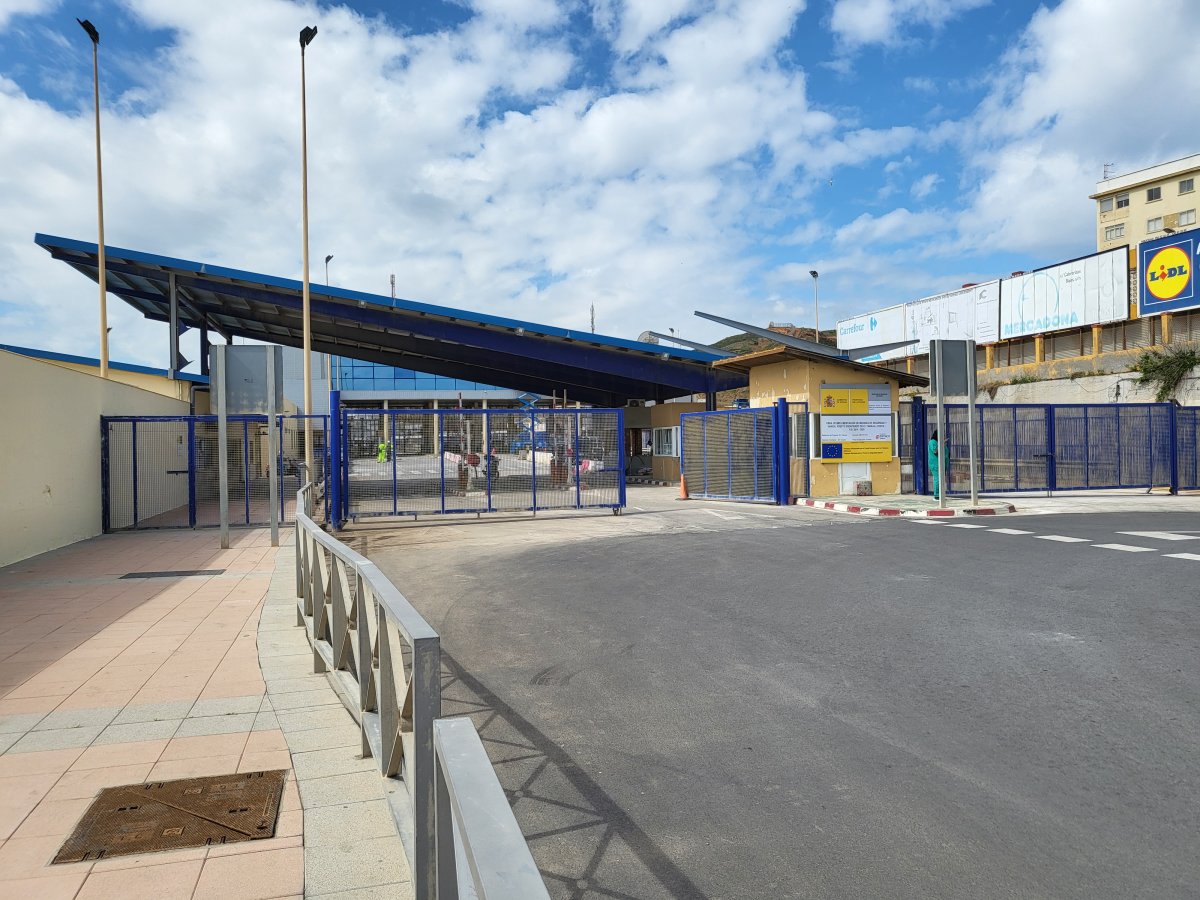
Natanz
Iranian uranium enrichment plant
Why here: One of the facilities hit by the strikes, and damaged plants are harder to verify.
More info →The memorandum promises, inspections stall
According to Grossi, inspections are as much a part of the memorandum as the commitment to bring Iranian uranium under his agency's oversight. "I think the goal of the agreement is to ensure that nuclear weapons are not developed in Iran. The Iranian government has clearly stated that this is not its intention," he told reporters. "Of course, intentions are not enough. We need to put in place a very thorough verification system, and as soon as possible." HN ↗But for now, it remains just words. In recent days, officials from Iran and the US have issued contradictory statements about whether Tehran will let inspectors into the nuclear facilities damaged during the war at all. Grossi himself admitted that talks on access are only just beginning and that he expects them to get fully underway only after some time. teraz.sk (TASR) ↗
Why verification will be harder than after 2015
This isn't a restart from a clean slate. Under a law passed by the Iranian parliament after last year's twelve-day war with Israel, Tehran had already suspended cooperation with the IAEA back in July 2025. The agency is now returning to a relationship that Iran itself froze a year ago, and it has to rebuild it from scratch. Aktuality (AFP) ↗Added to that is a technical obstacle. Some of the key facilities, including the plant in Natanz, were hit by the strikes, and damaged facilities are harder to verify than operating ones — there's no baseline condition, material may have been moved, and an inspector working amid the rubble can hardly reconstruct how much enriched uranium was originally where. Novinky ↗
Experience also counsels caution. The 2015 nuclear deal had one of the most elaborate inspection regimes in the history of arms control, and it still began to fall apart after Washington withdrew from it in 2018. Verification regimes stand or fall on trust, and there is even less of it after the war than there was back then.
Missiles remain off the table
And there's an entire layer that the memorandum doesn't address at all. During a visit to Pakistan on Tuesday, Iranian President Masúd Pezeškján declared that there will be no negotiations over the ballistic missile program. "If we didn't have missiles, Israel and the United States would crush Iran the same way they did Gaza, with no mercy for young or old," he said, according to Al Arabiya. Novinky (Al-Arabíja) ↗It's precisely the missiles that worry the Gulf monarchies most: during the war, they also struck American bases in Qatar, Bahrain, Kuwait, and Saudi Arabia. That's why US Secretary of State Marco Rubio, after talks with Arab partners, is demanding that the deal cover not only the nuclear issue but also missiles, drones, and Iran's regional allies. HN ↗
Donald Trump himself, meanwhile, has softened his own stance. "They need to have some missiles, after all, others have them too. Am I supposed to let Saudi Arabia have missiles and not Iran? That's not how it works," he said last week at the G7 summit in Evian, France. A gulf is thus opening up between what Riyadh is demanding and what Washington is willing to accept. Novinky ↗
The dispute over inspections is also a dispute over who won
The fight over inspector access is at the same time a fight over how the war is interpreted. Some commentators read Iran as the relative victor — Peter Drulák, in a commentary for Štandard, drawing on analyst Andrew Korybko, who works in Russia, turns Iranian resilience into "a lesson for Central Europeans facing Brussels." Štandard (komentár) ↗That lens has a weakness. The one piece of leverage the West has left after the war is precisely verification. If inspectors do get in and the uranium actually ends up under IAEA oversight, the thesis of a clean Iranian victory weakens. If they don't get in, the memorandum is just paper. For the Slovak reader, exposed to sovereigntist rhetoric from domestic politics, this is an important distinction — the durability of the agreement won't be decided by who appeared tougher, but by that unremarkable inspection regime.
What hotinfo is watching
Whether IAEA inspectors actually gain entry to Natanz and other facilities, and under what regime — whether they get access to sites that Iran closed off a year ago.The resolution of the dispute over frozen Iranian assets, which according to CNN is the point where the talks have stalled.
Whether missiles return to the negotiating table, or whether the Gulf monarchies push Washington into a broader deal.
The stance of Israel, which is not a party to the agreement, and whether it will continue its own strikes in Lebanon despite the ceasefire.