


Key actors — tap for context

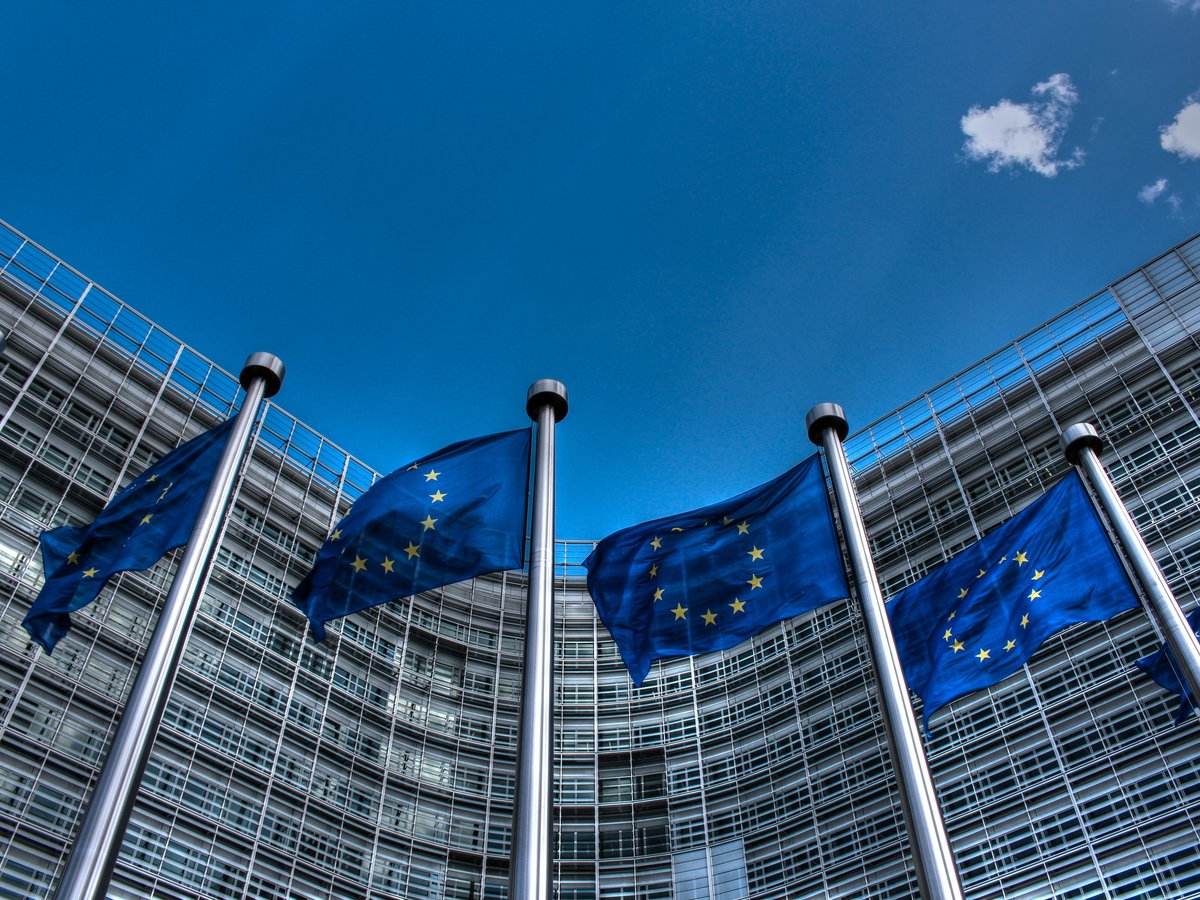
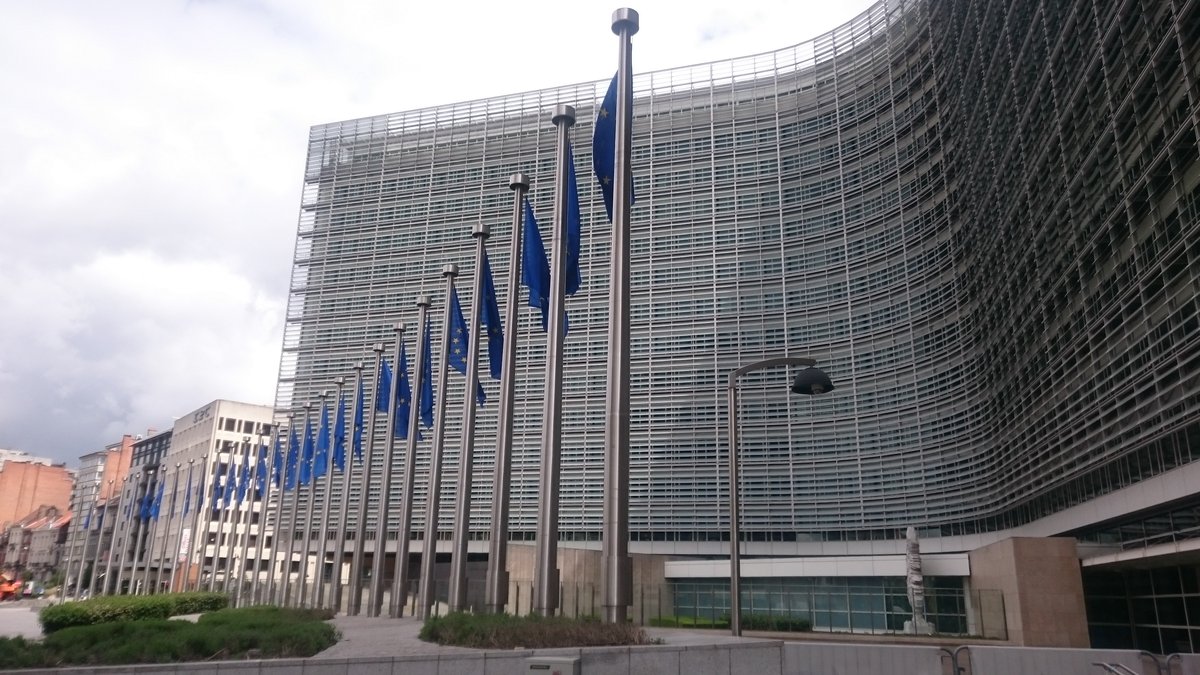
ECHA
The European Chemicals Agency, headquartered in Helsinki, evaluates and regulates chemical substances in the EU
Why here: Its Risk Assessment Committee recommended in June 2026 that TFA be classified as a reproductively toxic substance
More info →
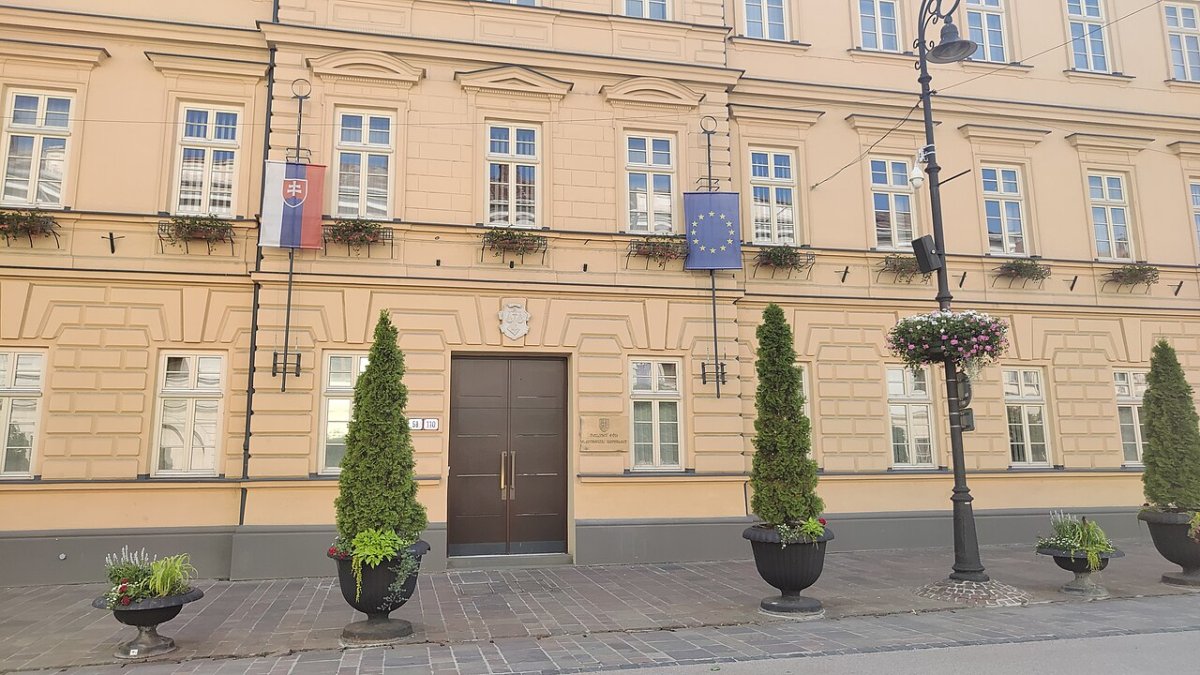
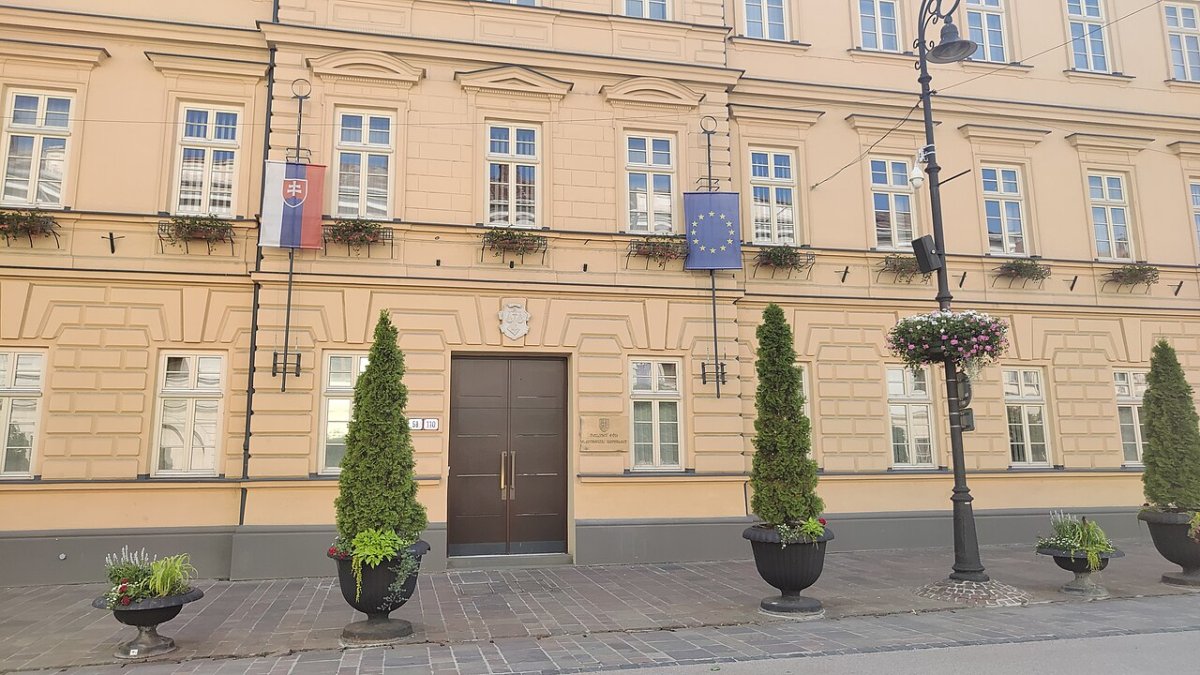
Spolkový úrad pre životné prostredie
Germany's federal environmental agency (UBA)
Why here: Together with the BAuA and BfR authorities, it is behind the proposal to classify TFA
More info →What the measurements showed
Tests carried out for the Swiss public broadcaster SRF by the German Water Technology Center in Karlsruhe found TFA in every sample — in ten tap water samples as well as in seven of the best-selling mineral waters. Tap water contained 0.51 to 1.5 micrograms per liter, mineral waters 0.08 to 0.76. SRF ↗ 20 Minuten ↗ The newspaper Tages-Anzeiger, which covered the topic in June 2026, writes that the substance is present in drinking water "almost universally." Tages-Anzeiger ↗TFA is a so-called ultra-short-chain PFAS — a member of the family of "forever chemicals" that practically do not break down in nature. It forms through the breakdown of fluorinated refrigerants from air conditioners and certain fluorinated pesticides; these enter the atmosphere and soil and end up at the tap via rain or groundwater. Standard water treatment does not capture it. NZZ ↗
Why the EU is addressing this
In June 2026, the European Chemicals Agency's Risk Assessment Committee (RAC) recommended classifying TFA as toxic for reproduction, category 1B — that is, substances that "may damage the unborn child" and are "suspected of damaging fertility." The final legal classification still has to be confirmed by the EU. Chemistry World ↗ The proposal was submitted by German state authorities — BAuA, BfR, and UBA — and was based on toxicological studies that recorded developmental damage at high doses. Umweltbundesamt ↗ BfR ↗It is important not to overstate this. The classification speaks to a hazardous property of the substance at certain doses, not to the claim that tap water at the measured concentrations is harming anyone — the levels tested in water are orders of magnitude lower than the doses used in laboratory experiments. Even the German authorities themselves emphasize that the toxic effects appeared at concentrations well above typical environmental levels. The real problem lies elsewhere: the substance is ubiquitous, gradually increasing, practically impossible to remove, and in Switzerland there is still no limit for it. Germany has guideline values — a recommended 10 and a threshold of 60 micrograms per liter. 20 Minuten ↗