
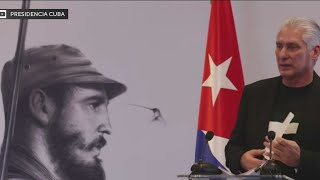
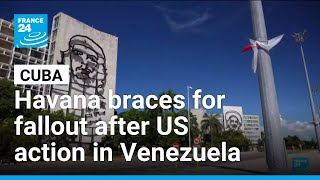
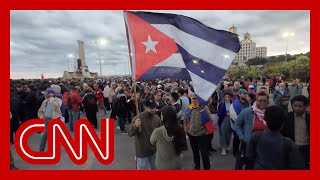
A country where trains to the eastern end of the island are set to run once every 16 days, and where churches are receiving shipments of communion wafers, has taken a step that not long ago would have sounded like a betrayal of its founding myth. The Cuban Communist Party has approved a package of more than twenty market reforms — backed even by 95-year-old Raúl Castro, the man who helped build the centrally planned economy in the first place.
The extraordinary plenum of the Party's Central Committee convened on Wednesday, June 17, five days after leader Miguel Díaz-Canel announced the reforms. The government wants to streamline the number of ministries from 27 to roughly twenty, give state enterprises greater freedom over wages and trade, abolish the state monopoly on imports and exports, expand room for small and medium-sized businesses, and make it easier for Cubans living abroad to invest. Raúl Castro, who joined only by videoconference due to his frail health, described the proposals in a letter to the plenum as "the most beneficial for the revolution at this time." France 24 ↗ The Washington Times ↗
The reforms come at a moment when the island is experiencing its worst economic and energy crisis in decades. In mid-May, the energy minister admitted that Cuba was "completely out of fuel and diesel" and had not received a single shipment since December. As a result, from June 18 the transport ministry sharply curtailed public transportation — trains to the eastern part of the island are now set to run once every 16 days instead of once every eight, and long-distance buses from Havana to provincial capitals only three times a week. Extensive power outages last more than 18 hours a day in parts of the island. SITA ↗ Time ↗
The trigger is Venezuela. Ever since the United States intervened militarily against Caracas in early January, captured Nicolás Maduro, and toppled his government, Venezuelan oil has stopped flowing to Cuba — oil that, together with Mexican supplies, made up roughly three-quarters of Cuba's imports. Trump's decree, which threatened tariffs on countries supplying fuel to Havana, ultimately forced Mexico to back out as well. Cuba's leadership speaks of a "blockade" and has condemned the American strikes in Venezuela as "state terrorism"; yet the very scope of the reforms is an admission that the centrally run model is failing from within as well. Fortune ↗
The consequences are felt everywhere. Food and medicine production is estimated to have fallen by 60 to 70 percent, the island is experiencing the largest wave of emigration in its history, and even the church is grappling with shortages: because flour is scarce and power keeps cutting out, nuns can no longer keep up with producing communion wafers, so parishes in Puerto Rico and Panama have sent more than 335,000 wafers to Cuba. Der Standard ↗ AS/COA ↗
The fact that it is the very symbol of the Cuban revolution putting its name to an expansion of private enterprise is itself a measure of how far the island has fallen.
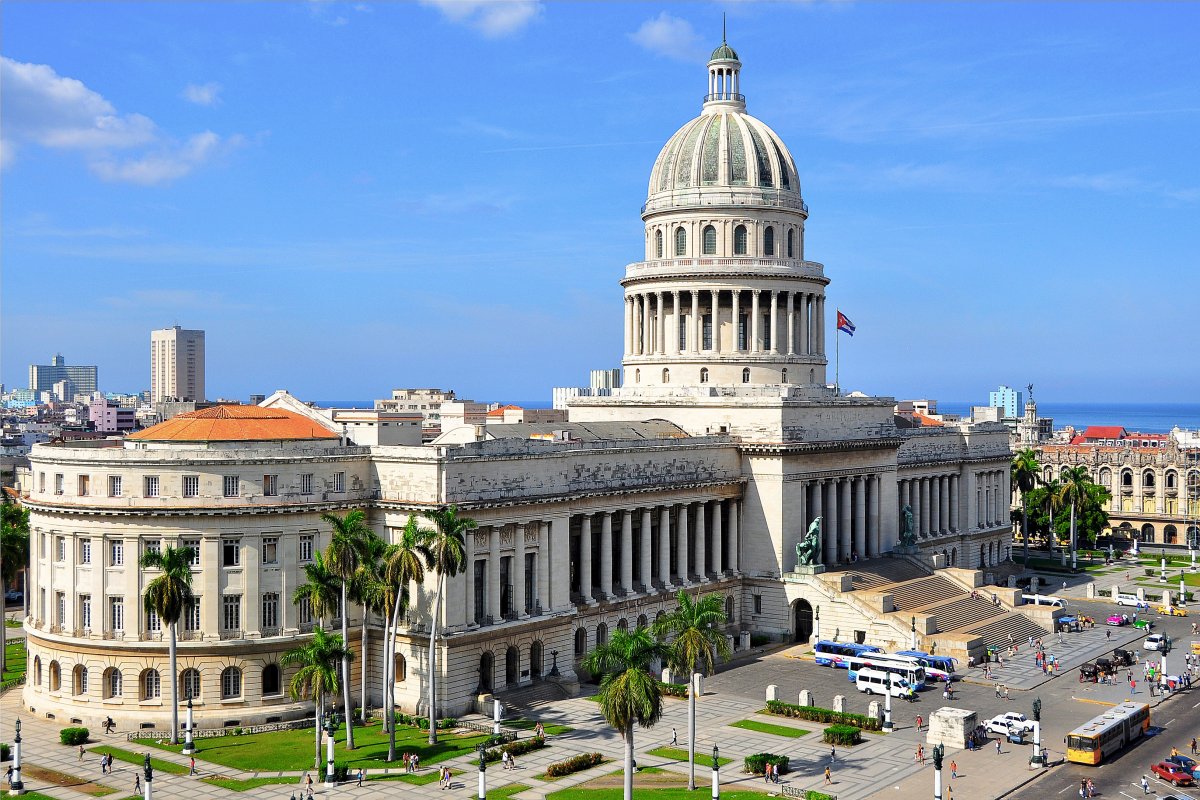
Trains in Cuba are set to run once every 16 days, and communion wafers are being brought in for churches. Communists approved the deepest market reforms in decades, backed even by Raúl Castro
Videos
👤
Statement pattern
Vladimir Putin:
20× statement
in the past 12 months
-
— „jako první"Mentioned in articles: Boyz II Men skúsia country, podpísali zmluvu s Warner Records Nashvill…, Izraelčania hlasujú o Netanjahuovi a jeho vyzývateľovi Eisenkotovi, Krajiny paktu z Mekky prvý raz spoločne rokovali v Teheráne. Dohodli s…, Sněmovna začne projednávat zrušení televizních a rozhlasových poplatků, Trump opäť ostro kritizoval Zelenského a vyzdvihol Putina
-
— „Keine aggressiven Pläne"
-
— „próby przyczynienia się do zakończenia"
-
— „Terrorismo di Stato"
-
— „Hrubá chyba"
🔥 You might also like
📰
World Politics
US imposes sanctions on Cuban president and the Castro family
The US imposed new economic sanctions on Cuban President Miguel Díaz-Canel, his wife, and others linked to Cuba's leadership.

Politics (General)
US ramped up military threat against Cuba. Al Jazeera and the Guardian recall Venezuela and the UN warning
Al Jazeera and the Guardian read Trump's Cuba campaign through the parallel with Maduro and UN experts' warning of a fuel blockade. Slovak media picked up the w …

Politics (General)
CIA chief negotiated in Havana, US simultaneously preparing indictment of Raúl Castro. Trump pressures Cuba with sanctions and a $100 million offer
John Ratcliffe met with the interior minister and Raúl Castro's grandson. Hours later, CBS revealed a pending indictment over the 1996 shooting down of planes.
Geographic locations
From our newsroom original
All →
Attacker with Knives Attacks Police Officer Near Israeli Embassy in Belgrade

Meloni to present budget law to Italian government

Flávio Bolsonaro left for the USA after election defeat
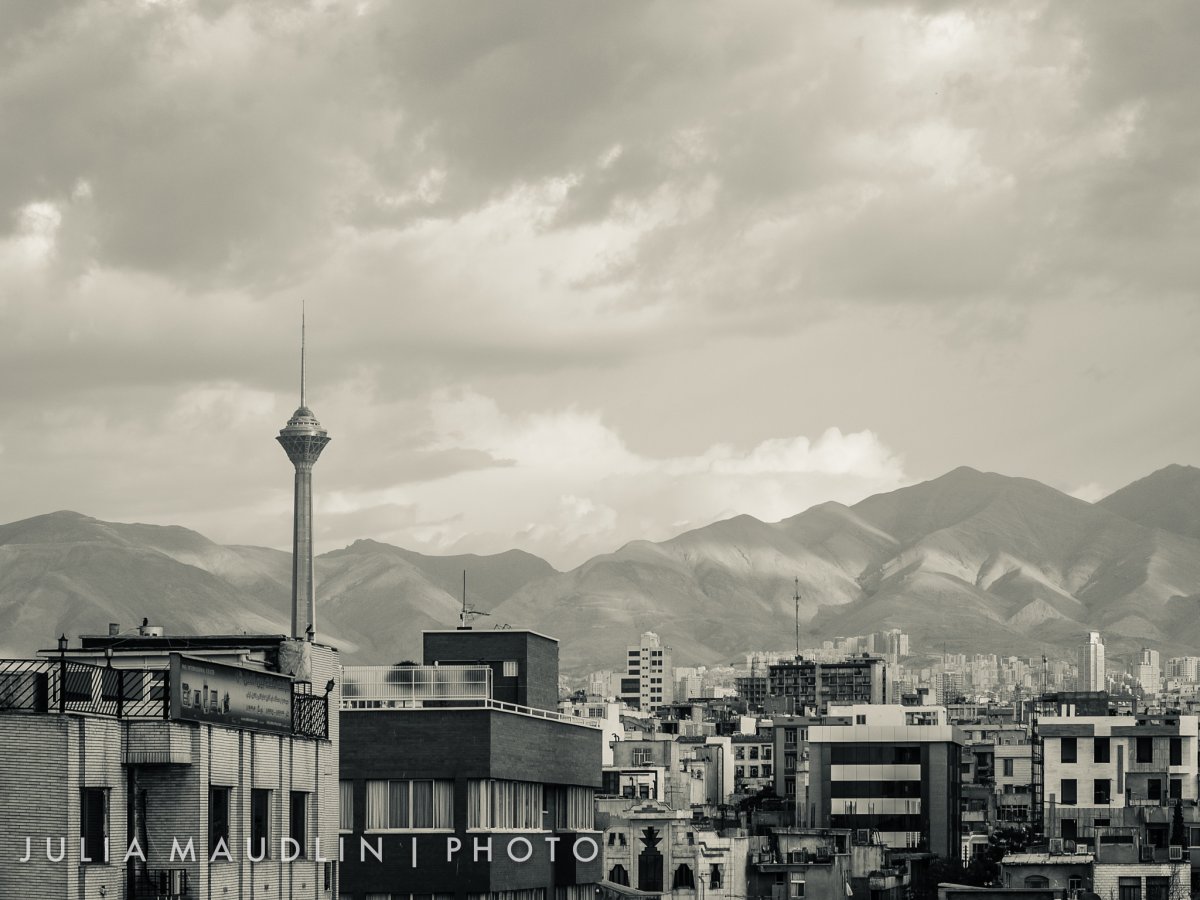
Mecca Pact Countries Held Their First Joint Talks in Tehran. They Agreed Only to Keep Talking
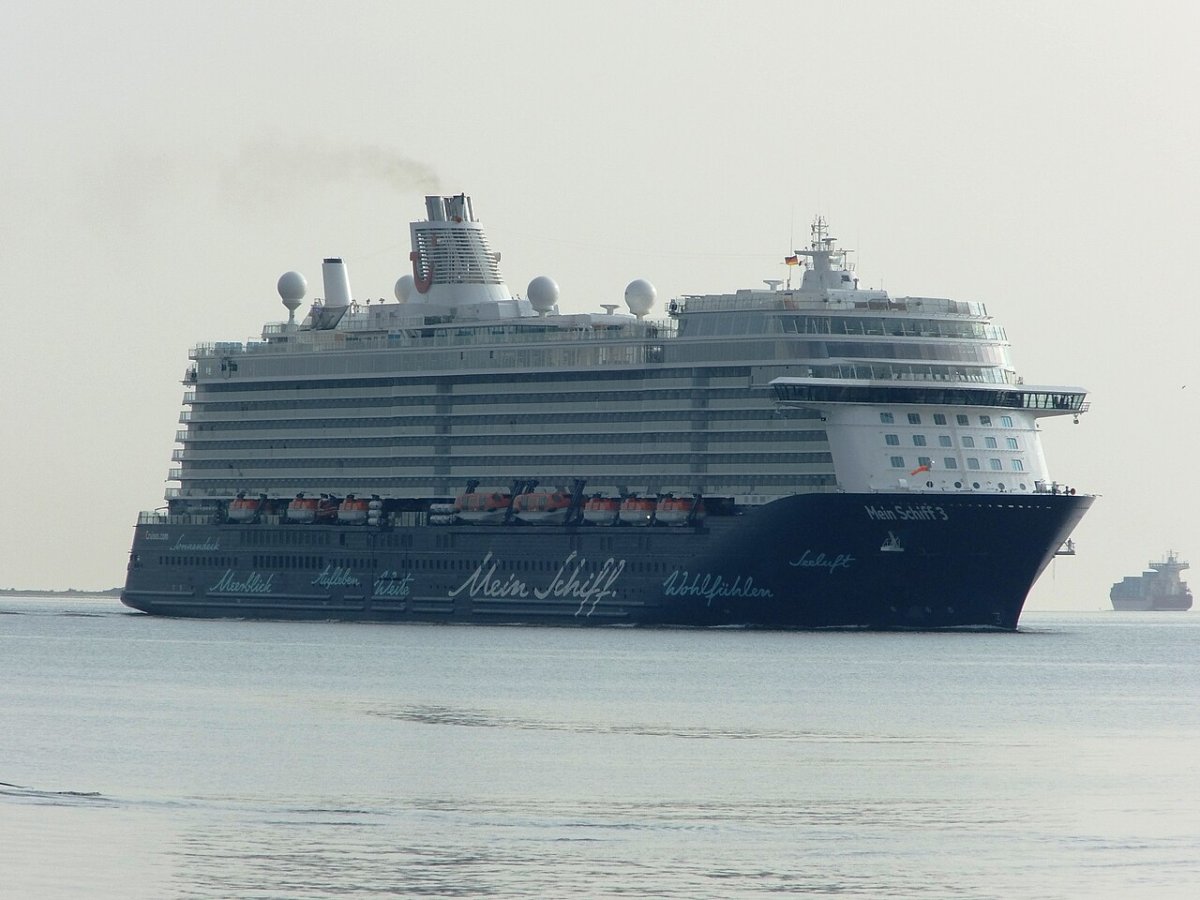
Cruise ship with over 3,300 people on board collided with two container ships in Bremerhaven
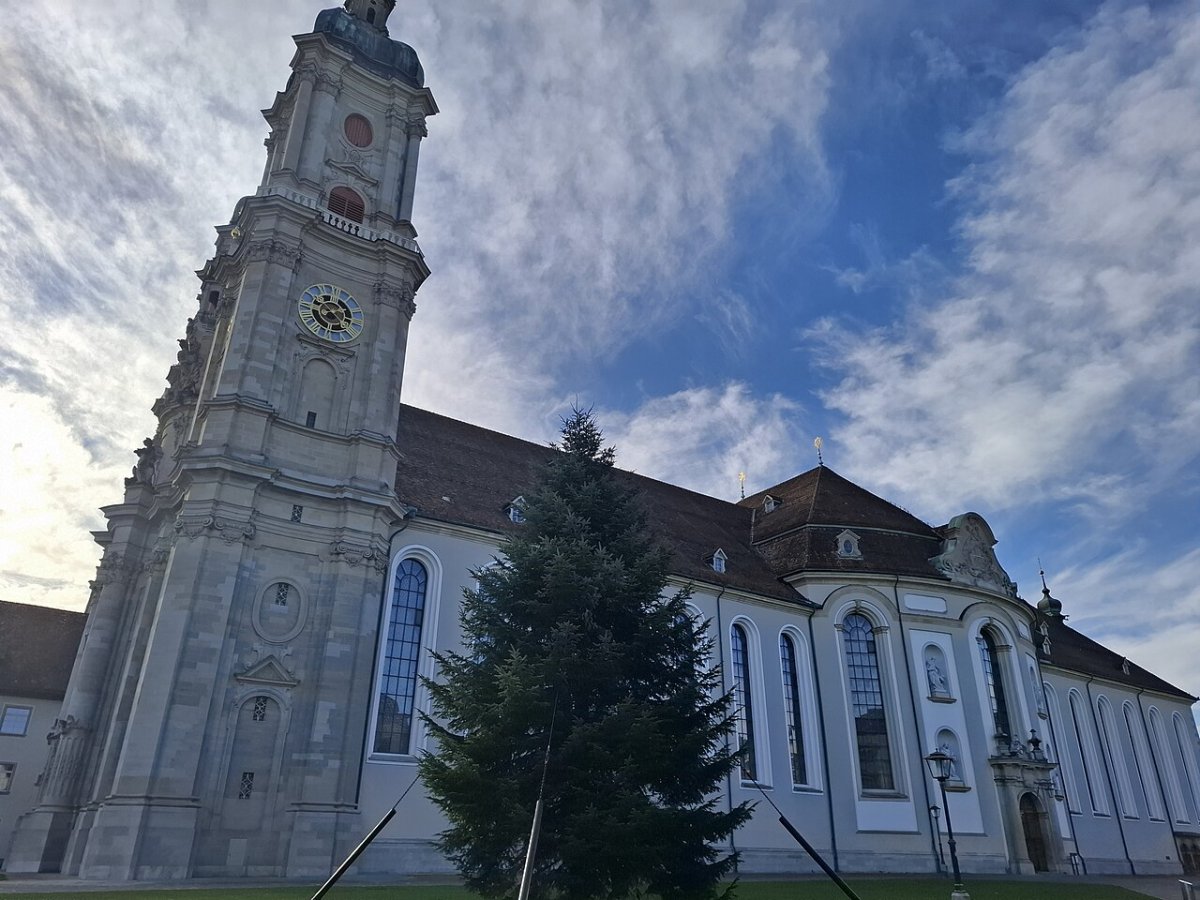
Swiss court convicts Belarusian over disappearance of Lukashenko opponent in 1999
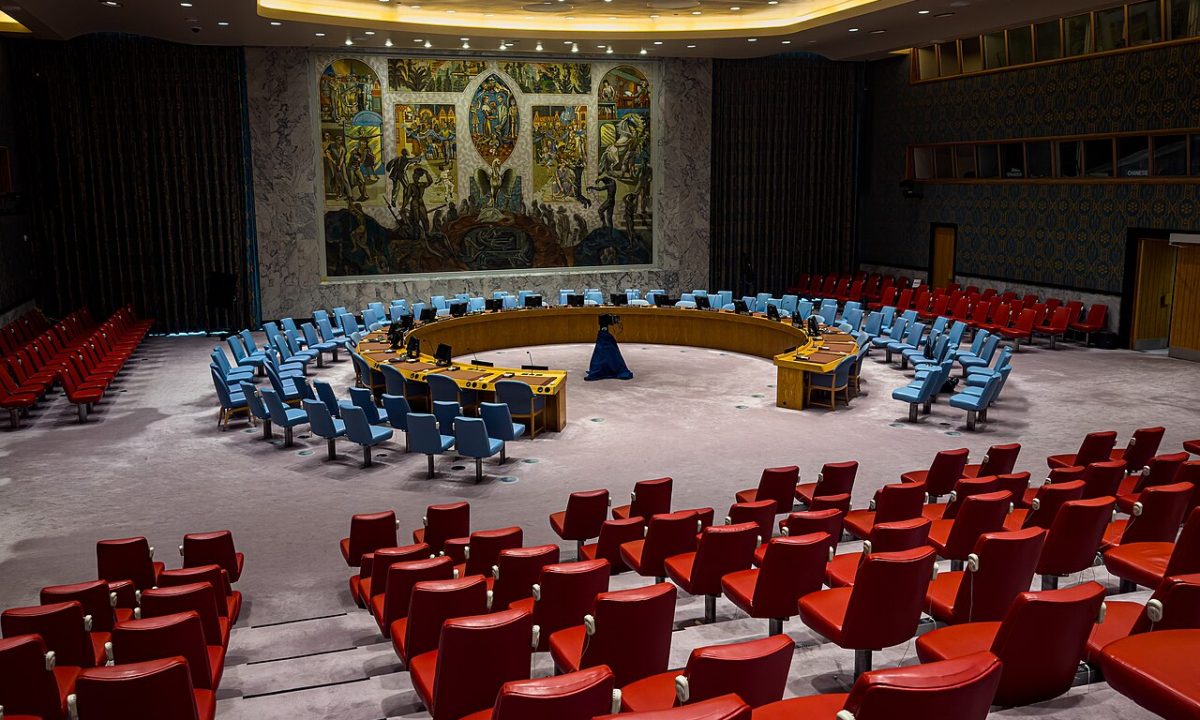
Orbán for UN Secretary-General? WSJ Editorial Says Washington Is Pushing Him, Moscow Points to Latin America
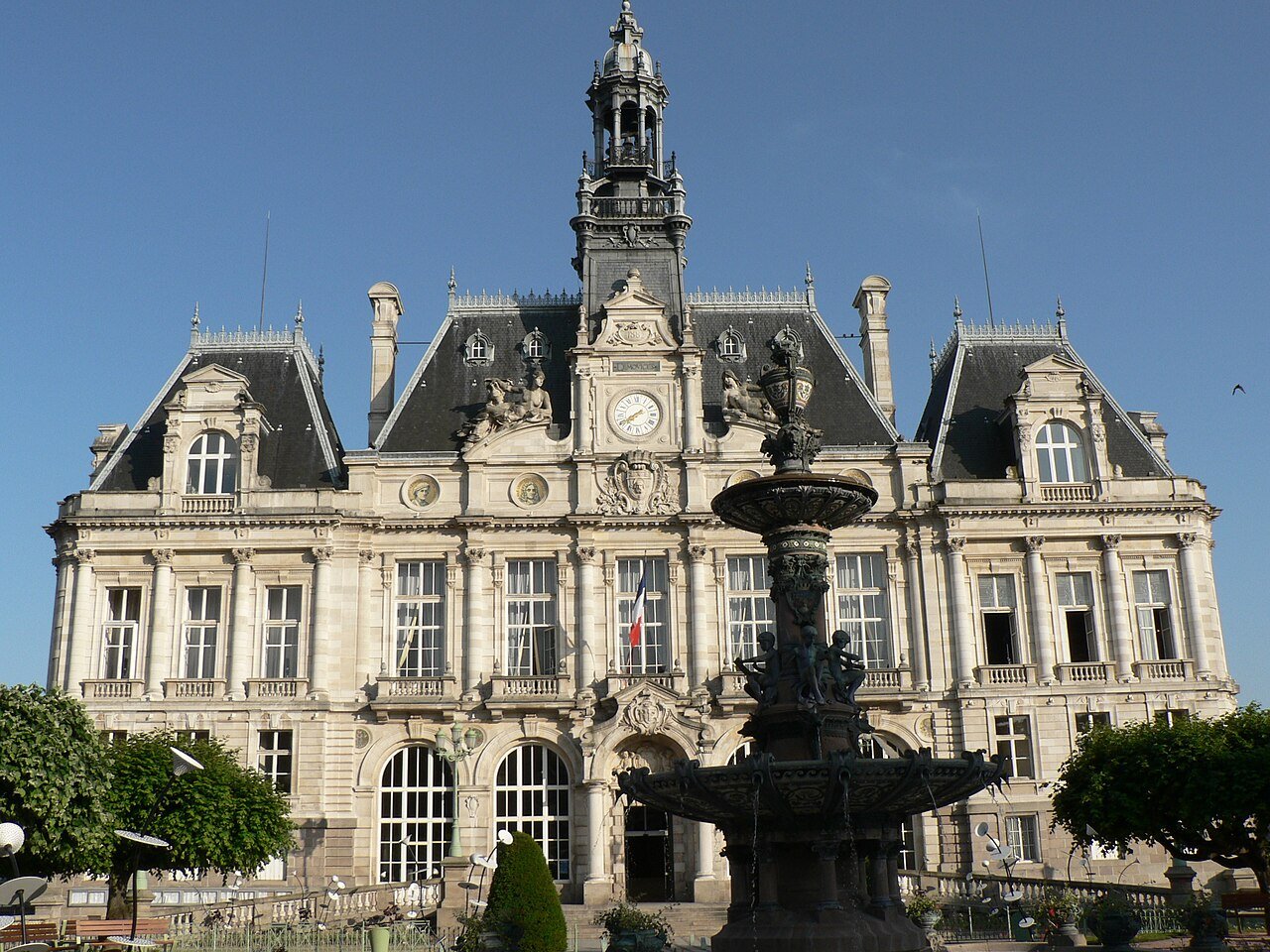
France ahead of the October 24 protest: Paris bans demonstrations, Macron convenes intelligence chiefs, Le Pen rises in polls
