
Key actors — tap for context

Osman Kavala
Turkish businessman, patron and founder of cultural and civil society organizations, who since 2002 financed liberal and left-wing foundations and NGOs.
Why here: He has been in prison since October 2017, is now 68 years old and is the best-known political prisoner in Turkey.
More info →Európsky súd pre ľudské práva
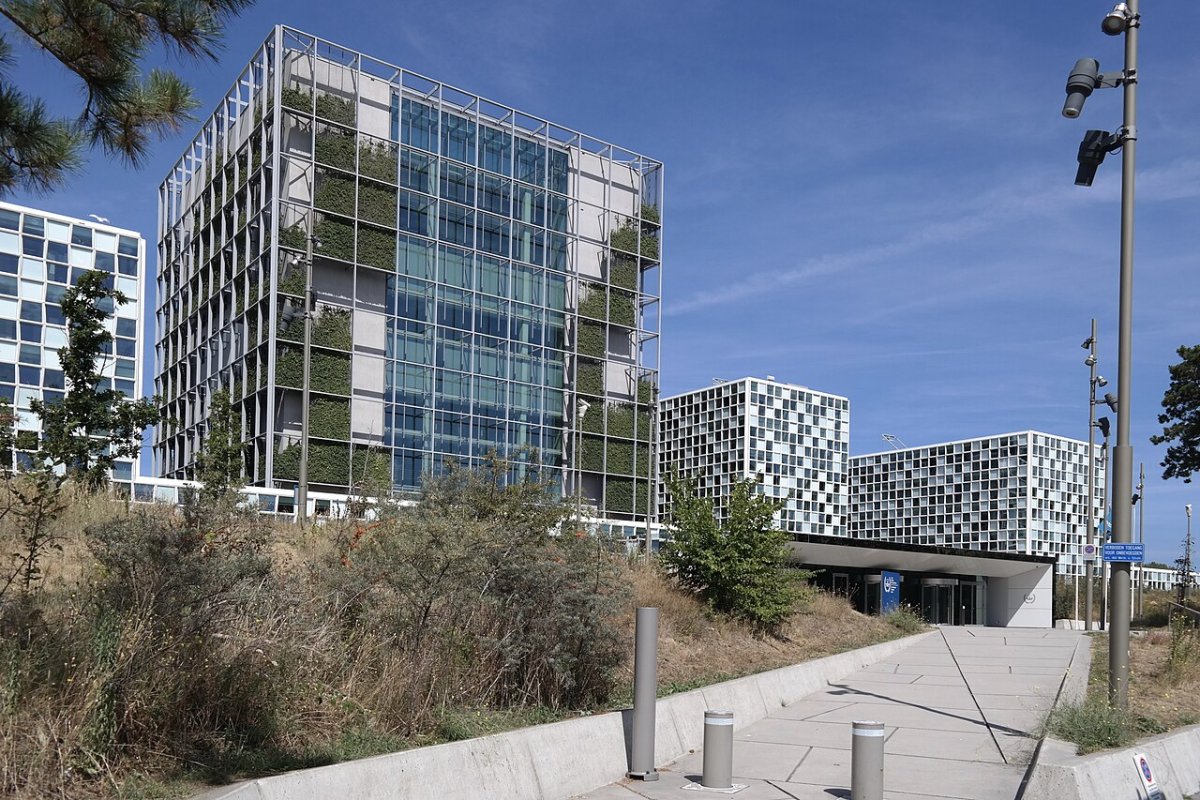
The Council of Europe court in Strasbourg, which rules on complaints of violations of the European Convention on Human Rights. Its judgments are binding on member states.
Why here: On Tuesday it issued its third judgment in Kavala’s case and for the first time also imposed general measures on Turkey.
More info →
Rada Európy
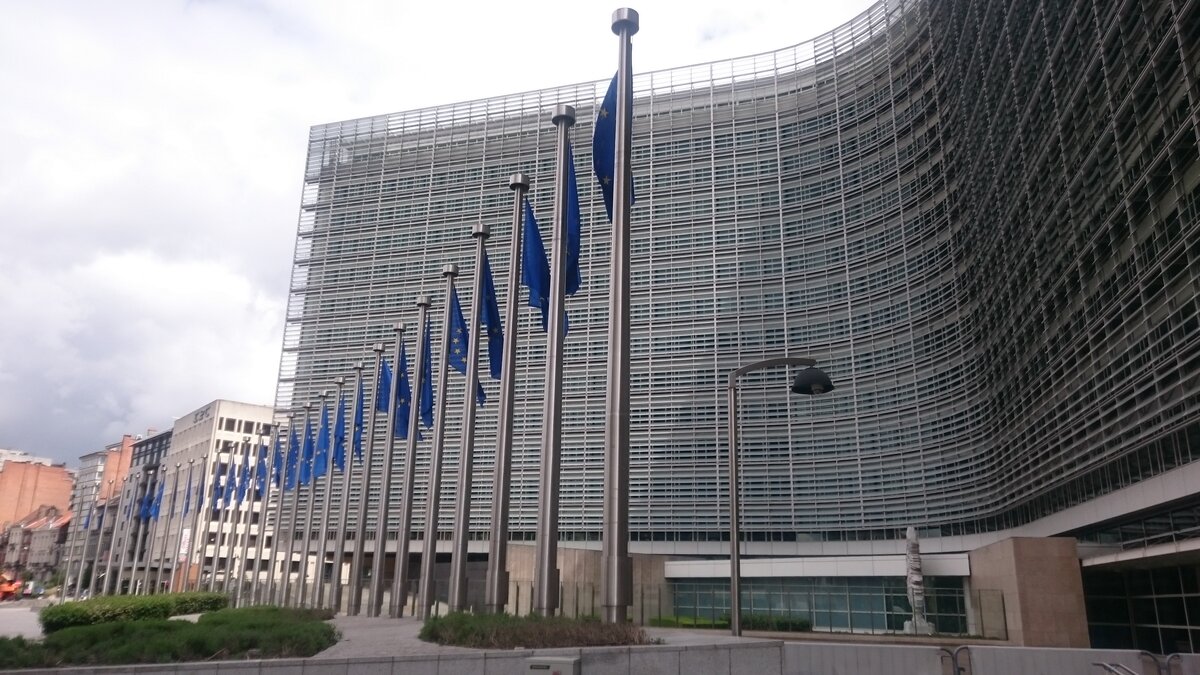
An international organization of 46 European states based in Strasbourg, which oversees respect for human rights. It is not a body of the European Union.
Why here: Its Committee of Ministers supervises the execution of judgments and has only political tools against states.
More info →
Recep Tayyip Erdoğan
Turkish president, in top-level politics since 2003, first as prime minister and since 2014 as head of state.
Why here: The 2013 Gezi Park protests were directed against his government, and his cabinet has long rejected the Strasbourg judgments.
More info →Gezi Park
A park near Taksim Square in Istanbul, where protests against a construction project began in 2013 and grew into the largest demonstrations against Erdoğan’s government.
Why here: The court found that Kavala had merely exercised freedom of expression and assembly during them.
Silivri
A high-security prison near Istanbul.
Why here: Kavala is in his ninth year there.

Ekrem İmamoğlu
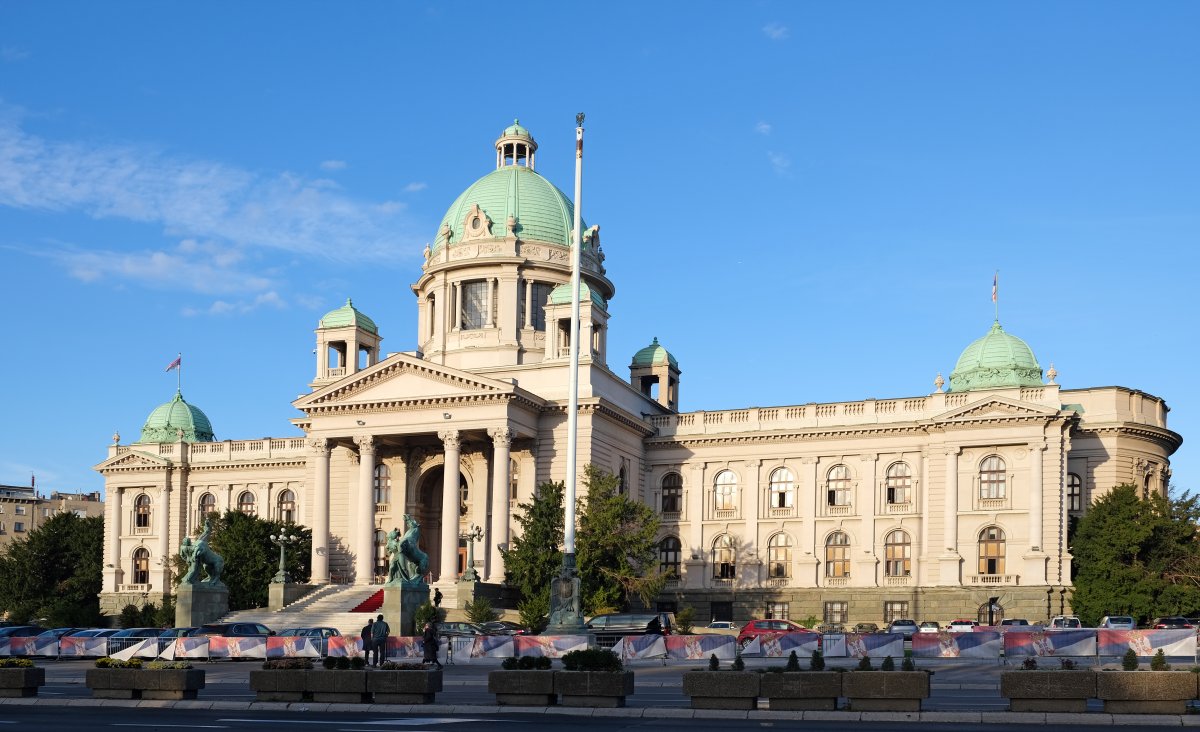
Turkish opposition politician and Istanbul’s elected mayor since 2019. After his arrest in March 2025, the Interior Ministry suspended him from office and he has been in custody since; in August 2026 he left the CHP.
Why here: The imprisonment of opposition municipal politicians is a pattern that the court on Tuesday identified as systemic.
More info →Six Violations, 70,000 Euros for Damage and 43,000 for Costs
The court found violations of six provisions of the Convention, each time by a ratio of fifteen to two. It awarded Kavala 70,000 euros in non-pecuniary damage and another 43,342.57 euros as reimbursement of legal costs, both payable within three months. ESĽP ↗ Bianet ↗On freedom of expression and assembly, the court criticized the Istanbul court for convicting Kavala for a “strategic role” in violence during the protests without even examining his actual participation. According to Strasbourg, the interpretation of criminal law led to the indirect attribution of criminal responsibility for violence committed by third parties, even though Kavala had not participated in it in any way or incited it. The court called this a “manifestly disproportionate criminal burden” and warned that such an interpretation has a “particularly serious chilling effect”. ESĽP ↗
On the right to a fair trial, it stated that there had been no analysis of the causal link between Kavala’s activities and the violence, even though the elements of this offence presuppose the use of force. The Turkish court stereotypically refused to hear key defence witnesses and based the conviction on contextual and insufficiently individualized judgments that the defendant himself was supposed to rebut. ESĽP ↗
The harshest formulations concerned detention. According to the court, the Turkish authorities acted “in bad faith” when they looked for substitute reasons to keep Kavala behind bars and circumvent the requirements of domestic law. His post-conviction detention was unlawful because it was based on a sentence from proceedings in which there had been a “flagrant denial of justice”. And under Article 18, the prosecution, detention and conviction were “predominantly motivated by an ulterior purpose” — to punish Kavala for his role in the protests and for the views he expressed as a human rights defender, and to silence him. ESĽP ↗
The finding under Article 3 stands separately. The aggravated life sentence Kavala received offers no real prospect of release or review of the sentence, and is therefore an inhuman or degrading punishment — from the moment it was imposed. NZZ ↗
Turkey’s objection that Kavala should first have waited for a decision by the Constitutional Court did not succeed. Strasbourg found that the constitutional complaint there had no “real prospect of timely examination” because of the Constitutional Court’s “procedural inactivity”. ESĽP ↗
Nine Years and Three Judgments
Kavala inherited the family business and from 2002 devoted himself mainly to civil society — founding and financing cultural projects and non-governmental organizations. He was detained on 18 October 2017 and has been in prison in Silivri near Istanbul since November of that year. He was accused of organizing the 2013 Gezi Park protests, during which about eight thousand people were injured and eight died. taz ↗The first Strasbourg judgment came in December 2019 and already then demanded his immediate release. In February 2020 a Turkish court acquitted Kavala, but before he could leave Silivri, prosecutors issued a new arrest warrant for him — this time over alleged participation in the 2016 coup attempt. That accusation later receded into the background. taz ↗
In April 2022, the Istanbul heavy criminal court sentenced him to aggravated life imprisonment for an alleged attempt to overthrow the government by force and violence, attributing to him the financing and direction of the protests. Three months later, at the request of the Committee of Ministers of the Council of Europe, Strasbourg formally found that Turkey had failed to comply with the 2019 judgment. It was only the second time in history that the court had proceeded in this way. In the first case, concerning Azerbaijan and opposition politician Ilgar Mammadov, the state eventually relented — Mammadov was released in 2018 and his conviction was quashed only in 2020. ESĽP (2022) ↗ taz ↗
Why This Is Not the Story of One Prisoner
What is new in this judgment is not the order to release Kavala — that had already been issued twice. What is new are the general measures the court imposed on Turkey under Article 46, and they go far beyond one case file.Under them, Turkey is to address the “systemic problem of the prosecution and detention of human rights defenders, political opponents and journalists” for offences whose scope is “interpreted extensively or artificially enlarged”. It is to remedy “structural deficiencies affecting the guarantees of independence and impartiality of the judiciary”. It is to address domestically, as a priority, proceedings concerning the execution of Strasbourg court judgments. And it is to introduce a mechanism that gives those sentenced to aggravated life imprisonment a real prospect of sentence review and possible conditional release. ESĽP ↗
In other words: the court stopped describing Kavala’s case as an excess and called it a “particularly significant illustration of a problem of a systemic nature”. That is a shift in what is actually being enforced — not the release of one person, but a change in the practice that produces more such cases. ESĽP ↗
Human rights organizations read it the same way. Amnesty International and Human Rights Watch both called in their reactions for immediate release and the quashing of the conviction. Both are advocacy organizations with a clear position, so their assessment is not independent confirmation of the facts, but it fits with what the court wrote in the operative part of the judgment. Amnesty International ↗ Human Rights Watch ↗
What Slovakia Saw of It
In our monitoring of Slovak and Czech news sources, the judgment had not appeared once by the deadline for this text. At the same time, on the same day, they carried an agency report that a Turkish court had sent five opposition mayors behind bars for many years for corruption. Aktuality.sk ↗ TASR ↗The two reports can be read side by side. The German daily taz ends its text on Kavala precisely there — noting that the imprisonment of opposition mayors, including Ekrem İmamoğlu, Istanbul’s elected mayor, who was suspended from office after his arrest in March 2025, has meanwhile come to the fore. The Strasbourg judgment gives this pattern a legal name that an agency report about a corruption trial does not provide on its own. taz ↗
Foreign newsrooms framed it this way as well. Le Monde called him in its headline a “symbol of the repression of Erdoğan’s regime”, the Dutch NOS headlined that his detention “speaks of repression”, and the Swiss NZZ emphasized the finding that Turkey wants to silence Kavala. NZZ ↗ The Turkish Cumhuriyet carried a statement by his representatives. Le Monde ↗ NOS ↗ Cumhuriyet ↗
For Slovak readers, this is not an exotic topic. The Council of Europe has 46 members, including Slovakia, and the same court also rules on complaints against us. The difference is not whether Strasbourg case law concerns us, but what happens when a state simply refuses to comply with it.
Limits of This View
The judgment was not unanimous. Judges Faris Vehabović and Saadet Yüksel argued in a separate opinion that the complaint had come prematurely, before the proceedings before the Turkish Constitutional Court had ended, and invoked the principle of subsidiarity. Yüksel also challenged the finding of manifestly disproportionate delays. Bianet ↗The more substantial limit is practical. The Strasbourg court has no way to open the prison doors. Execution of the judgment is supervised by the Committee of Ministers of the Council of Europe, and its strongest tools are political — from pressure to suspension of voting rights to expulsion from the organization, which happened to Russia in 2022 after its attack on Ukraine. Turkey ignored the 2019 judgment for six years and nothing suggests that the third judgment would carry a different weight by itself. taz ↗ Balkan Insight ↗
At the deadline for this text, no official reaction from the Turkish government was known. Ankara has in the past rejected Strasbourg judgments on the grounds that the Turkish judiciary acts independently and impartially. NOS ↗
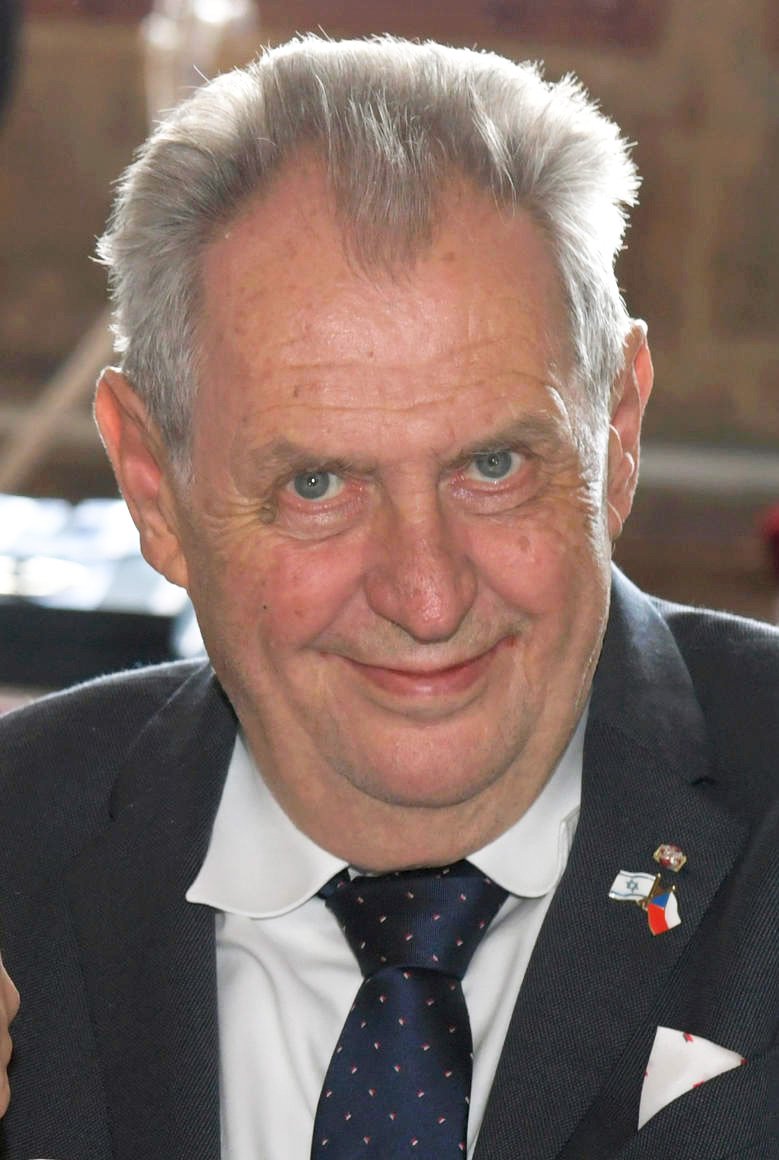
Illustrative photo: Osman Kavala at a commemorative event marking the centenary of the Armenian genocide near Taksim Square in Istanbul in 2015, two years before his arrest. Photo: Rupen Janbazian, CC BY-SA 4.0, Wikimedia Commons.
What hotinfo Is Watching
- Turkey released Osman Kavala from prison
- Turkish courts removed the effects of Kavala's conviction, which the ECtHR declared invalid
- Ankara paid the €70,000 in non-pecuniary damages awarded plus costs
- The Council of Europe's Committee of Ministers opened further non-compliance proceedings or moved to sanctions
- The judgment's general measures fed through into the cases against opposition local politicians, Ekrem İmamoğlu included