



The German government has approved a plan for a new tax on beverages with high sugar content. The coalition parties, the CDU/CSU Union and the Social Democratic Party of Germany (SPD), agreed on the measure. The proposal was prepared by Federal Minister of Finance Lars Klingbeil, and the cabinet approved it in a revised, milder form. Deutschlandfunk ↗
The tax is to apply to sweetened non-alcoholic beverages, which are expected to become more expensive in Germany from July next year. The measure is designed to have a two-tier structure, with the specific amount of the levy depending on the amount of sugar in the beverage. The details of the proposal are based on the specific legislative text submitted to the federal cabinet. n-tv ↗
Revenue from the new tax is meant to help stabilize contributions to statutory health insurance and reduce pressure on health insurance funds. Germany is thus joining several European countries that already tax sweetened beverages or similar products. Der Standard ↗
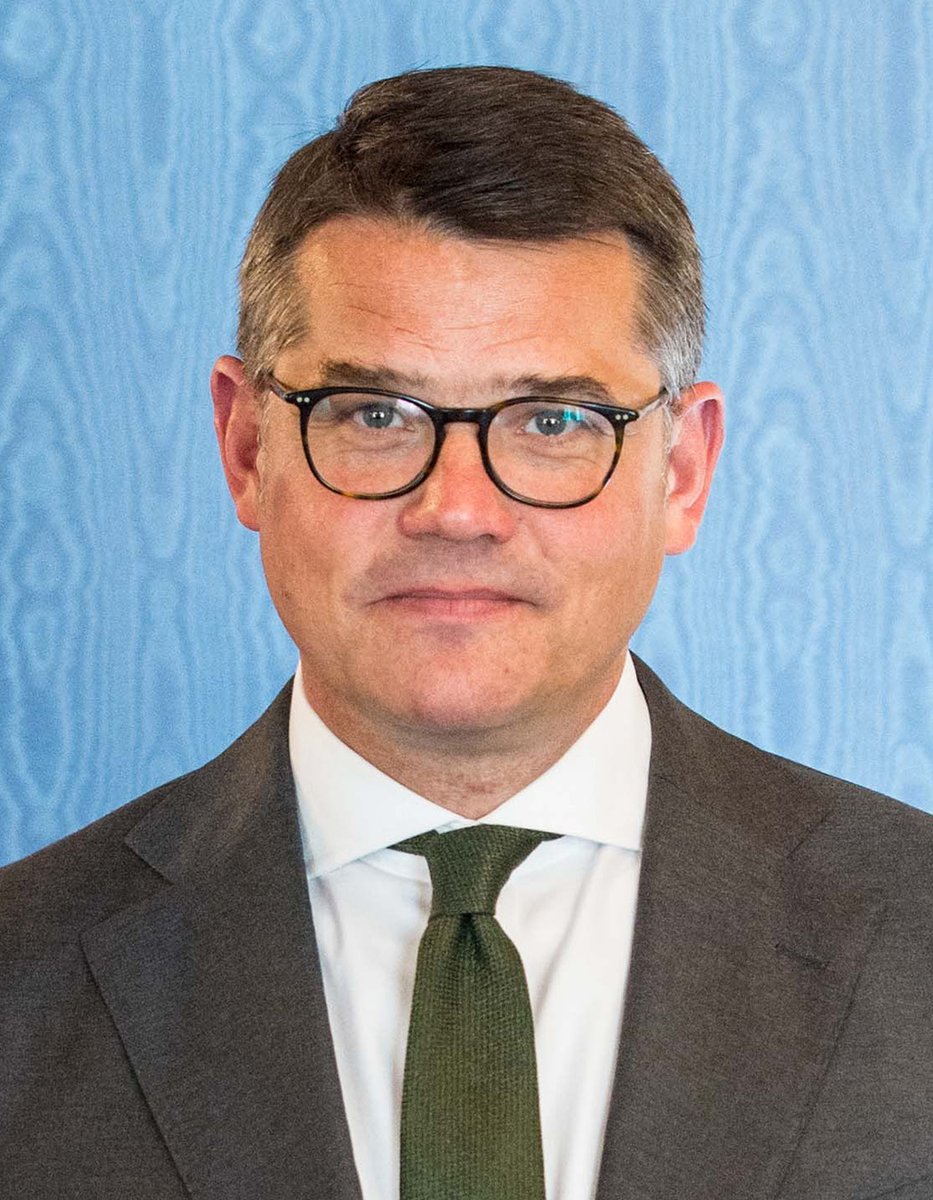
However, the proposal also faces criticism within the conservative Union. Hesse's state premier Boris Rhein described the plan as a "tax on the cost of living." Despite the disputes, the coalition agreement allowed the cabinet to approve it. Further progress will depend on the proposal's deliberation in the legislative process and on the final form of the rules for manufacturers and consumers. Tagesspiegel ↗
German government approves milder tax on sweetened beverages
This summary was generated by artificial intelligence. It may contain inaccuracies. Please verify information in the original sources below.
Sources (3)
🔥 You might also like
German Politics
After Bärbel Bas's departure, SPD will re-elect its entire leadership
Bärbel Bas stepped down as co-chair of the Social Democratic Party of Germany (SPD) and as federal labor minister. She cited her stepdaughter's death...
German Politics
Bärbel Bas resigns as SPD leader and minister
Bärbel Bas resigned with immediate effect from her post as federal minister of labour and co-chair of Germany's Social Democratic Party (SPD).

German Politics
Klingbeil Rejected Tax on Sugar-Free Drinks
German Finance Minister Lars Klingbeil rejected the claim that a planned sugar tax should also affect sugar-free drinks.
© HotInfo
Geographic locations
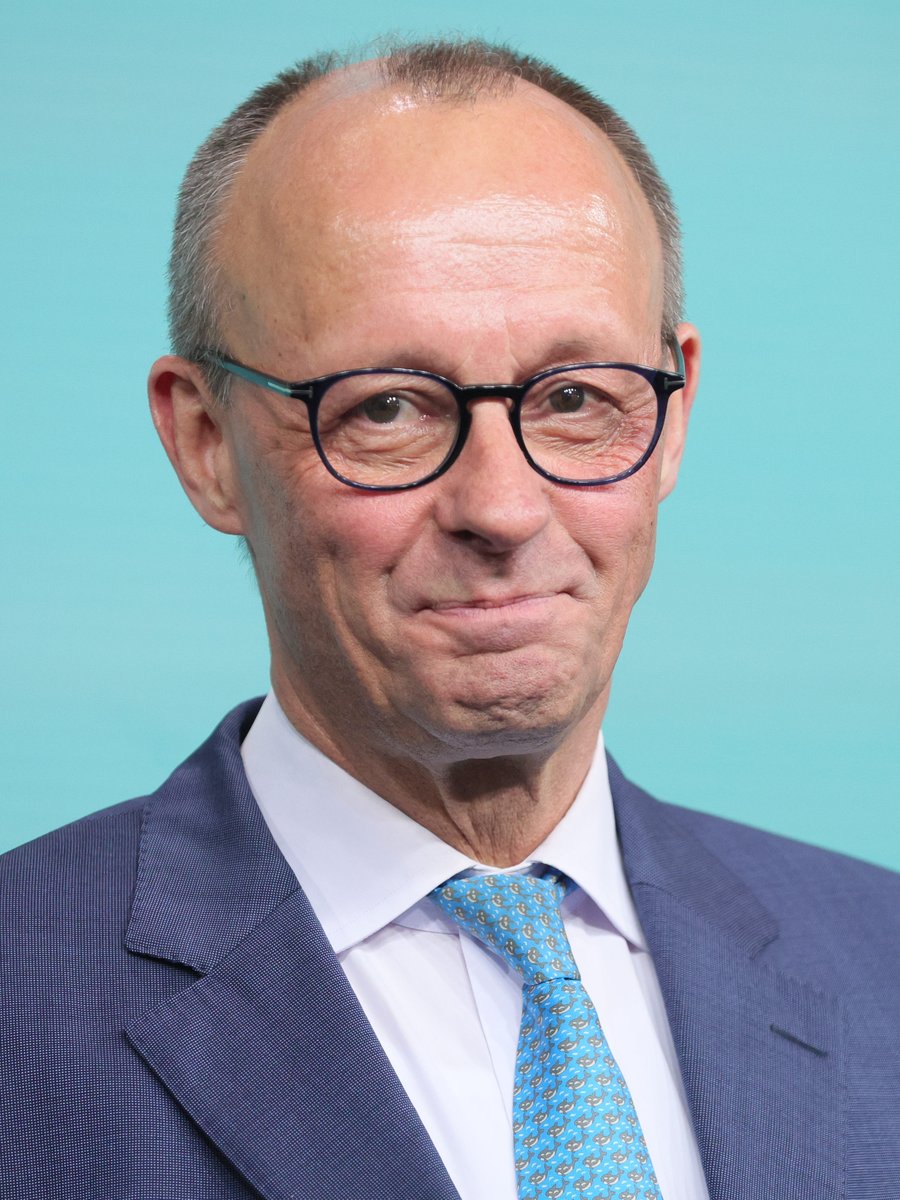
From our newsroom original
All →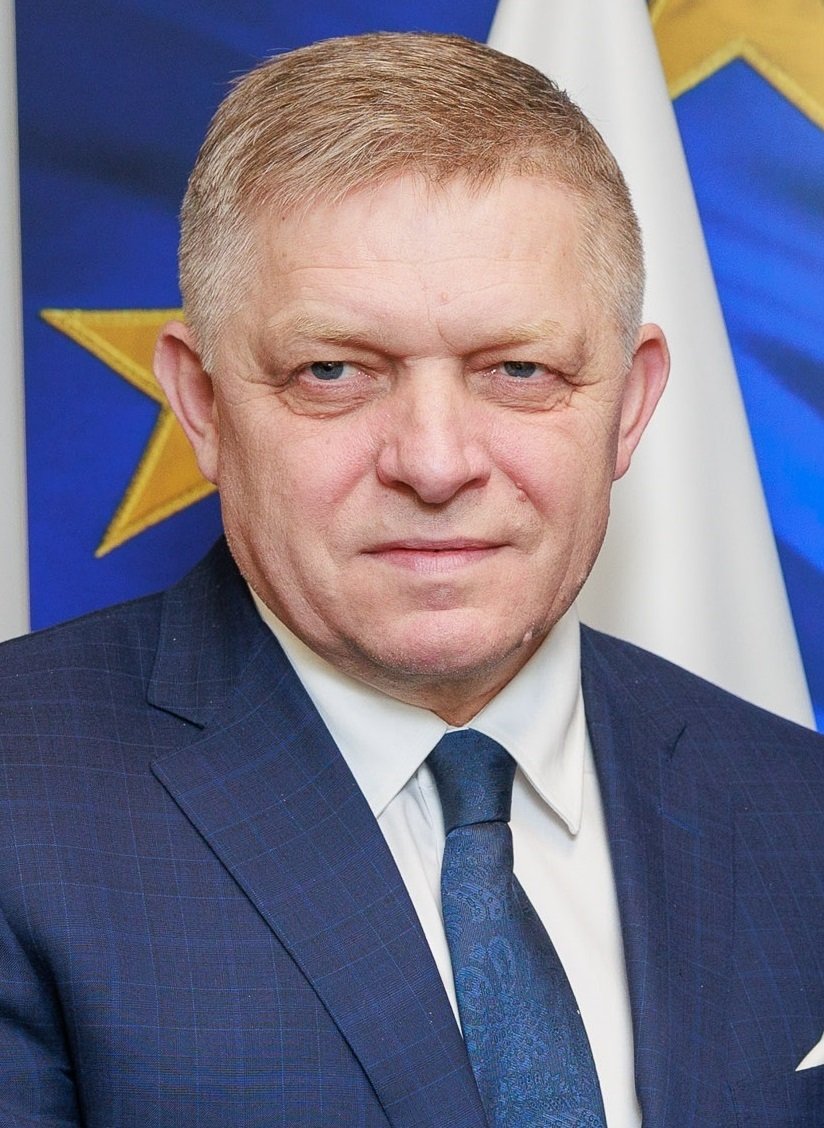
Fico left EU summit early, traveled to Serbia

Péter Magyar significantly leads Viktor Orbán in popularity
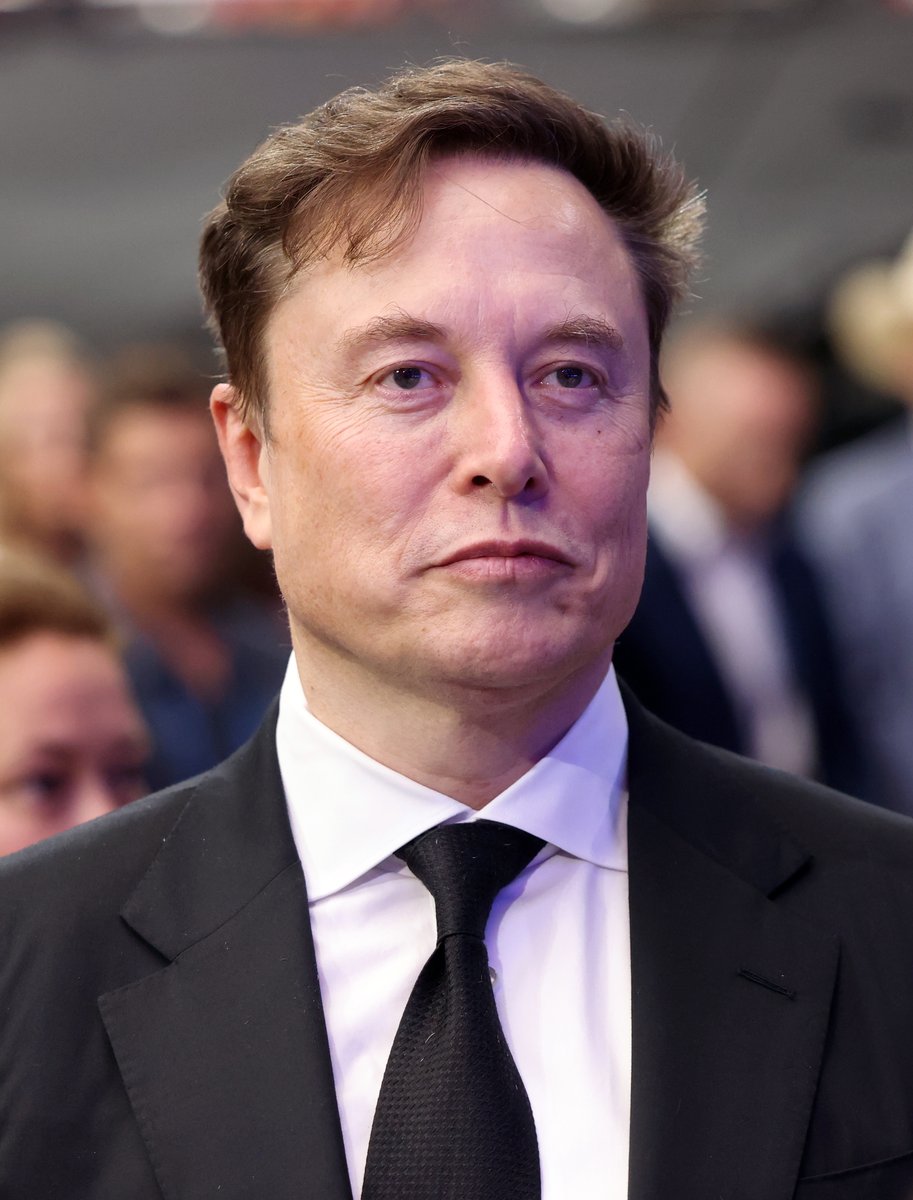
Tesla unveils flying Roadster with SpaceX technology
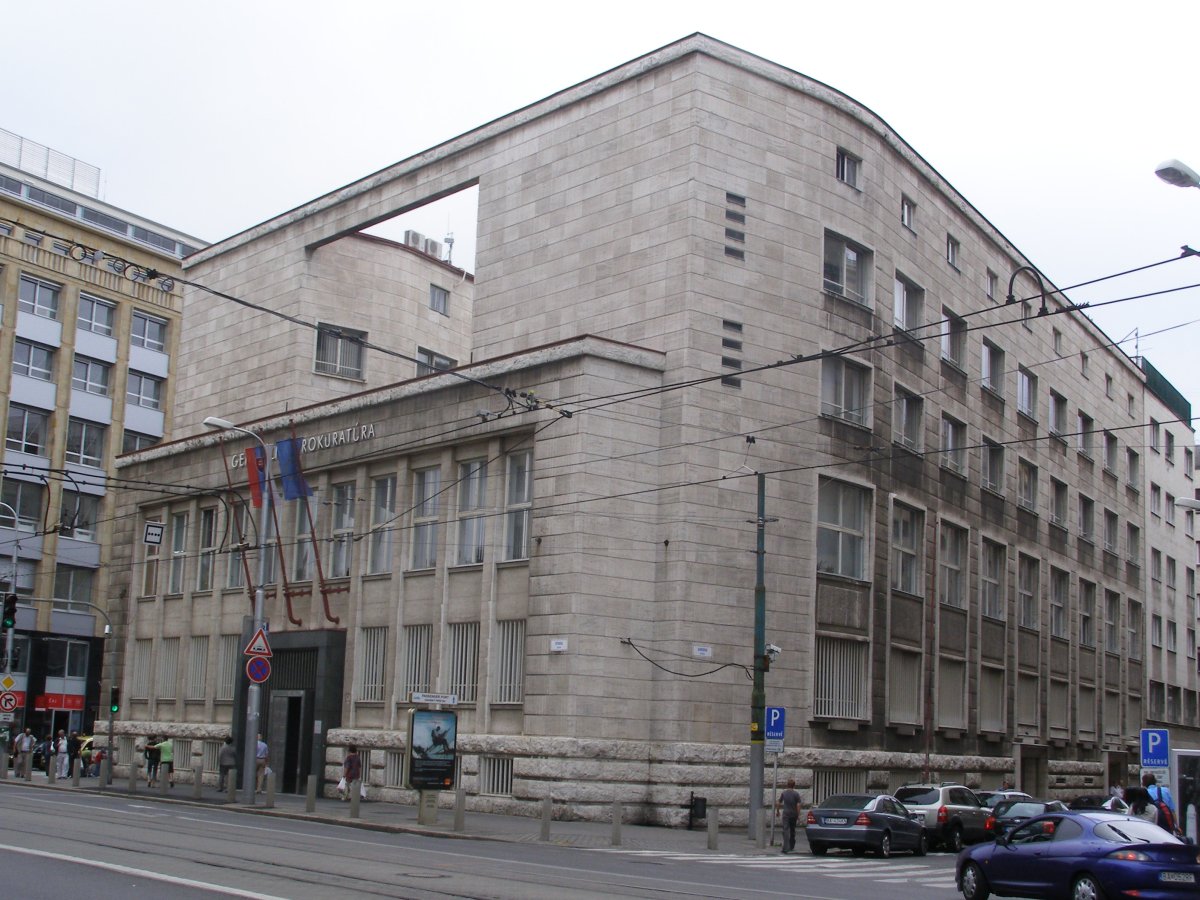
What Slovakia is writing about: The budget heads to final vote, Kamenický refuses to resign. Matovič could lose his bodyguard detail, Fico attacks Plaváková's wedding

What the Czech media are writing about: ANO lost in the big cities, support fell below thirty percent. Coalitions are bypassing it in many of them
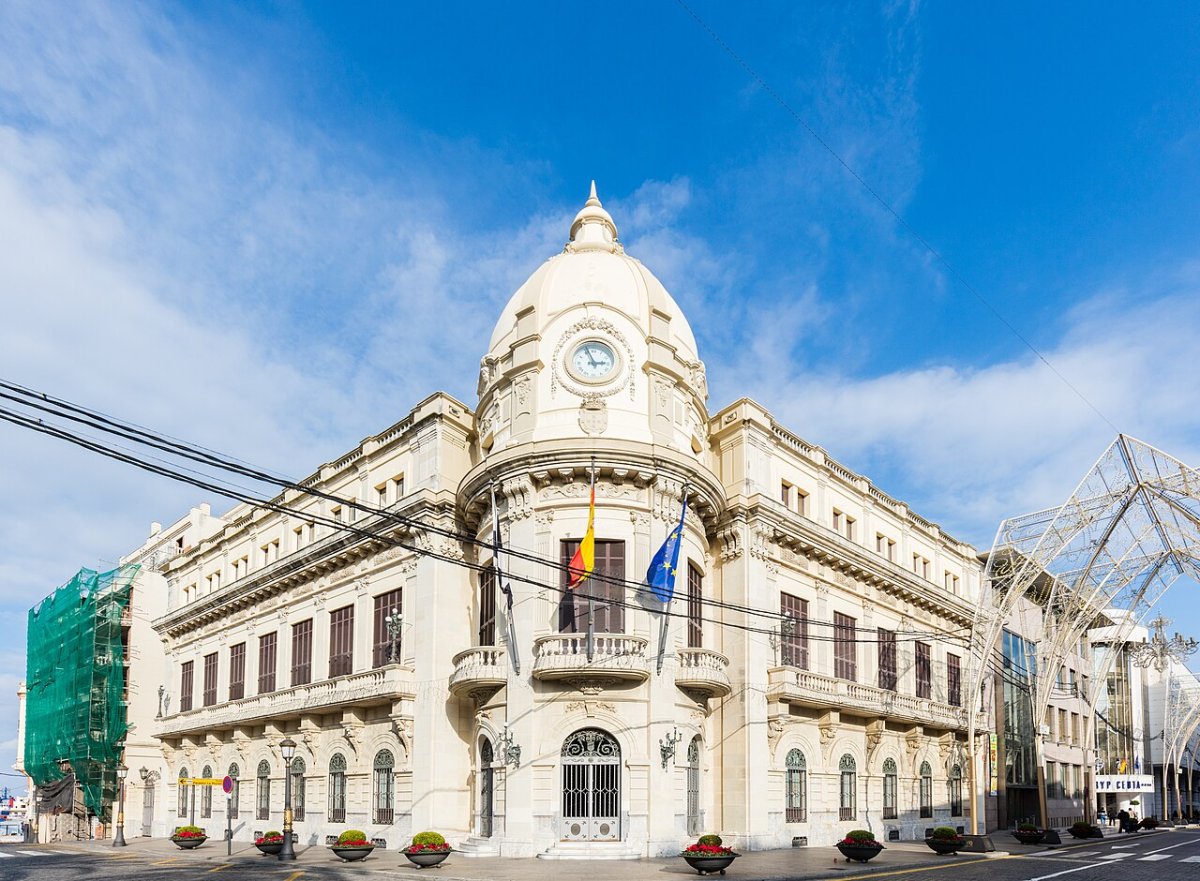
Felipe VI in Ceuta: Sánchez confirms, more than two months on, that Moroccan warships entered Ceuta's waters
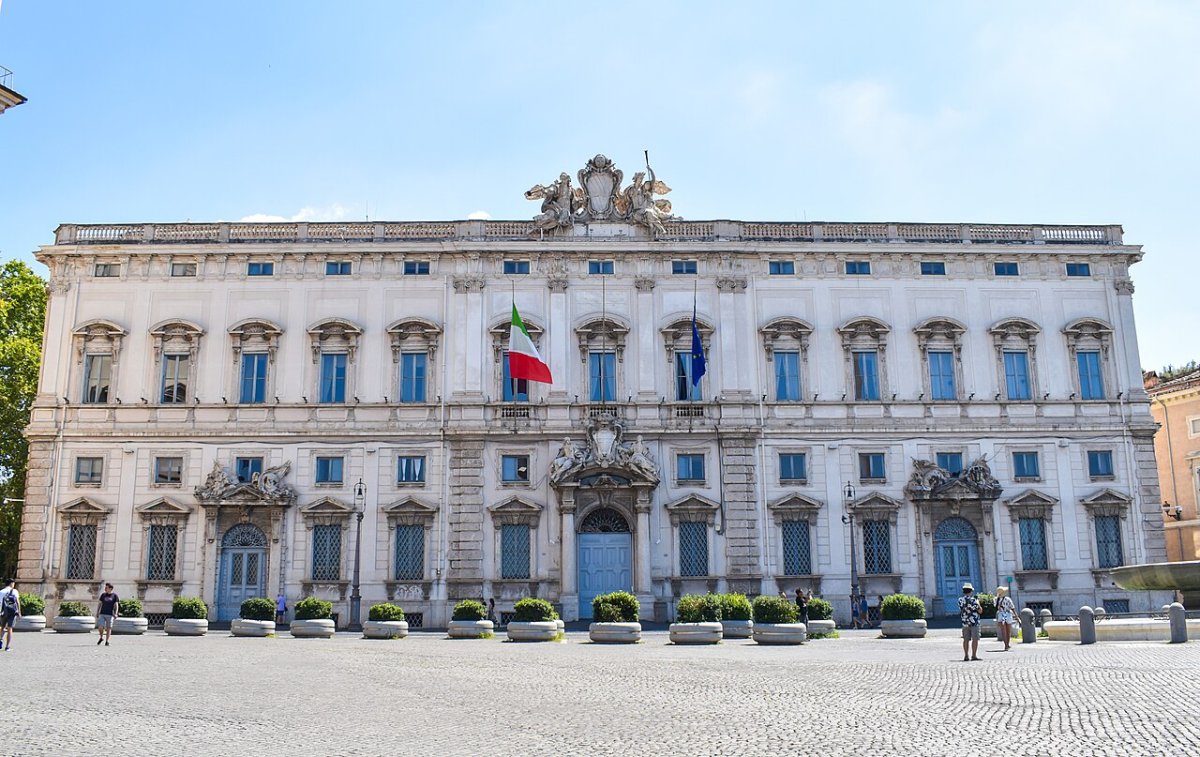
Meloni's electoral law: lawyers are preparing 30 lawsuits to the Constitutional Court, the ruling may come only after the elections

In Zurich, police were bombarded with rockets and stones, no one has been arrested yet