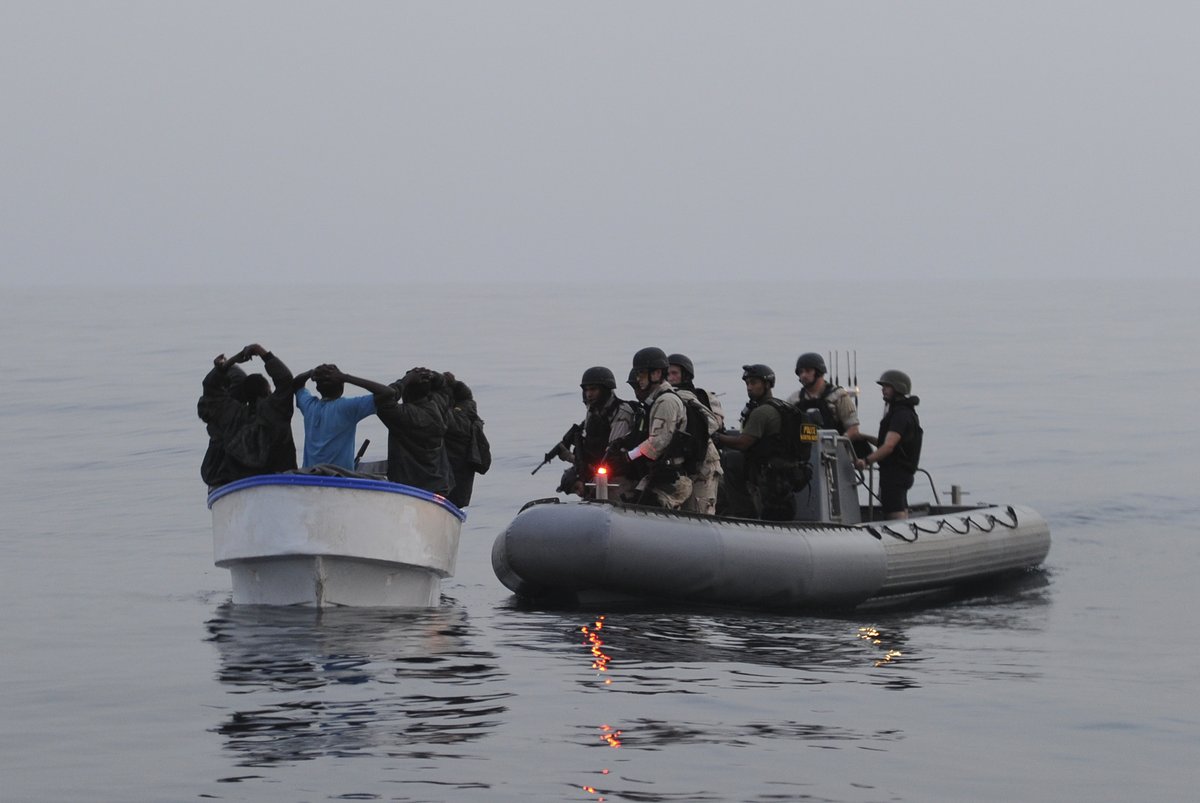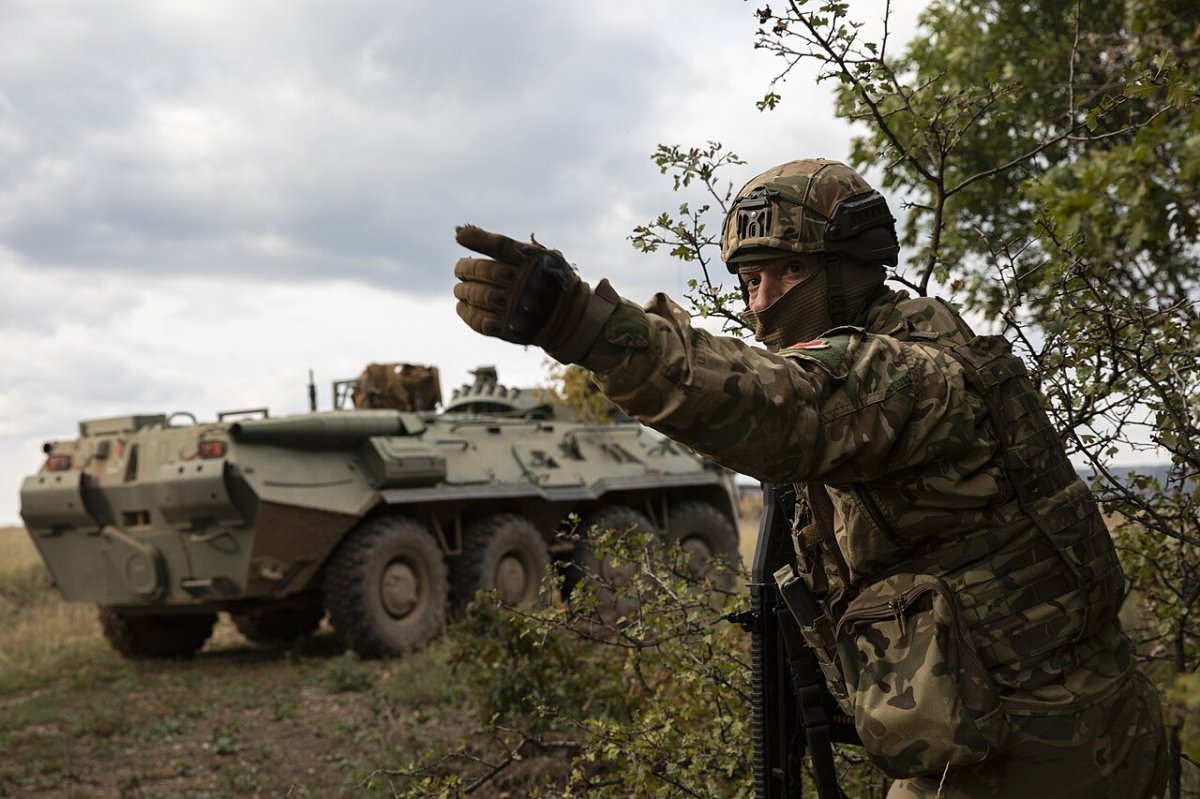






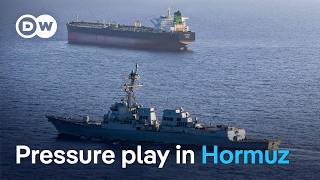
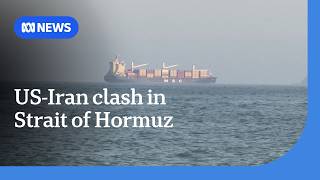
The US responded with precise strikes on the smokestacks of two Iranian tankers in the Gulf of Oman — according to Tehran, ten sailors were injured and five are missing. Donald Trump publicly called the strike a "love tap" and claims the ceasefire still holds. Seznam Zprávy ↗ The French carrier strike group Charles de Gaulle passed through Suez on May 6, heading toward Hormuz. iROZHLAS ↗
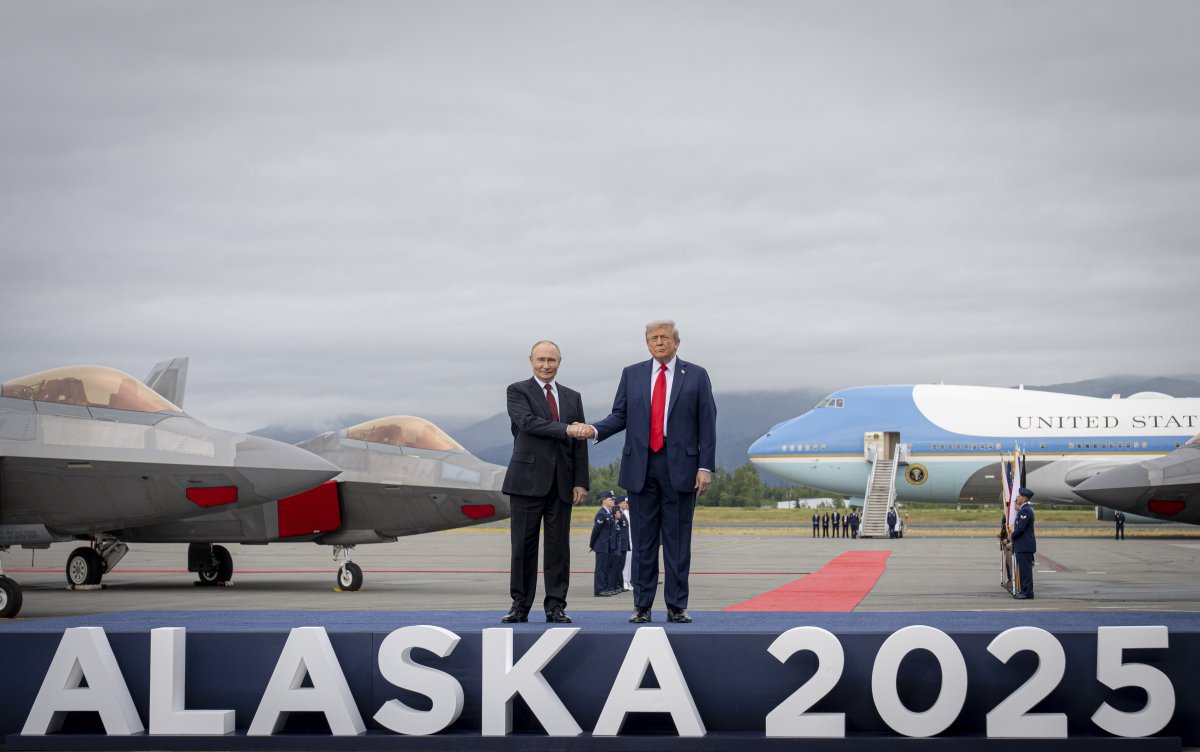
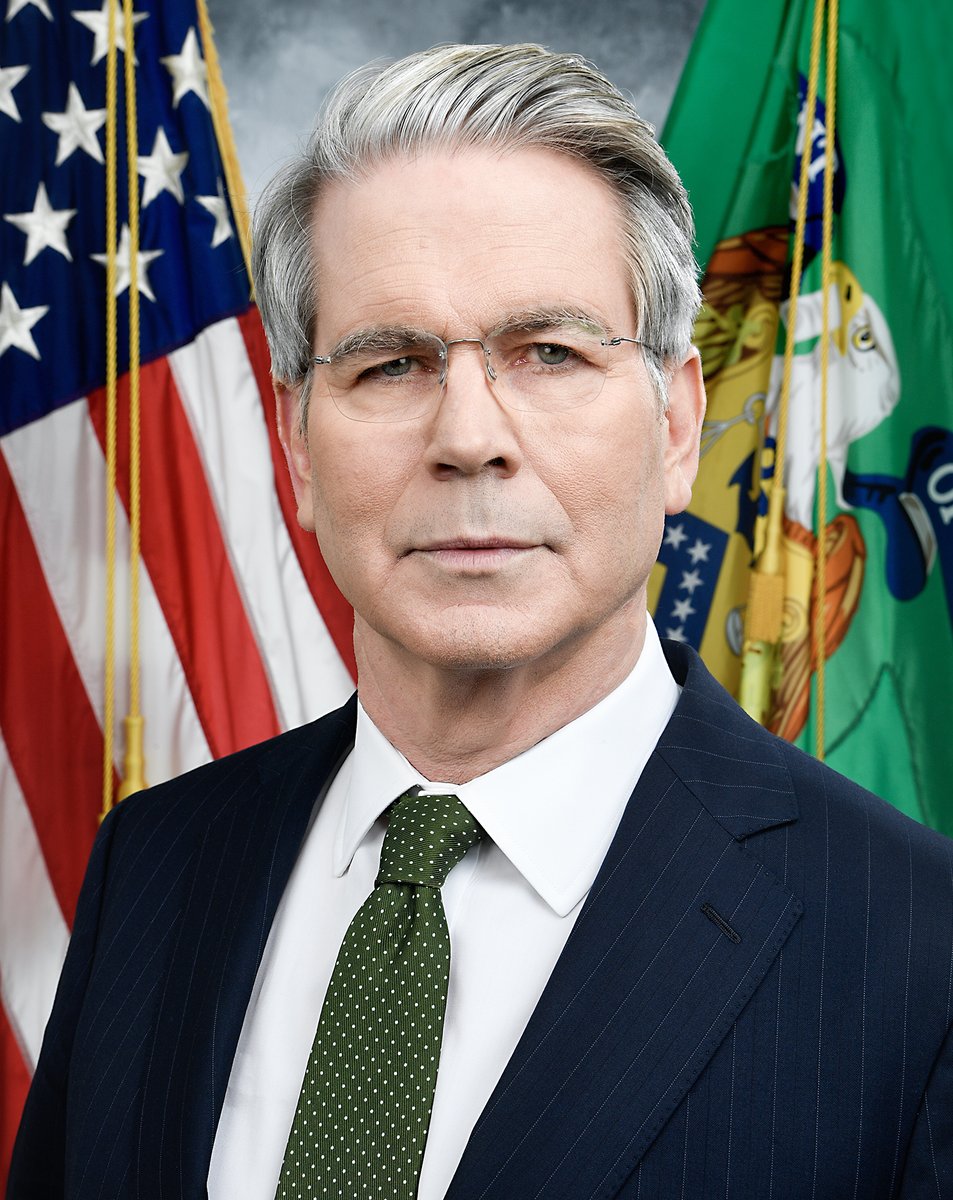
On Thursday, May 14, Trump begins a summit with Xi Jinping in Beijing — US Treasury Secretary Scott Bessent confirmed that Iran and Hormuz will be a key topic of the talks. Meanwhile, oil is being rerouted around the Horn of Africa, but Brent remains below $100.
Mokhber's "atomic bomb"
On Friday, May 8, Mohammad Mokhber, adviser to Iran's new supreme leader Mojtaba Khamenei, told the semi-state agency Mehr a sentence that made the rounds of newsrooms worldwide: "The Strait of Hormuz represents an opportunity as valuable as an atomic bomb. Having in your hands a position that allows you to influence the global economy with a single decision is a great opportunity." Times of Israel ↗ Mokhber promised that Tehran "will not relinquish the gains of this war" and will change the legal regime of the strait — "through international law if possible, unilaterally if not." In Slovak and Czech reproductions of the quote, his name is usually missing. aktuality.sk ↗Persian Gulf Strait Authority
Mokhber's words are the verbal wrapping of what the PGSA has been implementing since the first week of May. The Iranian semi-official agency has set up an office that issues crews with transit codes and fee assessments. A ship without approval does not get passage and must accept an escort by the Revolutionary Guards through a designated corridor. aktuality.sk ↗ One of the majlis deputies speaks of a sum of up to two million dollars per vessel. Lloyd's List Intelligence confirmed two cases in which carriers paid the fee. Meanwhile, transit through Hormuz has fallen from approximately 120 ships a day before the war to 40 ships a week. teraz.sk ↗Sea Star III and Sevda: second US strike in 24 hours
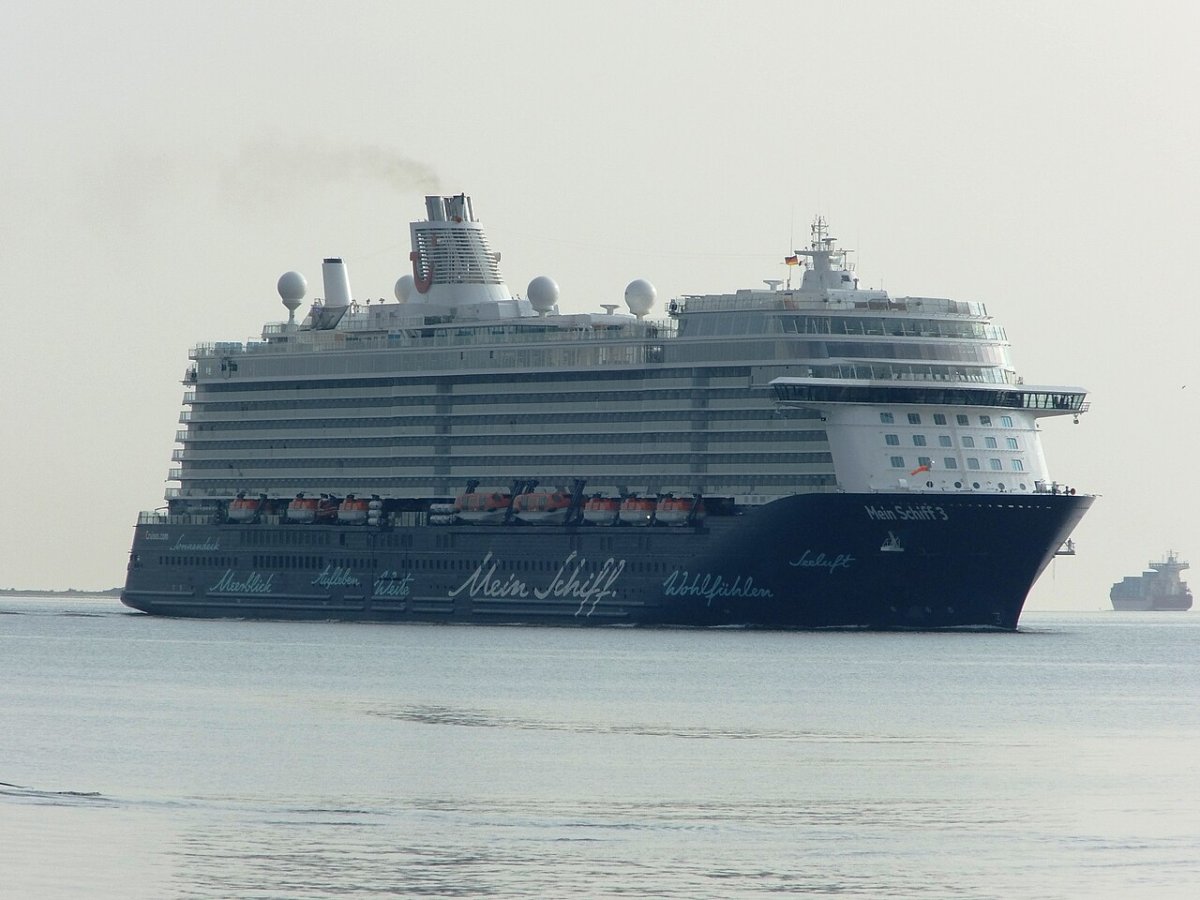
On the night of May 8–9, the US Navy knocked out two Iranian oil tankers — Sea Star III and Sevda — as they attempted to enter Iranian ports in the Gulf of Oman. The Pentagon released video showing precision munitions aimed at the vessels' smokestacks. The attack was the second in 24 hours. Iran's armed forces report ten sailors injured and five missing. HN online ↗ Iran's retaliation came during the day. The Revolutionary Guards seized the Barbados-flagged vessel Ocean Koi in the Gulf of Oman, and Iranian foreign ministry spokesman Esmaeil Baghaei warned that Tehran is "ready to respond to any aggression and adventurism." Al Jazeera ↗ The headline completes the picture: "Trump is already tired of the war with Iran, but Tehran can withstand American pressure for months to come." Startitup ↗Also read: The US struck Iranian targets in the Strait of Hormuz, Trump called the strikes just a "love tap"
Charles de Gaulle arrives
The French nuclear-powered aircraft carrier Charles de Gaulle passed through the Suez Canal on May 6 and is heading via the Red Sea toward Hormuz. The strike group carries 20 Rafale fighters, two Hawkeye radar aircraft, and three helicopters. The escort consists of the frigate FS Chevalier Paul, one to two FREMM-class frigates, and the refueling ship FS Jacques Chevallier. Paris emphasizes the defensive nature of the deployment — the goal is to "restore the confidence of shipping companies" — and is coordinating with Britain as well as the coastal states of the Persian Gulf. iROZHLAS ↗ Charles de Gaulle supplements the American group centered on the aircraft carrier USS Gerald R. Ford, for which WaPo published satellite images of 228 strikes on bases in the region.Also read: Ford has left, Charles de Gaulle is arriving. WaPo found 228 strikes on American bases in the region in satellite images
Ships around the Cape of Good Hope
Global container shipping has reoriented toward the route around the Cape of Good Hope. According to Lloyd's List Intelligence, this detour is now absorbing approximately 2.5 million TEU of the worldwide container fleet's capacity. According to iDNES, African ports gain nothing from it — ships stop only briefly, carrying their own fuel with them. iDNES ↗ China's oil imports fell by a fifth year-on-year in April Trend ↗, and German airports are preparing for a reduction in summer traffic due to a shortage of jet fuel Trend ↗.Sanctions and Beijing ahead of the summit
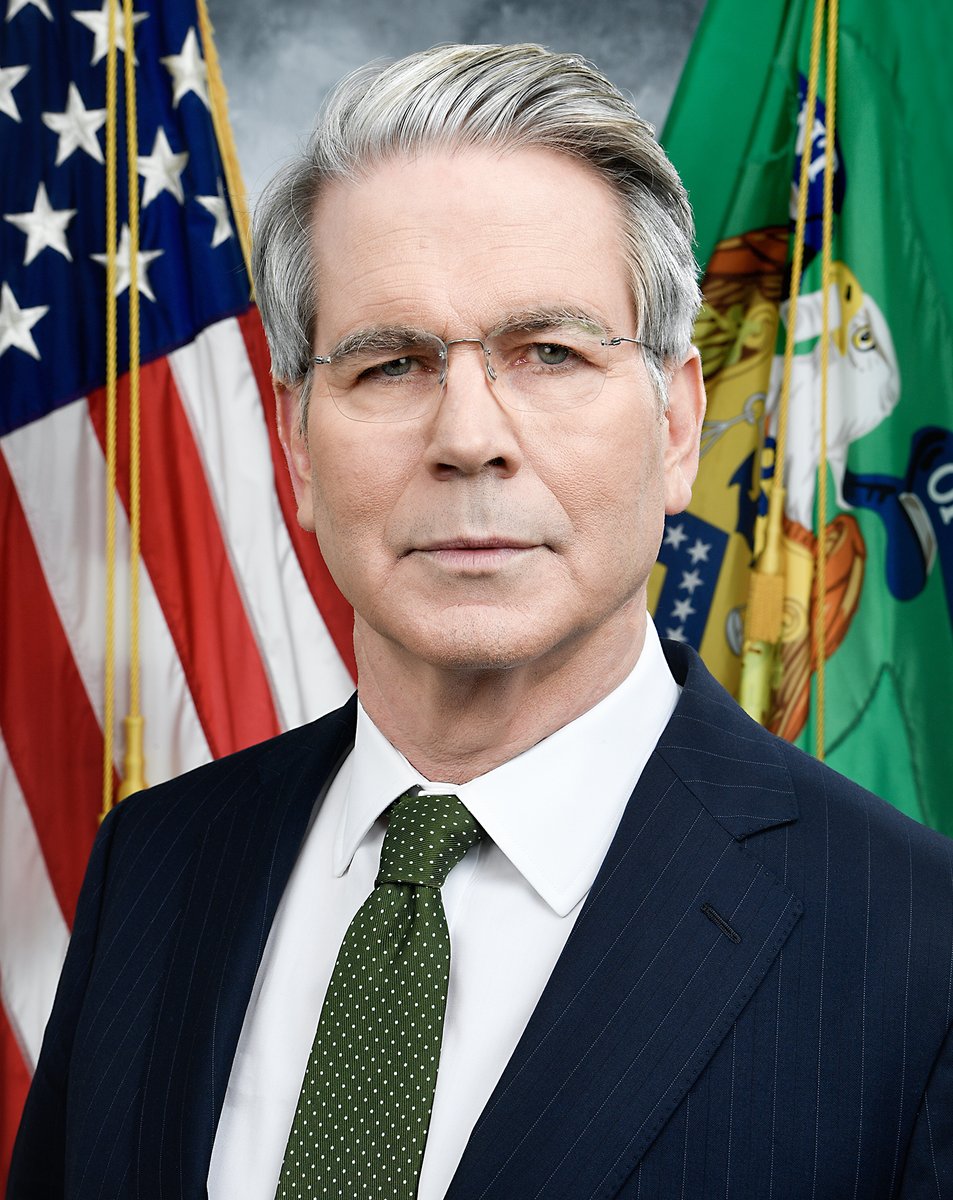
On May 9, the US Treasury Department imposed sanctions on ten individuals and companies helping Iran evade the embargo, including Chinese entities. aktuality.sk ↗ Pressure on Beijing is intensifying ahead of the summit — Trump arrives on Thursday, May 14, and according to Bessent, Iran will be the main topic. Meanwhile, Chinese Foreign Minister Wang Yi called on Tehran to "immediately end hostilities." Beijing is positioning itself as a mediator, calculating that an unresolved Iranian crisis gives it leverage in talks on tariffs and rare earths.Bahrain toughens up, Lavrov pushes the Emirates
Manama announced on Saturday the arrest of 41 people with alleged ties to Iran's Revolutionary Guards and the Wilayat al-Faqih ideology — Bahraini authorities had already conducted further rounds of raids in March and April, stripping 69 people of citizenship. SITA ↗ Russian foreign policy chief Sergei Lavrov called his Emirati counterpart that same day and urged him to have the United Arab Emirates "focus its energy on supporting" the US-Iran talks. According to the wording, Moscow "does not want to jeopardize the prospects for stabilization by renewing hostilities." Standard.sk ↗ The main mediating role, however, remains held by Pakistan — it is through Islamabad that meetings between US envoy Steve Witkoff and the Iranian side have taken place.Also read: Bahrain announced the arrest of 41 people over alleged ties to Iranian guards. Manama is also toughening up at home
Žiarovský: if Iran holds on to Hormuz, it will be a historic defeat for the US
A Slovak perspective was offered by commentator Andrej Žiarovský on the Postoj daily's podcast. The argument is simple: if Tehran retains control over Hormuz and manages to collect tolls there, it will be an unprecedented blow to freedom of navigation. "And since freedom of navigation is an important pillar of American global policy, the US's inability to keep Hormuz open will lead to a weakening of the United States' position in the world," Žiarovský states. Postoj ↗ Denník N, at the same moment, describes Hormuz as "the new front of global geopolitics." Denník N ↗What hotinfo is watching
- Trump-Xi Beijing May 14–15 — whether a memorandum ending the Iranian war will be signed before the summit, during it, or whether the summit will fail to finalize an agreement on Hormuz at all
- Persian Gulf Strait Authority — whether Iran's fee regime becomes legitimized through UNCLOS and the IMO, or remains a unilateral enforcement by the IRGC
- Brent below one hundred dollars — staying below the threshold will confirm that the market believes in the deal; a return above $105 signals the opposite
- Mojtaba Khamenei — whether the new supreme leader appears publicly or communicates exclusively through advisers like Mokhber
- UKMTO incidents in Hormuz — whether the series of attacks on commercial ships returns, or whether the weekend remains free of new incidents
- Israeli strikes in southern Lebanon — whether the exception to the ceasefire for the Lebanese part of the 14-point plan holds, or collapses amid further escalation