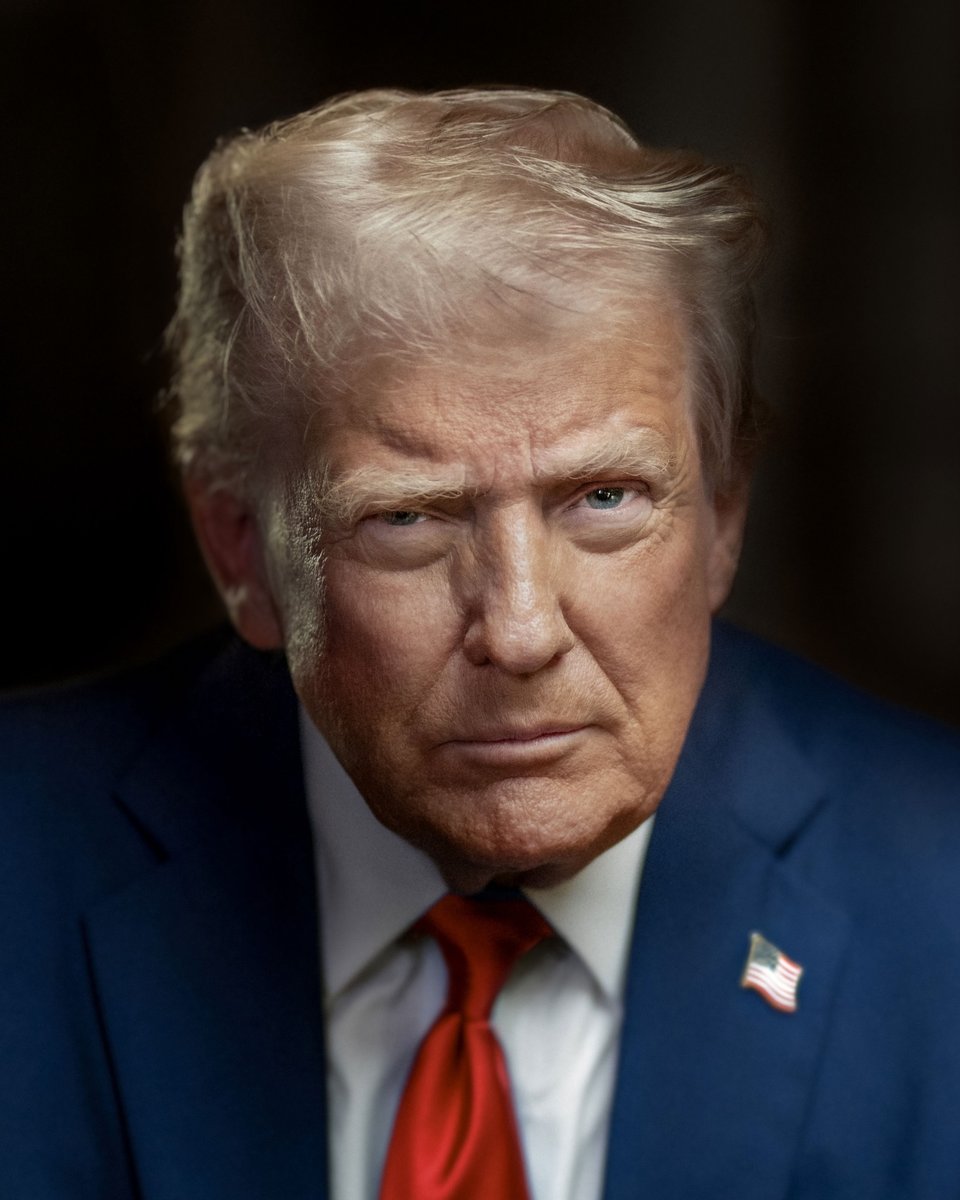






On the same day, the Washington Post published a satellite analysis according to which Iranian strikes since February 28 damaged or destroyed 228 targets at 15 American bases in the region — significantly more than previously reported by American newspapers. Washington Post ↗ Meanwhile, Donald Trump suspended the new American mission in the Strait of Hormuz — Project Freedom — after just one day, citing "great progress" in negotiations with Tehran. Axios ↗
228 strikes that previous reports missed
The Washington Post geolocated 128 satellite images that Iranian state media had published in recent weeks as evidence of their own successes, verified 109 of them via the independent European Copernicus system (Sentinel-2) and the commercial company Planet, and discarded 19. In a separate review of Planet imagery, it found ten additional damaged or destroyed structures beyond the Iranian images. The result: a map of 217 damaged buildings and 11 destroyed pieces of equipment — hangars, dormitories, fuel depots, aircraft, radars and air defense systems — across 15 bases. Washington Post ↗ Previous American reports cited substantially lower numbers: the New York Times mentioned 14 strikes, NBC News approximately a hundred across eleven bases, CNN sixteen. CENTCOM declined to comment and the Department of Defense redirected questions without a substantive answer. Middle East Eye ↗ Two analysts consulted, William Goodhind of the Contested Ground group and Mark Cancian of the CSIS think tank, described the Iranian strikes as precise and targeted at dormitories — Cancian noted that in the images "there are no random craters that would suggest off-target hits." Daily Beast ↗ The original images are primarily Iranian; independent verification was provided by the European Sentinel-2.Charles de Gaulle arrives after Ford
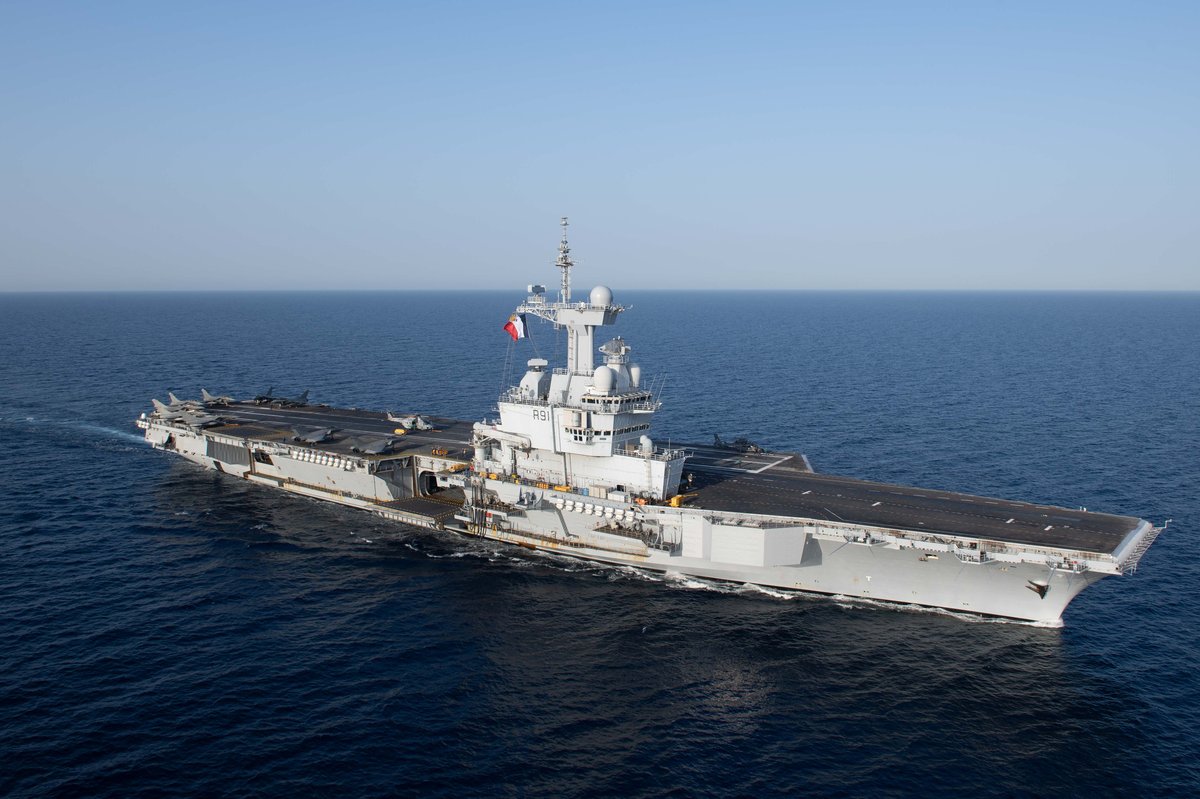
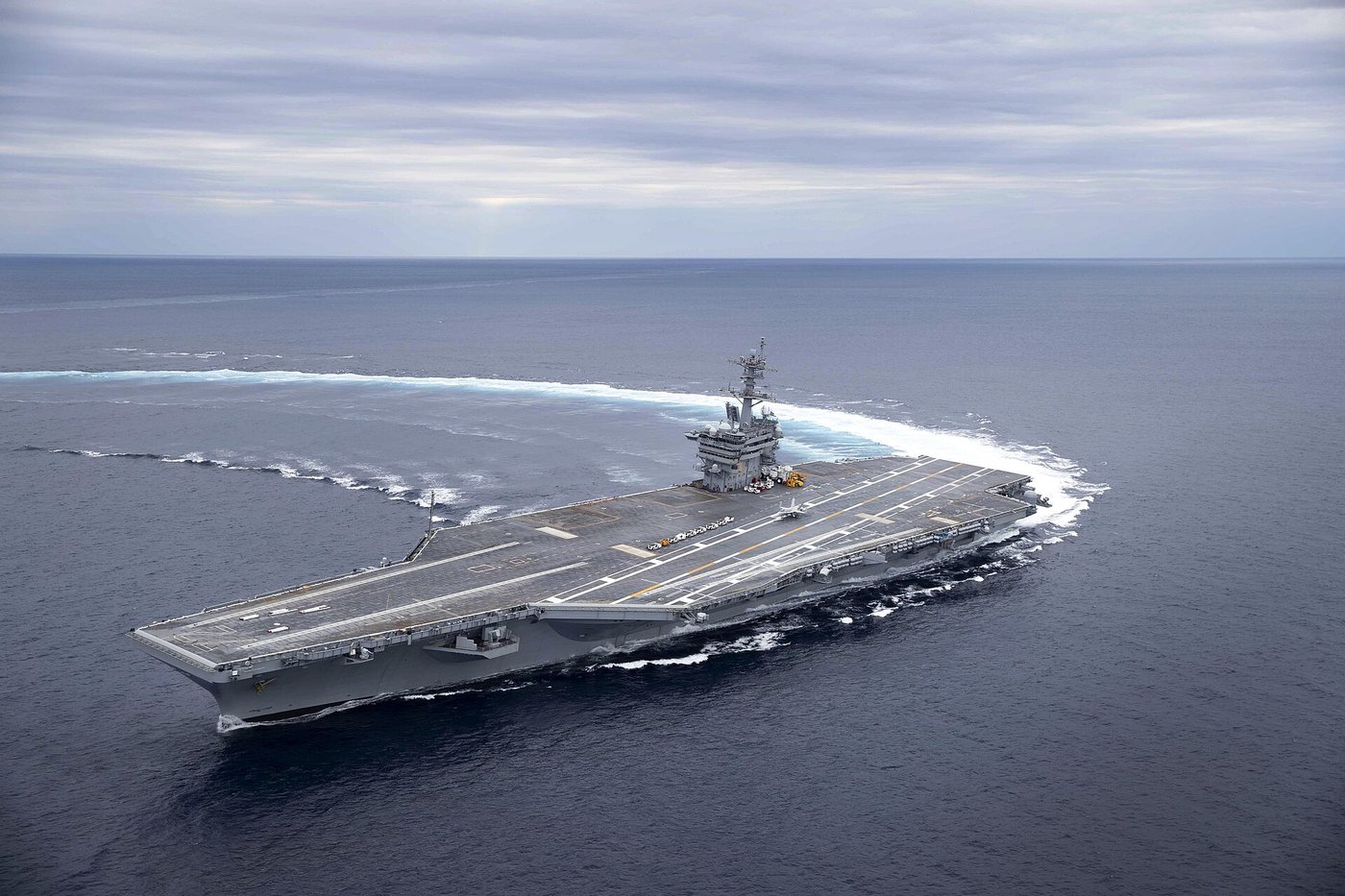
The French strike group, with 20 Rafale fighter jets, two E-2C Hawkeye early-warning aircraft and three helicopters, passed through Suez southbound on Wednesday. Defense News ↗ The French Ministry of Defense described the mission as "purely defensive" and focused on freedom of navigation; Paris and London are leading a coalition of more than forty states preparing to restore operations in the strait without American participation. According to Defense News, Donald Trump called the European allies "cowards" in this matter. Defense News ↗ While Ford, after 314 days of deployment, is heading home to Norfolk, two American aircraft carriers remain in the CENTCOM region — USS Abraham Lincoln and USS George H. W. Bush in the Arabian Sea, with the amphibious assault ship USS Boxer crossing the Indian Ocean toward the area. TWZ assesses that the pair of carriers would represent double the strike capacity should fighting resume. TWZ ↗ How this American presence will now be reconciled with the Franco-British mission remains an open question.Read also: The US fought a war with Iran, Europe is clearing the mines. The Pentagon called it their fight
Italian minesweepers and trade held hostage
Europe's role in reopening the strait is not symbolic. According to a continuously updated Wikipedia list, by May 5 there had been 38 documented Iranian attacks on merchant vessels in the strait — one sunk tugboat (Mussafah 2, March 6), two hijacked cargo ships on April 22, and at least twelve sailors dead or missing. Wikipédia: 2026 Strait of Hormuz crisis ↗ On Tuesday evening, American sources recorded a strike on the cargo ship CMA CGM San Antonio — likely by an Iranian cruise missile — with injuries among the crew. Naval News ↗ The security problem is therefore rapidly turning into a European maritime and trade agenda. On April 24, Italy announced the deployment of four vessels — two minesweepers, an escort frigate and a logistics ship — from the port of La Spezia, with a transit to the region of approximately four weeks; Britain, Belgium and the Netherlands will join with vessels already operating closer to the region. Euronews ↗ Oil prices are reacting quickly: Brent closed at $109.87 a barrel on Tuesday, May 5, after weeks in a range from $100 to a recent April peak of $126; on Wednesday, following news of a possible deal, it dropped more than six percent and fell below $100 intraday. CNBC ↗ NBC News ↗The Pakistani postman: Hormuz first, then the nuclear issue
Trump suspended Project Freedom on Tuesday evening — just one day after its launch — citing in a statement a "request from Pakistan and other countries" and "great progress" toward a "comprehensive and final agreement" with Tehran. Axios ↗ NPR ↗ The diplomacy is being led by presidential envoys Steve Witkoff and Jared Kushner, with Pakistani Prime Minister Shehbaz Sharif acting as intermediary. Iranian Foreign Minister Abbas Araghchi — in quotes carried by Al Jazeera — described Project Freedom as "Project Deadlock" and stressed that "there is no military solution to a political crisis." Al Jazeera ↗ Al Jazeera itself notes analytically that the US appears to be accepting the Iranian sequencing of "Hormuz first, the nuclear program later": Marco Rubio spoke on Tuesday of "the military phase being behind us," while Iran's Foreign Ministry confirmed that "at this stage we have no nuclear negotiations." Andreas Krieg of King's College London described this to Al Jazeera as "a diplomatic concession to Tehran." Hegseth also confirmed that the ceasefire "is holding for now" and that the American blockade of Iranian ports continues. CBS News ↗Read also: Pakistan as postman, Vance in reserve. The US and Iran won't sit at the same table in Islamabad
Who time favors
Several fixed dates are pressuring the negotiations. Trump has a summit with Xi Jinping on May 14-15 — according to Al Jazeera, Beijing absorbed eighty percent of Iran's oil exports in 2025, so American pressure on the Chinese intermediary carries its own weight. CNBC ↗ The Hajj begins on May 25 — approximately 1.8 million pilgrims are expected to cross through Saudi Arabia by sea and by land, which naturally pushes Tehran toward de-escalation. This creates a narrow window for Witkoff and Araghchi. If a deal does not come by the end of May, the offer loses its relevance: the pilgrimage cannot be safely sustained without a functioning strait. Iran's 14-point offer — according to Al Jazeera — declares an end to the war within thirty days, lifting of the blockade, release of frozen assets, removal of sanctions, and a new regime for managing the strait. Al Jazeera ↗ Europe is not yet at the center of the negotiations, but its ships will be in the region at precisely the moment when diplomacy either seals a ceasefire or fails.What hotinfo is watching
- Coalition mandate without the UN. Will the Franco-British strike group's operation be built on a bilateral agreement with Pakistan or Saudi Arabia, or will there be an attempt at a UN Security Council resolution, where Russia and China could block it?
- Bundestag and the German drill in Fulda. Berlin has so far only conditionally declared a mandate for convoys in the Strait of Hormuz; the vote is scheduled after parliamentary activity resumes.
- Italy's 4 ships leaving La Spezia within the coming days; Admiral Berutti Bergotto has announced the exact departure as an open matter.
- Athens meeting of foreign ministers on Monday — the outcome is a signal of whether the Europeans agree on a shared mandate or each stands behind its own flag.
- Brent price. A quiet market indicator — staying above one hundred dollars a barrel signals that trade considers the strait unstable; a drop below that threshold would show that negotiations are yielding results.
- Congress and the War Powers Resolution. How Democrats and Republican senators react to Trump declaring an end to hostilities after 60 days while simultaneously launching Project Freedom, with operations continuing.