



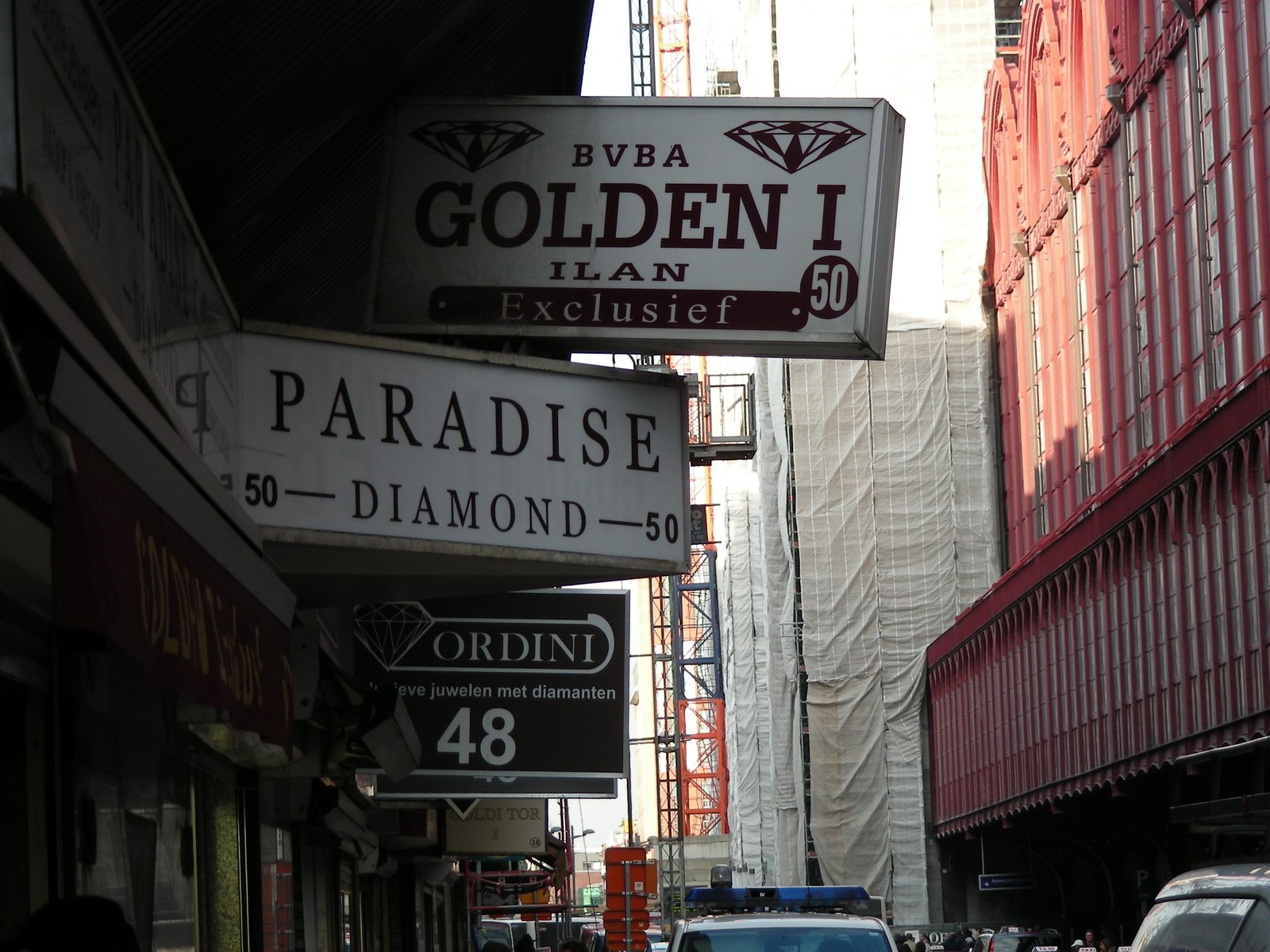
The question at hand is not about the price, but about the timeline. The ring was handed over by the president of the Antwerp World Diamond Centre (AWDC) to the American ambassador to Belgium, Bill White, on June 28 as a gift for the 250th anniversary of American independence. On July 24 — twenty-six days later — the Trump administration added European natural diamonds to the list of exceptions from tariffs imposed under Section 301. The sector thereby returned to the zero tariff rate it had previously held after six months. AWDC ↗ Het Laatste Nieuws ↗
"It looks at the very least like a very transparent attempt at bribery," wrote Senator Elizabeth Warren of Massachusetts and Senator Richard Blumenthal of Connecticut in a letter dated August 10. Belgian newspaper De Morgen summarized their phrasing as "cartoon-like corruption." The letter is addressed to AWDC president Isidore Mörsel and jeweler David Gotlib, who made the ring. De Morgen ↗ senators' letter ↗
Who Is Actually at Risk Here
The letter is not addressed to the White House, but to representatives of the Antwerp diamond sector — and that is the crux of the matter. The senators warn that the gift raises questions under American federal bribery law and that the addressees could face criminal sanctions. This framework can apply to both the giver and the recipient if it were proven that it was intended as consideration for an official decision. Common Dreams ↗The senators also recall the constitutional clause on emoluments, which prohibits the president from accepting gifts from foreign states without Congressional consent. Yet a legal question arises here: the AWDC is an industry interest association, not a state body. This is so far an argument made by the senators, not an established violation — none of those involved face charges. Common Dreams ↗
By August 24, the letter's addressees have until then to answer a series of questions: what was the ring's actual value, who paid for it, and whether any discussions about tariffs took place with the American administration before the tariff exemption was announced. Reuters via AOL ↗
The White House denies that the gift influenced the tariff decision — spokesman Kush Desai publicly denied it. The senators have not yet received a formal response to the letter, and the AWDC has not responded either. The association previously stated that it provided background information to the European Commission on tariff negotiations and did not itself lobby the American administration. Common Dreams ↗ Euronews ↗
Why This Matters from Central Europe
Antwerp remains Europe's main hub for unprocessed diamond trade even after part of the cutting operations shifted to India. The case is therefore interesting beyond American domestic politics: it shows what political risk arises when a sector gift to the American president coincides in time with a tariff exemption that the same sector was seeking. If American authorities were to conclude that these two things are connected, the consequences would affect not only Washington but also the European actors who arranged the gift.Section 301, under which the exemption was granted, is a tool with which Washington pressures trading partners across the Union. The Belgian case is thus not just about one ring — it is also about how individual sectors behave in such a tariff regime when the European Commission negotiates commercial policy on behalf of member states.