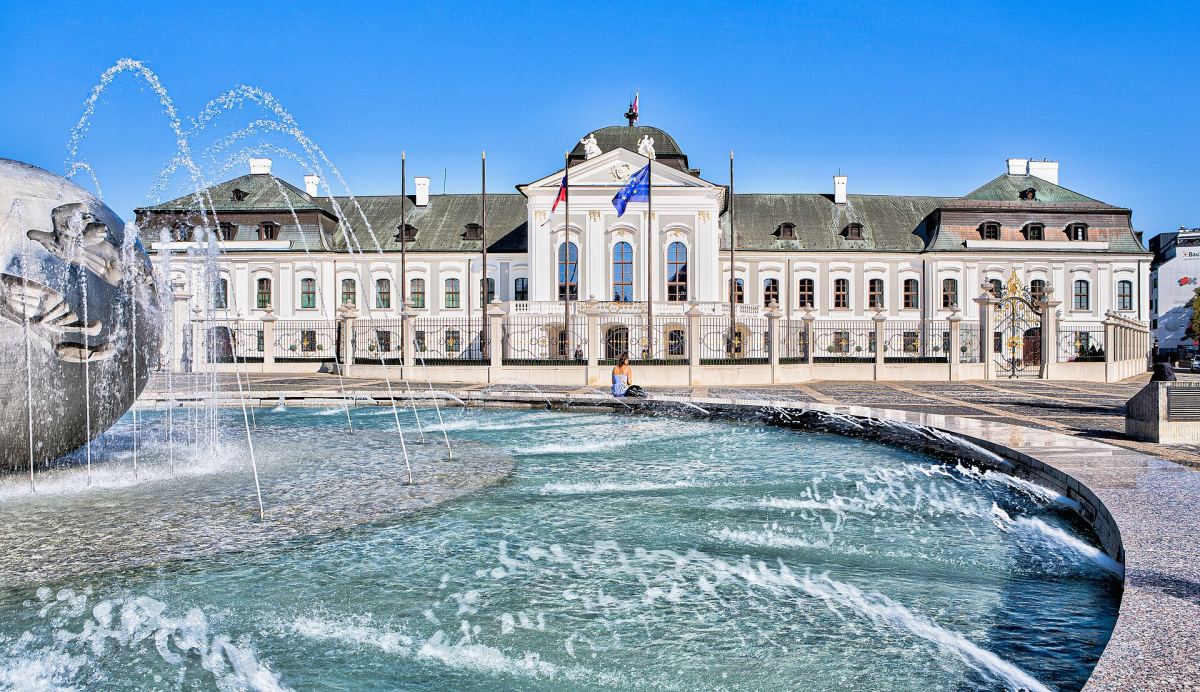



The film tells the story of Ján Golian, the commander who prepared the Slovak National Uprising and later led the insurgent army. The first clapperboard fell last year at the Grasalkovič Palace in Bratislava, the building that served as the residence of Slovak State president Jozef Tiso from 1939 to 1945. The film is set to reach Slovak cinemas on October 8. STVR ↗
Key actors — tap for context

Ján Golian
A Slovak officer and Czechoslovak brigadier general. He prepared the armed uprising against the Slovak State regime, commanded the insurgent army after it broke out on August 29, 1944, and was replaced in command by Rudolf Viest in October. He was born in 1906 and probably died in 1945.
Why here: The film's title character.
More info →Juraj Štepka
A Slovak director, co-screenwriter and producer, son of playwright and Radošinské naivné divadlo founder Stanislav Štepka. General Golian is his feature-length directorial debut.
Why here: The film is also his third work about the uprising, after the TV series Moje povstanie 2 and the short film Mlčanie.
Ondrej Hraška
A Slovak actor who, before General Golian, was not a well-known media figure.
Why here: He was deliberately cast in the title role as an unfamiliar face, so audiences wouldn't associate him with other characters.

Anna Fialová
A Czech actress who, after marriage, also performs as Anna Prášilová Fialová.
Why here: She plays Golian's wife, Jarmila.
More info →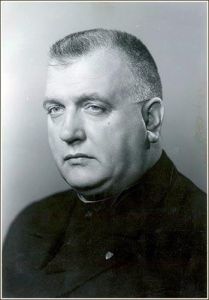
Jozef Tiso
A Catholic priest and president of the Slovak State from 1939 to 1945, i.e. the wartime satellite of Nazi Germany. After the war he was sentenced to death and executed in 1947.
Why here: The Slovak State president's residence was the Grasalkovič Palace, where filming took place.
More info →
Grasalkovič Palace
An axially symmetrical Rococo building on Hodžovo námestie in Bratislava, today also known as the Presidential Palace. It was built in the 18th century, served as the residence of the Slovak State president from 1939 to 1945, and has housed the President of the Slovak Republic since 1996.
Why here: The film's first clapperboard fell there.
More info →
Rudolf Viest
A Czechoslovak divisional general who took command of the insurgent army from Golian on October 7, 1944. The only Slovak general to hold the rank of army general in memoriam.
Why here: He was captured together with Golian.
More info →Jarmila Golianová
Golian's wife, a Czech. Their son Ivan was born in 1944.
Why here: Her recollections are among the sources the filmmakers drew on to shape Golian's likeness and manner of speech.

Cinematik
An international film festival held annually in Piešťany since 2006, during the second week of September. It is described as Slovakia's largest film festival.
Why here: Its 21st edition was opened by the world premiere of General Golian.
More info →
Peter Konečný
A Slovak film critic and editor-in-chief of the Kinema.sk portal, a member of the Cinematik festival's programming team.
Why here: He spoke about the opening film to the TASR news agency.
More info →
STVR
Slovak Television and Radio, the public broadcaster.
Why here: It is a co-producer of the film and is also set to broadcast it later.
More info →Nehera
A clothing brand founded in Prostějov in 1923 by Jan Nehera. The company also had production in Trenčín and was, in the 1930s, one of the largest clothing companies in Czechoslovakia. Today's Nehera is Slovak, revived in 2014.
Why here: It designed and made the dresses for all the female characters in the film.
Flossenbürg
A Nazi concentration camp built by the SS in May 1938 in the village of the same name in Upper Palatinate.
Why here: According to available knowledge, both Golian and Viest died there.
More info →The palace where the first clapperboard fell
Filming began on Friday, August 8, 2025. The choice of location was no accident, and access to the building presumably wasn't either: among the partners who supported the film, alongside the Audiovisual Fund, the Ministry of Transport and three self-governing regions, is also the Office of the President of the Slovak Republic. STVR ↗The story of one of the leading figures of the anti-fascist resistance was thus filmed behind the walls from which, during the war, the very power he opposed was directed. According to the daily Plus 1 deň, some of the key scenes were shot there too, and the palace itself published behind-the-scenes footage on its Instagram profile. Plus 1 deň ↗
The building has served several purposes over the years. The Rococo palace was built in the 18th century for Count Anton Grasalkovič; it was only converted into the president's residence in the first half of the 1940s, to a design by Emil Belluš, after the war it housed a house of pioneers and youth, and it became the residence of the President of the Slovak Republic only in 1996. Wikipédia ↗
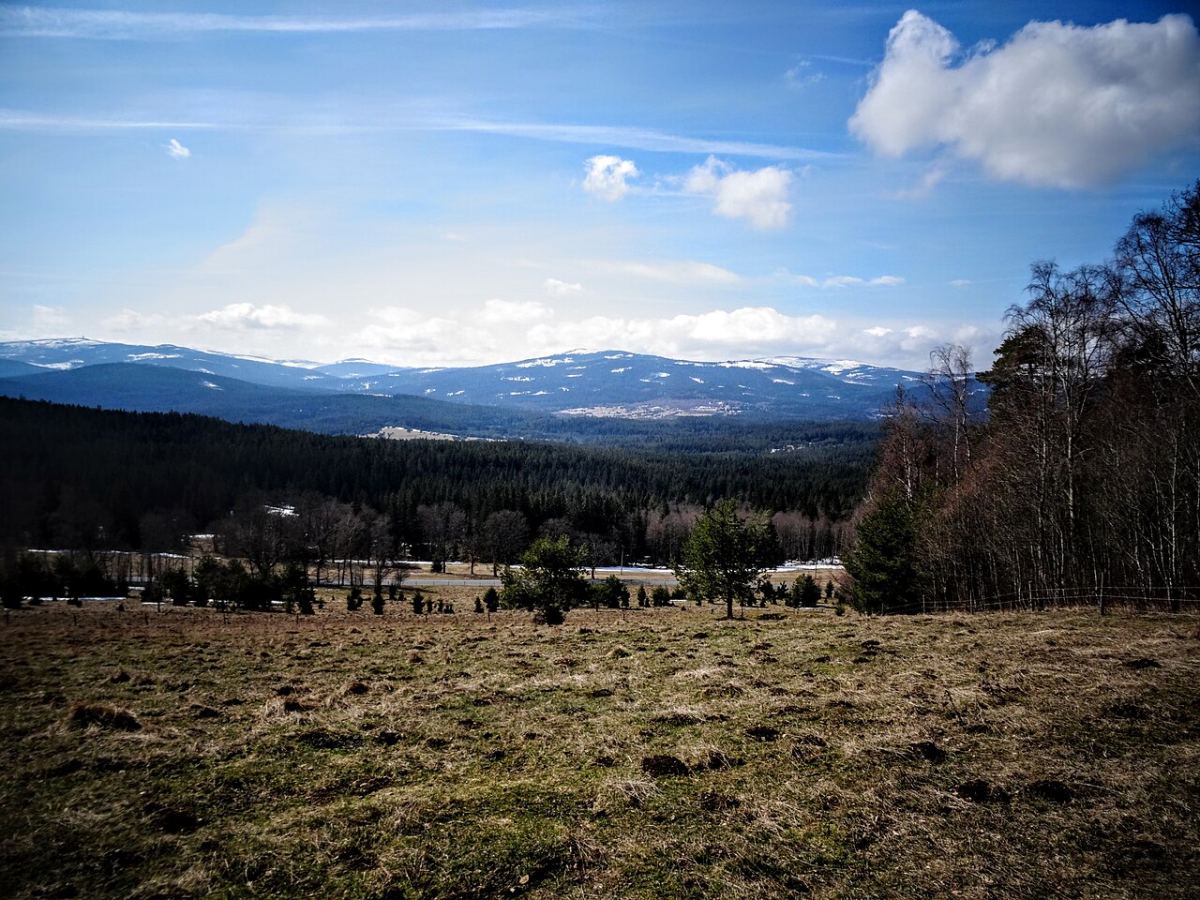
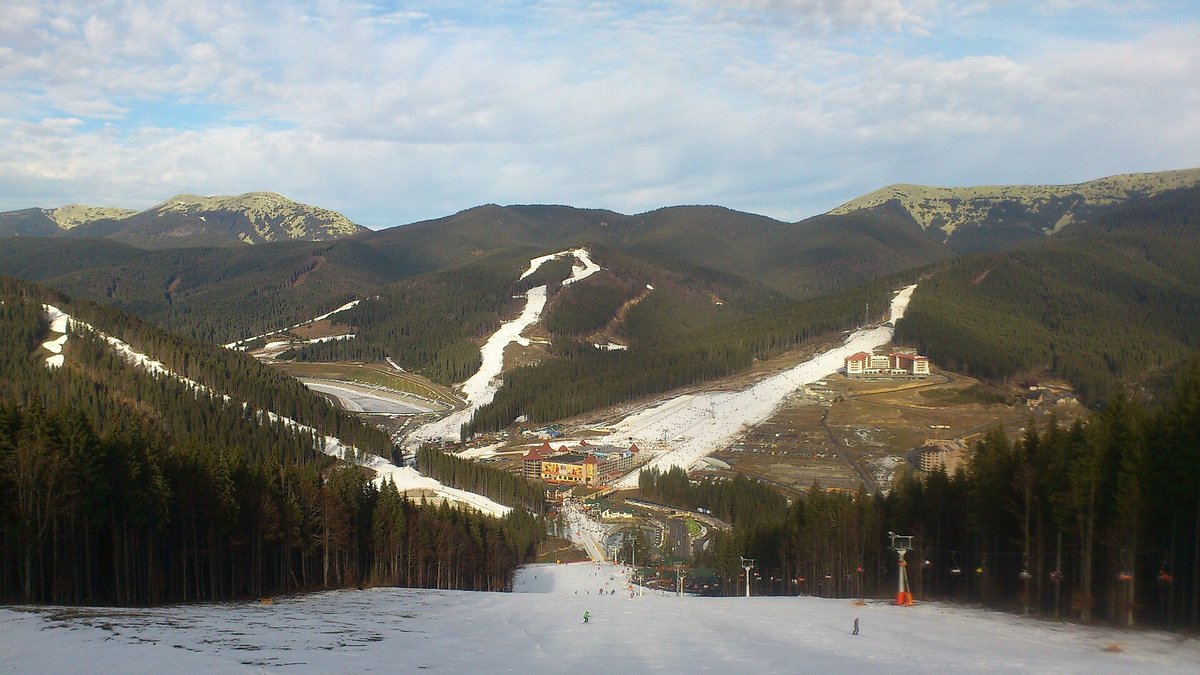
The battle scenes were shot elsewhere, in two mountain ranges, the Carpathians and the Alps. STVR ↗
A child born just before the uprising
On August 9, 1944, after ten years of waiting, the Golian couple had a son, Ivan. Twenty days later, on August 29, the uprising Golian was to command broke out. According to the official synopsis, it is precisely this tension between family and decision, not the battle scenes, that forms the film's main thread. STVR ↗Filming deliberately took place in the same months of the year in which the uprising happened. According to the daily Plus 1 deň, the crew had 24 shooting days, 40 actors and extras. Plus 1 deň ↗
A commander who went unwritten about for a long time
Golian is the uprising's main commander, spoken of for more than eighty years, and yet little is known about him. After the war he was branded an enemy, not helped by the fact that he had sought the restoration of the Czechoslovak Republic. For many years he was not even mentioned in history textbooks, and according to STVR, this debt has not been repaid even after 1989. STVR ↗Director Juraj Štepka goes further, speaking of deliberate erasure. "Our rulers erased him from history and from the celebrations of the Slovak National Uprising in 1948. They finished the job in 1953, when the State Security destroyed photographs and documentation, and even seized everything connected to him from his wife Jarmila during a house search," he told the TASR news agency. This is a claim made by the film's creator, not a finding of a historical institution, and we reproduce it as such. TASR ↗
Golian himself did not live to see the end of the war. He was captured together with Rudolf Viest, who had replaced him in command on October 7, 1944, on November 3, 1944. After interrogations in Berlin, both were probably executed at the Flossenbürg concentration camp, and their bodies were never identified. Golian was not yet forty years old. Wikipédia ↗
A voice that was not preserved
This also has a practical consequence for the film. According to the filmmakers, no surviving audio recording of Golian's voice exists, so his manner of speech was reconstructed from the recollections of his wife Jarmila, from interrogation records, and from photographs. This is thus not a technical reconstruction of sound, but an actor's and director's construction of the character from secondary sources. STVR ↗In the photographs, Štepka noticed one thing that he carried over into the film. "Ján Golian is one of the few officers who, despite the gravity of the times, is still smiling in photographs. We tried to capture this humanity of his in the film as well. We are not making some heroic epic. We present Golian as both an insurgent commander and a loving father," he said. STVR ↗
The crew proceeded with similar care on the costumes. The dresses for all the female characters were designed and made by the Nehera brand, founded in Prostějov in 1923 by Jan Nehera, which also had production in Trenčín. In the 1930s it was one of the largest clothing companies in Czechoslovakia; today's Nehera is Slovak and was revived in 2014. STVR ↗
An unknown face and actors from six countries
The title role went to Ondrej Hraška, and Štepka deliberately avoided star names. "If you're making a film about heroes or people we don't know, whose history has been erased, you have to come up with unknown actors so that the viewer identifies with them from the very first moment, so that they don't associate them with other characters," he explained. Plus 1 deň ↗Golian's wife Jarmila is played by Czech actress Anna Fialová, and the further cast includes Milan Mikulčík, Ondřej Brzobohatý, Juraj Bača, Dominika Morávková, Robert Ritter, Rainer Wöss and Zoe Straub. The film will be spoken in six languages — Slovak, Czech, German, Russian, French and English. When STVR announced the shoot, it listed five languages, so French was added during production. TASR ↗
The director insisted that the individual nationalities be played by actors who genuinely belong to them. "I couldn't imagine a Slovak actor playing an American, speaking English, let alone a Slovak speaking German," he said. Plus 1 deň ↗
For Štepka, son of playwright Stanislav Štepka, General Golian is his feature-length directorial debut and also his third film about the uprising. It was preceded by the television series Moje povstanie 2 and the short film Mlčanie about Vlado Strmeň, for which he received the Igric award. He co-wrote the screenplay with Peter Rajčák and Ján Gardner. The producers are Bright Sight Pictures and Bona Idea, with Slovak Television and Radio, Czech Television, Inicio Films and Notes Production as co-producers. STVR ↗
Where the film goes now
Today, Wednesday, September 9, the film has its ceremonial screening at the Garrison Club in Trenčín. It is held under the auspices of the Chief of the General Staff of the Armed Forces of the Slovak Republic, General Miroslav Lorinc, and invitations were accepted by production representatives, actors, the armed forces command and some government officials. TASR ↗The city of Banská Bystrica is inviting people to a preview screening with the participation of the actors and creators, to be held on September 10 at 8:00 p.m. at the Pavol Bielik Amphitheatre. The invitation also reveals something the festival reports did not mention: the film runs 133 minutes and is rated unsuitable for viewers under twelve. Mesto Banská Bystrica ↗
The film is set to enter regular cinema distribution on October 8, and STVR is to broadcast it later. The date has actually been pushed back — the cinema premiere was originally planned for August 29, 2026, the anniversary of the outbreak of the uprising. STVR ↗
What the festival offers besides the opening film
Cinematik runs from September 8 to 13, and its program consists of 83 feature-length films and 28 mid-length and short films, plus two Azyl programs with 46 short films. Competition takes place in two sections, Meeting Point Europe with ten European films and Cinematik.doc with six Slovak documentaries. Screenings take place at the Dom umenia, Kino Fontána, Kino Klub, the Kinematograf Elektrárňa Piešťany, Kino Kúpele and the ARTA Cultural Centre. pnky.sk ↗General Golian is not the festival's only domestic premiere. Marko Škop's Láska is also being shown, and actress Jana Kovalčíková will receive the Cinematik Talent Award for it. pnky.sk ↗
Both films in the documentary competition were co-produced with involvement from the Slovak Film Institute. Život alebo film, by the directing duo Juraj Johanides and Marek Šulík, is a portrait of director Dušan Hanák and has its world premiere at the festival on Friday, September 11, at 5:00 p.m. at Kino Fontána. Igor a potom by Ivan Ostrochovský is dedicated to the late cinematographer Igor Luther and screens a day later at the same time and cinema. TASR ↗
Programming team member Peter Konečný said of the opening film that it will also be a reminder that "the fight for freedom and democracy is not just a topic of the past, but also of the present." TASR ↗
What could not be verified from public sources
The day before the opening, Aktuality.sk wrote in the lead of an article accompanying their podcast that interest in the film was so great that the largest cinema hall in Slovakia was not enough, and that the premiere was therefore held in two cinemas at once. Aktuality.sk ↗Neither the festival materials nor the agency reports mention a second hall; they speak only of the ceremonial screening at the Dom umenia. The claim cannot be confirmed from publicly available sources.
Likewise, no reviews or reactions from the premiere itself are available yet, so regarding how the film fared with audiences and critics, all that can be said for now is that this will become clear later.
Photo: Grasalkovič Palace in Bratislava, the seat of the President of the Slovak Republic. From 1939 to 1945 it served as the seat of the president of the Slovak State under Jozef Tiso, and in August 2025 the first clapperboard of the film General Golian was shot there. Author Uoaei1, via Wikimedia Commons, CC BY-SA 4.0. The image has been reduced in size.