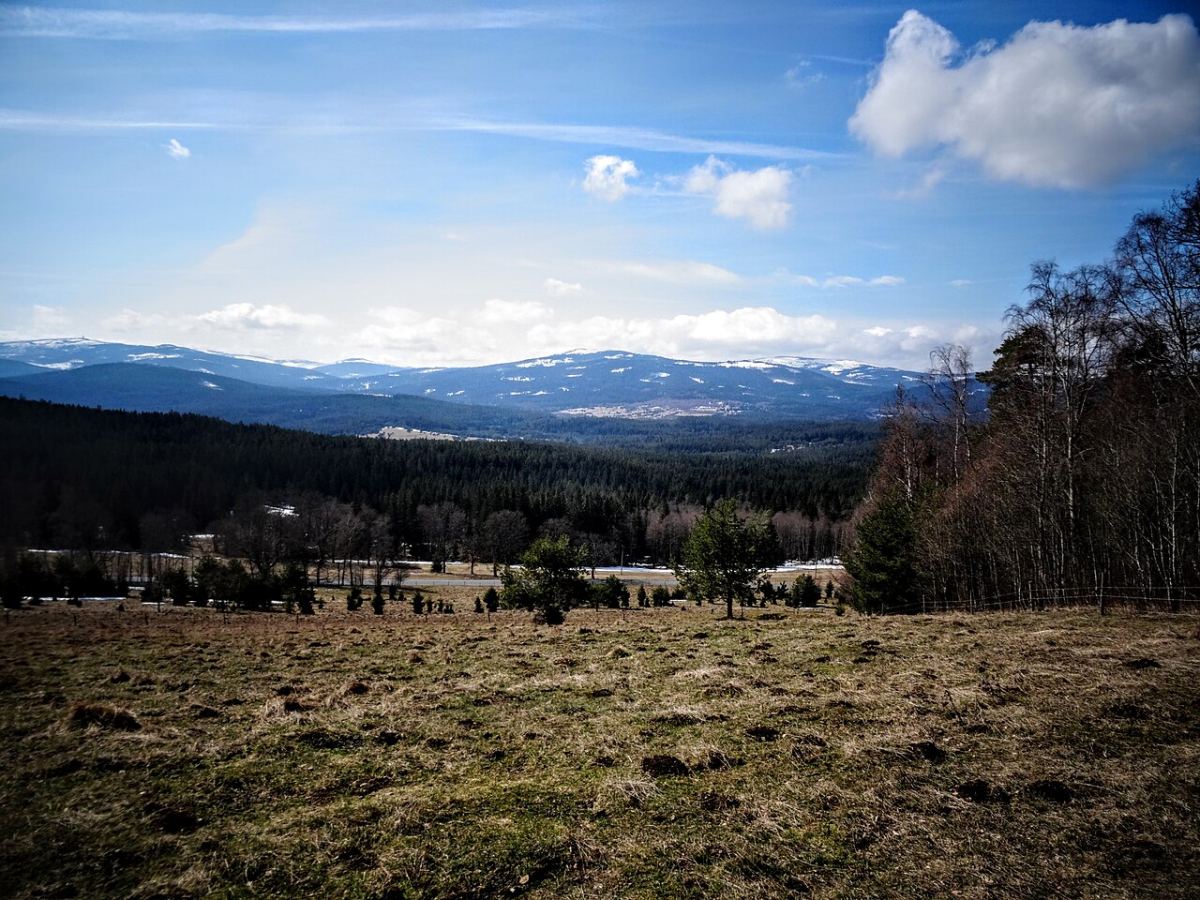







And that same week, the Nature and Landscape Protection Agency of the Czech Republic sent a notice to villages in the Beskids stating that it had confirmed the presence of bears in the protected landscape area. It recommended they secure their waste. seznamzpravy.cz ↗
The animals on both sides of the border belong to the same Carpathian population. The difference lies in what the two neighboring countries do with them.
Key actors — tap for context
State Nature Conservancy of the Slovak Republic
The environment ministry's expert organization, which manages protected areas in Slovakia and keeps records of large carnivore occurrences.
Why here: It runs the website Pozor, medveď! (Watch Out, Bear!) and oversees the intervention team that shot the bear in Liptovský Mikuláš.
More info →
Liptovský Mikuláš
A district town in northern Slovakia below the Low Tatras, a gateway to the Demänovská Valley.
Why here: In one of its districts, the intervention team shot the bear, and the district of the same name is among the six with the most frequent interventions.
More info →
Beskids
A mountain range in the Outer Western Carpathians on the Moravian-Slovak border, designated a protected landscape area on the Czech side.
Why here: The westernmost edge of the Carpathian bear population, where conservationists confirmed its presence this week.
More info →
Suchá Hora
A village in Orava near the Polish border, in the Tvrdošín district.
Why here: In the Žobrákov kút area within its cadastral territory, a bear attacked a boy.
More info →The ministry also cites the condition of the animals themselves as an argument. It claims that analyses of culled individuals increasingly show malnutrition and disease, because stronger animals push weaker ones away from food sources. This is an argument about the quality of the population, not just its size. The cited report does not include independent verification of this claim.
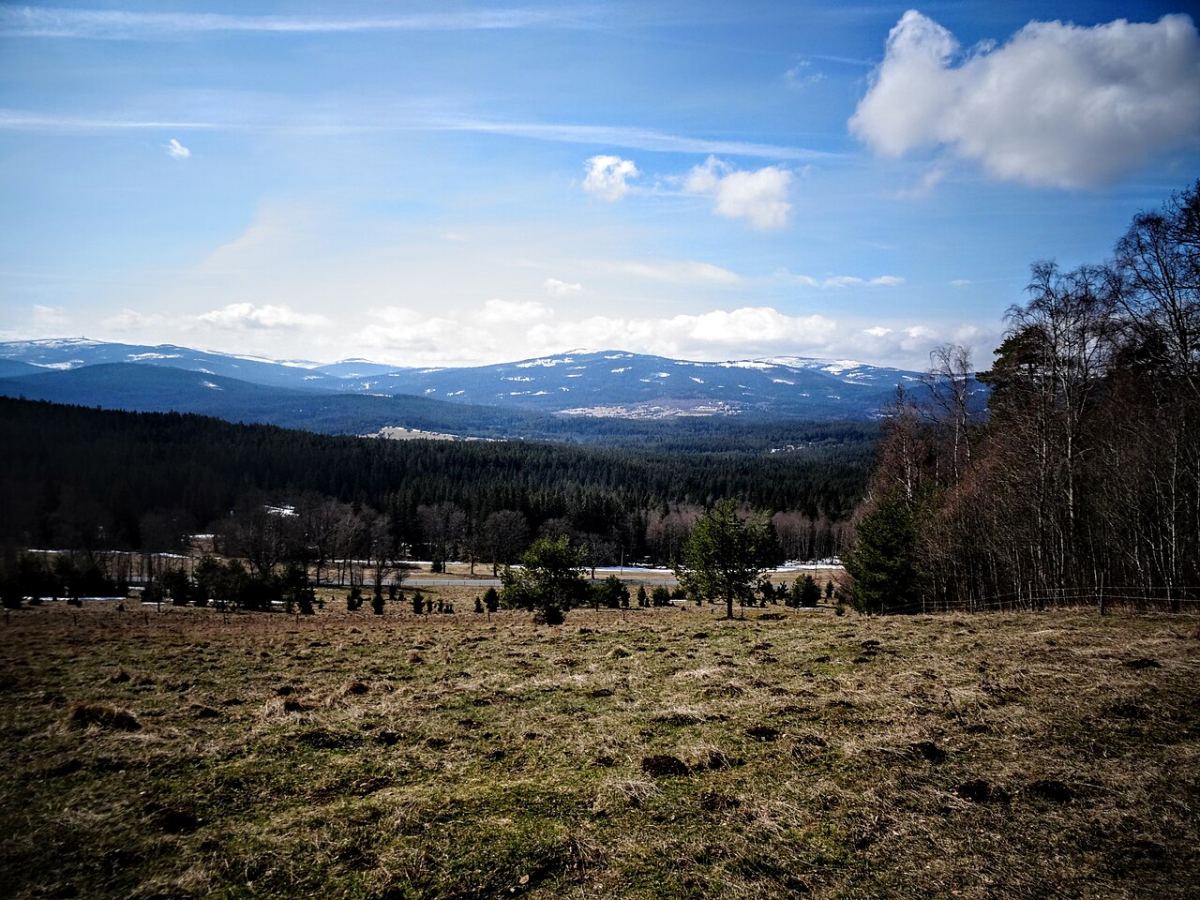
On the Czech side of the border, the same predator looks different. According to conservationists, only a handful of individuals move through the Beskids Protected Landscape Area, and February's mapping did not confirm any on the Czech side of the border at all. František Jaskula, director of the agency's regional office, noted that bears have appeared regularly in the Beskids since the 1970s and that this is nothing unusual, since it is a marginal part of the Carpathian population. seznamzpravy.cz ↗ Reports came from the Moravian-Silesian Beskids, the Frýdek-Místek area, and the surroundings of Rožnov pod Radhoštěm, with one sighting of a female bear with cubs also near Vizovice. idnes.cz ↗ novinky.cz ↗
The Czech agency responded by alerting villages. It recommends securing waste so the animal does not become accustomed to seeing it as a food source, and protecting livestock and beehives. Comparing this directly with the Slovak intervention in the city would not be fair — it is a different situation and a different number of animals. But the difference in scale is significant: Slovakia killed 213 bears last year, while the Czech Beskids Protected Landscape Area counts them, according to conservationists, only in single digits.
All the more interesting, then, is the step the two countries took together. In June, Romania and Slovakia submitted a call to the other EU member states to lower the protection status of the brown bear and relax the rules governing its hunting. They argue that bears in both countries have killed 18 people and seriously injured more than 200 in the past five years, and that since 2023 large carnivores have caused damage to more than two thousand domestic animals. These are figures provided by the proponents. "As an apex predator with no natural predators of its own, the species urgently requires effective management," the call states. It was supported by Czechia, Finland, and Croatia. teraz.sk ↗
Czechia thus joined the request to relax hunting of a species that, in its largest bear area, is counted in single digits. This is not illogical in itself: it is a single population that does not recognize borders, so a decision about the Carpathian bear affects Czech territory regardless of how many are currently in the Beskids.
The path to change, however, is more complicated than the call suggests. Article 19 of the 1992 Habitats Directive allows the annex listing strictly protected species to be adapted to scientific and technical progress by a unanimous decision of the Council on a proposal from the Commission. A different route is a legislative amendment adopted jointly by the European Parliament and the Council. It was the latter route that the wolf went through, when its protection status was lowered in 2025, preceded in the EU by a relaxation of protection under the Bern Convention. A precedent therefore exists, and environmental organizations are opposed.
The brown bear remains a strictly protected species, and it can only be killed on the basis of an exception. Article 16 of the directive permits this, for example, to prevent serious damage or to protect public safety, but only if there is no other satisfactory solution and if the exception does not worsen the population's status within its natural range. Declaring a state of emergency does not, by itself, replace these conditions. Slovakia's route via the intervention team is an attempt to solve the problem within the existing rules; June's call is an attempt to change those rules.
But none of this says what to do about the specific animal on Mlynisko Street. The bear from Liptovský Mikuláš left the city wounded; the boy from Suchá Hora encountered the predator in dense vegetation outside the village. The legal status of the species determines what interventions are permitted at all, but changing that status alone does not determine how to handle a specific encounter between a person and a bear.
Illustrative photo: a female brown bear in the wild. Photo by Charles J. Sharp, Wikimedia Commons, CC BY-SA 4.0.