


Key actors — tap for context

Kuopio
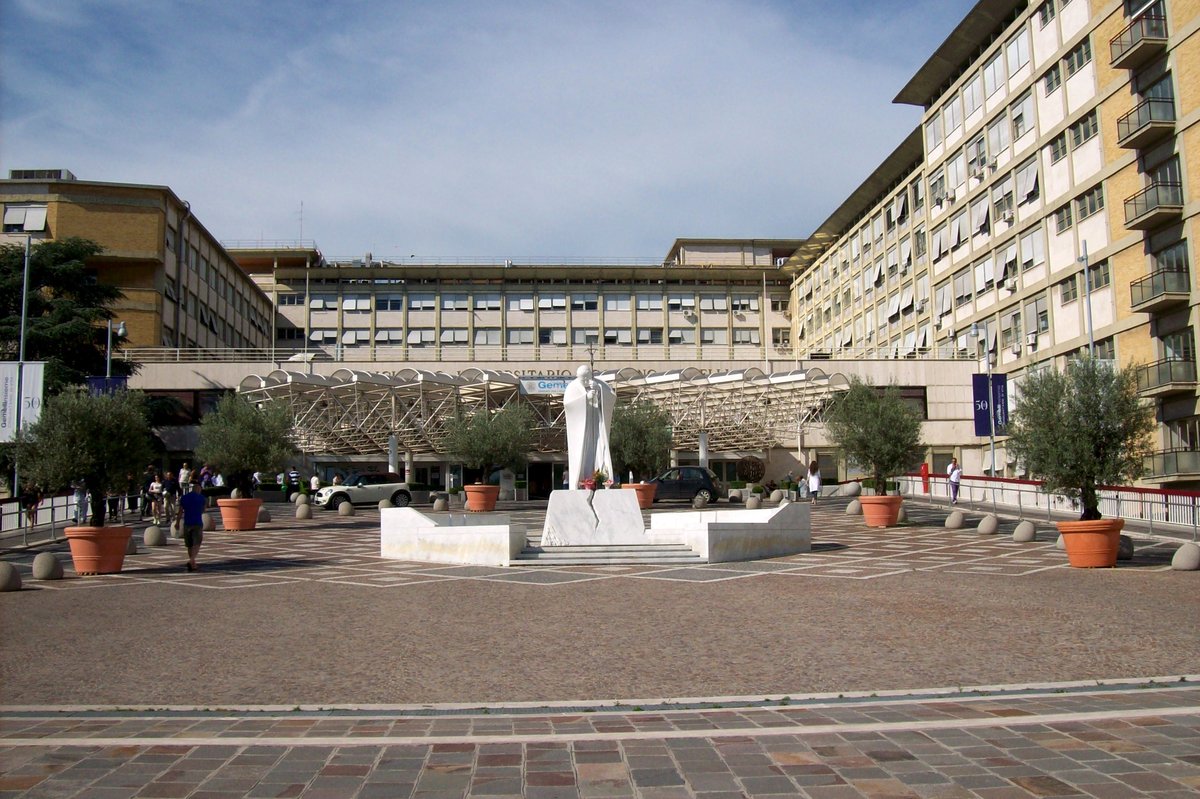
A city in central Finland with about 120,000 inhabitants, the administrative center of the Northern Savonia region.
Why here: This is where the Shelter 2026 drill took place, and it has a shelter for 7,000 people.
More info →Asko Muhonen
A retired colonel in the Finnish army.
Why here: He organized the drill in Kuopio and says Finnish defense rests on the mindset of ordinary people, not just on the military.
Jyry Pietikäinen
A 23-year-old Finnish conscript.
Why here: In Kuopio he learned to operate the shelter overnight and described conscription as a duty to previous generations.
Dmytro Untila
A 20-year-old Ukrainian student at a university in Kuopio, originally from Odesa.
Why here: On the first day of the war he hid in the entrance of a building because he had nowhere else to go, and says training like this would help back home.
Juha Räsänen
Chief executive of the Finnish energy company Savon Voima.
Why here: He described finding stickers on vulnerable parts of the network and the rise in cyberattacks after the company stopped buying Russian biofuel.

Matúš Šutaj Eštok
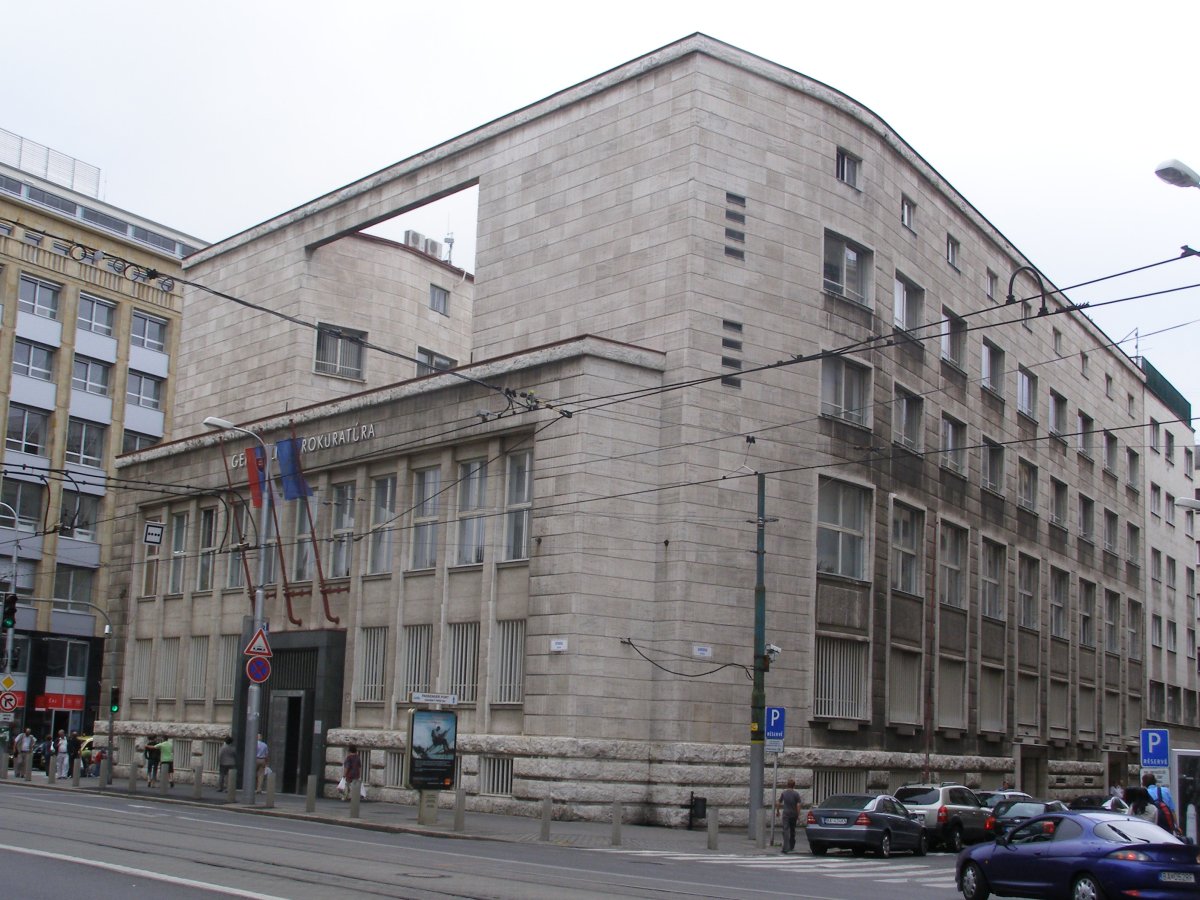
Slovakia's interior minister for the Hlas-SD party.
Why here: He described the Tiene v oblakoch drill as the largest of its kind in Slovakia and announced the 72 Hours campaign.
More info →Viktorija Gribuste
Representative of the Latvian State Fire and Rescue Service, head of the education and public information department.
Why here: She advises filling the bathtub with water and says people received warning messages but dismissed them with “it won't happen to me".
Jānis Joksts
Latvian emergency preparedness expert, founder of Bugout.eu.
Why here: He says that not asking overloaded rescue services for resources they do not have at that moment can save someone's life.
Joakim Paasikivi
Lieutenant colonel and analyst at the Swedish Defence University.
Why here: Commenting on the unverified video about gravel being dumped along the coast, he said the Russian military cannot be ruled out.
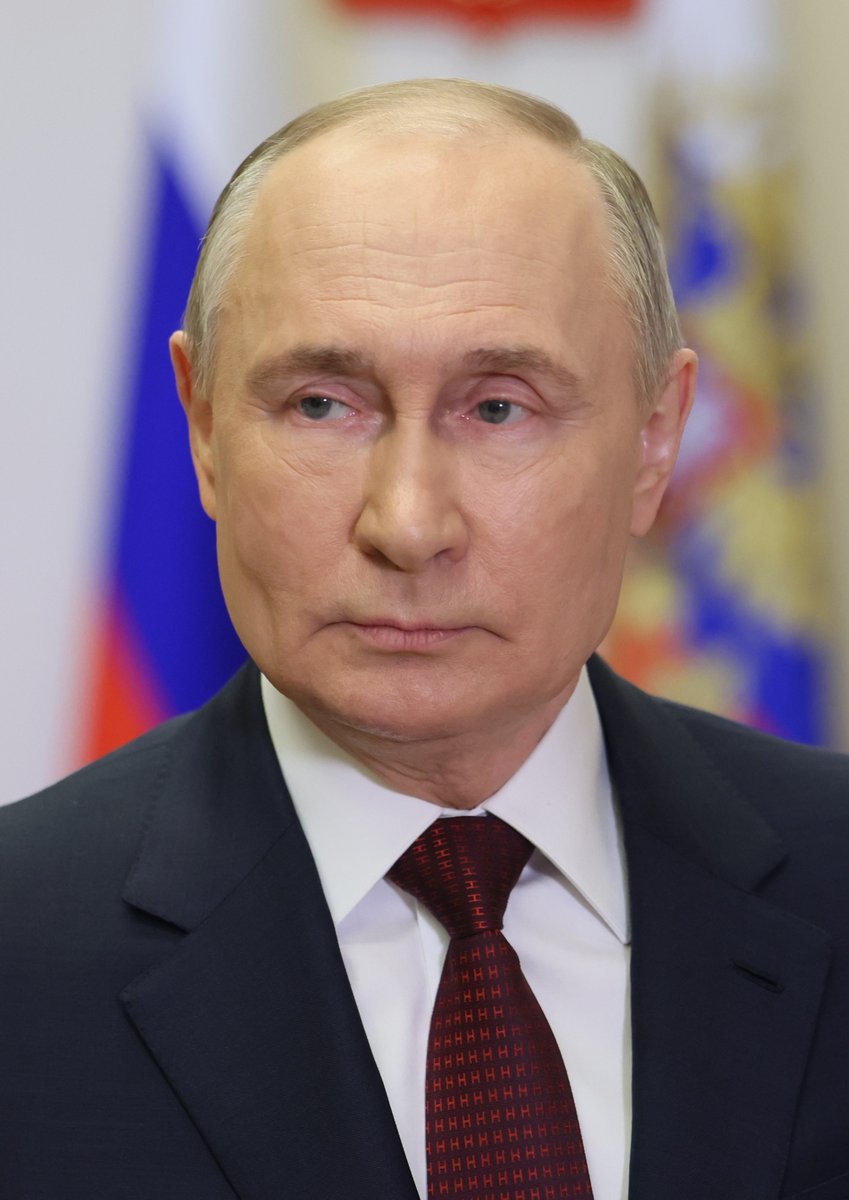
Pavel Kuznetsov
Russian ambassador in Helsinki.
Why here: Finnish diplomacy summoned him over a drone carrying explosives in Leipzig, after which he warned against “provocations" on Finnish territory.

Finland
A Nordic country with 1,300 kilometers of shared border with Russia, a NATO member since April 2023.
Why here: It has shelters for 4.8 million people, meaning for the overwhelming majority of the population.
More info →
Latvia
A Baltic country that experienced a devastating storm in August.
Why here: Its fire service is now explaining to households what they should keep at home.
More info →
Michalovce
A district town in eastern Slovakia.
Why here: Its hospital activated a trauma plan during the drill and practiced receiving mass casualties.
More info →
Zemplín
A historic region in southeastern Slovakia.
Why here: This is where the two-day Tiene v oblakoch drill took place.
More info →
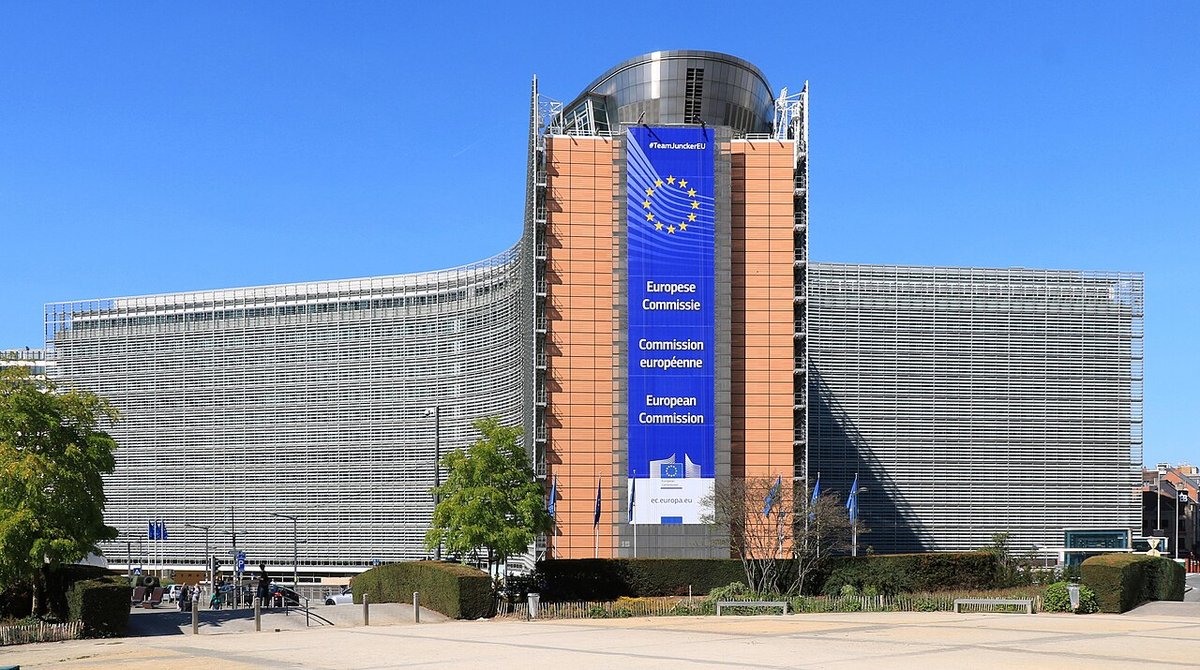
NATO
The North Atlantic Alliance, a defense organization founded in 1949.
Why here: Finland joined it in April 2023 and Sweden in March 2024, both after Russia's invasion of Ukraine.
More info →
Supo
Finnish Security and Intelligence Service under the Ministry of the Interior.
Why here: It said the stickers on energy infrastructure were reflectors from surveying work and that reports of drones were mostly explained by ordinary phenomena.
More info →What Happened in Kuopio
The drill was called Shelter 2026 and involved more than 2,000 people, including volunteers and students. The scenario assumed cyberattacks had knocked out electricity and water in the city and that missile strikes from neighboring Russia were a threat. The aim was for local authorities and ordinary people alike to try out what they would do if an actual attack occurred. AP ↗The organizer, retired colonel Asko Muhonen, says Finnish defense does not rest only on the army but on the mindset of ordinary Finns who are willing to take responsibility for the country's security. In his view, this is also tied to conscription, which Finland kept even after the collapse of the Soviet Union. Twenty-three-year-old conscript Jyry Pietikäinen, who was taught to operate the shelter overnight in Kuopio, summed it up briefly: “It is our duty to serve and protect this country the way the people before us did. That is why we have independence." AP ↗
There was also a challenge to the model itself. While the largest shelter in Kuopio can hold 7,000 people, Ukrainians often have only a few minutes to get to the metro or an underground garage. More important than a shelter resistant to a nuclear attack is therefore a shelter a person can actually reach in time. Twenty-year-old Ukrainian student Dmytro Untila was in Odesa on February 24, 2022, when the first rockets hit the city. He hid in the entrance of a building because he had nowhere else to go. In his view, such training would help in Ukraine “because nobody knew it could happen." AP ↗
Slovakia Drilled on the Same Day
On Wednesday, a two-day civil protection and crisis-management drill called Tiene v oblakoch ("Shadows in the Clouds") began in Zemplín, on the same day as the Finnish one. Interior Minister Matúš Šutaj Eštok said a drill on this scale had never been held in Slovakia before. The first day simulated an attack on an industrial facility by an unmanned vehicle, followed by an explosion in a warehouse, a fire, and mass injuries. Hospitals in Michalovce and Trebišov activated trauma plans and practiced receiving more than forty patients at once. SITA ↗ STVR ↗The work of crisis staffs and the state's ability to communicate in a situation where disinformation arises were also tested, and unrest was rehearsed as well. On Thursday, the second part was due to follow: warning the population, sheltering and evacuating pupils and clients of a social-services facility, that is, the most vulnerable people. The scenario also included declaring a state of emergency, which the minister stressed was only a drill and would not restrict any rights in any way. Hospodárske noviny ↗ TASR ↗
On that occasion, Šutaj Eštok recalled that several states on NATO's eastern flank, including Poland and Romania, had repeatedly faced airspace violations by drones. He also announced an information campaign called 72 Hours, intended to explain to the public how to prepare for the first three days of an emergency. He noted that similar campaigns are already running in several European countries. SITA ↗
The Difference Is Not the Drill, but What Lies Beneath It
Both drills took place on the same day and both respond to the same sense of vulnerability: infrastructure that someone can disable without crossing a border. Where they diverge is in the material they rest on.Finland has about 50,500 civil defense shelters with capacity for roughly 4.8 million places, which, for a population of 5.6 million, means coverage of around 86 percent. In Helsinki, there are even 34 percent more shelter places than the city has inhabitants. Finnish Ministry of the Interior ↗
Slovakia has more than 1,500 civil protection shelters, and according to the interior ministry, about four percent of the population could find refuge in them. The director-general of the crisis-management section, Ervin Erdélyi, says the idea is to at least double that within five years, to eight percent, and reach 30 percent sometime between 2035 and 2040. Most existing shelters are in poor condition, with Minister Šutaj Eštok describing them last year as having moldy walls, nonfunctioning doors, and outdated ventilation. STVR ↗
The 86-to-4 ratio is not an assessment of ministers or drills. It is the difference between a country that has been building shelters continuously for decades and a country that inherited them and then stopped maintaining them. It also explains why the Finnish drill could send 2,000 civilians to sleep in rock, while the Slovak one mainly tested whether state services know how to work together.
The Latvian Handbook Triggered Not by War
The third piece of the same mosaic came that same day from Riga and is instructive precisely because it is not directly tied to Russia. Latvia is dealing with household preparedness, not shelters. Latvian Radio examined what a household should keep at home, and the trigger was not an attack threat but the devastating storm at the end of August, which showed that many people do not prepare. LSM ↗The advice is surprisingly undramatic. A bathtub filled with water, which fire and rescue service representative Viktorija Gribuste called a long-forgotten but very good method from the days when power outages were common. A small cash box with a few five-, ten-, and twenty-euro notes, not a large sum, but enough to get somewhere or buy something. A battery-powered radio, because the internet and mobile network can go down. Family contacts written in a notebook, because the phone battery can run out. And the rule of never running the tank empty: once fill it up, drive it down to half, and refill it again. Firefighters themselves keep at least 70 to 75 percent in the tank at all times. LSM ↗
Emergency-preparedness expert Jānis Joksts added a remark that captures the point of the whole thing better than any rocket scenario: if we do not ask overstretched rescue services for resources they do not have at that moment, we may save someone's life. Gribuste also noted that people received the warning messages twice on Saturday and still followed the usual “it won't happen to me." LSM ↗
That is also why Nordic preparedness is not just a wartime matter. The same apparatus that has to work during missile strikes also works during storms, blackouts, or floods, and it is used far more often for those other things.
Why That Region Cannot Distinguish a Fault from an Attack
For Finland, the room for a calm interpretation is shrinking right now. Juha Räsänen, head of the energy company Savon Voima, told AP that the biggest threats to the network in the region remain snow, storms, and bad weather, but since Russia invaded Ukraine and the company stopped buying Russian biofuel, cyberattacks on the network have risen sharply. Last year, technicians also found at least ten stickers on especially vulnerable parts of the infrastructure. Other Finnish energy companies found them too, and no one knows where they came from. “If an explosion occurred there, it could destroy the entire dam," Räsänen said. AP ↗That same week, Finland's Foreign Ministry summoned Russian ambassador Pavel Kuznetsov over a drone carrying explosives found near a Ukrainian cargo plane at Leipzig airport. After the conversation, Kuznetsov, speaking through a Russian agency, warned against “provocations" that, in his view, Finland should not “allow on its territory." Ilta-Sanomat ↗
The Limits of This View
Here it is necessary to slow down, because the most interesting part of the report is precisely the one that challenges its own story. According to AP, Finland's Security and Intelligence Service, Supo, checked a “broad range of observations" and found nothing alarming. The stickers on the infrastructure were, in its view, reflectors related to surveying work, and reports of drones were “largely explained by ordinary phenomena." People have been more alert since 2022, so they report more. What in Kuopio may look like target mapping could also be ordinary land surveying, and nobody can yet say for certain which is which.The same caution applies to the Swedish case circulating these days. Aftonbladet described an unverified video said to show mysterious dumping of gravel on a beach facing the coast of a member state of the alliance, and quoted Lieutenant Colonel Joakim Paasikivi as saying that the Russian army cannot be ruled out. One hypothesis is that it would make it easier for amphibious vehicles to leave the water. Let us be clear about what this is: an unverified recording and an expert estimate, not a finding. Aftonbladet ↗
The comparison this article makes would also be unfair if it were left without context. The Slovak drill lasted two days and was the first of its kind, while the Finnish one rests on conscription that has never been interrupted, on 1,300 kilometers of border with Russia, and on building regulations that required shelters decades before the country joined NATO in April 2023 NATO ↗. Comparing a one-off drill with the outcome of half a century of policy is not an assessment of a ministry's performance. The difference in the numbers is real, but it was not created this week, and it cannot be erased this week either.
And finally: AP's piece is a wire report from one city and one drill. It does not answer whether Finnish shelters would actually work in a real attack the way they are drilled to do. Nobody knows that, and it is exactly the kind of thing nobody wants to have to verify.
What Hotinfo Is Watching
- The interior ministry has launched the announced 72 Hours campaign and its format is known.
- The interior ministry has published an evaluation of the Shadows in the Clouds exercise, including what did not work.
- Slovak civil protection shelter capacity has moved from four percent towards the announced eight.
- Finland's Supo security service or the police have changed their assessment of the stickers on energy infrastructure and the drones over power lines.
- Swedish authorities have confirmed or ruled out the origin of the gravel dumped on the shore facing Estonia.