

Key actors — tap for context

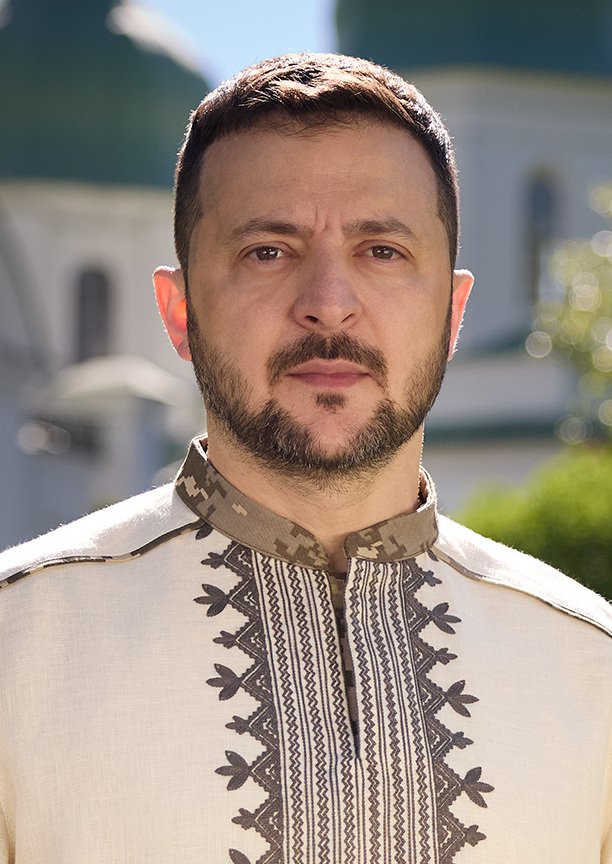
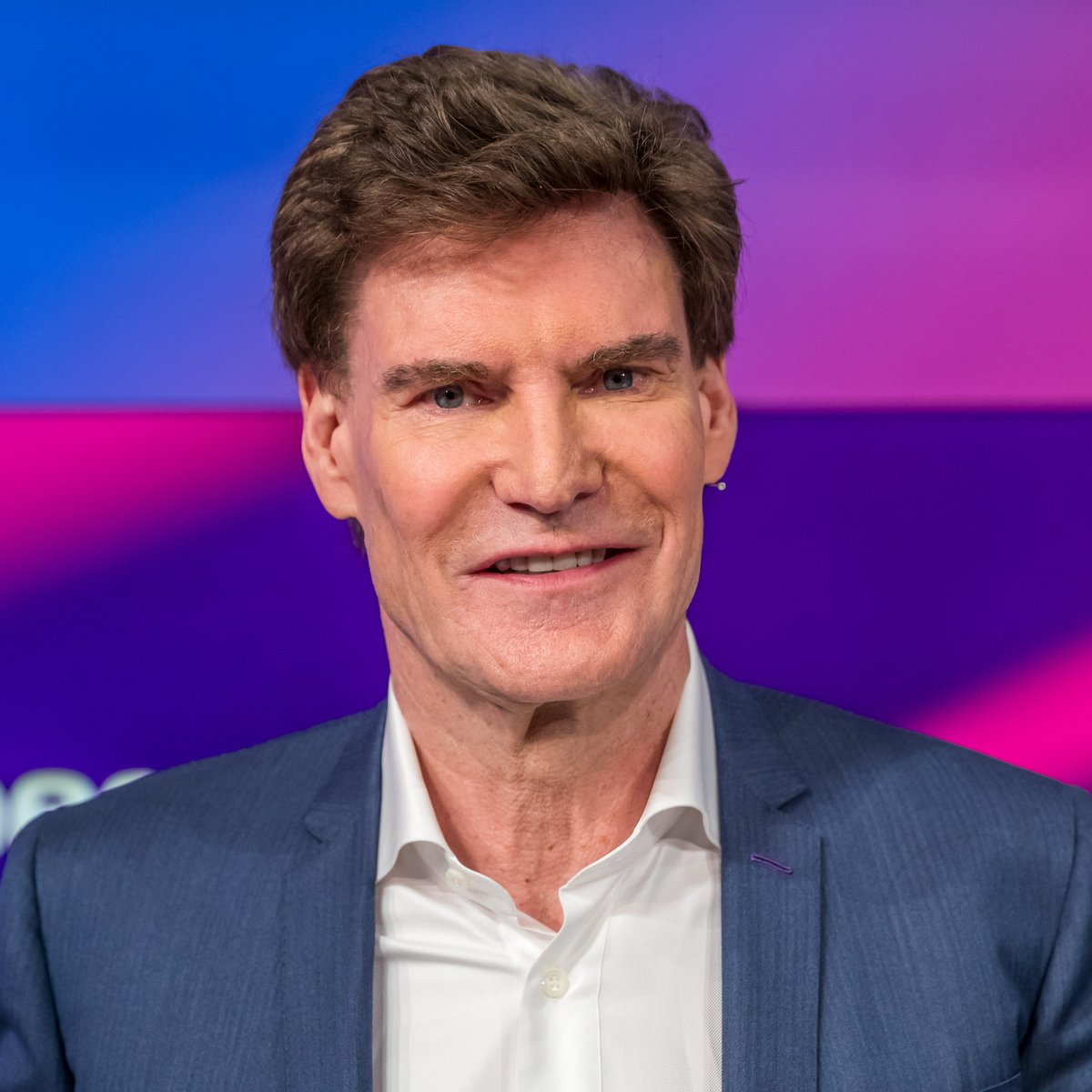
Stanislav Přibyl
Archbishop of Prague and Primate of Bohemia, a Redemptorist. He was appointed by the pope in February 2026 and took office in April. From 2024 to 2026 he was Bishop of Litoměřice.
Why here: Called a penitential pilgrimage of the Prague diocese over the archdiocese's cases.
More info →
Jan Graubner
Archbishop Emeritus of Prague, Přibyl's predecessor.
Why here: Audits found disadvantageous deals from the period of his tenure.
More info →
František Mikloško
Member of the National Council of the Slovak Republic and former dissident, one of the faces of the 1988 Candle Demonstration.
Why here: Said in an interview for Postoj that the Slovak church is on the defensive.
More info →Anton Ziolkovský
Slovak Roman Catholic priest, general director of TV LUX. He teaches fundamental theology at the Theological Institute of the Catholic University in Spišské Podhradie, and previously served as executive secretary of the KBS.
Why here: Wrote a response rejecting Mikloško's thesis.
More info →Hájek
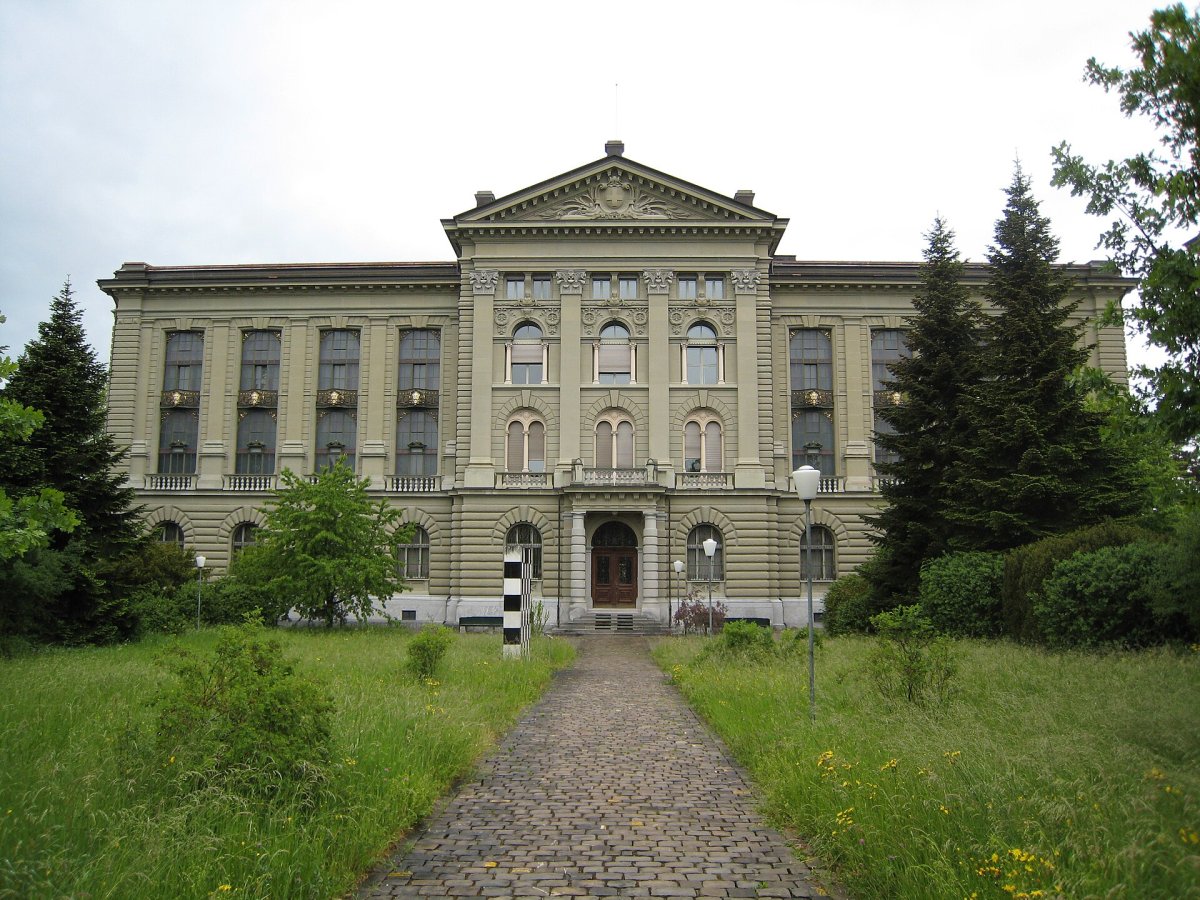
A pilgrimage site with a Franciscan loreto near Prague, close to Hostivice.
Why here: Destination of the Prague diocese's penitential pilgrimage on October 5.

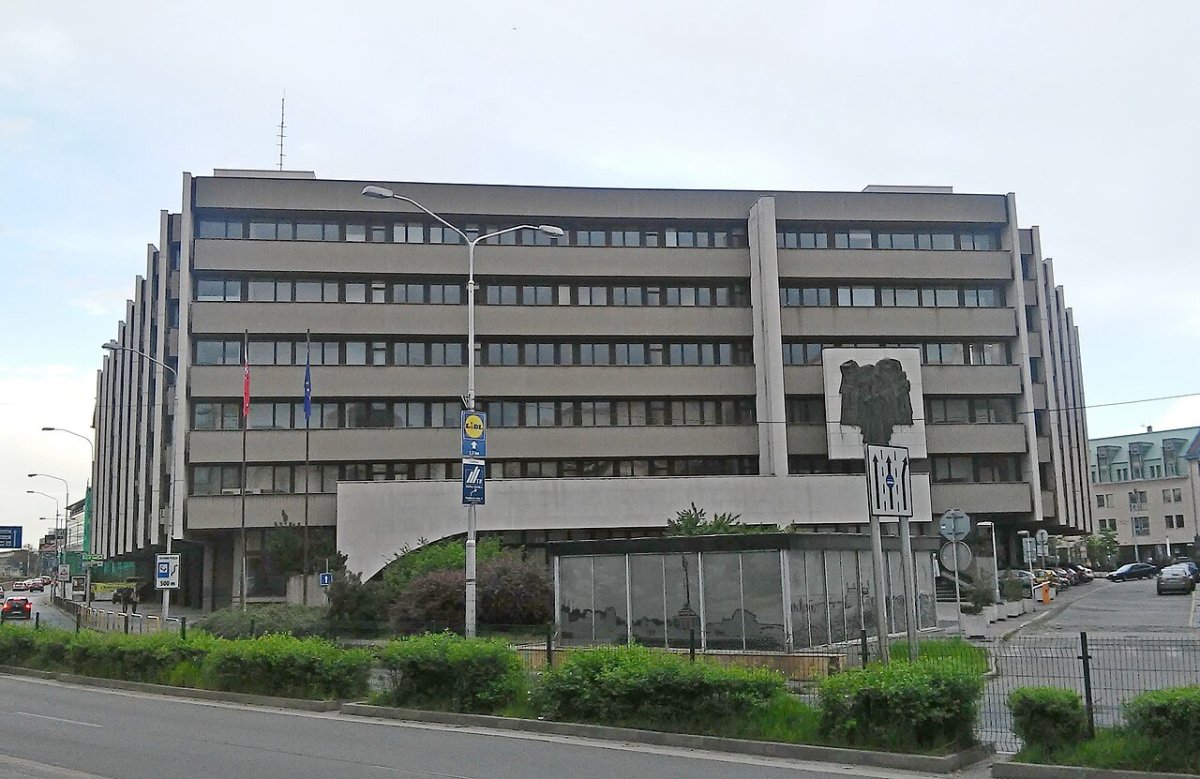
Konferencia biskupov Slovenska (Conference of Bishops of Slovakia)
Joint body of the Catholic bishops in Slovakia, abbreviated KBS.
Why here: At the center of the dispute over how openly the church communicates.
More info →Prague: "I share the pain, frustration and shame with you"
The pope appointed Přibyl Archbishop of Prague in February 2026, and he took office in April, so the cases he is dealing with predate his tenure. In his call to the faithful, he wrote that he shares with them the pain, frustration and shame over the scandal caused, adding: "That is why I would like us, together as the Prague diocese, to make a penitential pilgrimage to Hájek." He also noted that it is not enough to seek only human solutions. Deník ↗ Aktuálně.cz ↗The pilgrimage is to take place on Monday, October 5, starting in Hostivice, with a Mass and devotion to follow in Hájek at six in the evening. Hájek is a pilgrimage site with a Franciscan loreto west of Prague. Lidovky ↗ Novinky ↗
The specific reason is a criminal case. The former executive director of the archdiocese and deacon, Antonín Juriga, has been criminally prosecuted since August — he faces a charge of rape, with part of the acts allegedly having taken place directly in the archdiocese building, as well as economic offenses related to the purchase of apartments and the sale of land. He is in custody, has not been finally convicted, and the presumption of innocence applies. The archdiocese is also preparing its own canonical proceedings. Aktuálně.cz ↗ iROZHLAS ↗
The war of the vicars general and a budget that was supposed to be self-sufficient
The case does not stand alone. Deník N journalist Prokop Vodrážka placed it, on iROZHLAS, within a longer story that begins with money: since 2013, the Prague archdiocese was supposed to be moving toward economic self-sufficiency, because church restitutions also mean a gradual separation from the state, and in 2030 churches will lose the state contribution for their activities. Instead, it ended up in the red. iROZHLAS ↗Vodrážka calls what followed the war of the vicars general. Vicar General Zdenek Wasserbauer left over economic results; in 2020 he was replaced by the priest Jan Balík, and the archdiocese then hired Juriga as chief property administrator. Wasserbauer subsequently described his successor's disadvantageous deals to the police, and Balík proceeded similarly. Examples include investments in hotels, which even the former leadership called extremely disadvantageous and proceeded to sell. "They set out on a new path, but it was accompanied by disputes over whether it was the right one. And whether behind it, perhaps, was an effort to divert church property and enrich themselves," says Vodrážka. iROZHLAS ↗
The then-Archbishop Jan Graubner complained about Wasserbauer in a letter to the papal nuncio, calling his conduct intrigue. Police have been handling the case since autumn 2024 and have conducted a raid directly at the Archbishop's Palace. Both vicars general are gone today, and according to Vodrážka's information, Přibyl does not want to be the one who decides which of the feuding sides is right. The archdiocese's former economic officer, Linda Dolečková, recently said on this that most of what happens at the archdiocese is run by men in clerical collars. iROZHLAS ↗
Bratislava: a dispute over whether there is anything to discuss at all
The Slovak debate that same week looked different. Postoj published an interview by Imrich Gazda with member of parliament and former dissident František Mikloško, on the occasion of the fifth anniversary of Pope Francis's visit, who was in Slovakia from September 12 to 15, 2021. In it, Mikloško says the church is on the defensive and lacks enthusiasm for change, and that the bishops are pious people who have nonetheless withdrawn into their offices. Postoj ↗He summed up the message of the papal visit this way: "He called on us to abandon the legalistic approach and the defensive lines of a closed castle, from which we look out at the world as evil and hostile. His message to us was — don't fight, but go and bear witness to God's presence in this world." And he added a question: "What is the Slovak church doing for divorced people, single mothers, or people in various forms of cohabitation? If we just keep repeating doctrines, then we are still only building our castle." Postoj ↗
Two days later, the same website published a response to him. It was written by Anton Ziolkovský, general director of TV LUX and former executive secretary of the KBS. "I don't understand this kind of rhetoric, because I don't think it's simply so," he responds to the claim about closed-off bishops. He argues that bishops receive visitors, travel around parishes, have secretariats, receive emails, and publish calendars, so contacting them is not difficult. He also points to the renewed dialogue with other Christian churches, with the Jewish religious community, and with the entire political spectrum, and to the January meetings of bishops with priests and laypeople, which the KBS has been organizing since before anyone spoke of synodality. Postoj ↗
At the same time, he does not deny everything. "I'm not saying everything is ideal and completely fine, but the church in Slovakia on the defensive?" he asks. So the dispute is not about whether the church has problems, but about whether it is closed off. Postoj ↗
Why it's worth reading these side by side
Two neighboring churches dealt with the same question in the same week — how much should a church talk about itself — and answered it in opposite ways. In Prague, the diocese's highest representative speaks of shame and calls people to a pilgrimage that is a public admission that something went wrong. In Bratislava, a polemic is underway over whether there is even a reason for self-criticism, with both sides speaking in good faith.The difference may lie not in the nature of the churches, but in what forced them to speak. Prague is being pressed by criminal prosecution, a police raid on the Archbishop's Palace, and the looming 2030 deadline when the state contribution ends. The Slovak debate is being conducted without such pressure — and that is precisely why it remains a debate about words. So far, the last thing the Slovak side agrees on is an invitation: the Fides et Ratio foundation handed the apostolic nuncio Nicola Girasoli an invitation for Pope Leo XIV with 6,109 signatures, and according to the foundation, the nuncio said the conditions for a visit are favorable. SITA ↗
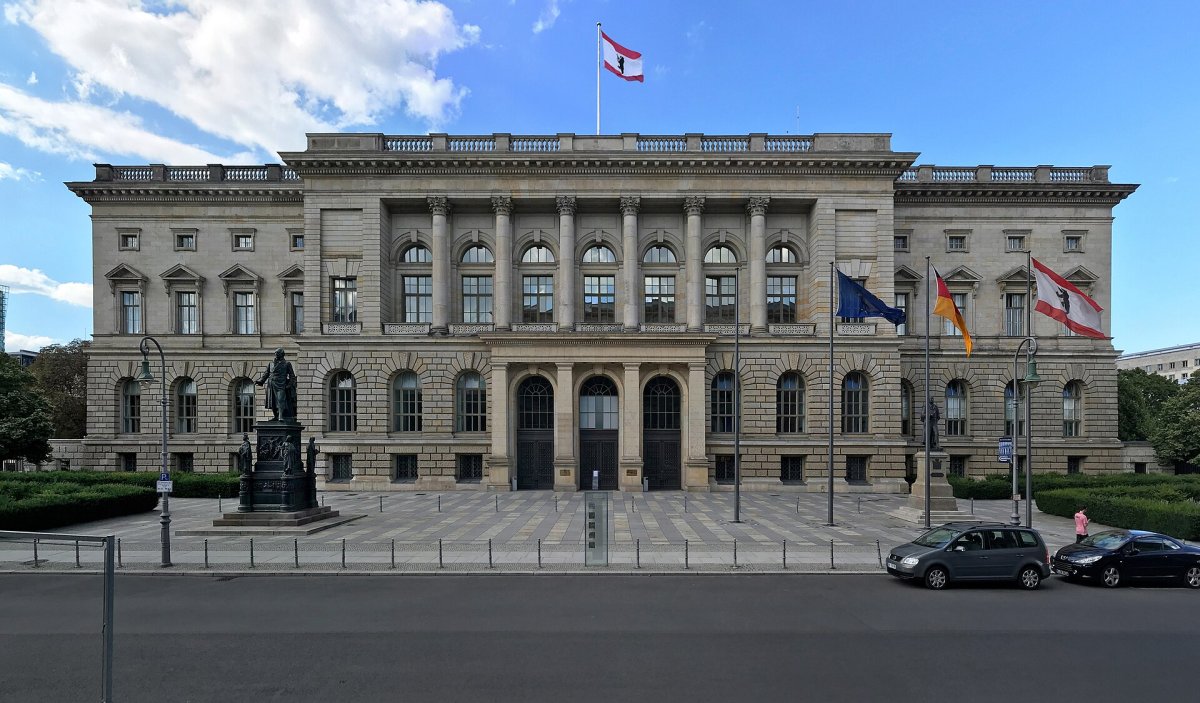
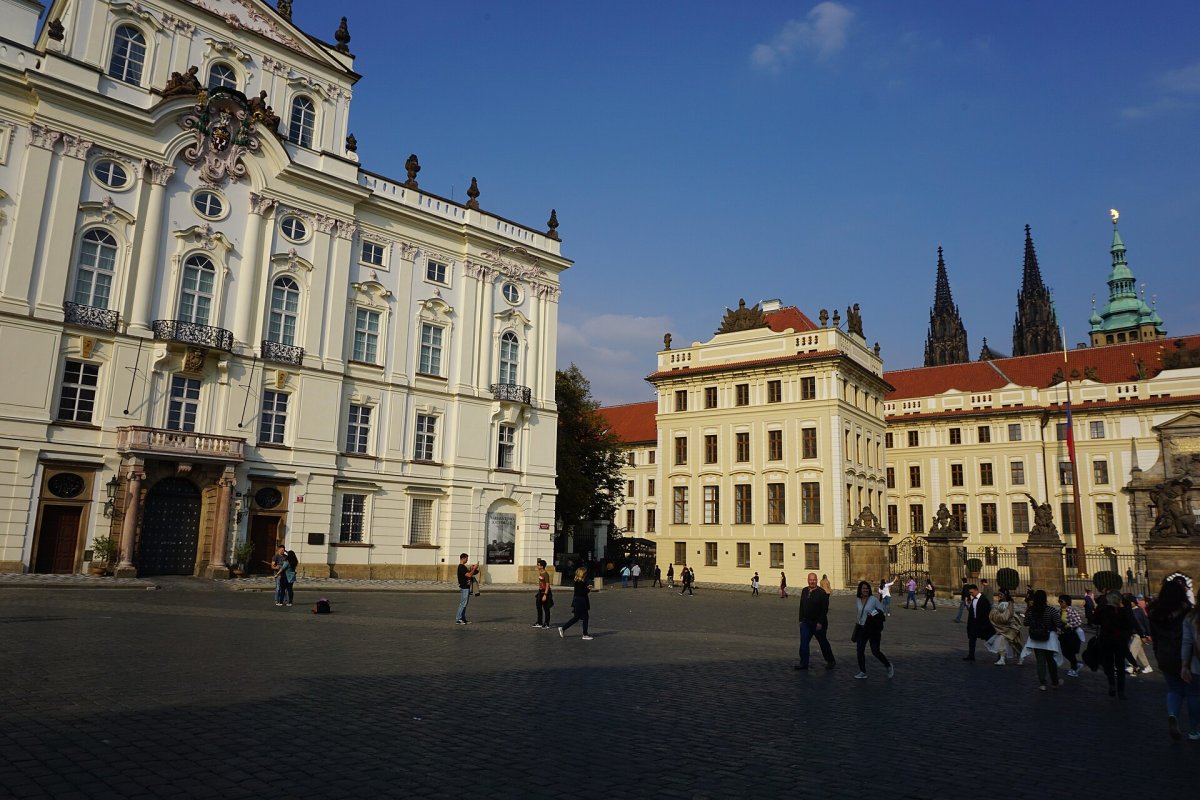
Illustrative photo: The Archbishop's Palace on Hradčany Square in Prague, seat of the Prague archdiocese. Photo: Andrew Milligan sumo / Wikimedia Commons, CC BY 2.0