
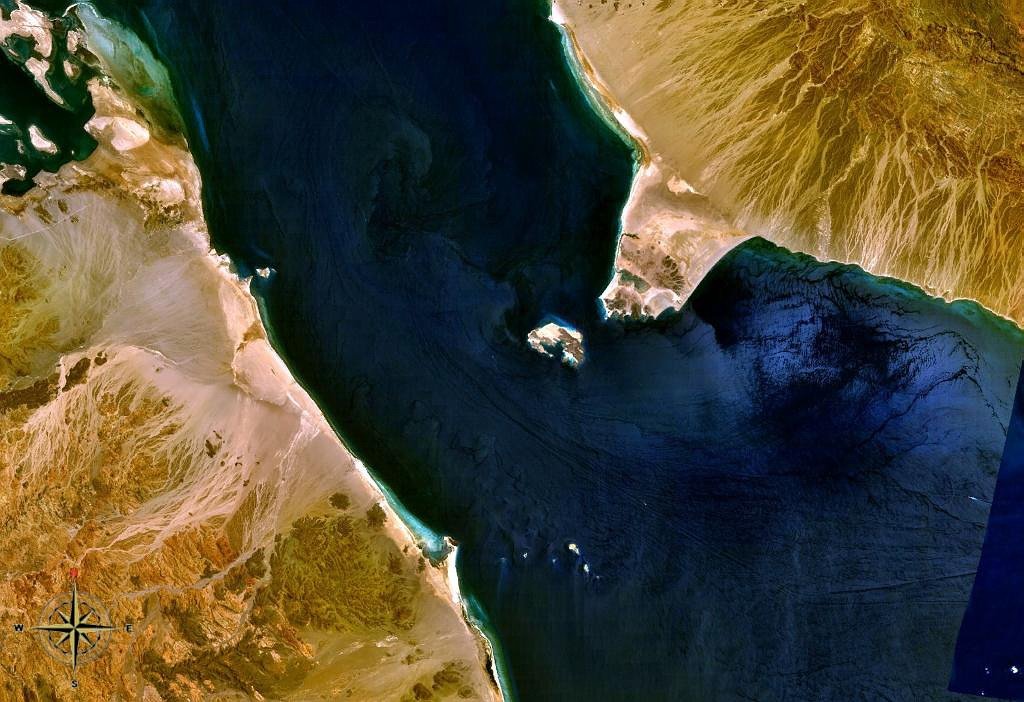


When the Italian company Air BP Italia sent airports emergency notices about restricted jet fuel supplies in early April, it was not a local problem affecting a single supplier. It was the first visible crack in Europe's fuel infrastructure, which has been gradually coming under pressure since the disruption of transit through the Strait of Hormuz in late February. Euronews ↗
At seven Italian airports — Bologna, Milan Linate, Venice, Treviso, Brindisi, Pescara and Reggio Calabria — refueling restrictions have been in place since early April. Flights shorter than three hours may take on a maximum of 2,000 liters — well below the standard consumption of commercial aircraft such as the Boeing 737 or Airbus A320. Priority is given to rescue, state and long-haul flights. Fortune ↗
Italy, however, is not an exception — it is merely first in line. The European airport association ACI Europe has warned the European Commission that if the Strait of Hormuz does not fully reopen within the next three weeks, Europe will face a systemic shortage of jet fuel. According to data from the analytics firm Kpler, the strait accounted for 42 percent of all seaborne kerosene imports into the EU and the United Kingdom. The last tankers that passed through the strait before the blockade arrived at European ports around April 10. After that date, new deliveries from the Persian Gulf have been significantly restricted. Euronews ↗
Estimates by the agency Argus Media, based on Eurostat data, show how many months of commercial jet fuel reserves remain for individual countries: the United Kingdom three months, Portugal four, Hungary five, Denmark six, Italy and Germany seven, France and Ireland eight. According to airport operators, from the end of April to the beginning of May only half of the kerosene Europe needs might remain. These are unofficial estimates that do not account for changes in demand or the specific vulnerabilities of individual airports. Euronews ↗
The question of where to replace the missing fuel from has no simple answer. According to an analysis by Kpler, Europe faces a deficit of 300,000 barrels per day. The US Gulf of Mexico reached a record export of 307,000 barrels per day in January 2026, but monthly volumes rarely exceed one million tons and capacity is limited. The West African Dangote refinery exported around 89,000 barrels per day in 2025. India's Jamnagar refinery could help, but according to Kpler, EU sanctions on derivatives from Russian oil are discouraging buyers. Kpler ↗
Asia is not an alternative — China and South Korea are redirecting supplies to domestic markets. None of the available sources can fully replace the shortfall from the Persian Gulf. Kpler ↗
Airlines are responding differently depending on how well they prepared for the crisis. Scandinavian SAS canceled at least 1,000 flights in April — according to analysts at Aviation Direct, this is because, unlike its competitors, it did not use fuel hedging contracts and is exposed to full market prices. Lufthansa has 81 percent of its fuel for 2026 secured through financial instruments at prices below the current level, but has nevertheless prepared crisis scenarios: reducing capacity by 2.5 percent by grounding 20 aircraft, or by 5 percent with 40 aircraft. Ryanair warned of canceling 5 to 10 percent of flights during the summer. Travel and Tour World ↗
Jet fuel prices have risen 95 percent since the conflict began on February 28 and now exceed 1,700 dollars per ton — the highest level in 40 months. According to Kpler analyst George Shaw, "the effective closure of the Strait of Hormuz has knocked out more than 20 percent of typical global seaborne jet fuel supply." Higher fares, fuel surcharges and capacity reductions could, according to analysts, become the new standard. Euronews ↗
The executive director of the International Energy Agency, Fatih Birol, stated that "there is currently no physical shortage of jet fuel or diesel in Europe." At the same time, however, he warned that this could change within weeks if the disruption of supplies from the Middle East continues. The head of the Italian civil aviation authority ENAC, Pierluigi Di Palma, described the situation as "under control," but acknowledged risks after April. There is no crisis at the moment — but the window is closing quickly. Fortune ↗
For travelers from Slovakia and Czechia, this does not yet mean canceled flights — but it does mean significantly more expensive tickets for the summer, the risk of reduced routes on some lines, and a rapidly changing situation. The key factor remains the Strait of Hormuz: if transit resumes, the pressure will gradually ease. If not, the summer season will be the hardest for European aviation in decades. For now, Europe is flying on reserves from the past — the question is for how much longer.

How long will Europe's jet fuel last: seven countries and a stockpile countdown
🔥 You might also like
📰
Economy & Business
Rheinmetall begins serial production of satellites for the Bundeswehr
German defense group Rheinmetall began serial production of space satellites on October 6. The company is thereby expanding its product portfolio with technolog …
📰
Economy & Business
Inflation in the Czech Republic accelerated to 2.5 percent in September
Year-on-year consumer price growth in the Czech Republic accelerated to 2.5% in September, up from 1.9% in August. Prices were flat month-on-month.

Economy & Business
Merz and von der Leyen flag dispute over EU budget
Merz says an agreement on the EU's future budget will not be reached at first. The European Commission proposes about 1.76 trillion euros in 2025 prices.
From our newsroom original
All →
European Commission in Strasbourg proposes new rules for EU enlargement
Russian drones hit a civilian corn-carrying ship in the Black Sea
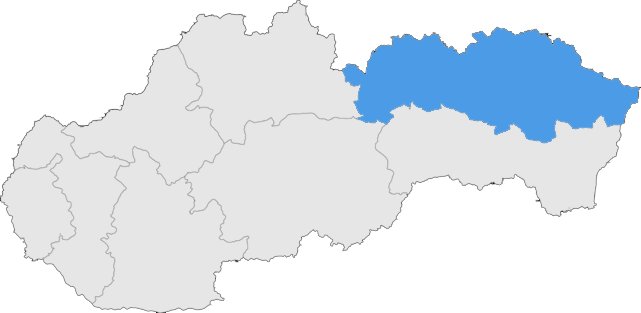
Another candidate withdraws from the race for the Prešov region

Asos customers received an alleged hack alert in the app. The company has not confirmed it
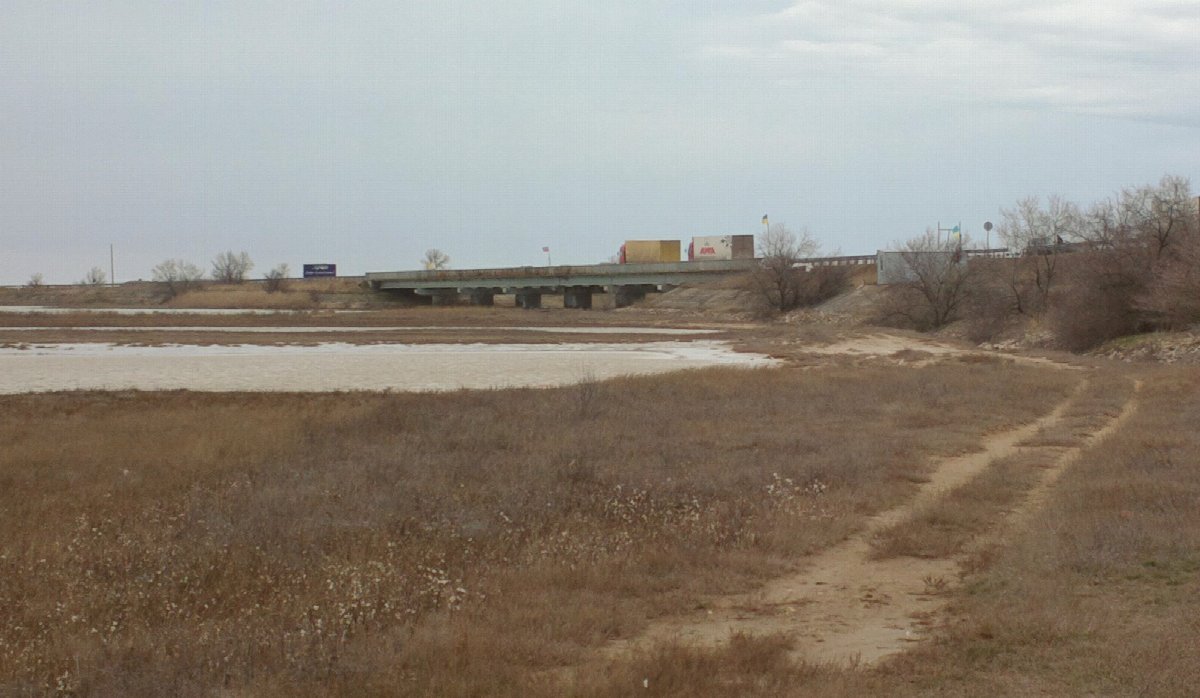
According to OSINT images, a span of the Chonhar Bridge has collapsed. No confirmation yet
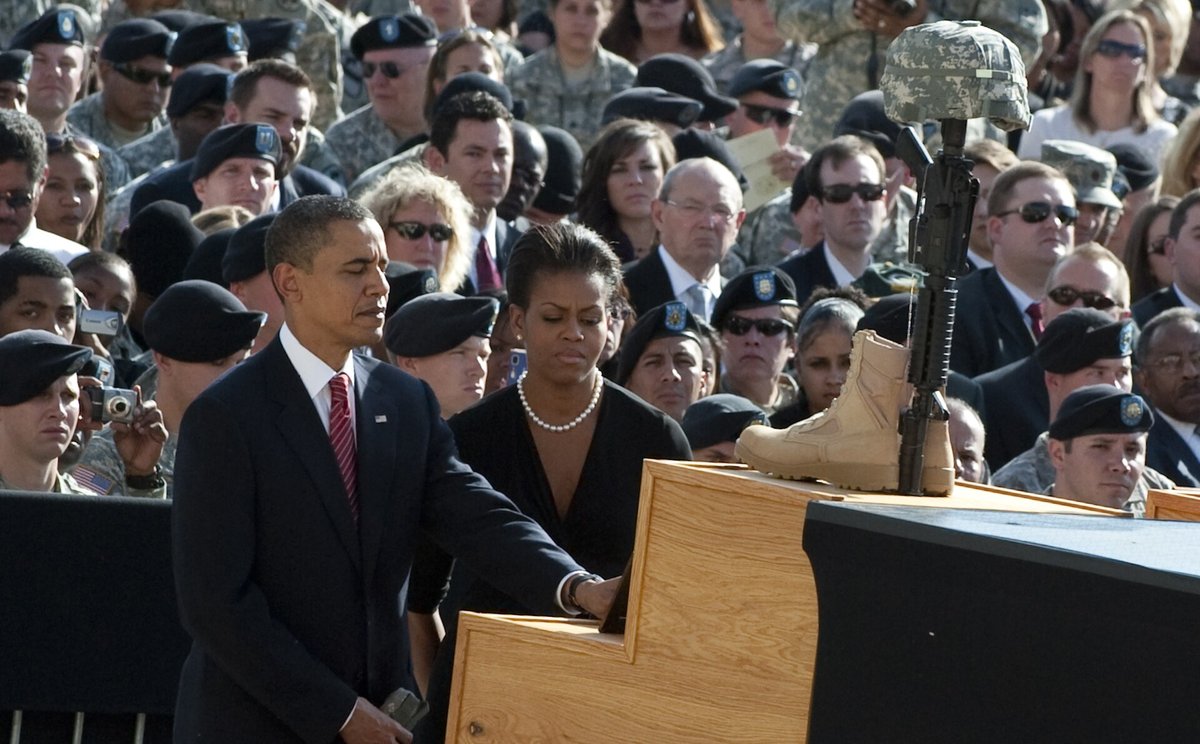
Trump approves execution of Fort Hood shooter by firing squad. Army would carry out first execution since 1961
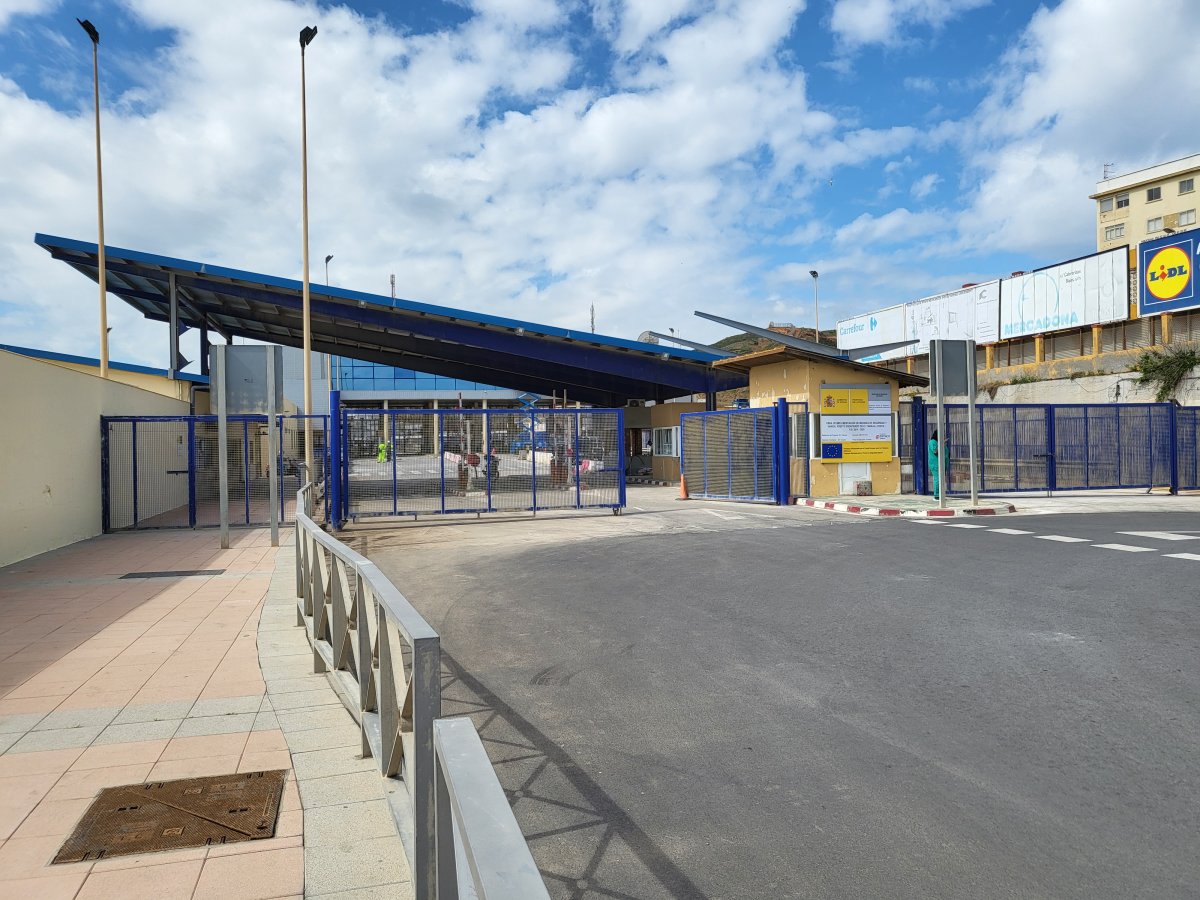
Ceuta: Trampolín beach is cleared before the king arrives, judge sees indications against senior officials
Federal troops reportedly enter Tigray's capital, witnesses say. Ethiopian government has not confirmed it, and front leader vows further strikes