


Key actors — tap for context
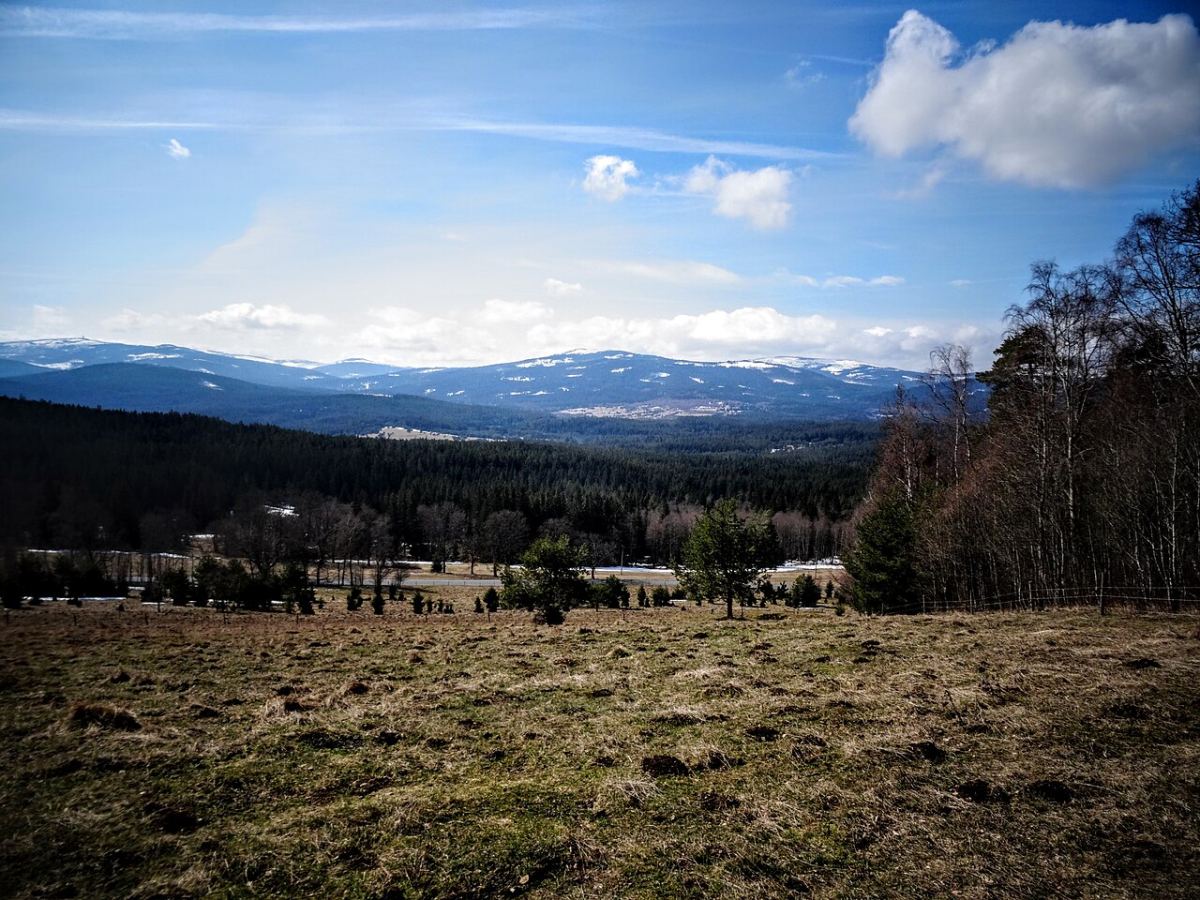
Dniester (Nistru)
a river that rises in the Ukrainian Carpathians and flows through Moldova, supplying drinking water to nearly 80% of the country's population
Why here: Drought and lack of rainfall in the Carpathians have reduced its flow along parts of the river to 25–40% of the multi-year August average
Novodnistrovsk Reservoir
a reservoir in Ukraine on the upper Dniester, its level currently almost 8 meters below the seasonal norm
Why here: Since July 31, Ukraine has reduced outflow from it to 85 m³/s for two weeks, while inflow is only 30–40 m³/s
Vadul lui Vodă
a village near Chișinău with the main pumping station supplying drinking water to the Moldovan capital, built in the 1960s for an optimal level of 9.1 m
Why here: The station's current critical operating threshold is 8.3 m; below it there is a risk of air entering the system and pump failure

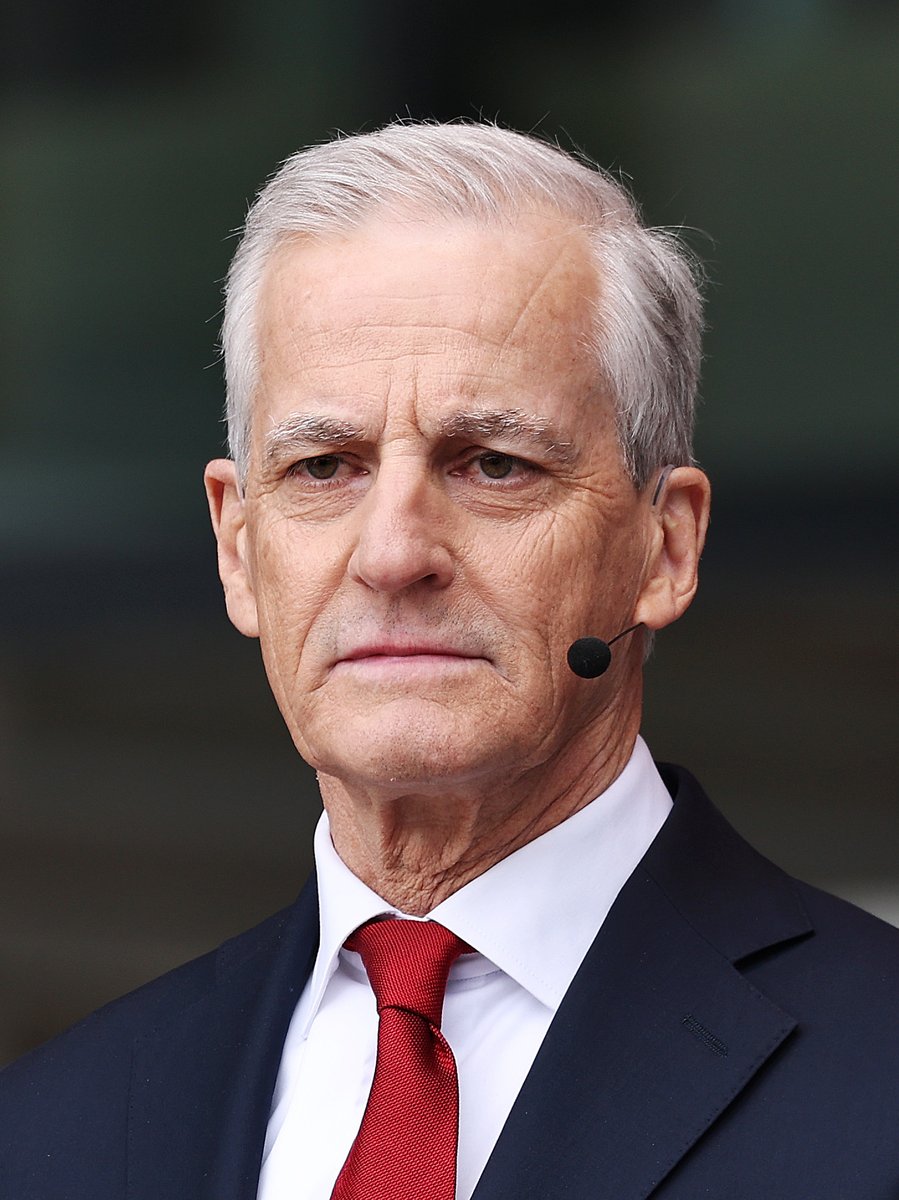
Gheorghe Hajder
Moldova's minister of environment
Why here: Warned of the risk of a water outage in Chișinău and accused the mayor of failing to respond to his requests for information about alternative water sources
More info →
Ion Ceban
mayor of Chișinău since 2019
Why here: Rejected the minister's accusations as an artificially manufactured crisis and political distraction, and announced a complaint to the prosecutor's office
More info →Radu Cazacu
deputy director of the state authority "Apele Moldovei" (Waters of Moldova), with no Wikipedia page of his own
Why here: Explained the technical risk to the pumping station if the water level falls below the critical threshold
Why the water level is falling
The cause lies upstream in the Ukrainian Carpathians, where a lack of rainfall has significantly reduced water reserves in the Novodnistrovsk reservoir — its level is currently almost 8 meters lower than is typical for this time of year. Only 30–40 cubic meters of water per second are flowing into the reservoir, whereas until now 100 m³/s had been flowing out of it toward Moldova. Europa Liberă Moldova ↗ Moldova's State Hydrometeorological Service therefore issued a yellow alert for the Naslavcea–Dubăsari stretch (flow at 35–40% of the multi-year August average) and an orange alert for the Dubăsari–Tudora stretch (25–30%). Following negotiations, Ukraine reduced the reservoir's outflow by 15 m³/s to 85 m³/s for the next two weeks starting July 31. NewsMaker ↗How this threatens Chișinău
Almost the entire drinking water supply of the Moldovan capital depends on the pumping station at Vadul lui Vodă. It was built in the 1960s for an optimal level of 9.1 meters, but the riverbed has since changed and the critical threshold has now dropped to 8.3 meters — a level that can only be maintained if at least 90 m³/s flows in from Novodnistrovsk. Radu Cazacu, deputy director of the state authority "Apele Moldovei," explained that the station has a massive chamber with large intake openings through which water flows in for pumping — if the level falls below the threshold, air begins to enter the chamber, which can cause pump failure. Europa Liberă Moldova ↗ Apă-Canal Chișinău, the main water supplier in the capital, claims the station is operating normally right at the limit, but it refused to allow Europa Liberă journalists inside, citing its status as a strategic facility. A new station funded by the EU and Germany at a cost of €56 million is only planned for the future. Europa Liberă Moldova ↗Political dispute instead of joint action
Instead of unified crisis management, a dispute has flared up in Moldova between the government and the opposition leadership of Chișinău over the issue. Environment Minister Gheorghe Hajder stated that he had been requesting information since March from municipalities supplied by the Dniester, including Chișinău, about alternative water sources in case of drought or contamination, but had received no response from Chișinău's city hall. ProTV Moldova ↗ Mayor Ion Ceban rejected the accusations, claiming that the ruling PAS party is using the issue to artificially divert attention from rising gas prices and public-sector wages, and declared: "If Chișinău is left without water, it will be entirely your fault." He announced that he would turn to the prosecutor's office and would also inform international institutions about the minister's statements. ProTV Moldova ↗Limits of this account
This is not a dispute between Ukraine and Moldova — both sides are negotiating within the joint Dniester Commission, and Ukraine, despite facing its own drought, has kept the outflow higher than it originally proposed. Drought is affecting much of Europe this year, including neighboring Romania, where the company Nuclearelectrica announced on July 27 that, due to an unprecedentedly low level of the Danube, it would carry out a controlled and preventive shutdown of Unit 1 of the Cernavodă nuclear power plant on the morning of July 28, with no impact on nuclear safety, personnel, or the environment BVB/Nuclearelectrica ↗ — which lends credibility to Ukraine's explanation. The domestic dispute between Minister Hajder and Mayor Ceban, by contrast, is difficult to verify independently — both sides have a political interest in shifting responsibility onto the other, and the article is based on their public statements rather than an independent investigation into who actually neglected drought preparedness.What hotinfo is watching
- Will Chisinau impose water use restrictions?
- How does the Haider–Ceban dispute move, including the complaint to prosecutors?
- Will the crisis speed up construction of the new €56m pumping station?
- With releases of 85 m³/s, will the level at Vadul lui Vodă stay above the critical 8.3 m threshold?Otázku predbehol vývoj: režim 85 m³/s vydržal do 11. augusta, keď ho komisia znížila na 75 m³/s, a prítok do nádrže padol 17. augusta na historických 15 m³/s (v prvých augustových dňoch to bolo 38). Primátor Ceban 19. augusta napriek tomu vyhlásil, že zásobovanie Kišiňova ohrozené nie je. https://newsmaker.md/ru/pritok-vody-v-dnestr-prodoljaet-snijatsya-hajder-situacziya-stanovitsya-vse-bolee-nap…
- Will an extraordinary session of the Dniester Commission be called?Áno — Dnestrovská komisia zasadla mimoriadne 31. júla (odtok z Novodnestrovska 100 → 85 m³/s) a keď sa situácia ďalej zhoršila, schválila 11. augusta ďalšie zníženie na 75 m³/s do konca augusta. https://bani.md/criza-apei-se-adanceste-rezervele-scad-iar-debitul-de-apa-din-nistru-va-fi-redus-din-nou/