





Key actors — tap for context
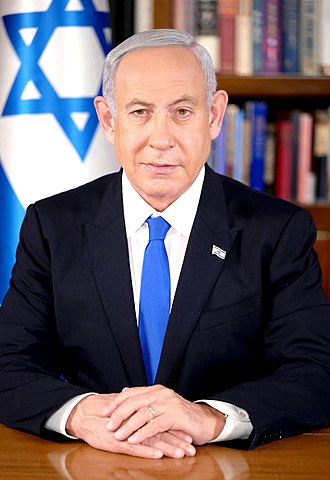
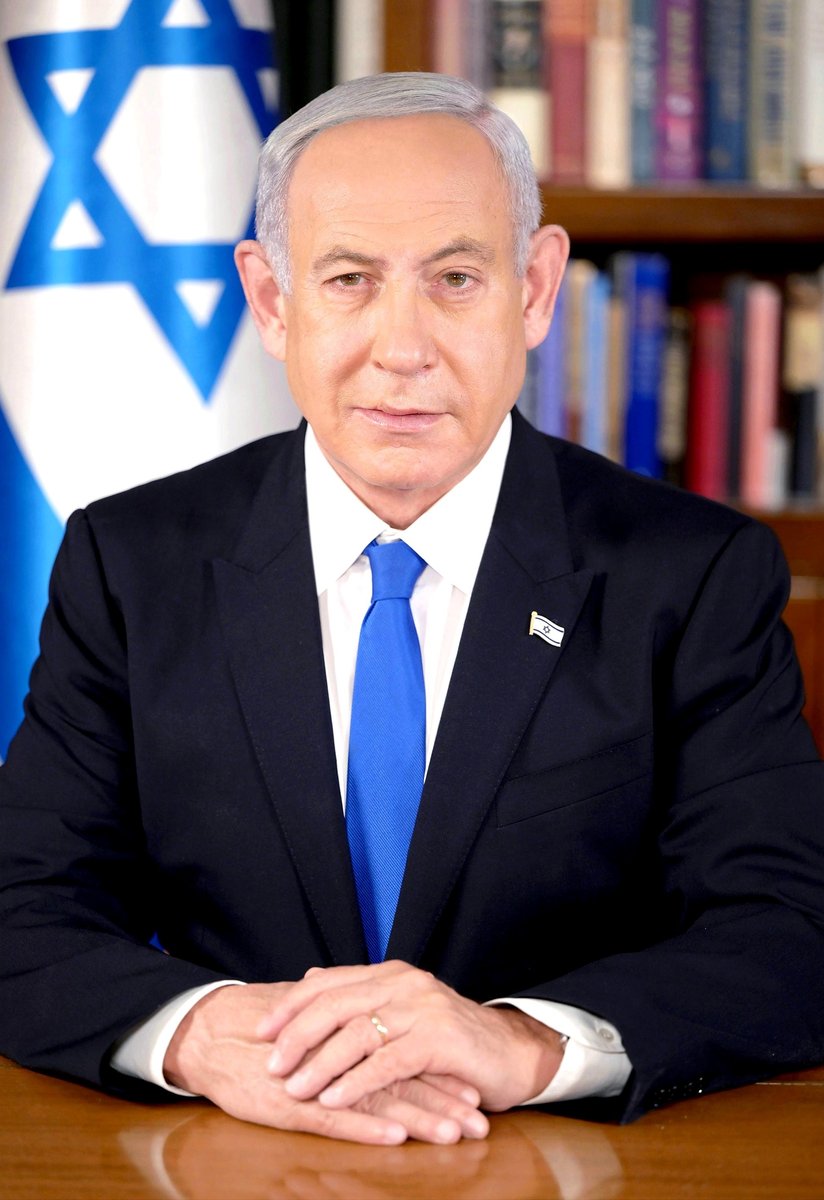
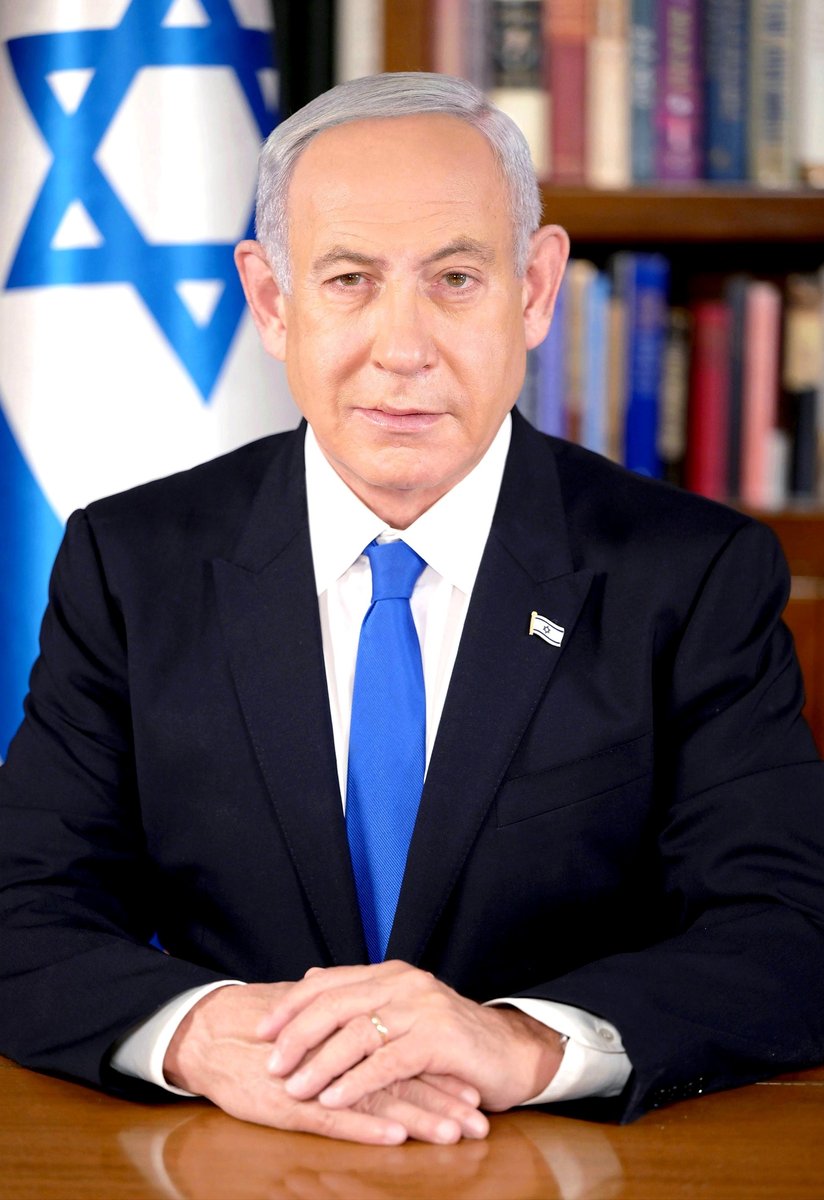
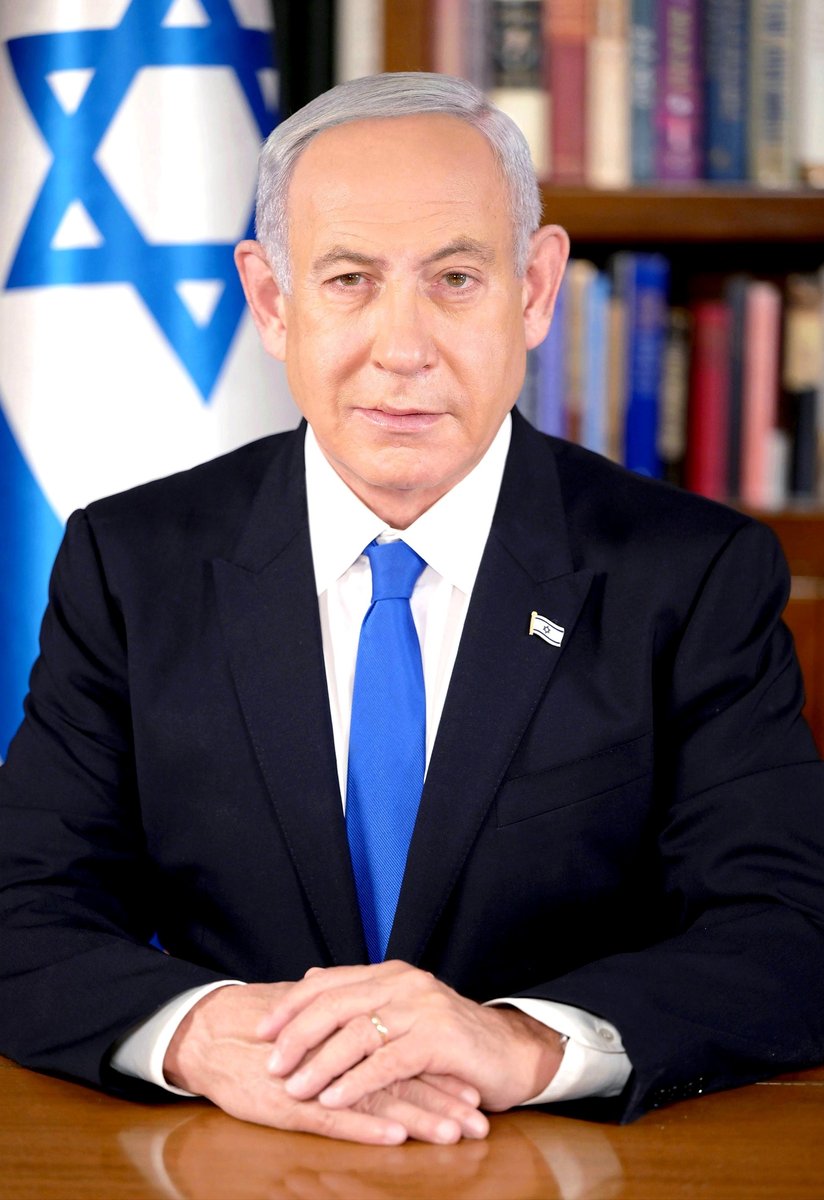
Benjamin Netanyahu
Prime Minister of Israel
Why here: According to Maariv, he personally signed export licenses for Elbit, Rafael, and IAI for deals with Qatar
More info →
Elbit
Israel's largest private arms company
Why here: Supplied the C-MUSIC anti-missile system for Qatari royal aircraft and equipment for F-15 fighter jets
More info →
Israel Aerospace Industries
Israel's state-owned aerospace and defense conglomerate
Why here: Negotiated with Qatar for years; its executives visited Doha more than twenty times
More info →
Rafael
Israel's state-owned arms company (maker of the Iron Dome)
Why here: Signed contracts worth tens of millions of dollars with Qatar
More info →
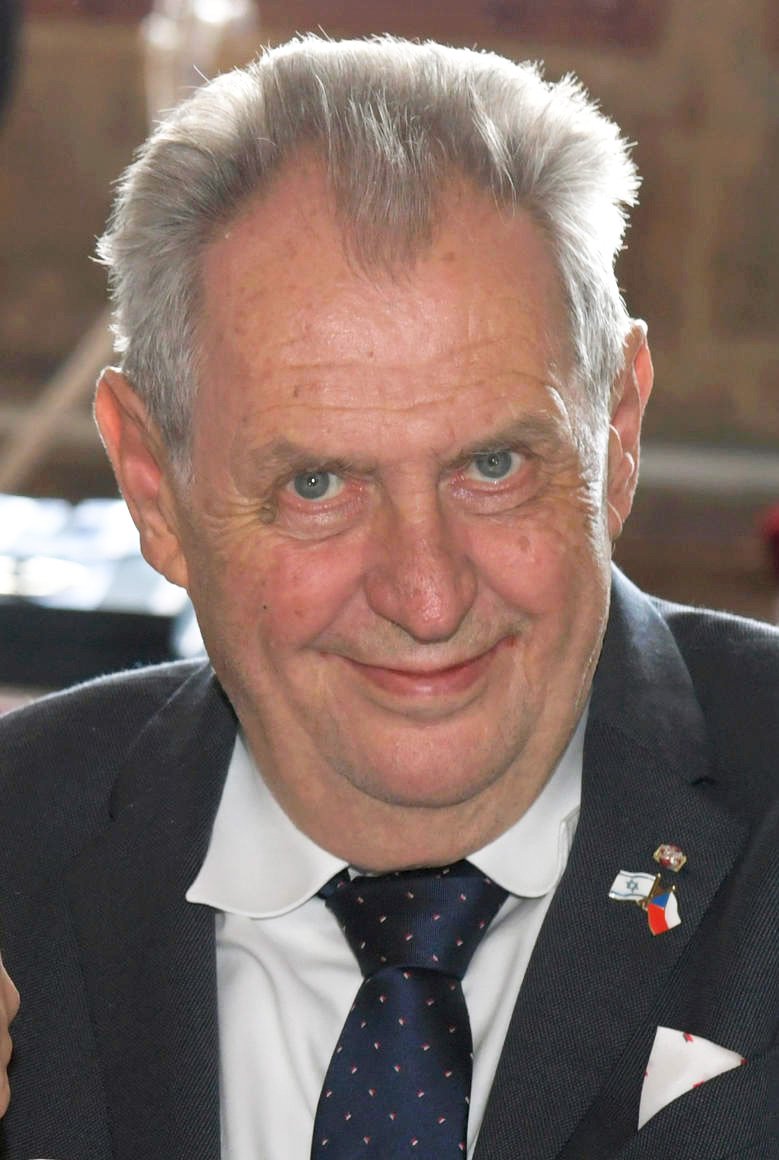
Tamim bin Hamad
Emir of Qatar
Why here: His aircraft, fitted with Israeli anti-missile protection, flew to Iran
More info →
Mohammed bin Salman
Crown Prince of Saudi Arabia
Why here: The country received Israeli helmets and night-vision goggles for its F-15SA fighter jets and is now seeking American F-35s
More info →
Donald Trump
President of the United States
Why here: Approved the sale of 48 F-35 fighter jets to Saudi Arabia, which Israel considers a threat to its military superiority
More info →What Israel sold
According to Haaretz, three of the eleven aircraft belonging to the Qatari royal family have the Israeli-made C-MUSIC system from Elbit installed — an anti-missile defense that intercepts a shoulder-launched missile and disrupts its heat-seeking guidance with a laser beam. The systems were added between 2020 and 2022 during servicing at Basel in Switzerland. The same type of protection also shields the aircraft of the Israeli prime minister and the French president. Haaretz ↗Documents relating to the 2017 US-Qatar contract for F-15QA fighter jets show that Israeli companies won subcontracts worth between $150 million and $250 million. They supplied 160 JHMCS pilot helmets, which project targeting data directly onto the pilot's visor and cost around $200,000 apiece, plus AN/AVS-9 night-vision goggles. Times of Israel ↗
Saudi Arabia received the same equipment as part of its Boeing contract for F-15SA fighter jets — 462 JHMCS helmets and 462 night-vision goggles. Israeli components thus ended up in Arab fighter jets despite Israel having no official diplomatic relations with either Qatar or Saudi Arabia. The flow was secured through American prime contractors such as Boeing. Times of Israel ↗
Who approved the deals
These were not leaks that bypassed state oversight. According to the newspaper Maariv, Elbit, Rafael, and IAI signed contracts with Qatar with the approval of the Ministry of Defense, military intelligence, and a special authorization from Prime Minister Netanyahu. Elbit concluded contracts with Doha worth more than $100 million, Rafael for tens of millions, and IAI executives visited Qatar more than twenty times. Jerusalem Post ↗Most of these negotiations were halted only by Hamas's attack on October 7, 2023 — Qatar has long been criticized in Israel for supporting Hamas and for years of financial flows into Gaza. Both Elbit and Rafael responded to questions only in general terms, stating that they operate in accordance with the rules of Israel's Ministry of Defense and the export control law. Jerusalem Post ↗
The emir's flight to Iran and a disputed "qualitative edge"
This is most starkly illustrated by the emir's aircraft. According to Haaretz, one of the Qatari aircraft protected by the Israeli C-MUSIC system carried Emir Tamim bin Hamad on a visit to Iran. Israeli technology thus guarded a plane heading to the archenemy of the country that manufactured it. Haaretz ↗These revelations run up against a doctrine Israel itself upholds — the so-called qualitative military edge (QME), meaning maintaining a technological lead over its Arab neighbors. It is also called into question by the largest contract in Elbit's history, worth $2.3 billion, which the company described only as a "strategic solution for an international customer," with both the buyer and the system subject to a non-disclosure order. Citing the French website Intelligence Online, Calcalist reported that the buyer is believed to be the United Arab Emirates. Calcalist ↗
Why this is exploding now: F-35s for the Saudis
The revelations come at a sensitive time. Israel is grappling with the planned US sale of up to 48 F-35 stealth fighter jets to Saudi Arabia, which President Donald Trump promised following talks with Saudi Crown Prince Mohammed bin Salman as part of an arms package worth more than $140 billion. Israel is the only country in the Middle East that possesses F-35s, and its general staff sent policymakers an official position opposing the sale, arguing it could seriously undermine its air superiority. Times of Israel ↗Israeli media see a contradiction here. The country invokes its qualitative edge to try to block the American sale of F-35s to the Saudis, yet its own arms companies have for years been eroding that same edge by supplying Arab states with advanced systems — with state approval. According to Ynet, the edge that Congress committed by law in 2008 to protect for Israel is thus being undermined by Israel's own industry. Ynet ↗
Limits of this account
The reports are based on documents and photographs from Haaretz and on sources cited by Maariv — neither the Israeli government nor the companies have confirmed specific figures. Moreover, some of the equipment reached Arab fighter jets legally as part of American contracts via Boeing, rather than through direct sales between Israel and Qatar. And the October 7, 2023 attack froze some deals that were in progress. The distinction between "a component in an American fighter jet" and "a direct strategic sale" is therefore significant. Jerusalem Post ↗What hotinfo is watching
— Whether the Israeli government or Ministry of Defense confirms or denies the Haaretz documents.— The identity of the buyer in Elbit's $2.3 billion contract (Calcalist points to the United Arab Emirates).
— The congressional process and possible objections to the F-35 sale to Saudi Arabia, and the delivery timeline (deliveries are expected from 2029).
— Whether Qatari contracts frozen after October 7, 2023 resume following a ceasefire.
— Reaction in the Knesset and Israeli media regarding the compatibility of these exports with the doctrine of qualitative military edge.