Iberian Lynx: From 94 Individuals to a Record 2,663. How the World's Once Most Endangered Cat Was Saved
17.06.2026 04:17
HotInfo
Share
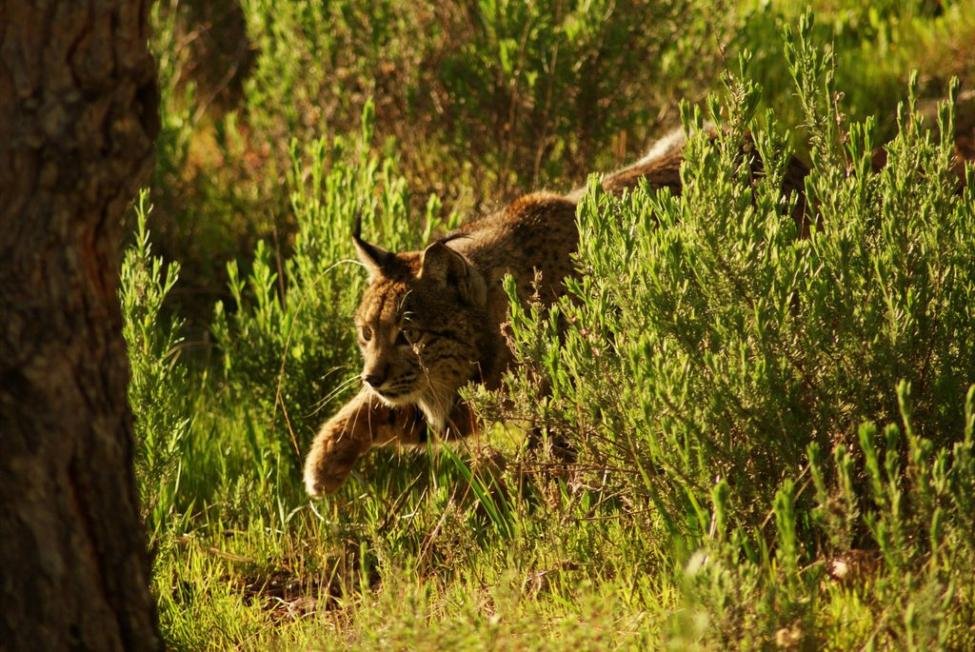
At the start of the century, the Iberian lynx (Lynx pardinus) was considered the most endangered wild cat in the world — in 2002, barely 94 were counted on the Iberian Peninsula. The latest joint census by Spain and Portugal, published in early June, reports 2,663 individuals for 2025. This is a new record. The Madrid daily El Mundo writes of a "miracle," and conservationists call it one of the greatest wild cat recovery stories Europe has ever seen. El Mundo ↗
Key actors — tap for context
IUCN
The International Union for Conservation of Nature, which compiles the Red List of Threatened Species.
Why here: In June 2024, it reclassified the Iberian lynx from "Endangered" to the milder "Vulnerable" category.
LIFE Programme
The European Union's main financial instrument for nature conservation.
Why here: For years it has funded captive breeding of lynxes and their release into the wild.
MITECO
Spain's Ministry for Ecological Transition.
Why here: Coordinates the annual census and lynx conservation together with Portugal.
Numbers That Grow Year After Year
The population grew by 10.9% year-on-year and has doubled over the past four years — in 2021, only 1,365 lynxes were still alive. Of the latest count, 2,269 animals are in Spain (85%) and 394 in Portugal. The largest numbers are in the Castilla-La Mancha region (1,051, nearly half of Spain's population) and in Andalusia (885), where the recovery effort once began. The census also recorded 542 territorial females — a key figure, since it is precisely the breeding females that determine the species' future. MITECO ↗
What Made the Difference
The turnaround was no accident. It was driven by a captive breeding and reintroduction program, funded mainly by the EU's LIFE programme, by the recovery of wild rabbit populations (the lynx's main prey, previously decimated by disease), by land purchases and habitat restoration, and by close cooperation between Madrid and Lisbon. The species' range expanded from 449 km² in 2005 to more than 3,300 km². This is precisely why the International Union for Conservation of Nature (IUCN) reclassified the Iberian lynx in June 2024 from "Endangered" to the milder "Vulnerable" category — a historic step for a species that until recently stood on the brink of extinction. IUCN ↗
Why It's Not Time to Celebrate Yet
The success has a darker side too. In 2025, 273 lynx deaths were recorded, and nearly 78% of them were killed by cars — roads remain their biggest killer. The target for a favorable conservation status, namely 750 breeding females, has been reached at only about 72%, meaning the species still has a long way to go before it is safe. Conservationists also point out that the entire population grew from a small handful of animals, and so it carries the risk of genetic relatedness. BBC ↗
What hotinfo Is Watching
Next year's census will show whether the growth continues past the 2,700-individual mark. We're watching whether the population manages to cross the threshold of 750 territorial females, a condition for "favorable status," and whether Portugal expands its still-smaller population.