
Key actors — tap for context

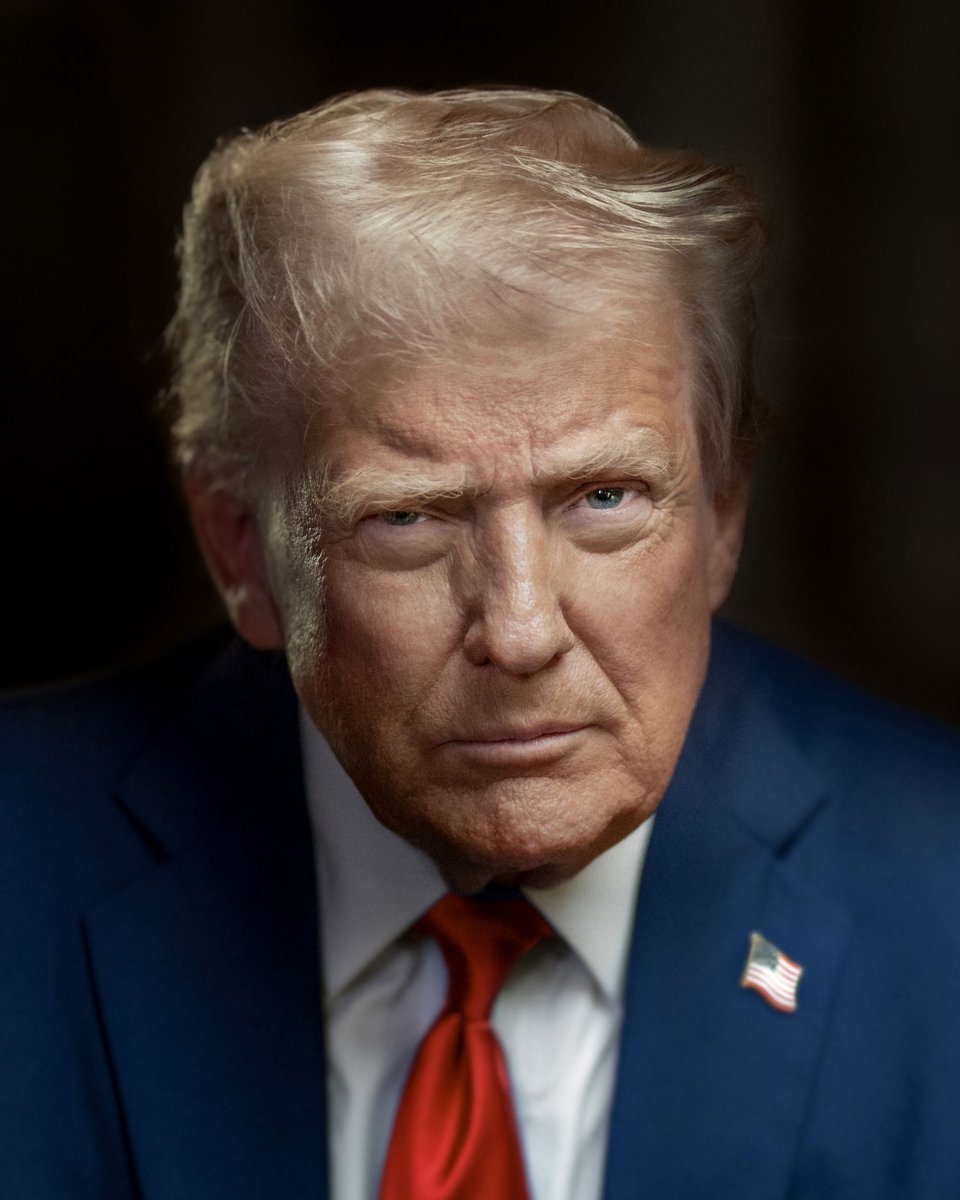
Donald Trump
47th President of the United States, celebrating his 80th birthday
Why here: Announced that the framework deal will be signed today and Hormuz will open immediately; threatens a "final alternative."
More info →
Abbás Aráqčí
Minister of Foreign Affairs of Iran
Why here: Iran's chief negotiator and also the target of street protests against the deal.
More info →Esmáíl Baghaí
Spokesman for Iran's Ministry of Foreign Affairs
Why here: Officially pumping the brakes on Trump's timeline — he says there will be no signing tomorrow.

Šehbáz Šaríf
Prime Minister of Pakistan
Why here: Key mediator; announced finalization within 24 hours and an electronic signature.
More info →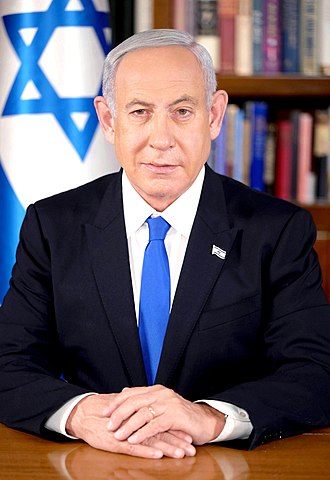
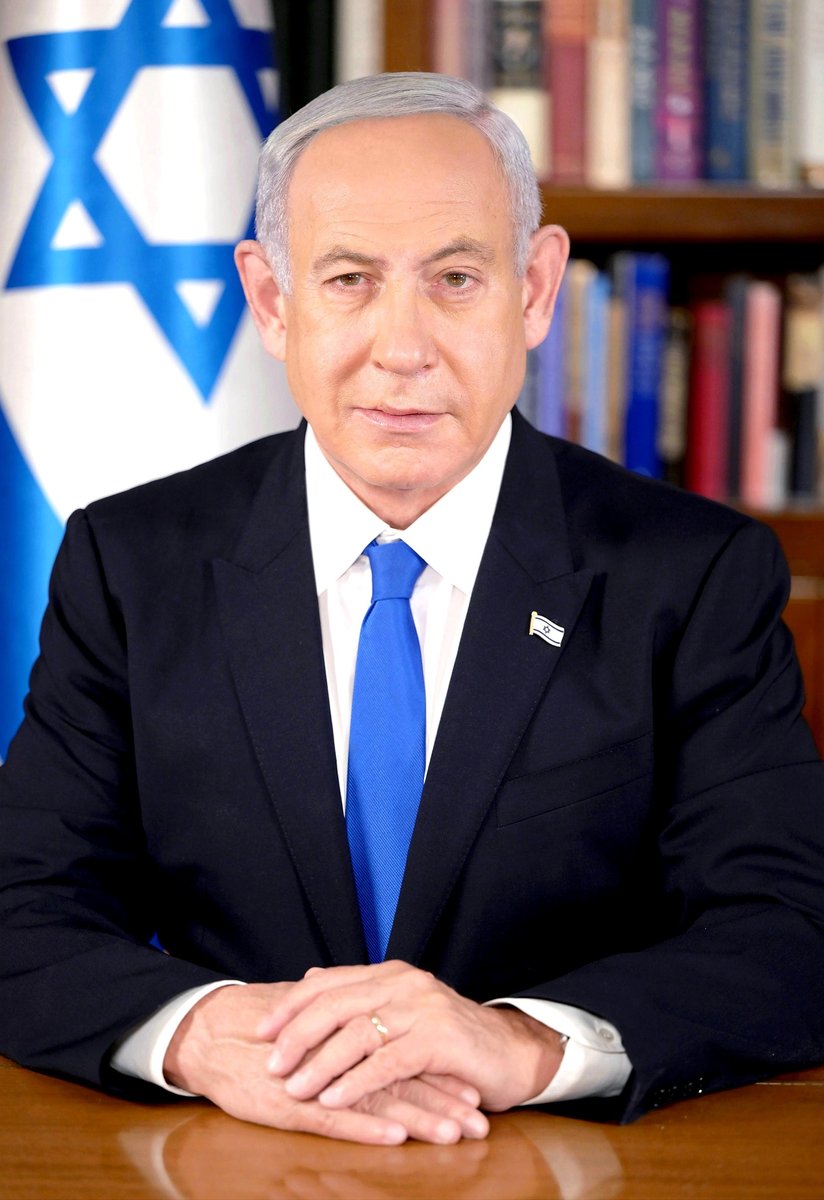
Benjamin Netanjahu
Prime Minister of Israel
Why here: Israel is not a party to the deal; at odds with Trump over Israeli strikes in Lebanon.
More info →
Alí Chameneí
Late Supreme Leader of Iran
Why here: Did not survive the war; Tehran is preparing his funeral for July 4–9 as a major demonstration.
More info →Revolučné gardy
Iran's elite armed force (Pasdaran)
Why here: The war has consolidated their power, and they have no reason to rush into a concessionary deal.
What the deal is supposed to contain
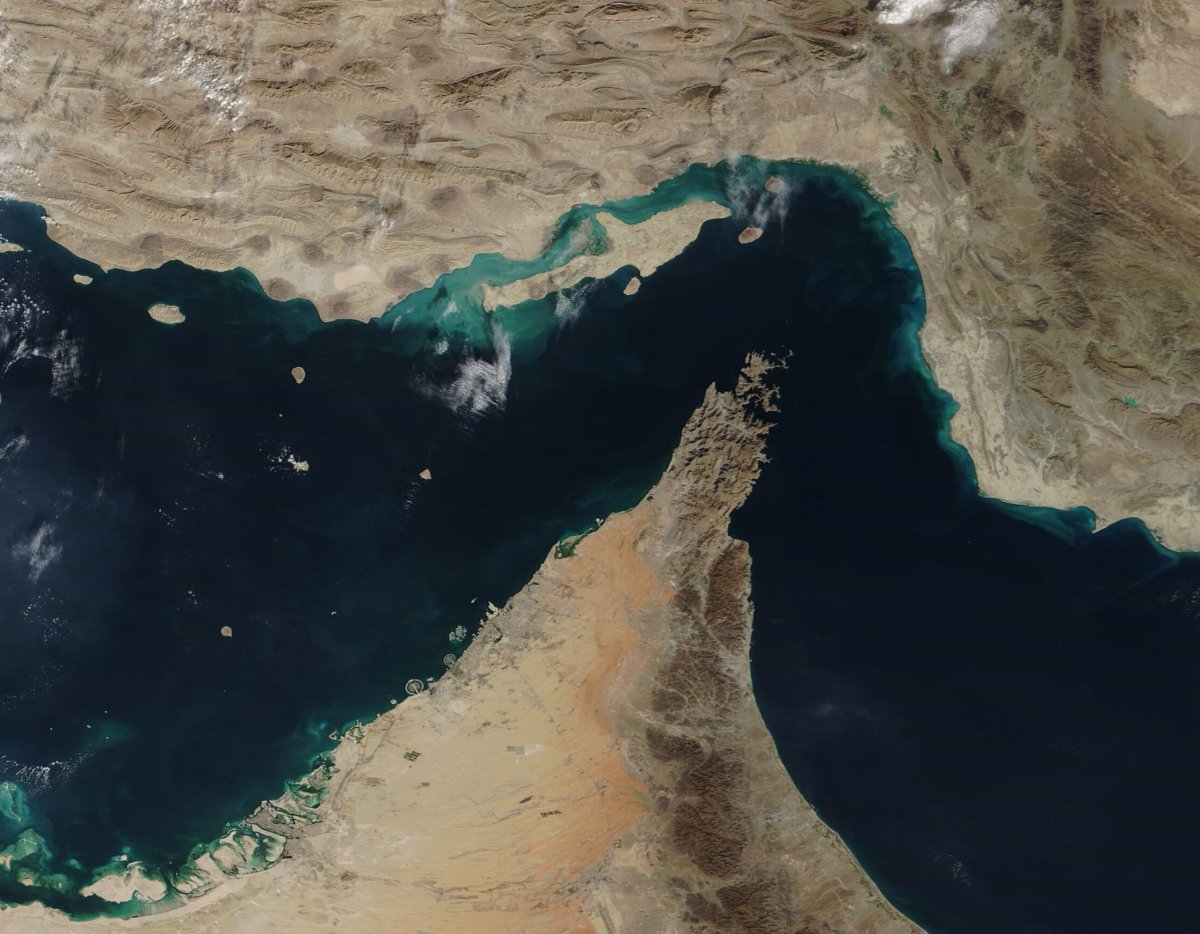
According to the draft memorandum described by Reuters sources, the core of the deal is a trade-off: Iran will reopen the Strait of Hormuz — the artery through which roughly 20 percent of the world's seaborne oil shipments passed before the war — and the US will lift the naval blockade in return. Demining the strait is meant to be a later phase, one that, according to a US official, could involve G7 countries. RTÉ ↗Iran's nuclear program — the official reason the US entered the war — is only to be negotiated during a 60-day window after signing. A US official claims the deal will ultimately lead to the dismantling of the program and the destruction and removal of Iran's stockpiles of highly enriched uranium. For now, though, this is only the American interpretation of the goal of talks that have yet to even begin — the fate of Iran's uranium is in fact one of the most contentious points. Trump, in his own style, described it as "nuclear dust buried deep under massive granite mountains" that Americans will "come get once everything calms down." CNBC ↗
Money remains a point of contention. The draft envisions Washington beginning to unfreeze billions of dollars in frozen Iranian assets and lifting sanctions on Iranian oil exports. Trump, however, declared on Saturday that "no money will change hands" — which contradicts Iran's interpretation, under which the release of assets is an integral part of the deal. Tehran also insists it will charge fees for passage through Hormuz and that foreign military bases in the region must be shut down. RTÉ ↗
Why Tehran is stalling
The gap between Trump's "today" and Iran's "not yet" is more than just a matter of protocol. According to experts, the war that the US and Israel launched on February 28 has paradoxically strengthened the hardline core of the Revolutionary Guards — who have no reason to rush into a deal that part of the Iranian establishment views as a retreat. RTÉ ↗The resistance also showed up in the streets. Videos from Tehran, which Reuters could not independently verify, showed opponents of the deal in front of the Foreign Ministry building chanting against Minister Abbás Aráqčí: "Aráqčí, shame on you, leave America alone!" Disapproval of the framework deal was also voiced loudly at pro-government rallies. RTÉ ↗
The consolidation of power after Chameneí's death is also a factor in the background. Supreme Leader Alí Chameneí did not survive the war; according to Iranian state media, his funeral is to begin on July 4 and he is to be buried on July 9 in his native Mashhad. Tehran is preparing the six-day mourning ceremonies as a demonstration of "victory" — rhetoric that sits uneasily alongside signing a concessionary deal. The Independent ↗
Israel as the wild card
The biggest unknown remains Israel, which keeps repeating that it is not a party to the US-Iran deal. According to the Israeli military, it struck more than 70 targets in Lebanon against Iran's ally Hezbollah in just the past 24 hours. Prime Minister Benjamin Netanjahu has clashed with Trump precisely over whether Israel should ease up in Lebanon so that Washington can even conclude the deal with Tehran. RTÉ ↗Iranian Minister Aráqčí acknowledged on Friday that changes to the deal are still possible, but also stated that the preliminary agreement proves his country emerged from the conflict stronger — a message aimed at the domestic audience, not Washington. RTÉ ↗
Stagecraft versus reality
Trump's Saturday message ended with a veiled threat: if things "don't go smoothly," the US has a "final alternative it hopefully will never have to use" ready. A senior administration official also admitted on Friday that they were not "one hundred percent" certain the deal the parties had agreed on would actually be signed. The birthday timing may therefore be more Trump stagecraft than an accurate reflection of where things actually stand. CNBC ↗What hotinfo is following
- Whether the framework deal is signed today, "in the coming days," or at all.
- Hormuz: the actual reopening of the strait and its impact on oil prices.
- The dispute over frozen assets — Trump's "no money" versus Iran's "integral part."
- Israel: whether Netanjahu scales back strikes in Lebanon or sidesteps the deal with his own escalation.
- The 60-day nuclear talks and the fate of Iran's highly enriched uranium.
- The succession after Chameneí and the Revolutionary Guards' further consolidation of power.