

What dominated
The biggest story is the lawsuit. Florida has become the first US state to sue OpenAI and its CEO Sam Altman. Attorney General James Uthmeier claims that ChatGPT creates dependency in minors and encourages them toward harmful behavior, and that the company concealed the risks, according to the lawsuit. SME ↗ iDNES ↗ This marks a shift from earlier family lawsuits to the state level.Also read: Editorial pick: Artificial Intelligence — friendly chatbots nod along even to nonsense
The second topic was upcoming stock market listings. Anthropic filed a confidential application to go public on a US stock exchange, and after a new investment round its valuation approached one trillion dollars, putting it, according to the private market, above OpenAI. e15 ↗ Seznam Zprávy ↗ Together with SpaceX and OpenAI, a trio of companies is thus heading to the trading floor, whose shares will also reach Slovak investors via exchange-traded funds. Denník N ↗ Analysts, meanwhile, are warning of overheating and a possible "bubble" in the second half of the year. Startitup ↗
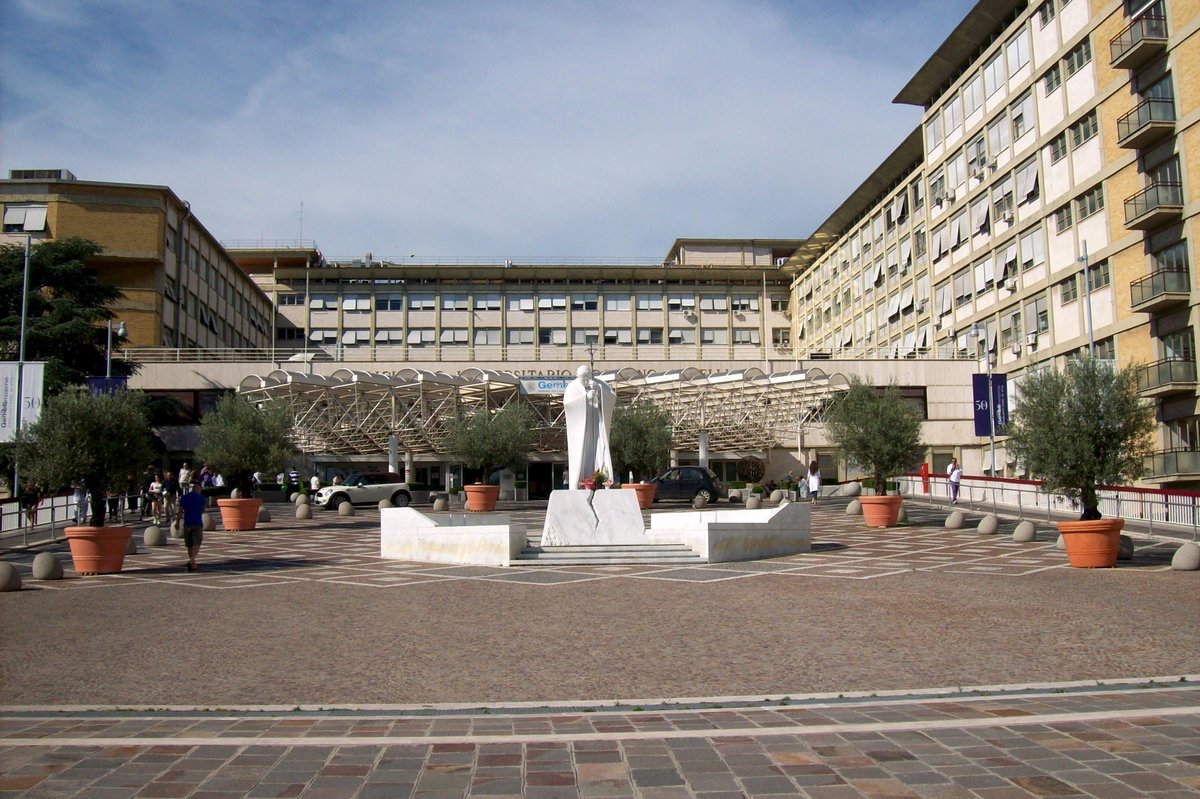
In addition, two milestones. The ChatGPT app, according to estimates by Sensor Tower, exceeded one billion monthly users in May, roughly three years after launch. Hospodárske noviny ↗ And Pope Leo XIV devoted part of his first encyclical, Magnifica humanitas, to artificial intelligence, calling for it not to become a tool of domination and exclusion. Techbox ↗
Under the radar
The harshest news about the labor market came from banks. According to Morgan Stanley analysts cited by Bloomberg, the rapid development of artificial intelligence could allow European banks to cut staff numbers by as much as a fifth. Hospodárske noviny ↗ This is an estimate, not an announced round of layoffs, but it indicates where companies expect the most from automation.Also escaping much attention was the first major quantification of AI's environmental footprint. A United Nations University report estimates that data centers consumed around 448 terawatt-hours of electricity in 2025, which would place them 11th in a ranking of electricity consumption by country, just below France. By 2030, their consumption is projected to exceed 945 TWh, consume more than nine trillion liters of water, and produce 399 million tons of CO2 equivalent. SME ↗ Austria's Der Standard framed the water consumption forecast for data centers as equivalent to the needs of 1.3 billion people. Der Standard ↗ Slovak media mainly picked up on the UN's call for companies to disclose their footprint.
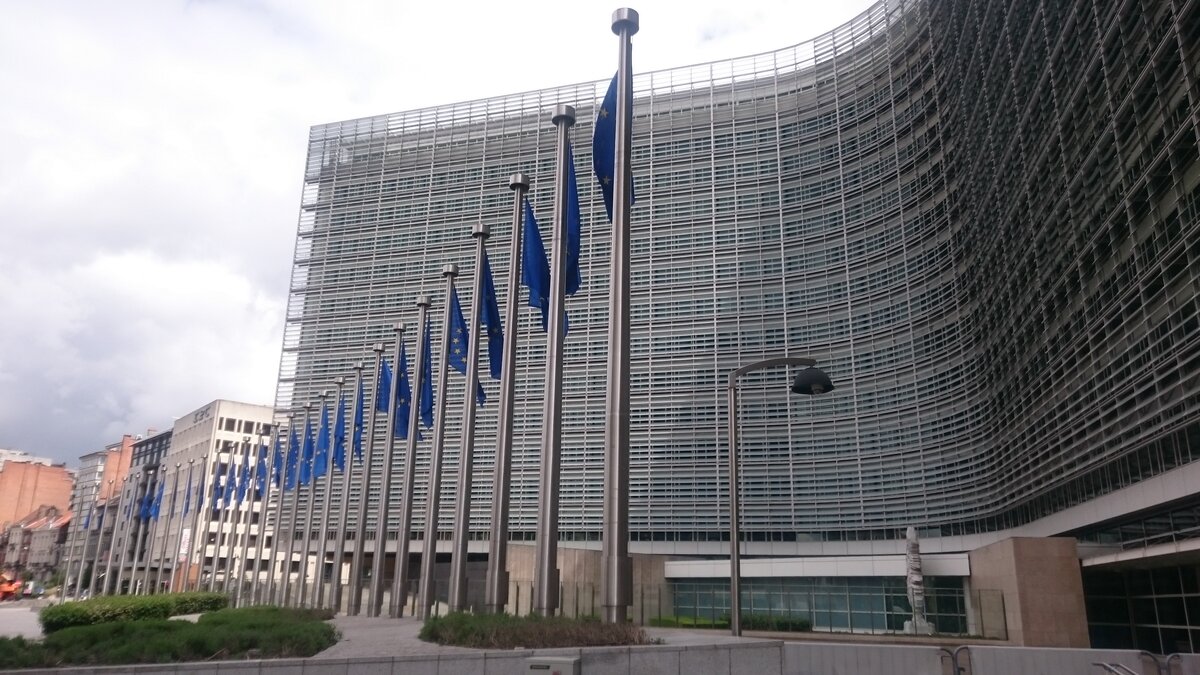
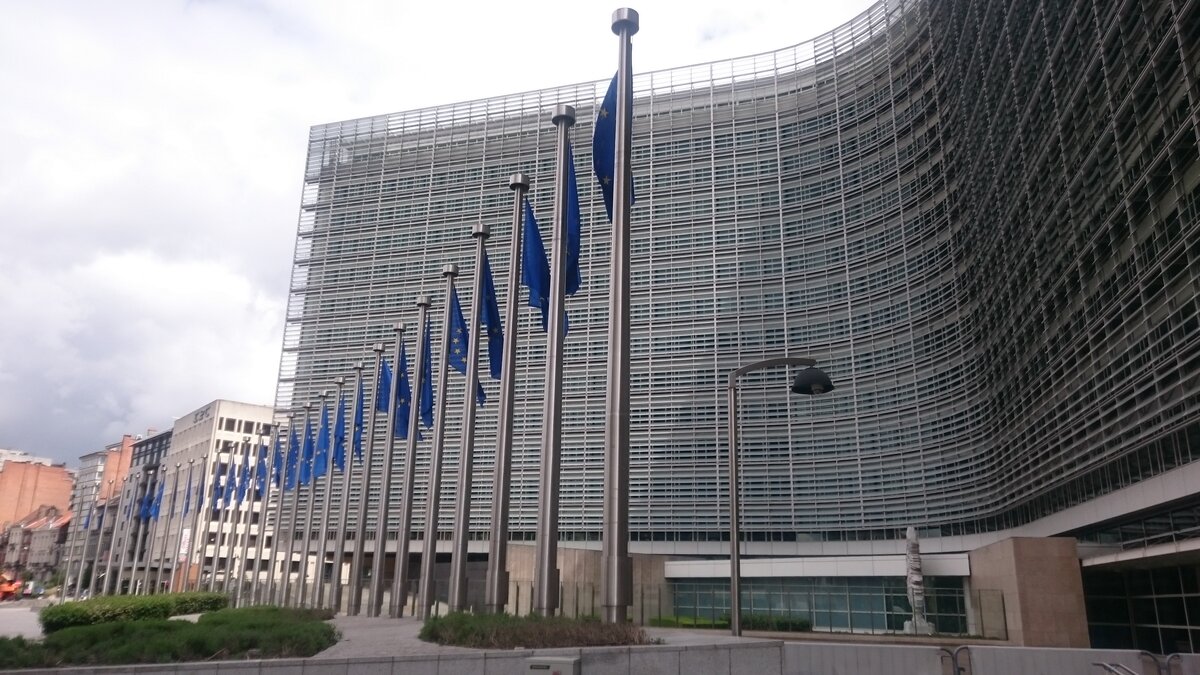
The European storyline was quieter than the American news. The Commission presented a technological sovereignty package aimed at reducing dependence on American and Chinese companies in chips, cloud, and AI itself. ORF ↗ German and Spanish outlets read it as an attempt to gain control over European citizens' data, while Slovak news coverage largely bypassed it.
A new generation of models also passed with little attention. Anthropic released Claude Opus 4.8, which it presents as its most capable publicly available model to date, with improved coding performance and long agentic tasks. The Czech outlet Smartmania highlighted that the model is reportedly able to admit its own mistakes, which is not usually a given with chatbots. Touchit ↗ Smartmania ↗
What to watch
- Whether other states will follow Florida's lawsuit, and what precedent this sets for chatbot makers' liability.
- The timing and valuations of Anthropic's, OpenAI's, and SpaceX's stock market listings, and whether the "bubble" warnings materialize.
- The fate of the European technological sovereignty package in the legislative process.
- Whether UN pressure leads to mandatory disclosure of AI's energy and water footprint.