Following Saturday's strikes, the week since April 26 ranks among the deadliest periods since mid-April. On Thursday, May 1, 17 people were killed in airstrikes in southern Lebanon, including two children, and 35 were wounded, among them nine children and eight women. The Independent ↗ Earlier in the week, so-called "double-tap" strikes — a second missile targeting rescuers responding to the first — killed nine people, including three paramedics, according to Lebanese authorities. The Independent ↗
Also read: Lebanon reports 2,509 dead since March. Israel's second war remains out of the spotlight
Southern Lebanon: warnings, casualties and Hezbollah strikes
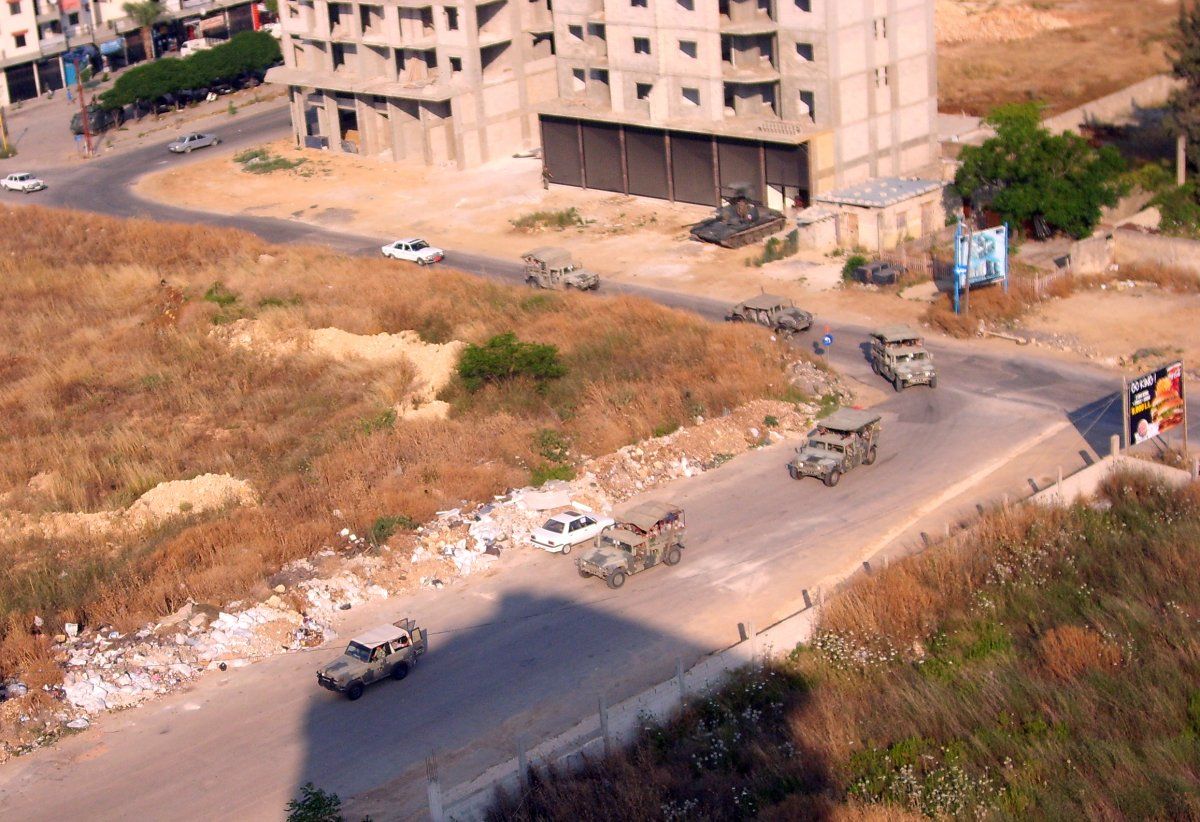
On Thursday, the Israeli army expanded evacuation calls to fifteen villages in southern Lebanon, several of them lying outside the so-called "Yellow Line" — a ten-kilometer strip from the border where Israel has reserved the right to operate even during the ceasefire. BBC ↗ The Lebanese National News Agency (NNA) reported that Israeli soldiers carried out extensive detonations in the town of Shama and, in the village of Yaroun, "demolished a monastery and a school" belonging to a religious order, following earlier demolitions of homes, shops and roads. RTE ↗On Friday, Lebanon's Health Ministry raised the cumulative toll since March 2 to more than 2,600 dead, including 103 medics and paramedics. Xavier Castellanos, Under Secretary General of the International Federation of Red Cross and Red Crescent Societies, said Lebanese volunteers "fear for their lives on every mission." The casualties also include two Lebanese Red Cross paramedics. RTE ↗
Hezbollah reports its own strikes on Israeli forces in southern Lebanon, including a drone attack on soldiers in the Bint Jbeil district. BBC ↗ At the same time, the Israeli army presents its operations as preventive — a video from earlier in the week showed a controlled demolition of a Hezbollah tunnel complex beneath one of the main roads. Pravda ↗
Washington pushes for a direct summit, Beirut divided
On Thursday, May 1, the US Embassy in Beirut called on X for a direct meeting between Lebanese President Joseph Aoun and Israeli Prime Minister Benjamin Netanyahu, to be mediated by US President Donald Trump. "Lebanon stands at a crossroads. Its people have a historic opportunity to reclaim their country," the embassy stated, according to a report by the German news agency DPA. The meeting should "provide Beirut with concrete guarantees regarding full sovereignty, territorial integrity and secure borders, guaranteed by the United States." Aktuality / DPA ↗Lebanese and Israeli officials met twice in Washington this month — the first direct talks between the two countries, which do not recognize each other, in decades. President Aoun is conditioning direct talks on Israel's full compliance with the ceasefire and says Beirut is waiting for Washington to set a date for the planned talks. Aktuality / DPA ↗
Beirut is divided over the next step. Aoun wants to "turn the ceasefire into a more permanent agreement," while parliament speaker Nabih Berri, a longtime Hezbollah ally, has opposed the direct format, calling it risky. Hezbollah itself rejects direct negotiations and also rejects Beirut's earlier commitment to disarm the movement. BBC ↗
The "Yellow Line" and the outlines of the old security zone
Tagesschau reporter Bettina Meier spent a day in early May at Israel's northern border with Moran Levanoni, a veteran of the first Lebanon war from the Institute for National Security Policy. "It doesn't feel like a ceasefire to me," Levanoni commented on the machine-gun fire from Bint Jbeil. As a young officer in the 1980s, he experienced Israel's "security zone" — a fifteen-kilometer strip in southern Lebanon meant to protect northern Israel. Following Israel's 1982 invasion and Hezbollah's rise in the 1980s, hundreds of Israeli soldiers and thousands of Lebanese died there over eighteen years; a helicopter collision in 1997 while resupplying zone outposts cost Israel 73 soldiers and became a turning point in public opinion. Tagesschau ↗Netanyahu declared this week that "the security zone in southern Lebanon prevents terrorists from penetrating northern Israel." Rachel Madpis Ben-Dor from the town of Rosh Pina in northern Israel responded in the same report: "It's not even déjà vu. It's copy-paste. Then and now, the government claims it's protecting the citizens of the north. Back then we exposed Netanyahu's lie about a war that was supposed to bring peace. That was 26 years ago." Tagesschau ↗ Today's buffer zone spans ten kilometers, and according to the army, Israel will operate there "until the threat from Hezbollah disappears." BBC ↗
UAE warns against travel, EU remains without its own format
On Friday evening, the United Arab Emirates' Ministry of Foreign Affairs announced a travel ban for its citizens to Iran, Iraq and Lebanon "in view of current regional developments" and called on all citizens currently in these countries to "expedite their immediate return." Der Spiegel ↗ The diplomatic signal from the Gulf came on the same day Aoun stated that Beirut was awaiting a date from Washington.The European Union has not presented its own publicly known diplomatic format over the past week. France, which traditionally has the strongest footprint in Lebanon, has repeatedly accused Israel of violating the ceasefire, according to the British newspaper, but has not formulated a political alternative to the American approach. The Independent ↗
What hotinfo is following
- Mid-May ceasefire deadline: the April agreement was extended by three weeks and expires in mid-May. The question is whether the US will push for a further extension or a shift toward an Aoun–Netanyahu summit.
- Aoun–Netanyahu summit: if it takes place, it would be the first direct meeting between the leaders of two countries that do not recognize each other. Hezbollah and Berri reject it.
- Hezbollah after February's change in Iran: who in Tehran is taking over the Lebanon portfolio and whether this will be reflected in the intensity of Hezbollah's attacks.
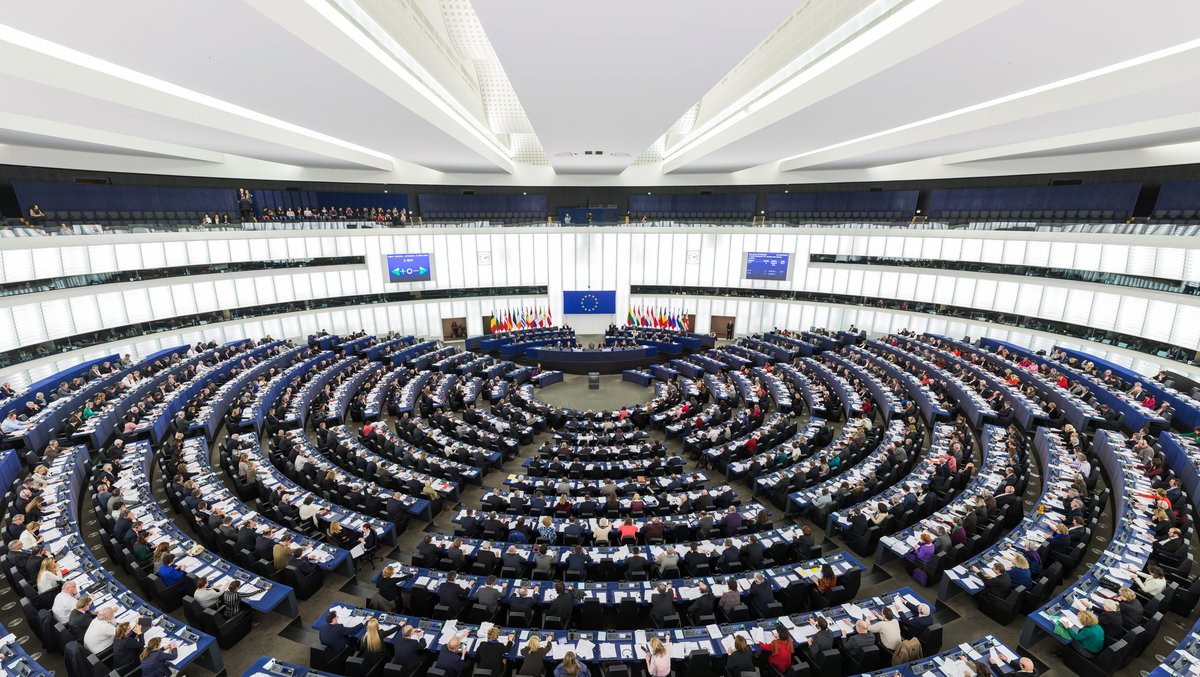
- EU initiative: whether France or Italy will come forward with their own format, or whether Brussels will continue merely to comment.
- UNIFIL after December 31, 2026: the peacekeeping mission's mandate ends at the end of the year; the UN Security Council needs a decision by autumn, and the US is signaling it will not support the mission without "curbing Hezbollah."