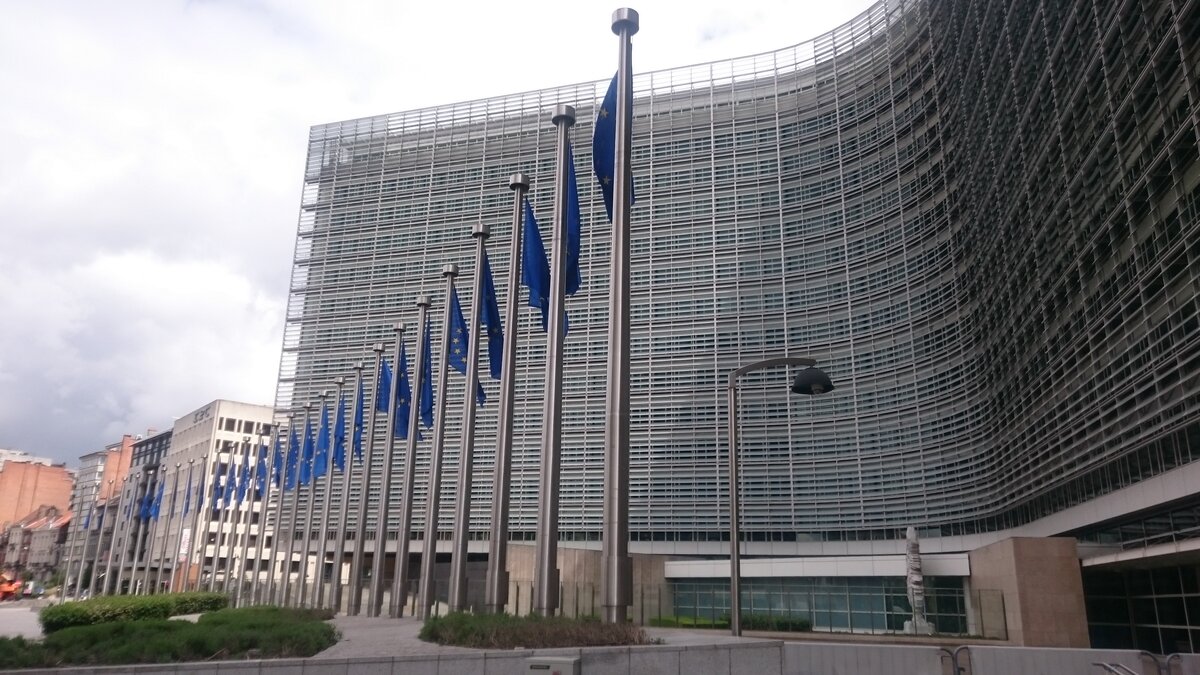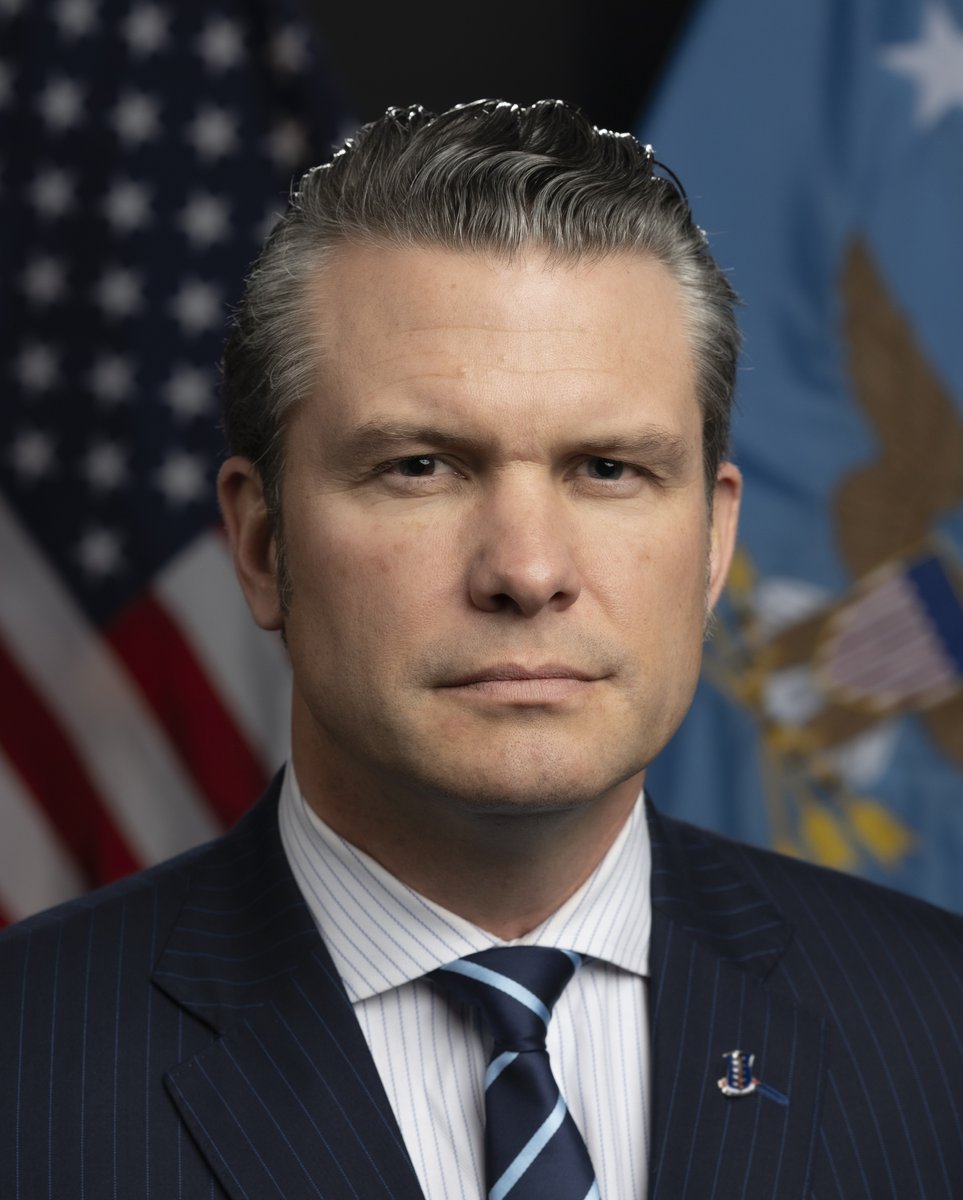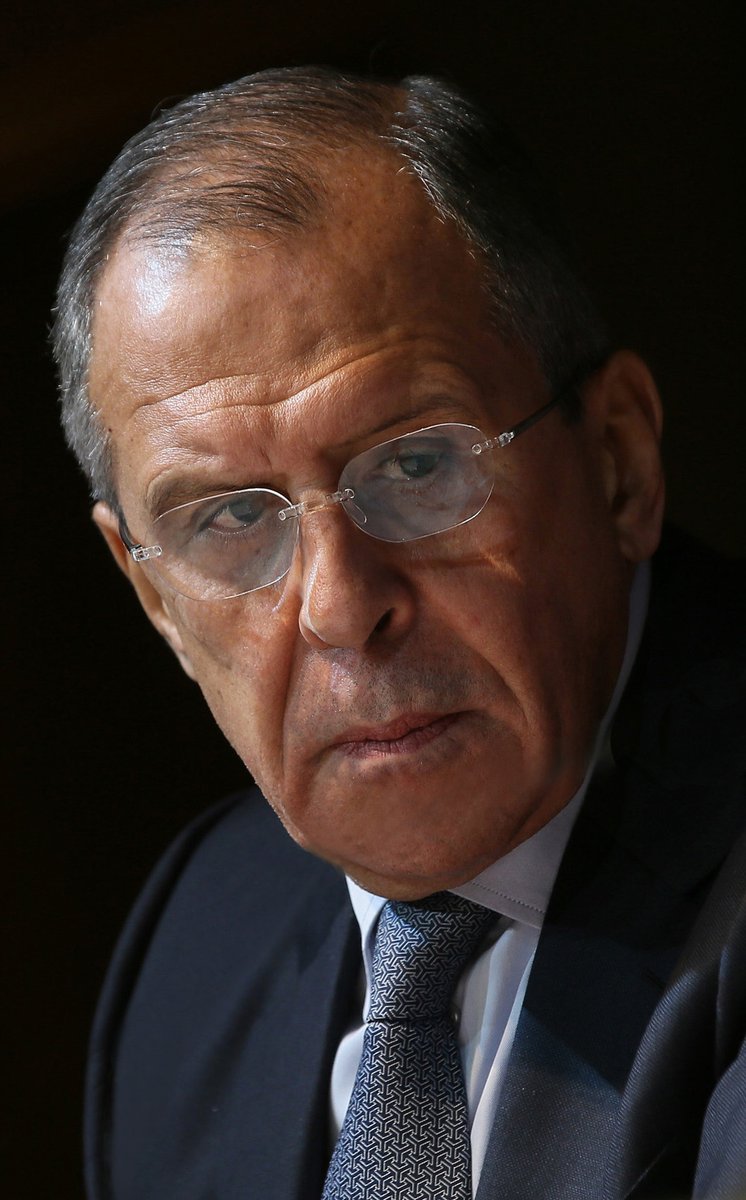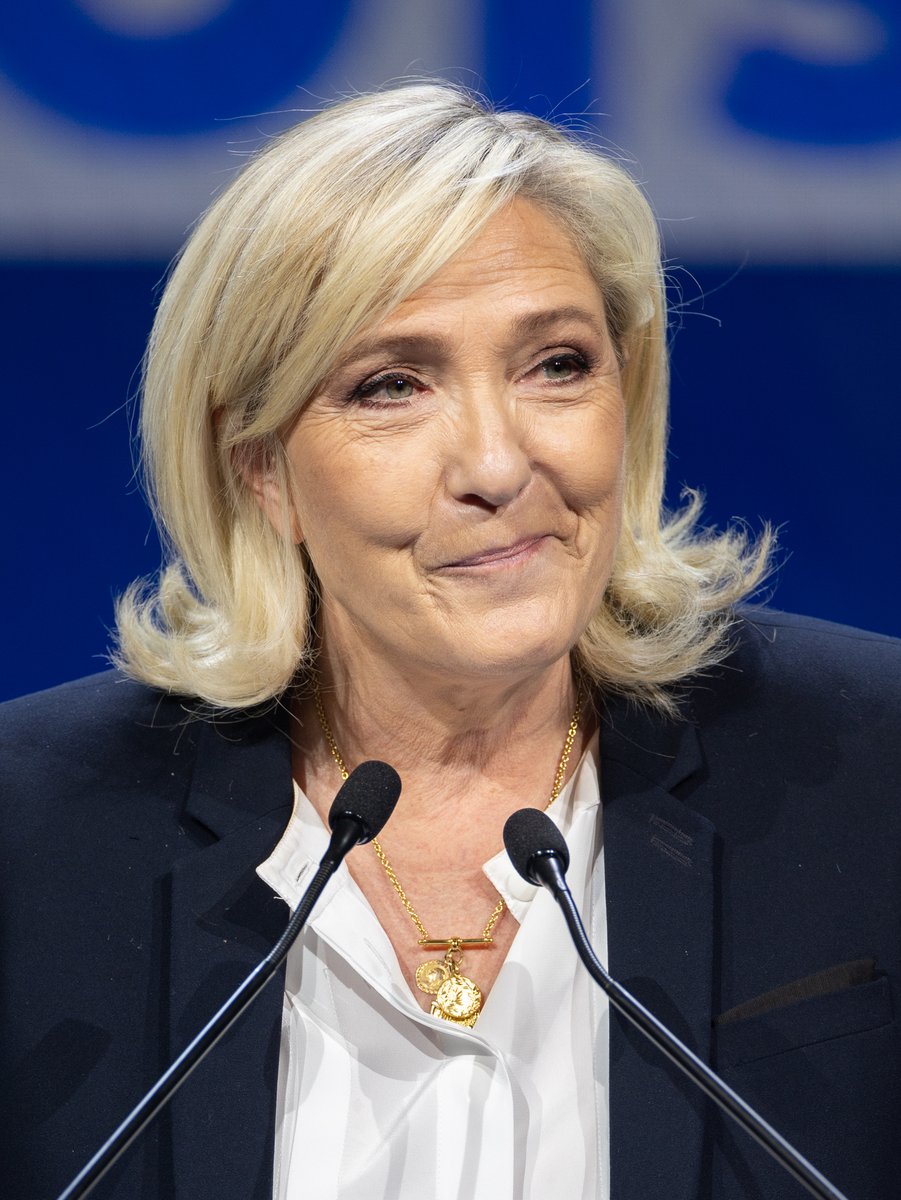






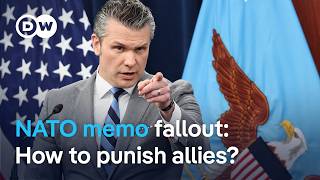
US Secretary of Defense Pete Hegseth declared at the Pentagon on Friday, 24 April, that Europe needs the Strait of Hormuz "far more than the United States," and that the end of "free-riding" has arrived. He called the European summits "silly conferences" and added that allies should "talk less, organize fewer lofty conferences, and get in the boat." The difference in operational approaches is more pronounced than the rhetoric: the US is clearing mines its own way, Europe its own way. Reuters / Spokesman ↗
A force that flies no United States flag
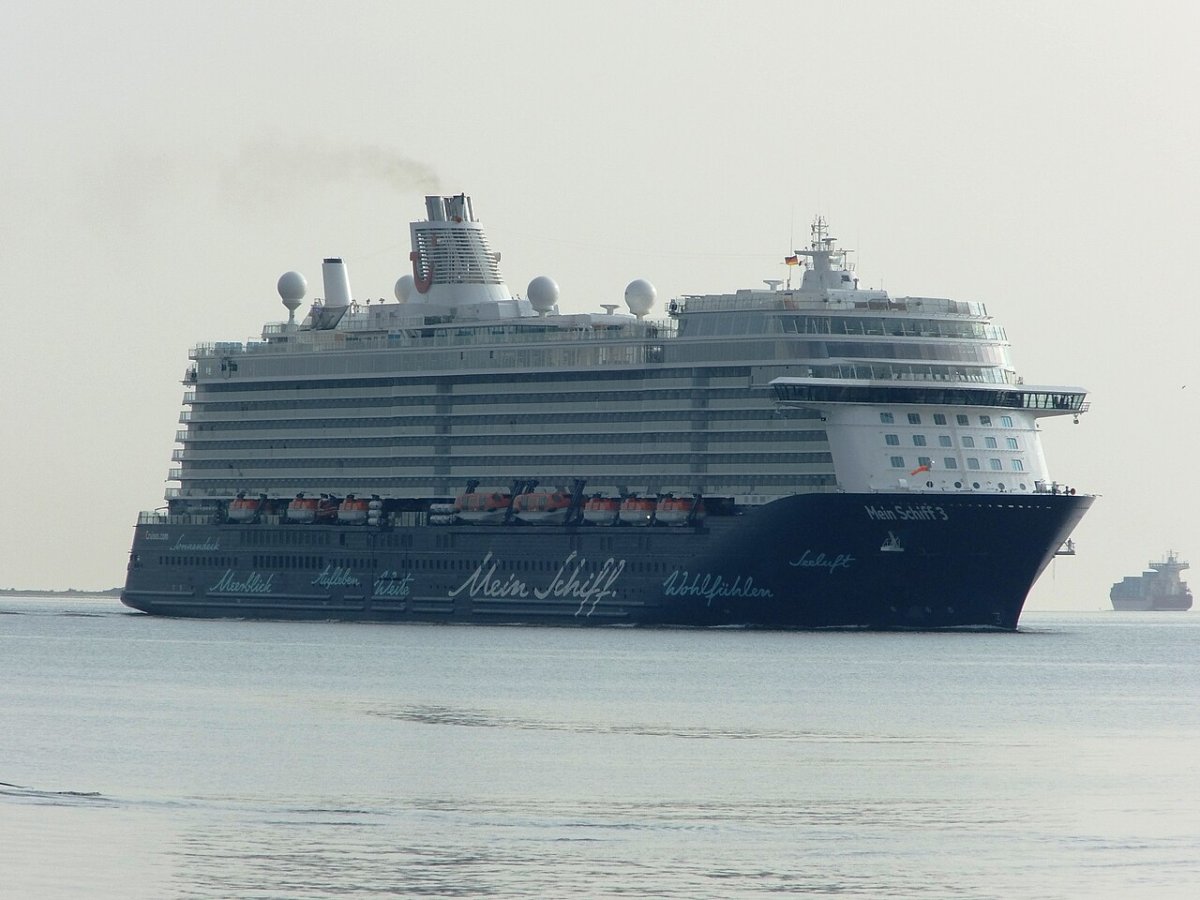
German Defense Minister Boris Pistorius confirmed to the newspaper Rheinische Post that Fulda is only the first vessel; Berlin plans to add a command and supply ship alongside it. However, the German ship will not arrive in Hormuz until there is a "permanent end to hostilities" and until the mandate is approved by the Bundestag. The minesweeper was originally intended for the Baltic Sea, but its mine detectors and mine-clearing equipment can also be deployed in subtropical conditions. The Local DE ↗The commander of the Italian navy, Admiral Giuseppe Berutti Bergotto, named Italy's contribution before parliament on Wednesday: two minesweepers, an escort frigate, and a logistics ship. "We will not go there alone. France, the United Kingdom, and the joint Netherlands-Belgium group are also in Europe," Bergotto added. A similar circle of countries appears in the March joint statement by the United Kingdom, France, Germany, Italy, the Netherlands, Japan, and Canada, and in the April statement co-signed by Macron and Starmer. Marine Link ↗
The April Macron-Starmer summit (17 April) brought together 51 countries. In the statement, they committed to a "joint mission for freedom of navigation" through the strait once combat operations end. The coalition's co-chairs are two European powers, not Washington. A secondary public list of affiliated countries — including Japan, Bahrain, and the UAE — lists 22 names; the American one is not among them. gov.uk ↗
"Get in the boat"
Hegseth's statements from the Pentagon were sharply worded. "Europe and Asia have profited from our protection for decades, but the time of free-riding is over," he declared before the cameras. Hegseth described the war with Iran as "a gift to the world." The Chairman of the Joint Chiefs of Staff, General Dan Caine, stood beside him, and Hegseth added that the American blockade of Iranian ports would continue "for as long as necessary." PBS NewsHour ↗Donald Trump wrote his own formulation on social media a day earlier: "Our minesweepers are clearing the strait right now. I am hereby ordering that this activity continue, but at a tripled level!" In the same post, he claimed that the United States has "total control" over the strait and that no ship can pass through it "without the consent of the American navy." The operational reality, then, is not an American withdrawal but a parallel American regime running alongside the European coalition without coordinating with it. Al Jazeera ↗
The economic logic of Hegseth's statement is partially true. The United States today imports less oil from the Persian Gulf than Europe does; supplies from Texas and Canada dominate for the American market. For the European Union, however, especially Italy and Germany, LNG from Qatar and oil from Iraq remain crucial.
A strait no one clears entirely
Iran's Revolutionary Guards continued laying mines and detaining ships on Saturday; Iranian state television broadcast footage early in the week of commandos boarding container vessels. An estimated 20,000 sailors are stranded in the strait. Clearing the strait could take up to six months, according to an unnamed Pentagon official; the Pentagon officially rejected these estimates. BBC News ↗
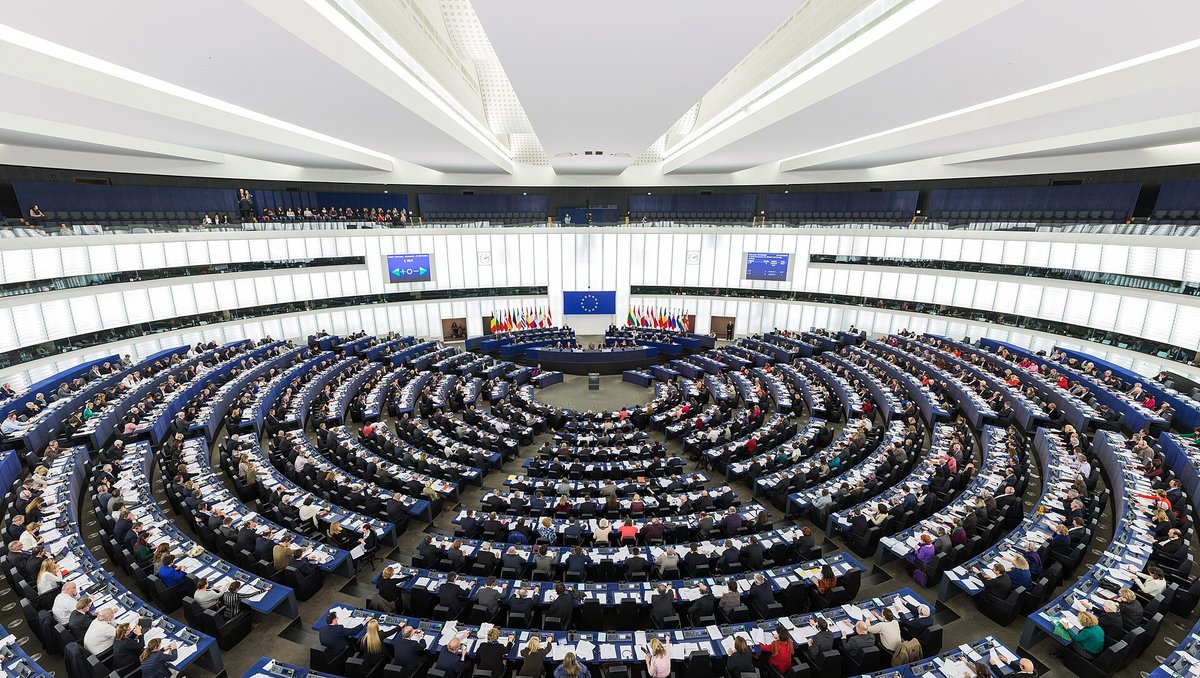
European Council President António Costa declared after the summit in Cyprus that the strait "must be opened immediately, without restrictions and without toll collection." He added: "It is vitally important for the entire world." German Chancellor Friedrich Merz acknowledged that EU leaders are willing to gradually ease sanctions on Iran if Tehran opens the strait and resumes negotiations on the nuclear program. Europe has diplomatic leverage in sanctions, but sanctions are not a weapon against mines. Consilium EU ↗
Parliamentary brake
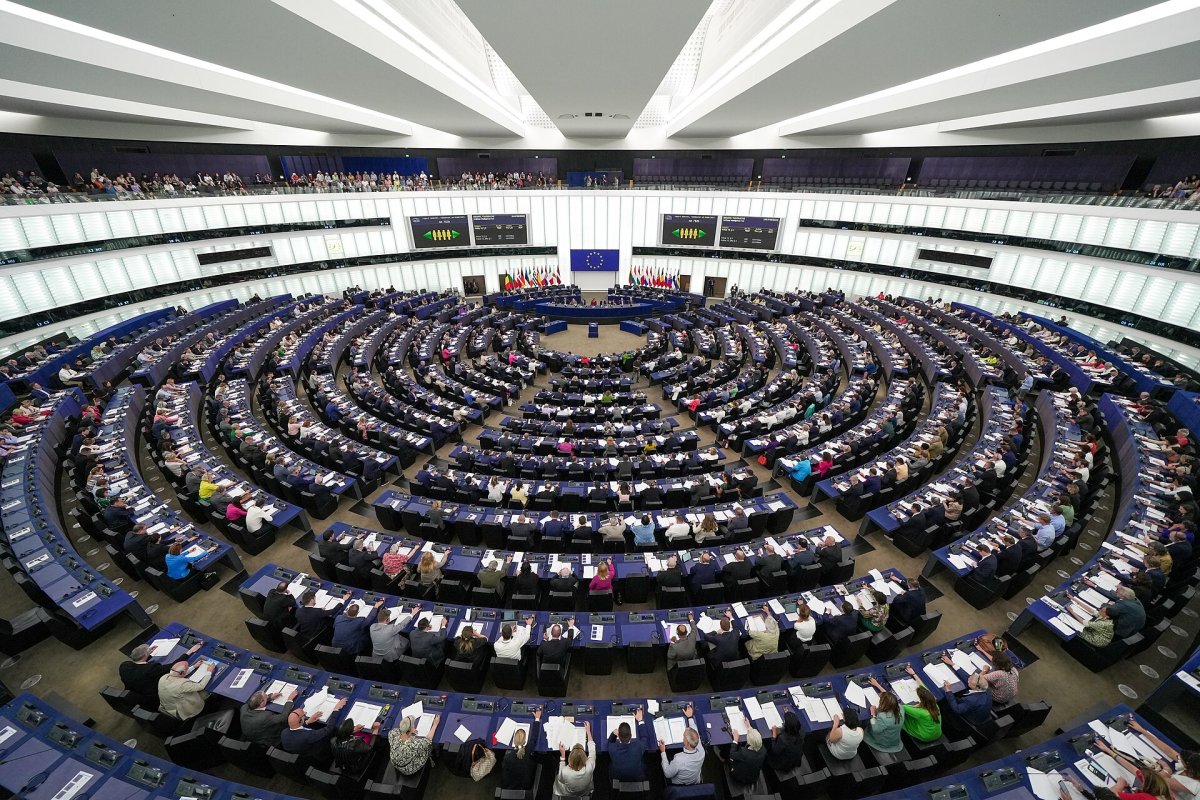
The German Bundestag has not yet approved the mandate. Italy's mission has three conditions — a ceasefire, an international mandate, and parliamentary approval. British participation was initially limited: Prime Minister Keir Starmer stated back in March that broader participation in the Hormuz blockade "is not in Britain's interest," even though the RAF was shooting down Iranian drones over Saudi Arabia and American bases in the United Kingdom were operating without interruption. These time constraints give Tehran room to play for time. As long as it lays mines faster than the coalition manages to approve mandates, the strait will remain closed.A double signal from the Pentagon
Hegseth's Friday statements stand in tension with what leaked from the Pentagon a day earlier. Reuters reported, citing an American official, on an internal email in which the US Department of Defense proposes measures against European allies — including Spain — for failing to fulfill the "basics" of access, bases, and overflight rights during the war. The consistent message is: Washington wants Europe to pay the costs and the political risk, while also calling it a free rider.Also read: Pentagon wants to punish allies: there's no leverage on Spain via NATO, but there is on the Falklands
This double signal — "you didn't help us, but deal with it yourselves anyway" — has a concrete consequence for NATO's architecture. Operations such as Earnest Will in 1987–88 or IMSC in 2019 were historically led by the American CENTCOM. If the coalition completes the post-war mine-clearing mission without American leadership, it will create a precedent for independent European command in overseas operations. For critics of NATO spending in Europe, this is an argument; for defenders of American leadership in the alliance, it is a resignation of the traditional American role.
What hotinfo is watching
- The Bundestag debates the mandate for the Fulda (after talks in Islamabad resume)
- The US sends a symbolic unit to the Macron–Starmer coalition (a test of the signal)
- A formal mandate for the coalition — a UN resolution vs. a bilateral agreement with Iran
- Iran's speed in laying mines vs. the pace of approving mandates
- The four Italian ships leave port (Admiral Berutti Bergotto)
- British involvement — whether the RAF and Royal Navy move from monitoring to mine clearance