



When Donald Trump announced a two-week ceasefire with Iran on Truth Social on Tuesday evening, markets reacted with euphoria — Brent crude fell by 16 percent, stock indices surged. A key condition of the deal was the "complete, immediate and safe opening of the Strait of Hormuz." The reality of the first hours, however, is markedly different. NBC News ↗
The Strait of Hormuz, through which roughly 138 ships passed daily before the war, remains, according to available ship-movement data, de facto under Iran's control. The first vessels to sail through the strait were the Liberian-flagged cargo ship Daytona Beach and the Greek tanker NJ Earth. By the end of the day, according to the analytics firm Windward, an estimated 15 to 20 vessels had passed through — less than a tenth of normal traffic. Following Israeli strikes on Lebanon, Iran reportedly then significantly restricted transit further. CNN ↗
According to Bloomberg, more than 800 vessels are waiting in the Persian Gulf and adjacent waters, including 426 oil tankers, 34 LPG carriers, and 19 LNG carriers. The German shipping company Hapag-Lloyd warned that full restoration of traffic could take six to eight weeks. Norwegian shipping operators announced they would not sail through the strait for the time being at all. Bloomberg ↗
A significant gap has thus opened up between the announcement of the ceasefire and its actual functioning.
Iran stated that passage is possible only with its consent and under military coordination. According to Iranian statements, ships without authorization "may be targeted." Reports are emerging that Iran may be charging transit fees worth millions of dollars. Hormuz has thus not opened up — it has turned into a controlled, and potentially tolled, chokepoint. Bloomberg ↗
However, it is not only the situation in the strait that calls the ceasefire into question. On Wednesday morning — hours after the agreement took effect — reports emerged from several sources of continued drone and missile attacks on neighboring states. According to AFP, the Kuwaiti military identified 28 drones that, from eight in the morning, struck oil facilities, three power plants, and desalination stations. In Bahrain, according to local authorities, drone shrapnel hit residential buildings and two people suffered minor injuries. Qatar directly accused Tehran of the nighttime attacks. In the United Arab Emirates, according to the Ministry of Defense, operations at the strategic Habshan gas complex had to be suspended after it was hit. Saudi air defense neutralized a further nine drones. Al Jazeera ↗
Israel is also complicating the ceasefire. On Wednesday morning, Prime Minister Netanyahu announced that the agreement between the US and Iran "does not apply to Lebanon." Shortly afterward, the Israeli military carried out the most extensive coordinated strike on Lebanon since the start of the war — according to Al Jazeera, hitting more than a hundred targets in ten minutes, including residential areas of Beirut. Al Jazeera ↗
Tehran responded to the Israeli strikes by further restricting tanker transit through the Strait of Hormuz and accusing Israel of violating the ceasefire. Iranian Foreign Minister Araghchi spoke by phone with Pakistani Chief of Army Staff Munir. The Revolutionary Guards issued a statement saying they are "keeping their finger on the trigger" and are ready for a retaliatory strike. CNBC ↗
Markets did react to the ceasefire with oil prices falling by 15 to 17 percent, but physical deliveries have not resumed. Before the conflict, Brent crude traded around 70 dollars a barrel — even after Wednesday's drop, it remains above 90 dollars. CNBC analysts warn that the market relief may be premature: without a functioning strait, the price decline is only on paper, just like the ceasefire itself. CNBC ↗
Diplomatic talks are expected to continue on Friday in Islamabad, where Pakistan will attempt to broker a lasting agreement. Iran has submitted a ten-point plan that includes a permanent ceasefire, the withdrawal of US forces from the region, the lifting of sanctions, and compensation for damages. Trump called the plan a "usable basis," but rejected at least one demand. Al Jazeera ↗
Although US Defense Secretary Hegseth speaks of "victory" and an "Iran that begged for a ceasefire," the reality of the first hours suggests something else. Iran has not capitulated — it has gained a control mechanism over the world's most important maritime route. Drones are attacking neighboring states, Israel is bombing Lebanon, hundreds of ships are stalled waiting for authorization. The question is not whether the ceasefire will last two weeks. The question is whether it has even begun to function as presented — or whether it was merely a political announcement with no immediate impact on reality. NPR ↗
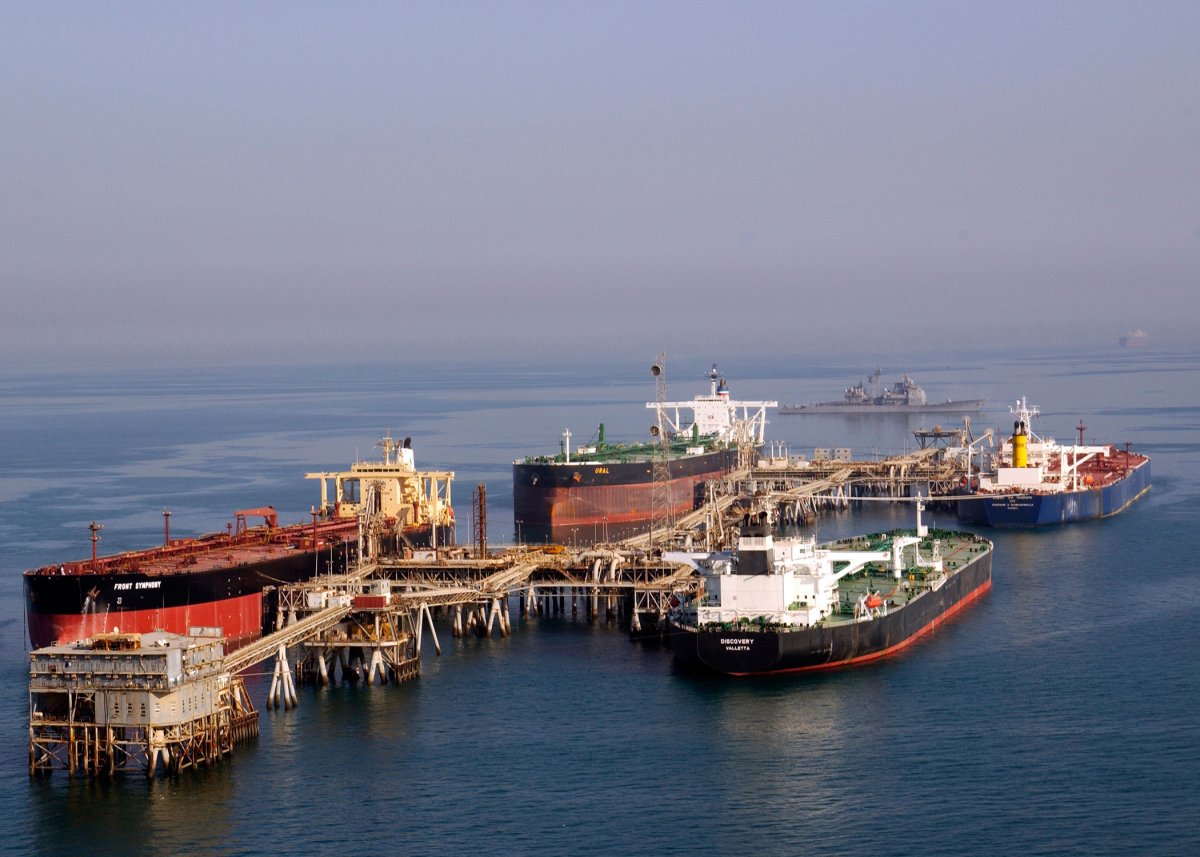
Hormuz under Iran's control: tankers still stalled even after ceasefire
Videos
On Record
👤
Donald Trump
Prezident USA
03.09.2026
„leur monnaie ne vaut plus rien"
Vyjadrenie k hospodárskej situácii Iránu
👤
Donald Trump
Prezident USA
02.09.2026
„z Islamskiej Republiki Iranu pozostanie bardzo niewiele"
Varovanie pri možnosti iránskej reakcie
👤
Donald Trump
Prezident USA
02.09.2026
„se l'Iran dovesse reagire a questo attacco più che giustificato, subirebbe una nuova offensiva di ben altra portata e intensità"
Varovanie Iránu pred odvetou
👤
Donald Trump
Prezident USA
02.09.2026
„Stiamo colpendo obiettivi iraniani vicino allo Stretto di Hormuz"
Vyjadrenie k americkým útokom pri Hormuzskom prielive
👤
Donald Trump
Prezident USA
28.08.2026
„Io non voglio un incontro, loro sì."
Vyjadrenie k možnému stretnutiu s iránskou stranou.
👤
Donald Trump
Prezident USA
27.08.2026
„sehr deutlich"
Vyjadrenie k tomu, ako podľa neho USA postupujú v konflikte s Iránom
🔥 You might also like
Iran–Israel
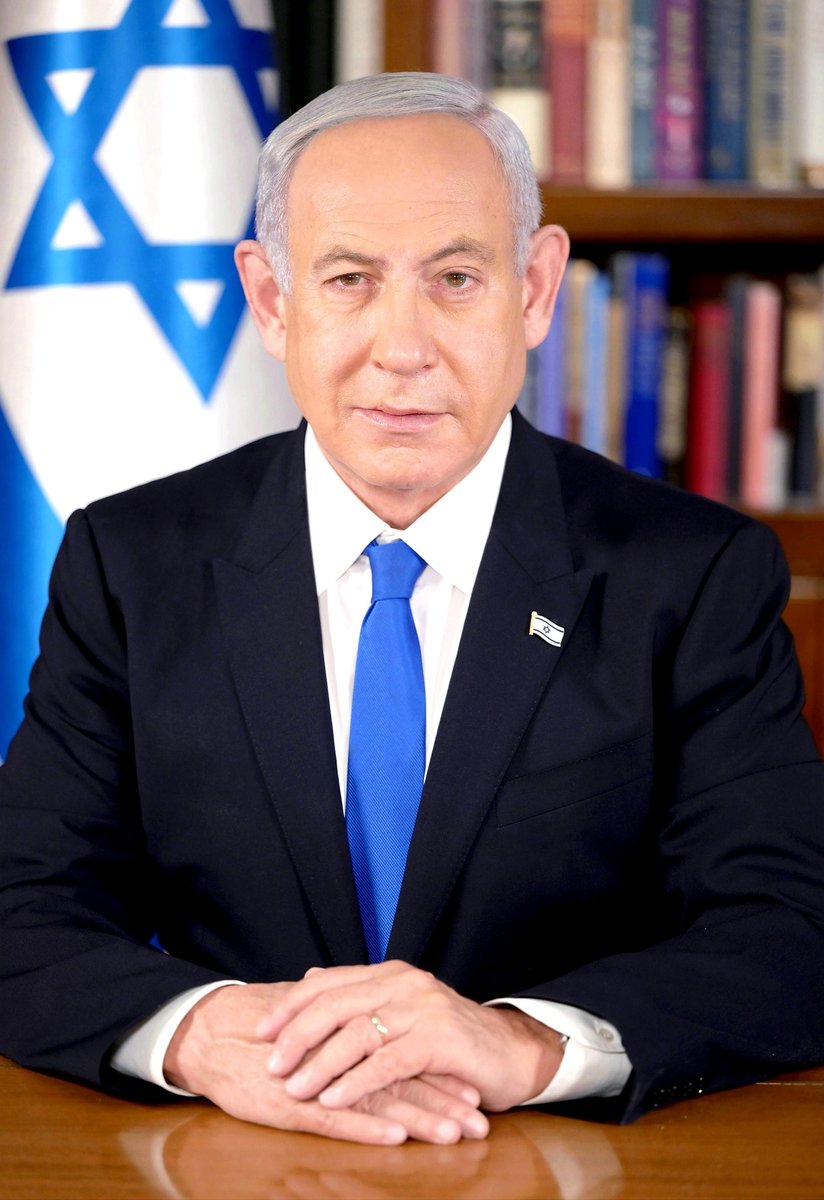
Netanyahu Faced Criticism at the UN from Turkey and the Mayor of New York
Israeli Prime Minister Benjamin Netanyahu addressed the UN General Assembly on Thursday, criticizing Turkish President Recep Tayyip Erdoğan and NYC mayor.
Iran–Israel
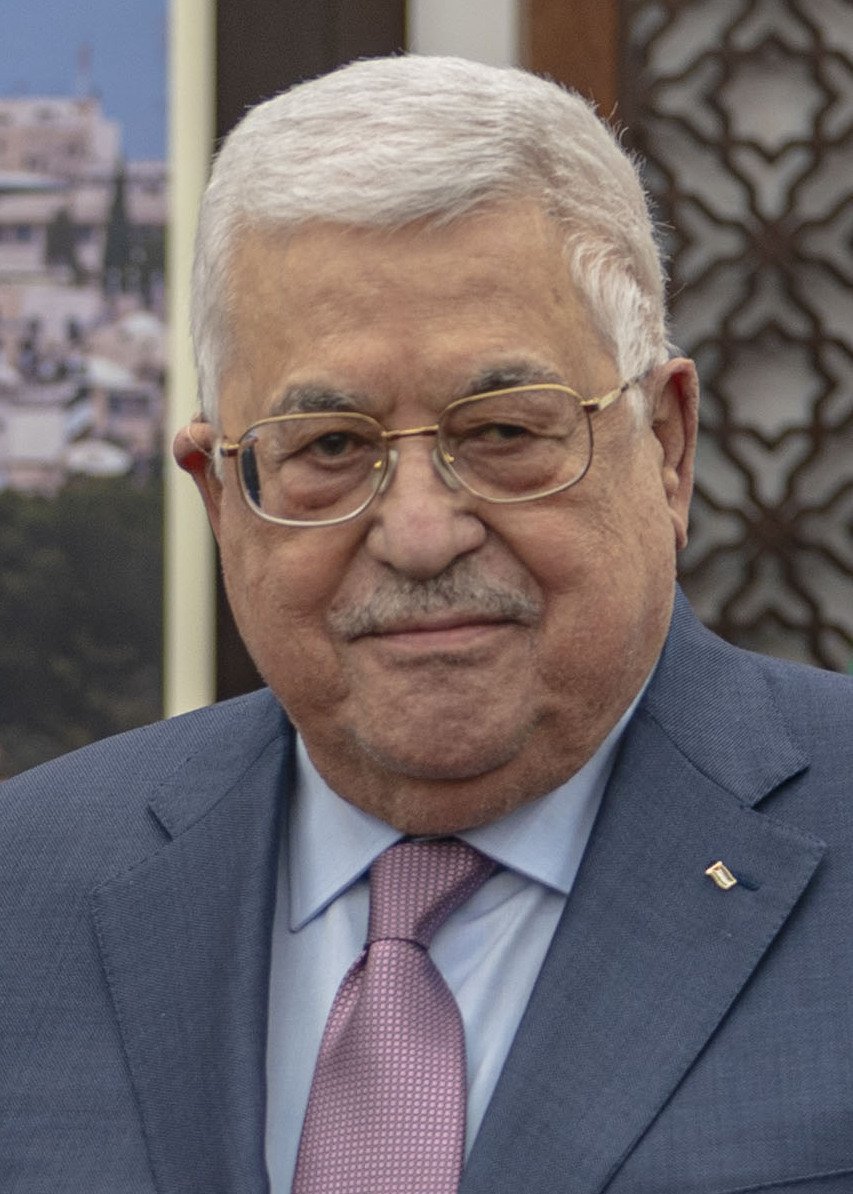
Abbas criticized Israel at the UN and called for greater engagement
Palestinian President Mahmoud Abbas addressed the 81st UN General Assembly via video link on Thursday. He did not travel to the U...
Iran–Israel
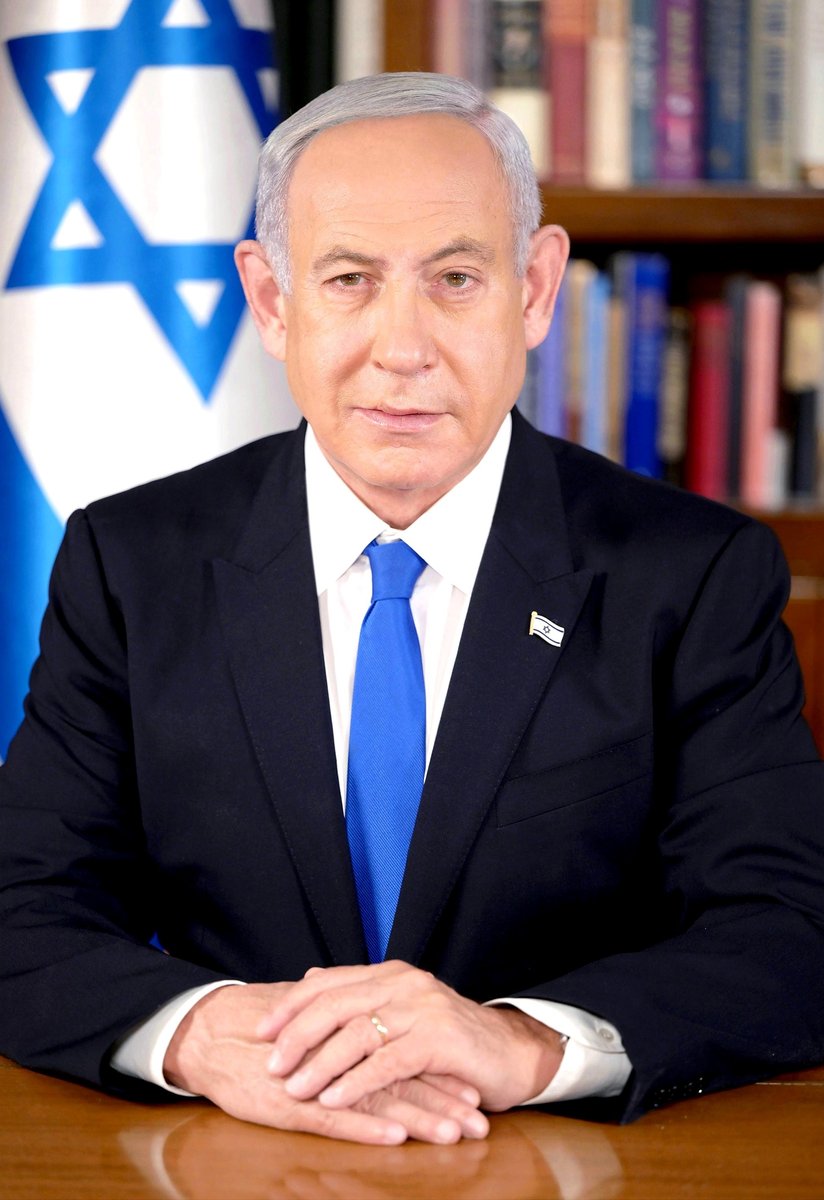
Netanyahu wants to defend Israel's military actions at the UN
Israeli Prime Minister Benjamin Netanyahu will address the UN General Assembly on Thursday to defend Israel's military actions against Palestinians.
Geographic locations


From our newsroom original
All →
Berlínsku vládu môže vytvoriť koalícia ľavice, SPD a Zelených

Fico makes Taraba's dismissal conditional on keeping the coalition majority
Trump and Xi Jinping Hold Talks in Washington with Musk and Altman in Attendance

Aleksandar Vučić Announces Departure from the Presidency

French publishers grapple with their first AI scandal. There is no proof yet, but the author’s old texts contain sentences taken from elsewhere

Sweden investigates suspected election fraud in Borlänge. So far it concerns one Left Party seat
René Benko's Two-and-a-Half-Year Sentence for Fraudulent Bankruptcy Is Final. Neither Prosecution nor Defense Appealed
SBU: soldier allegedly guided a Russian strike onto his own unit. The target was a drone repair shop; the FSB, it says, recruited him through a relative