







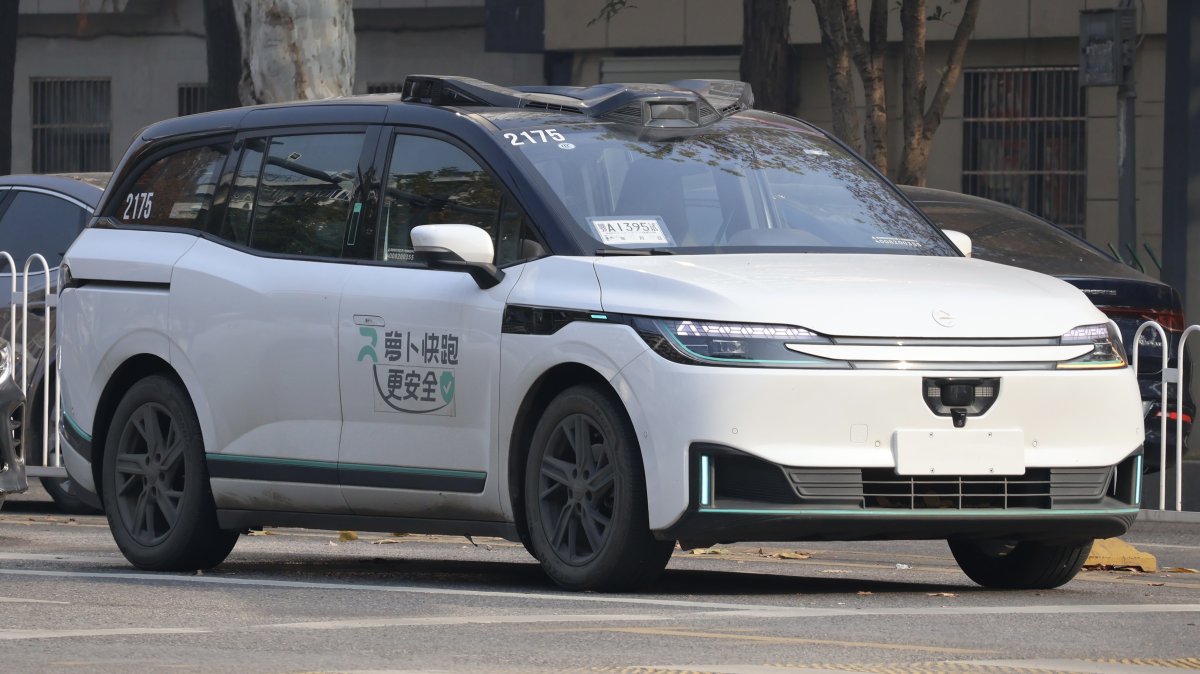
Dozens to hundreds of Baidu's autonomous taxis suddenly stopped in the middle of traffic in Wuhan, China, on April 1. The Apollo Go service's robotic vehicles stopped responding on roads, highways, and an overpass, becoming a dangerous obstacle to traffic. The scale of the incident varies by source — local police confirmed at least a hundred affected vehicles, while some sources report up to 1,200 stopped cars across multiple Chinese cities. CNN ↗
The outage began around 8:15 local time, when Baidu's cloud platform lost connection with individual vehicles. The company attributed the incident to a "cloud service anomaly" that disrupted communication between central dispatch and the fleet. After losing communication with the cloud, the vehicles stopped wherever they happened to be — in the middle of traffic lanes, on the overpass, and in heavy traffic. Futurism ↗
Passengers described frightening experiences. One passenger said they were stuck in a robotaxi on the overpass, surrounded by trucks. Another passenger spent 90 minutes in a stalled vehicle, during which the car stopped four to five times. The in-vehicle screen promised help within five minutes, but it never arrived. When he tried to use the SOS button, he found it was unavailable. "What exactly is the SOS button even for, then?" he asked sarcastically. TechRadar ↗
At least three traffic accidents were reported in connection with the incident. No injuries were reported, but the very fact that dozens of autonomous vehicles stopped on high-speed roads raised serious questions about the safety of this technology. One dashcam recording showed at least 16 stationary robotaxis over a 90-minute period. Futurism ↗
The incident points to a high degree of dependence of the Apollo Go fleet on the central cloud system. The outage of a single platform was able to paralyze a significant portion of the fleet, raising questions about the degree of decentralization of the infrastructure. It also remains unclear what backup mechanisms the vehicles have available. Experts warn that if a technical server failure can stop an entire fleet, a targeted cyberattack could theoretically achieve the same effect. Futurism ↗
Baidu had not responded to media requests for comment at the time this article was published. Authorities in Wuhan stated that the incident was "probably caused by a system failure" and that they are investigating it. CNN ↗
This is not the first incident of its kind. In December 2025, rival service Waymo experienced an outage in San Francisco during a power outage, which affected hundreds of vehicles and led to more than 1,600 stoppages. Unlike in Wuhan, however, no serious collisions occurred. Futurism ↗
Meanwhile, Chinese authorities are tightening rules for autonomous vehicles. Following the fatal accident of a Xiaomi SU7 electric vehicle in March, which killed three university students, regulators restricted the approval of Level 3 vehicles and banned automakers from using terms such as "intelligent driving" or "autonomous driving" in marketing. The mass failure of robotaxis in Wuhan only reinforces these concerns. Gizmodo ↗
Baidu's Robotaxis in Wuhan Collapse: System Outage Stops Dozens to Hundreds of Cars
🔥 You might also like

Artificial Intelligence
Trump signs agreement on artificial intelligence self-regulation
US President Donald Trump signed an AI regulation agreement with tech company representatives at the White House on Tuesday. The meeting was also...

Artificial Intelligence
Anthropic Warns Investors of AI Risks and Prepares to Go Public
Anthropic plans to go public this year and wants to warn potential investors that advanced AI could pose catastrophic risks.

Artificial Intelligence
Bill Gates Warns of a Billion Victims Without Regulation of Artificial Intelligence
Bill Gates warned that without adequate regulation, artificial intelligence could cause the deaths of up to one billion people in the coming months.
Geographic locations




From our newsroom original
All →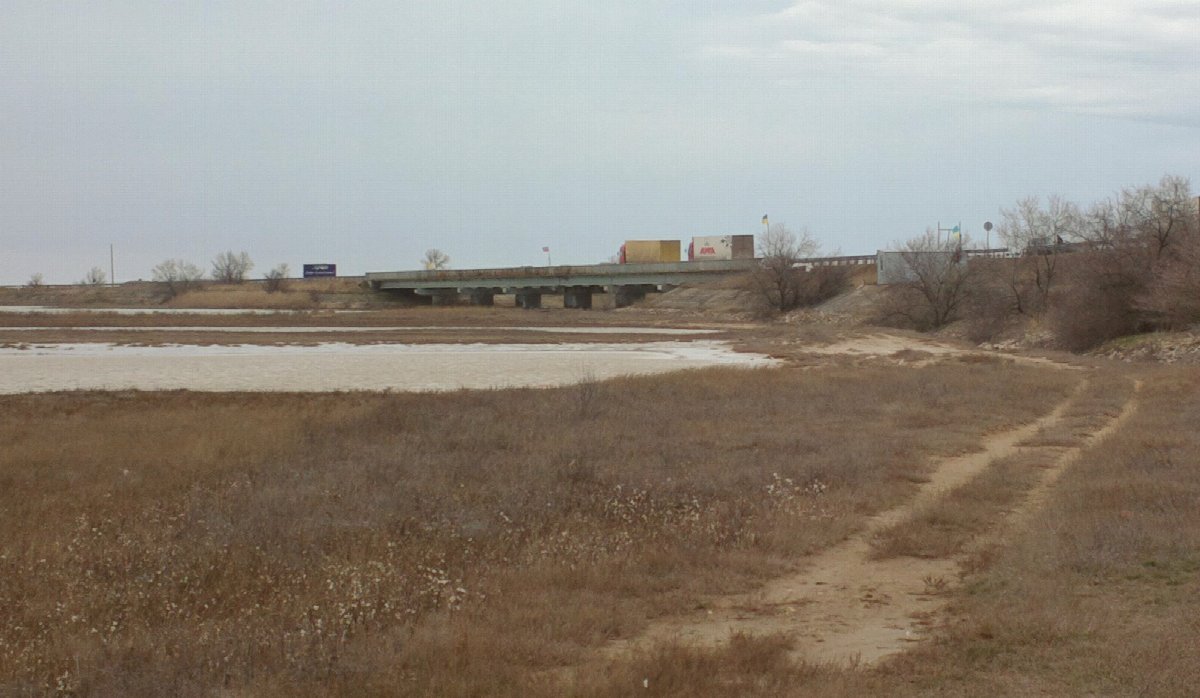
According to OSINT images, a span of the Chonhar Bridge has collapsed. No confirmation yet

French students block schools, trade unions join protests

Merz and von der Leyen flag dispute over EU budget

Malá Fatra will not be abolished, but Kuffa keeps pushing for a nature park

Trump approves execution of Fort Hood shooter by firing squad. Army would carry out first execution since 1961
Ceuta: Trampolín beach is cleared before the king arrives, judge sees indications against senior officials
Federal troops reportedly enter Tigray's capital, witnesses say. Ethiopian government has not confirmed it, and front leader vows further strikes

What Slovakia Is Writing About: Coalition Agrees on Budget with 4.94% Deficit, Transaction Tax to Fall Only in 2028. SNS Sticks with Kuffa