
Key actors — tap for context

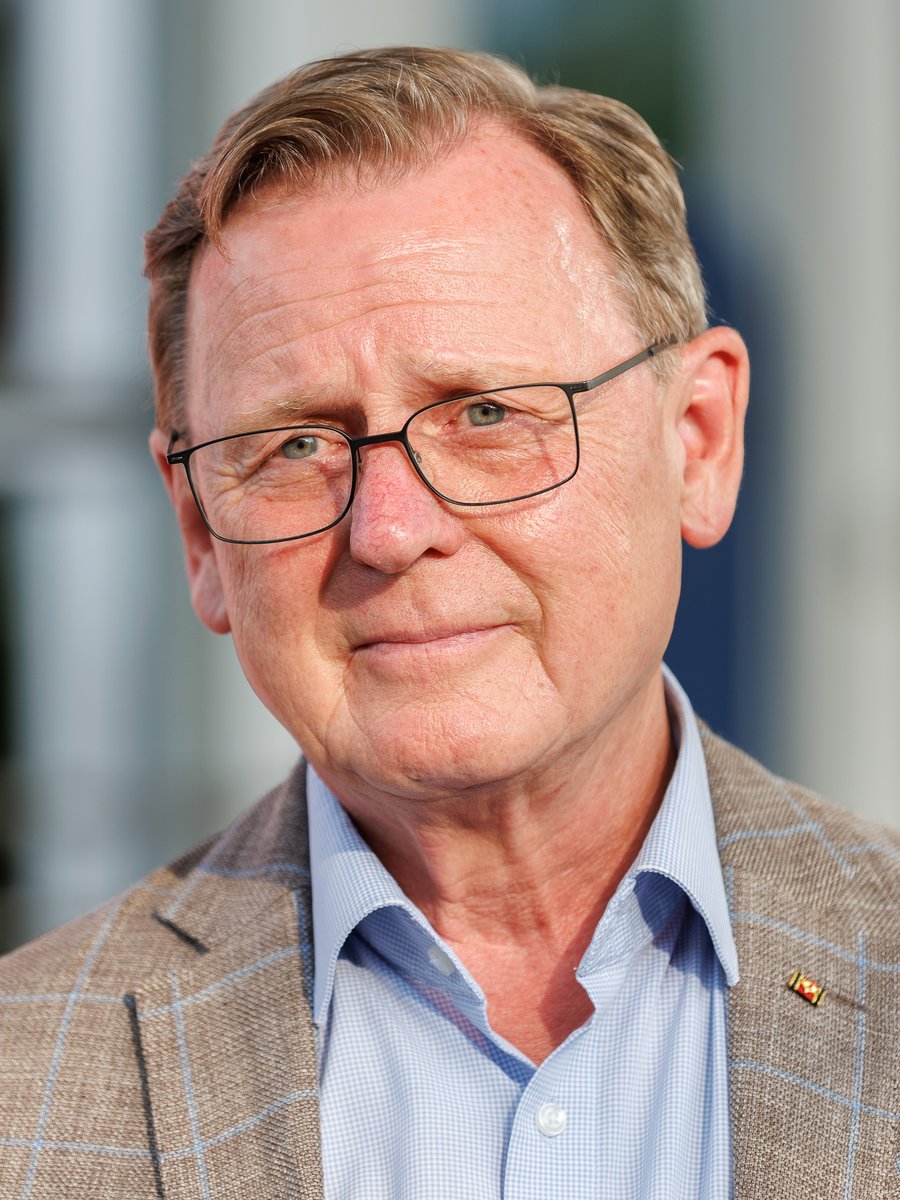
Paul St-Pierre Plamondon
49-year-old lawyer and leader of the Parti Québécois, nicknamed “PSPP”
Why here: is taking office as premier of the province with a minority government and promises a referendum on independence no earlier than after January 2029
More info →Parti Québécois
the separatist party of Quebec, which has made the province's independence its goal since the late 1960s
Why here: after more than twelve years in opposition, it won the election with about 28% of the vote, but without a majority
More info →
Christine Fréchette
outgoing premier of Quebec and leader of the Coalition Avenir Québec
Why here: her party won none of the seats according to projections, and according to Canadian media the premier also lost her own seat
More info →
Coalition Avenir Québec
centre-right party that governed Quebec for eight years
Why here: according to Le Devoir, the election “erased it from the map”
More info →
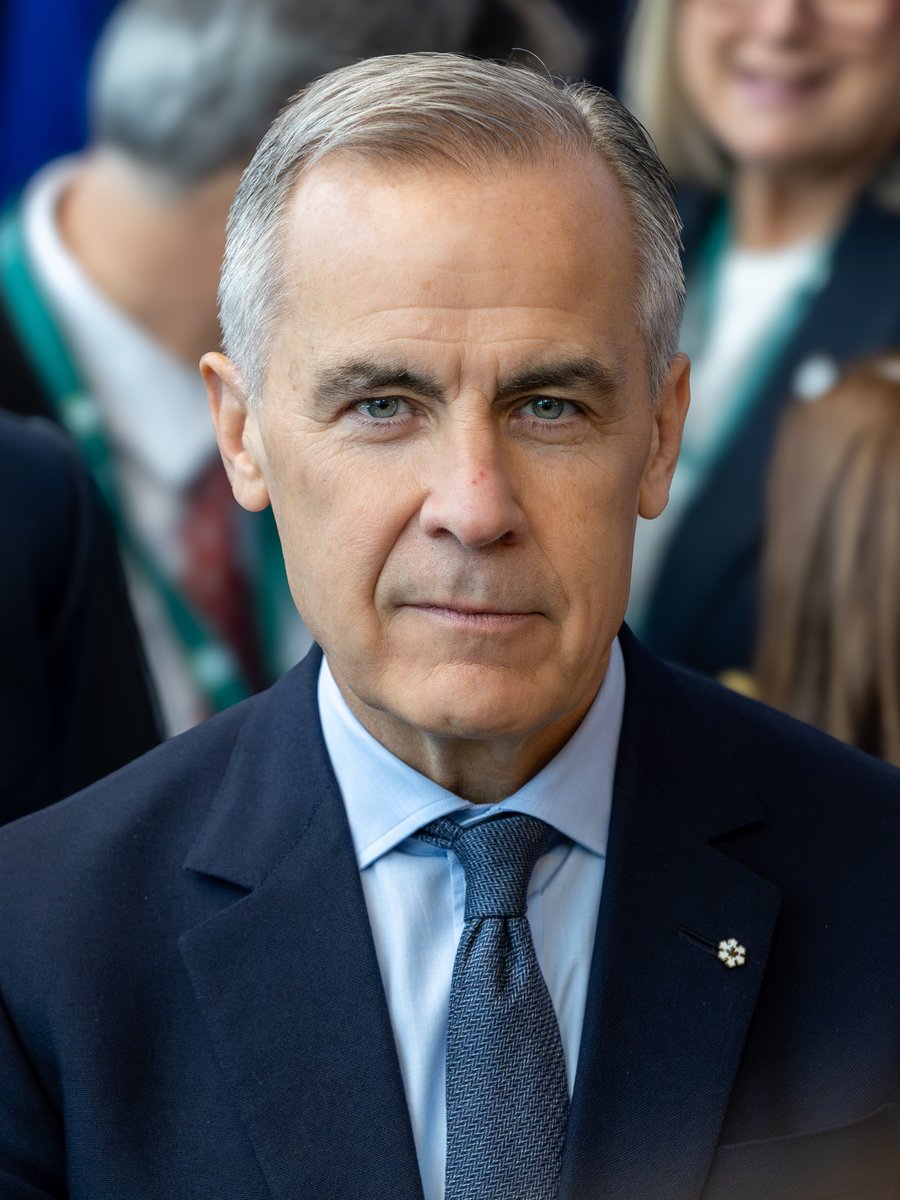
Mark Carney
Prime Minister of Canada
Why here: the separatists' victory complicates his effort to build a united front against American tariffs
More info →
Donald Trump
President of the United States
Why here: his term, which ends in January 2029, is the condition the PQ links to the referendum
More info →
Quebec
French-speaking province of Canada with about 9 million inhabitants
Why here: the place where the question of a third referendum returns to politics after thirty years
More info →
Alberta
oil-producing province in western Canada
Why here: on 19 October there will be a referendum on whether to begin a process leading to a referendum on leaving Canada
More info →Why 28% is enough
Quebec elects its members by first-past-the-post in single-member ridings, where the candidate with the most votes wins, not one who gets an absolute majority. According to analyst David Heurtel, the system was not designed for five parties with support between 12 and 30%, so the winner can have less than a third of the vote. The Montreal daily La Presse called it a “strange lottery” before the election and pointed out that the PQ with 30% could get up to 67 seats and a government with the weakest share of the vote since Confederation in 1867. Courrier International ↗ The Dutch NRC adds that five parties each received at least 10%, and that this fragmentation allowed the PQ to win in many ridings. NRC ↗The other side of the same coin is the fall of the governing party. According to projections, the Coalition Avenir Québec won none of the seats, and Premier Christine Fréchette lost her own. SaskToday ↗ Le Devoir, whose selection is published by Courrier International, writes that the party failed to hold on to voters worried about the trade war with the US. Courrier International ↗
Referendum: a promise with a date
During the campaign, St-Pierre Plamondon said he would wait with the referendum until the end of Trump's term in January 2029, because the escalating trade conflict between the US and Canada does not create a “calm atmosphere” for considering the future. Le Figaro ↗ NRC reads this as an indirect admission that, under current circumstances, Quebec is better off in Canada. NRC ↗ Support for independence is low, however. According to a recent poll cited by AFP, 31% of Quebecers would vote for separation. According to the same agency, analysts explain the result more by disappointment with the outgoing government over the cost of living and healthcare than by a desire for sovereignty. Le Figaro ↗Nevertheless, the victory speech was openly pro-independence. “The bold struggle of French speakers in America to preserve their cultural distinctiveness will find its meaning when this people gains its own country,” he told supporters in Montreal, adding that it is a “matter of survival.” Le Figaro ↗ At the same time, according to Radio-Canada, he extended a hand to the other three parties in the legislature, the Liberals, the Conservatives and Québec solidaire, and promised to be “premier of all Quebecers.” Courrier International ↗
Without a majority, however, the PQ will struggle to deliver its key promises. According to Journal de Montréal, these include abolishing the Santé Québec agency, cutting the public administration and holding the referendum, and a minority government may fall well before the regular election date in 2030 if it does not find an ally. Globe and Mail commentator Konrad Yakabuski warns that the promise of a third referendum may have capped the PQ's support during the campaign, but cautions against underestimating the separatists based on today's polls. Courrier International ↗
The separatists have already lost two referendums, in 1980 and 1995, and the second was close: 49.4% of voters supported separation. NRC ↗
For Carney, a second front
For Canadian Prime Minister Mark Carney, this is bad news in the middle of the trade war with Washington, according to NRC. Political scientist Daniel Béland of McGill University speaks of “another problem on his desk” and expects St-Pierre Plamondon to look for disputes with Ottawa to show that the federation does not work in Quebec's interest. Carney is, however, currently far more popular in Quebec than the PQ leader himself, although that may change once Trump leaves office. NRC ↗ A second front is opening in Alberta, where a referendum will be held on 19 October on whether the province should begin a process leading to a referendum on leaving Canada. The separatists are expected to lose there. NRC ↗ After the election, Carney wrote on X that “building a stronger Quebec is at the heart of our mission to build a stronger Canada.” Le Figaro ↗Limits of this view
Everything here is second-hand: AFP via Le Figaro, a selection of Canadian press via Courrier International, and NRC's analysis. The seat count is CBC's overnight projection, not the official result from the electoral commission, and Courrier International speaks only of “almost final” results. The selection of Canadian dailies in Courrier International is made by its editors, so we do not see the full range of Quebec's press. The 31% support figure comes from the pre-election period and may change after the vote.What Hotinfo is watching
- Či albertské referendum 19. októbra dopadne podľa očakávaní porážkou separatistov.
- Či si PQ zabezpečí podporu aspoň jednej opozičnej strany a vláda prežije prvé hlasovanie o dôvere.
- Či prvý prieskum po voľbách ukáže podporu nezávislosti nad 40 %.
- Či sa Carney a St-Pierre Plamondon dohodnú na spoločnom postupe voči americkým clám.
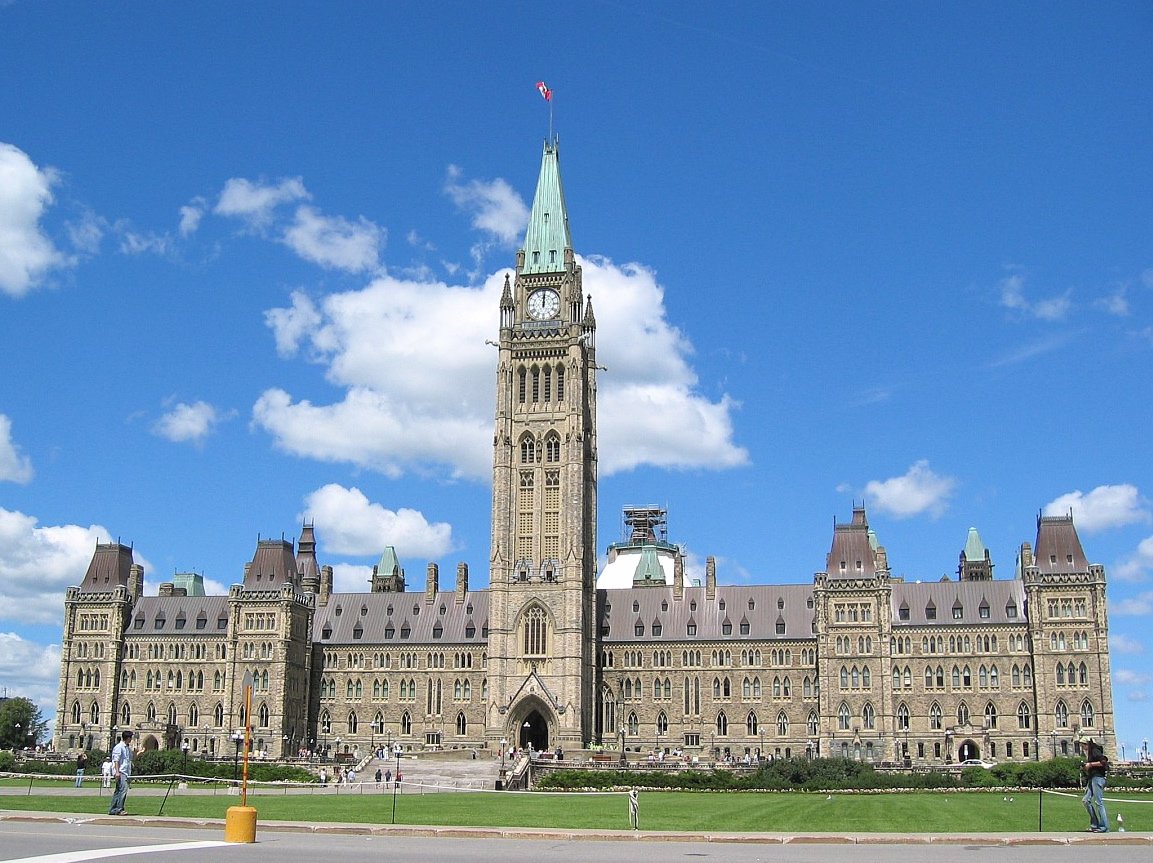
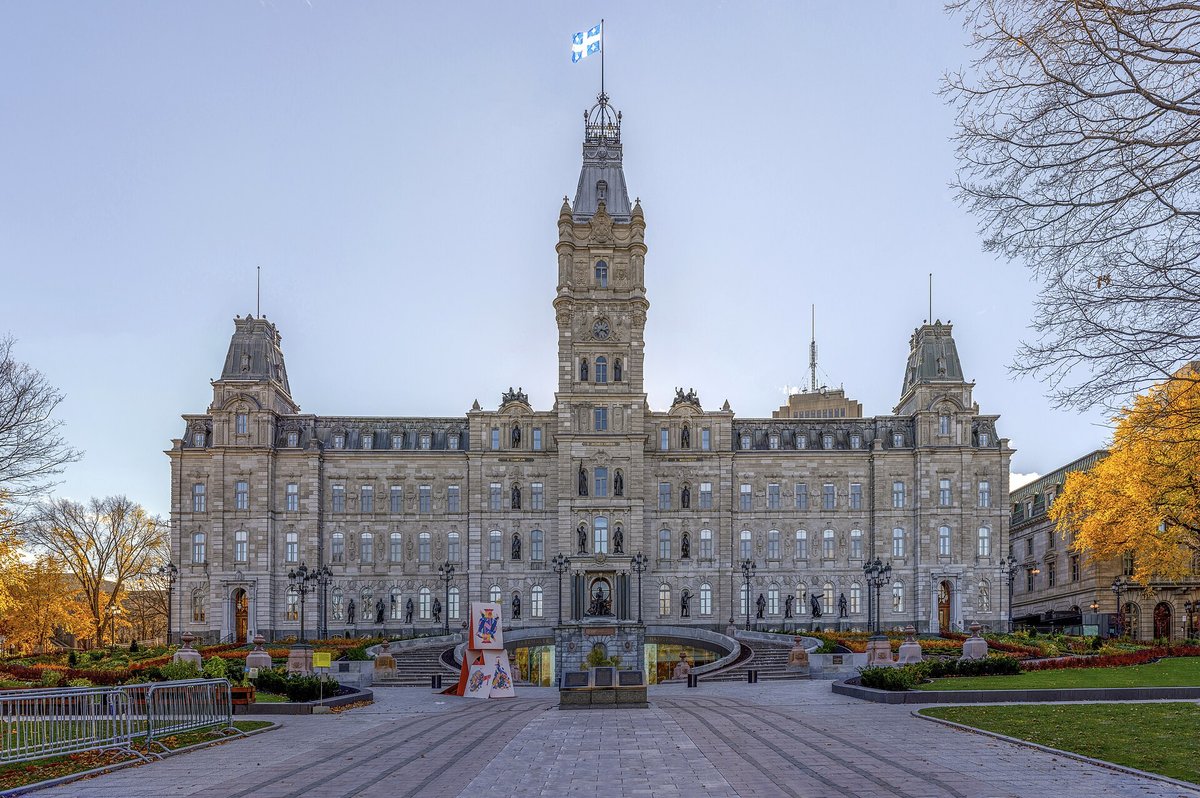
*Lead photo: the National Assembly of Quebec building in Quebec City. Photo Wikimedia Commons, CC0.*