

Key actors — tap for context

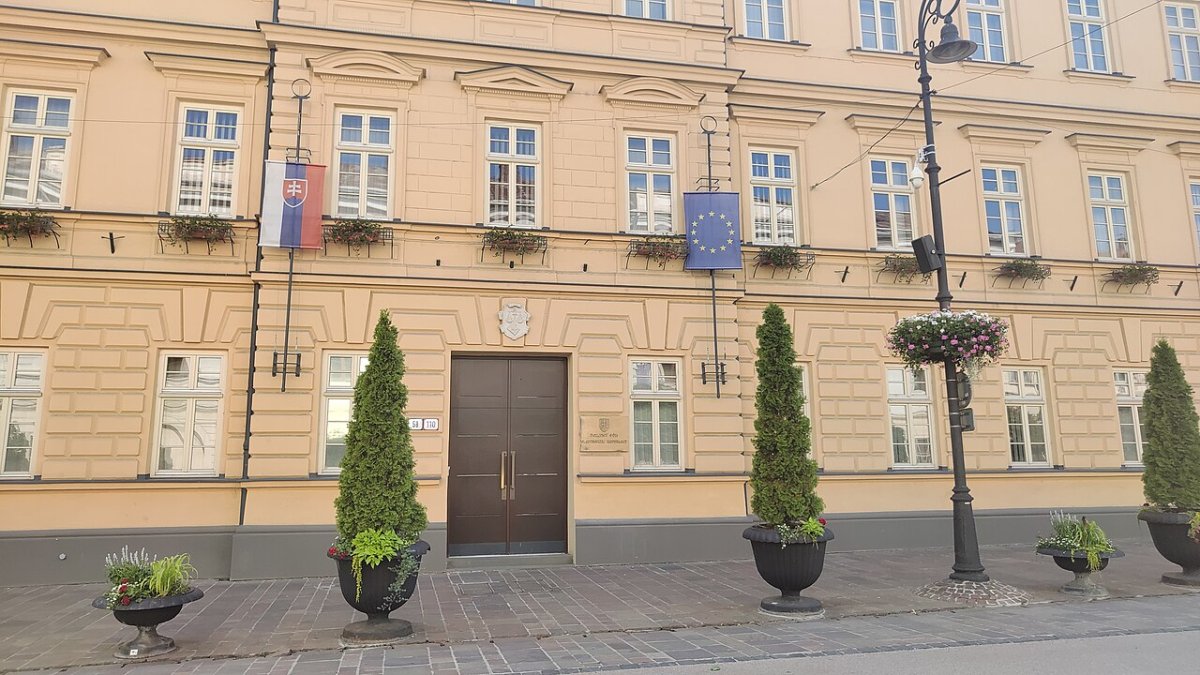
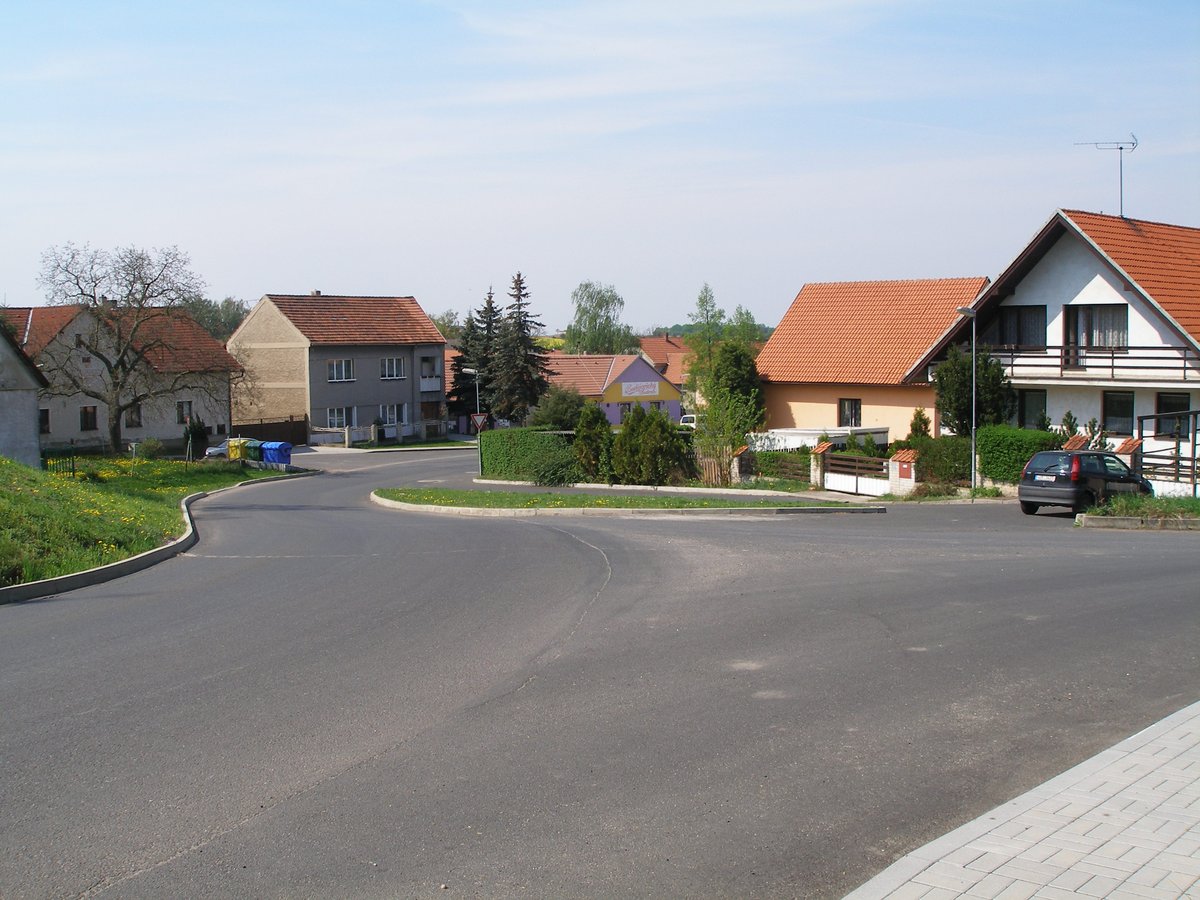
U. S. Steel Košice
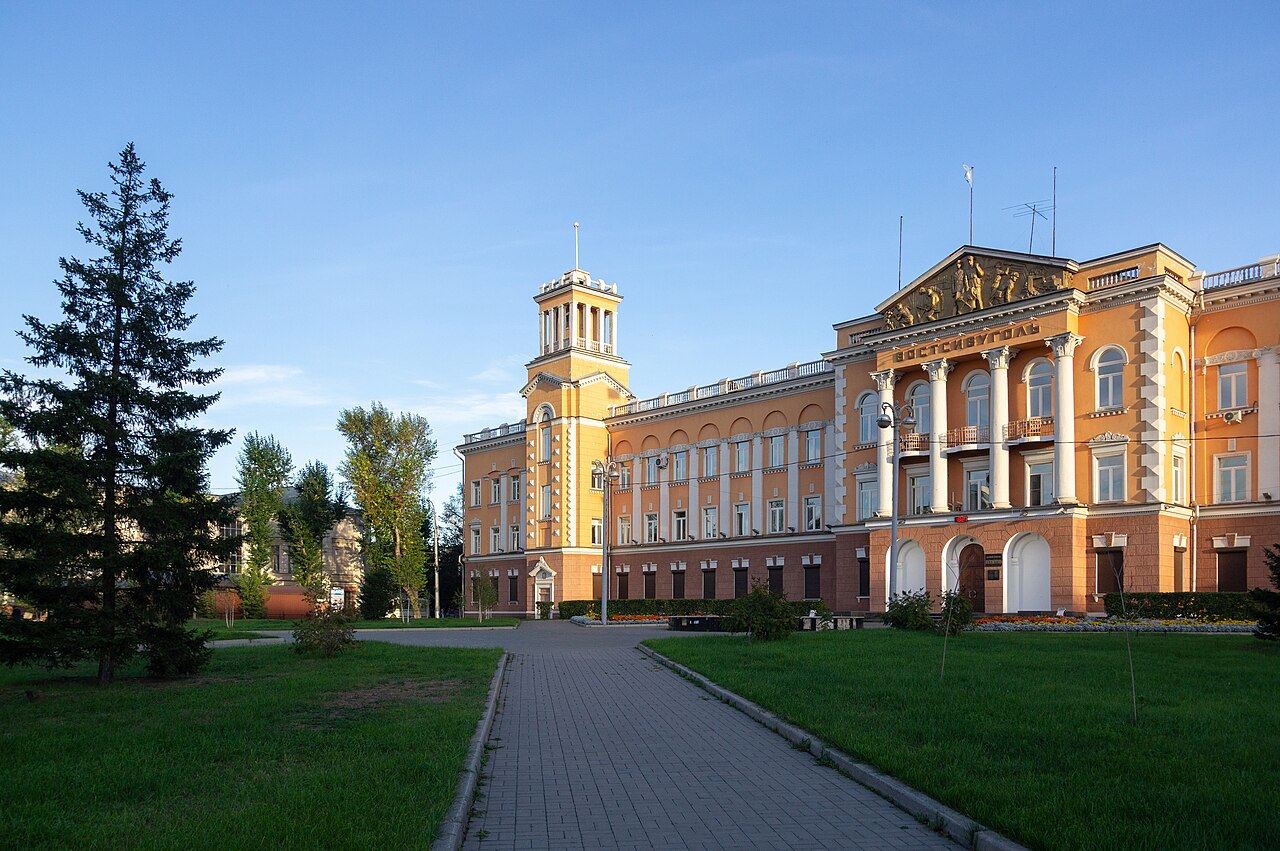
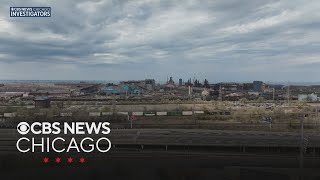
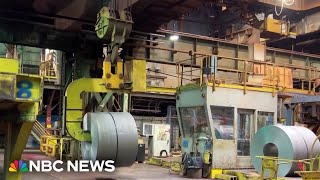
The largest steel producer in Slovakia and the largest integrated steel plant in Central Europe (Košice, capacity of 4.5 million tonnes, over 7,500 employees).
Why here: The main Slovak beneficiary of the new tariff wall — from October 1 it passes under Nippon Steel and changes its name to Nippon Steel Slovakia.
More info →
Nippon Steel
A Japanese steel group headquartered in Tokyo, one of the largest steel producers in the world.
Why here: From October 1 it takes over direct ownership of the Košice steelworks and launches the transition to an electric furnace.
More info →
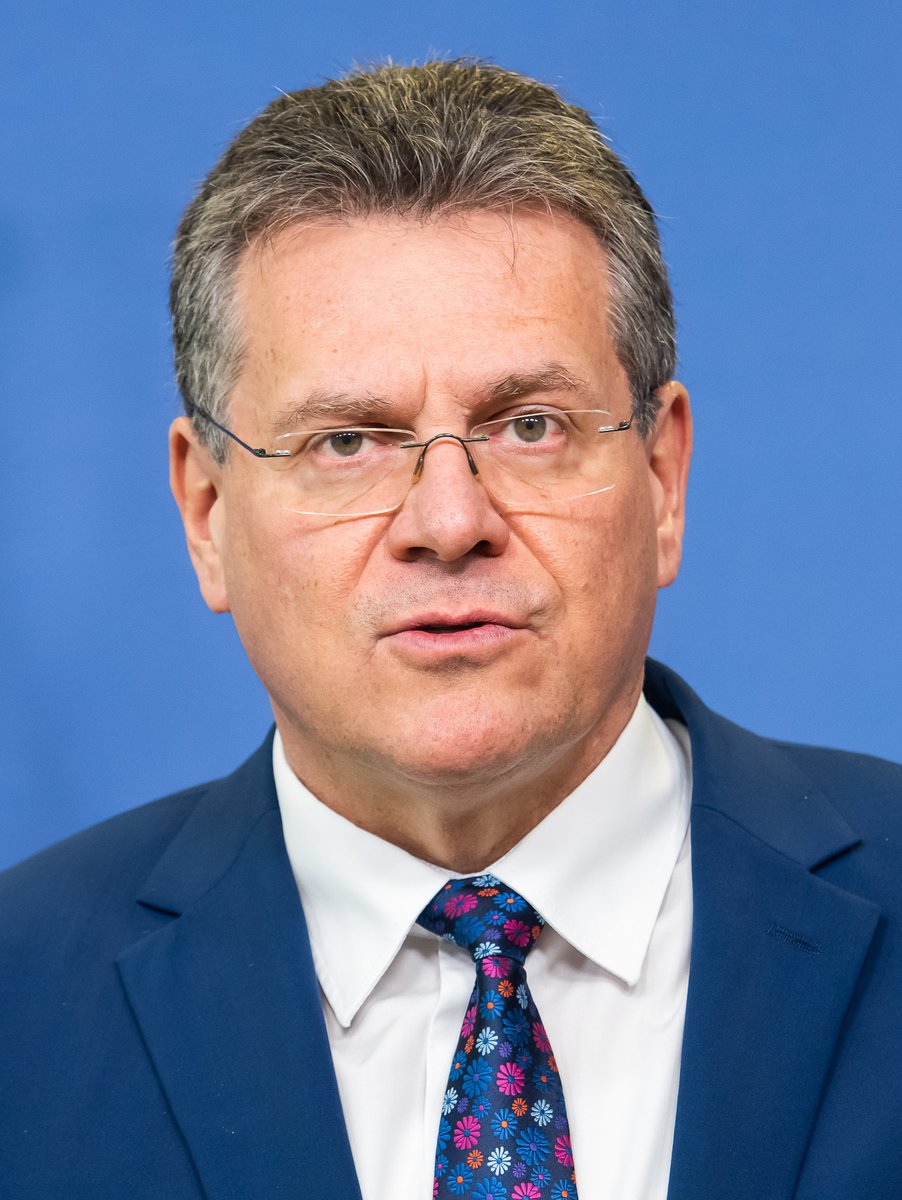
Maroš Šefčovič
A Slovak diplomat and, since 2024, European Commissioner for Trade.
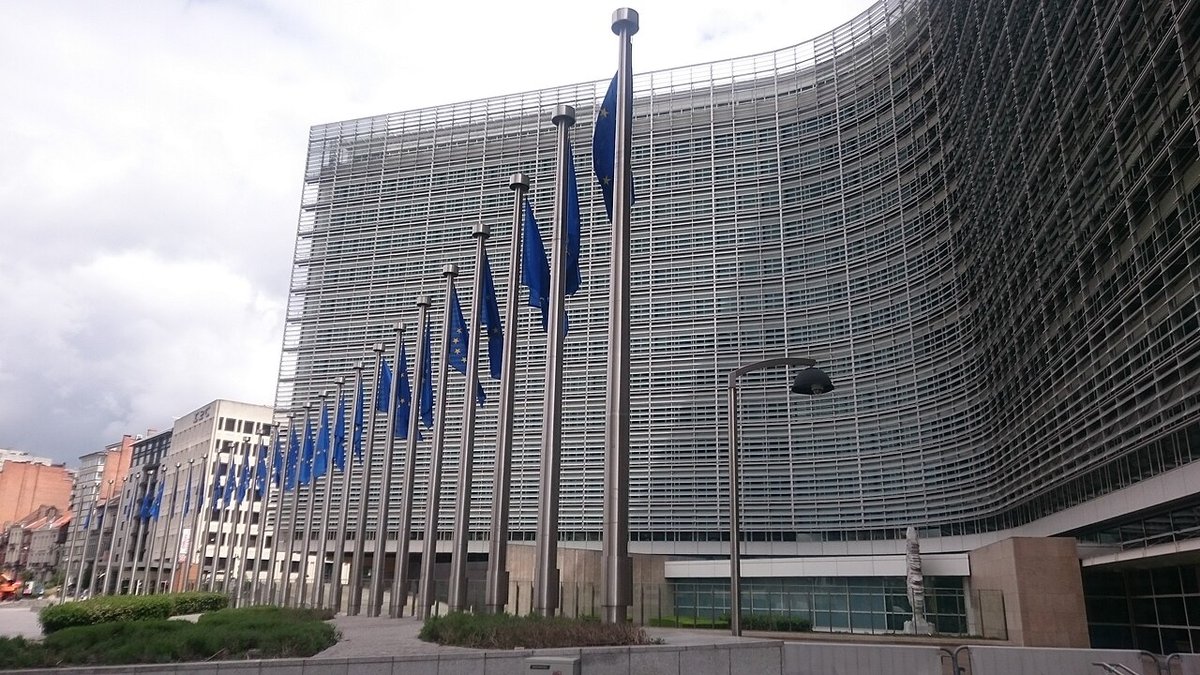
Why here: He defends the new regime as a "careful balance" that, he says, is not aimed against China.
More info →
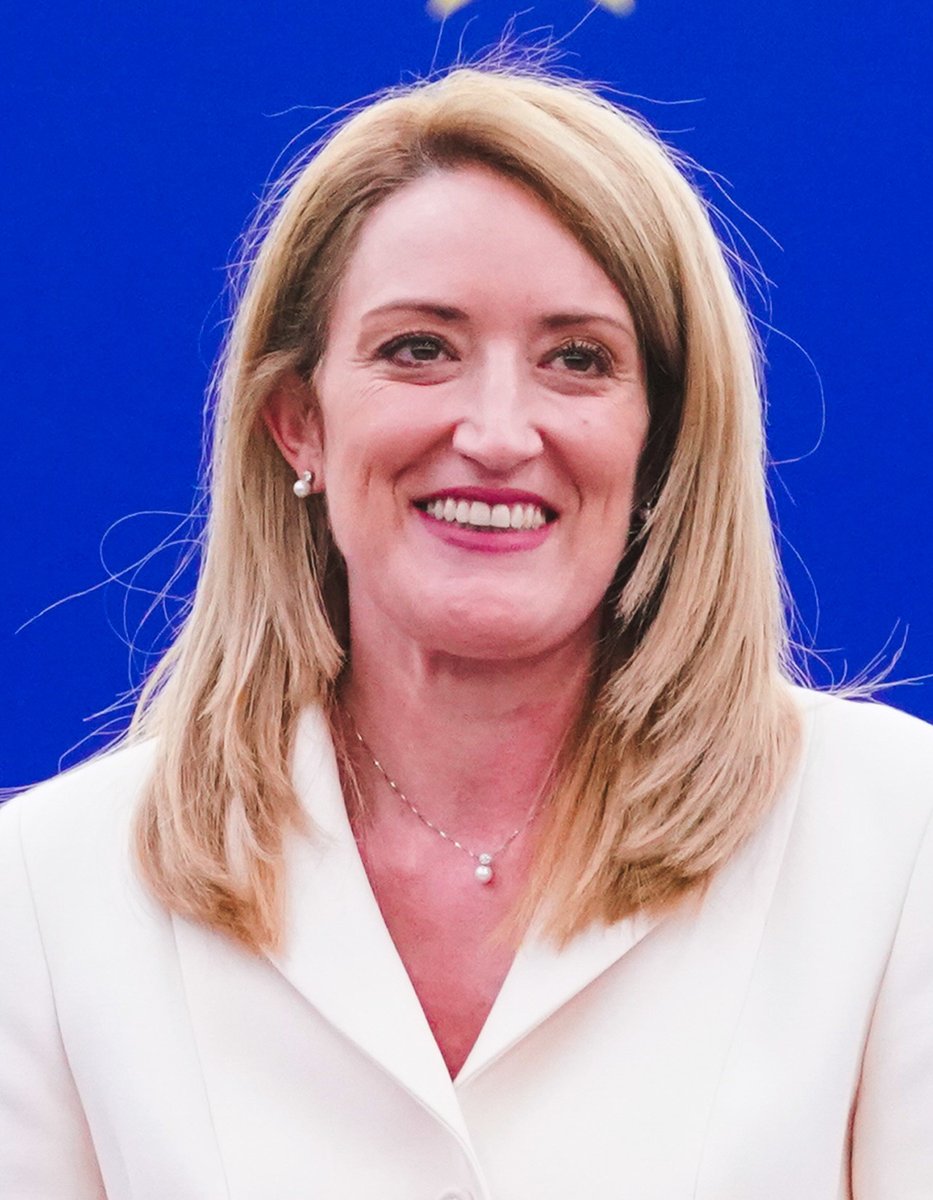
Ľubica Karvašová
A Slovak diplomat and Member of the European Parliament for Progressive Slovakia.
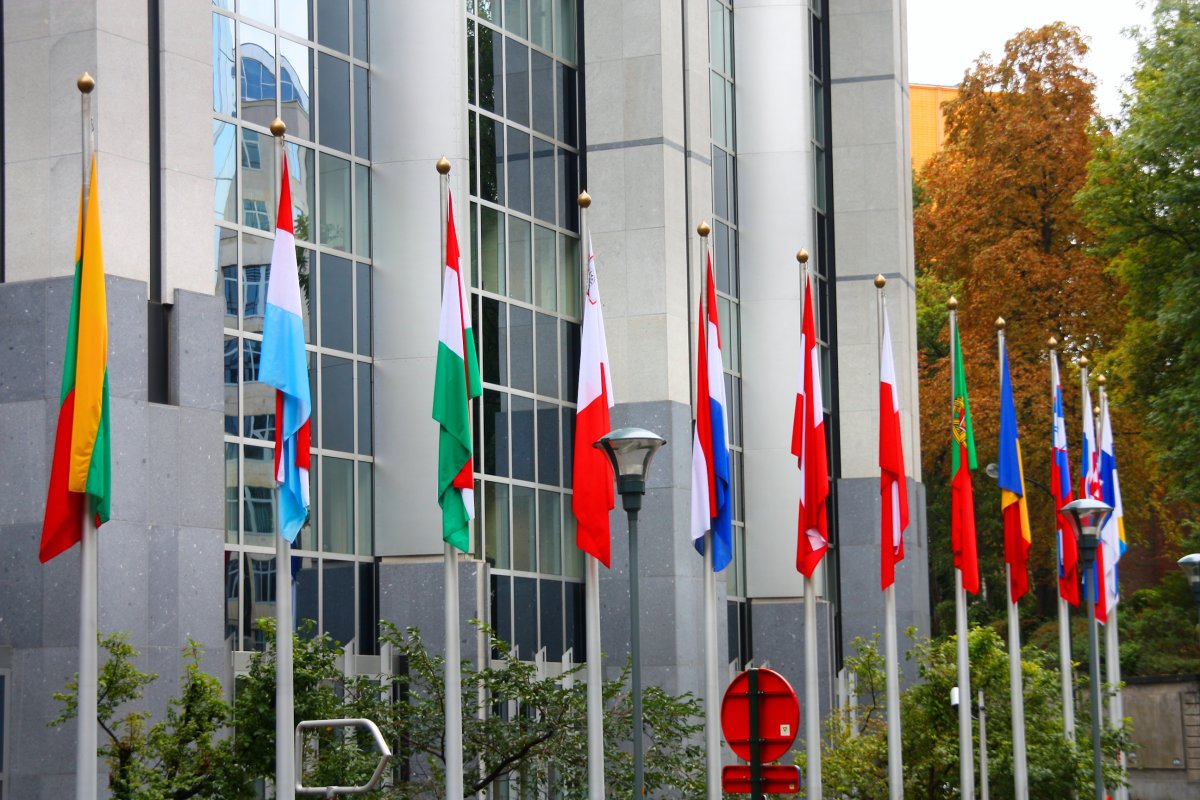
Why here: She called the measure an "effective shield" for domestic steelworks and thousands of jobs in eastern and central Slovakia.
More info →
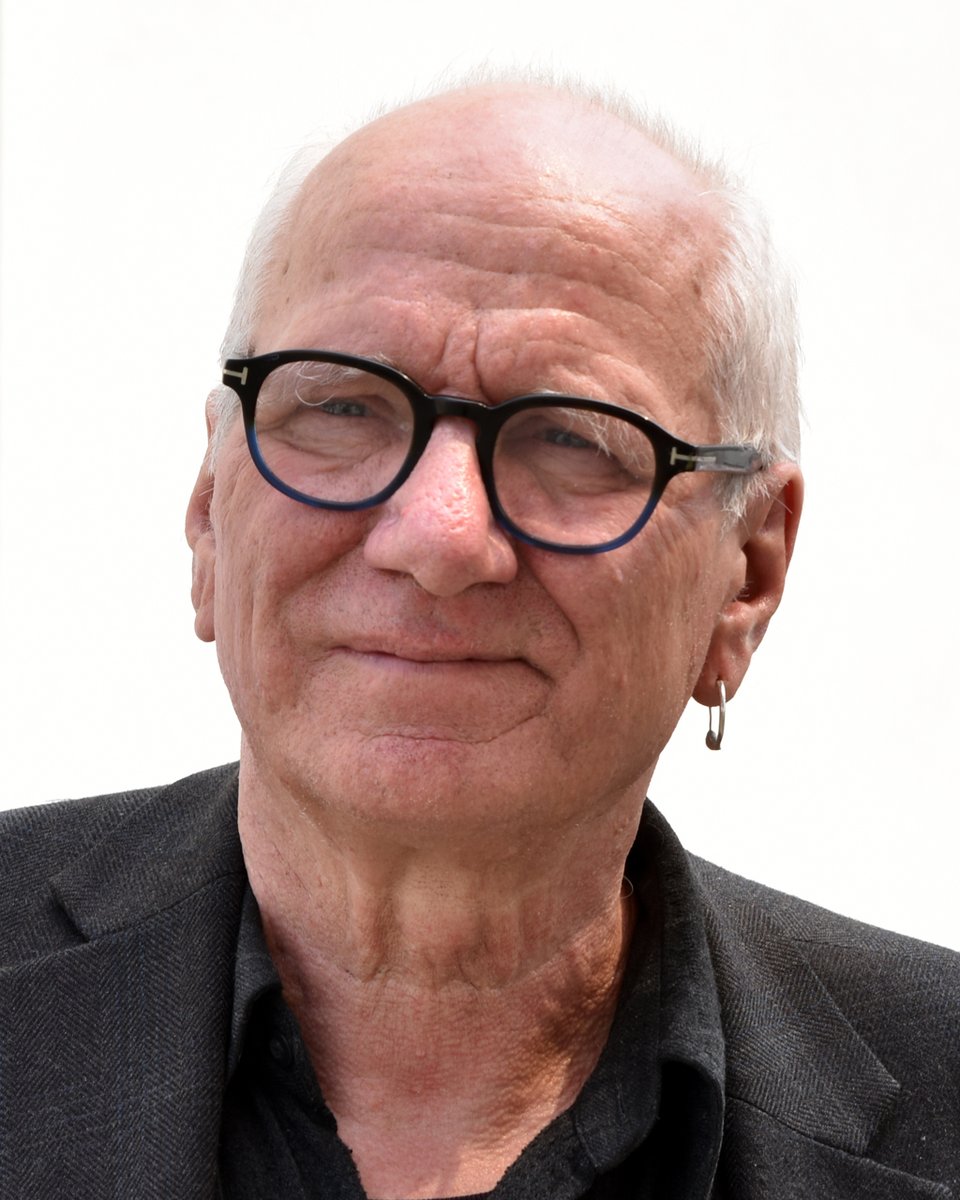
Branislav Ondruš
A Slovak left-wing politician and Member of the European Parliament for Hlas.
Why here: He noted that Slovak steelmakers, including U. S. Steel Košice, face tariffs of up to 50 percent when exporting to the US.
More info →
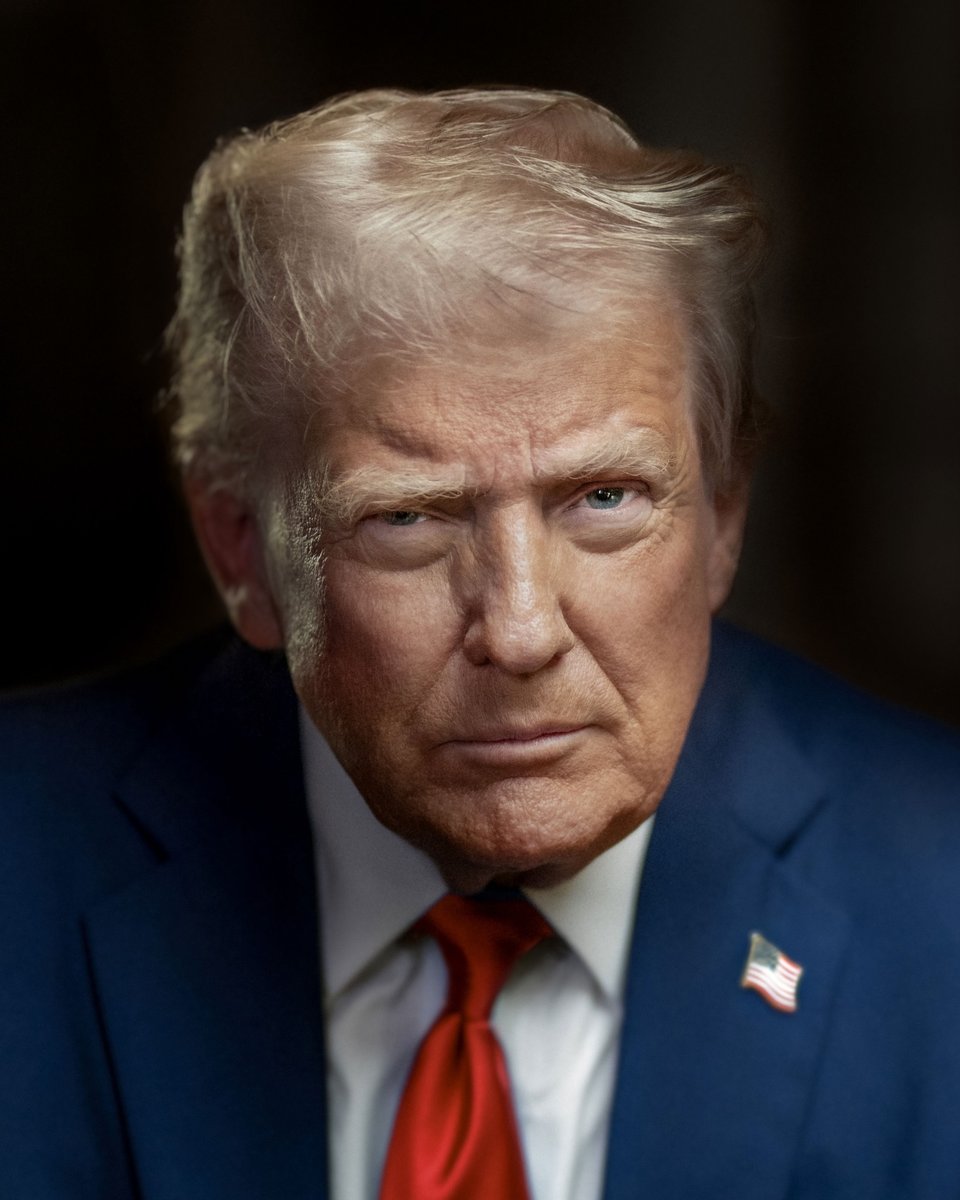
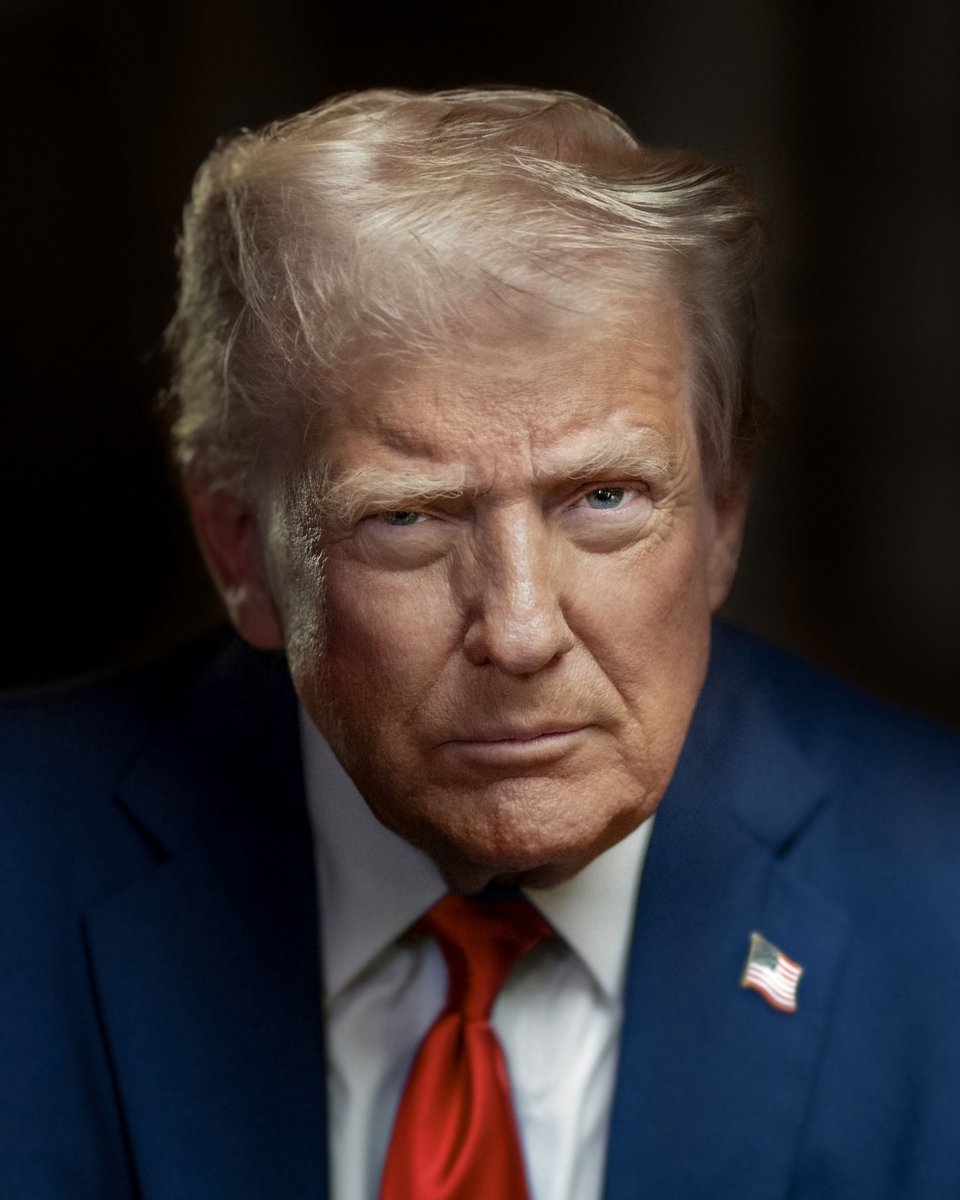
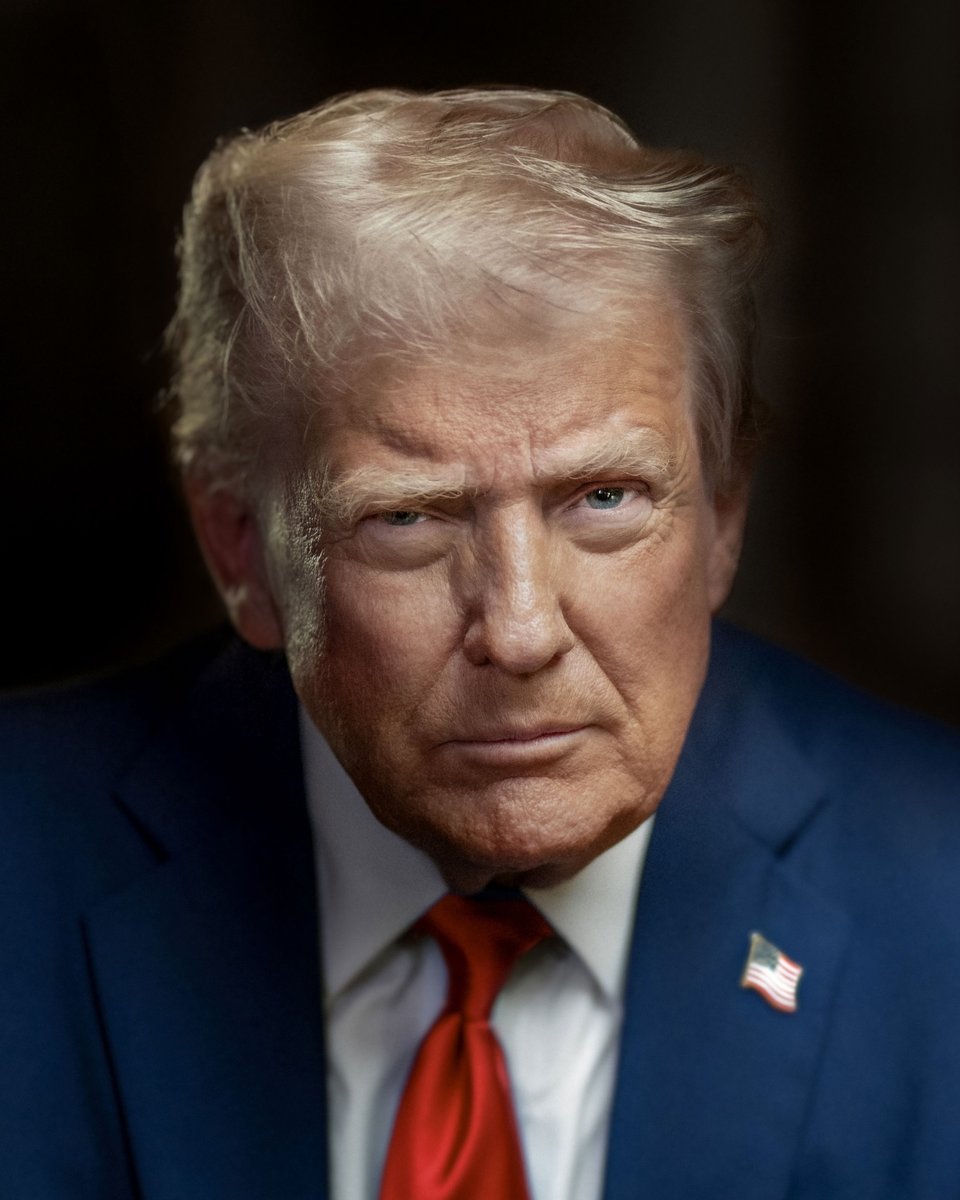
Donald Trump
President of the USA, who raised American steel tariffs last year.
Why here: His tariffs closed off the North American market and redirected cheap steel to Europe, triggering the EU's new regime.
More info →
OECD
An intergovernmental organization of the world's 38 most developed economies.
Why here: It warns that the global steel sector is in a crisis of overproduction that tariffs alone will not solve.
More info →What changes from today
The new regime replaces the safeguard measure from 2018, which expired on June 30. The duty-free quota of 18.3 million tonnes corresponds to the 2013 level and represents a cut of almost 47 percent compared to 2024. Half the quota is reserved for countries with free trade agreements or privileged ties, while the other half remains open to all exporters, with thirteen countries — including the United Kingdom, Turkey, South Korea, India and Ukraine — having already negotiated special access. SITA ↗The European Parliament approved the rules in May by an overwhelming majority of 606 votes to 16, justifying them by the loss of roughly 100,000 jobs in European steelmaking since 2008. European Parliament ↗ The main backdrop is global overproduction, in which China carries decisive weight — it produces more than half the world's steel and, according to the Commission, subsidizes it massively, while European production fell last year to a record low of 125.8 million tonnes. Trade Commissioner Maroš Šefčovič described the measure as a "careful balance" between trade obligations, World Trade Organization rules and supply diversification, and stressed that it is not aimed against China. SITA ↗ The trigger, however, was Washington: when Donald Trump raised American steel tariffs last year, the surplus production was redirected to European markets. Trend ↗
Why it's a shield for Košice
The Košice steelworks is the largest integrated steel producer in Central Europe, with an annual capacity of 4.5 million tonnes of crude steel. U. S. Steel Košice ↗ Since it melts and casts steel directly in Slovakia, it benefits from the new origin condition — the so-called "melt and pour" rule, meant to make it harder to circumvent quotas through minimal processing of cheap steel in third countries. European Parliament ↗ In other words, the rules reward producers who actually manufacture within the Union, not those who merely repackage cheap steel.Slovak MEPs from both the coalition and the opposition welcomed the measure across the political spectrum. Ľubica Karvašová of Progressive Slovakia speaks directly of a "shield": "Our steelworks were under enormous pressure from unfair, subsidized competition from third countries. Stricter rules will give them an effective shield they badly needed," she said, adding that thousands of jobs in eastern and central Slovakia are at stake. HN ↗ Branislav Ondruš of Hlas added a more critical tone, noting that Slovak steelmakers, including U. S. Steel Košice, face tariffs of up to 50 percent when exporting to the US, while American firms, in his view, enter the European market without obstacles. HN ↗ A double squeeze — 50 percent on both sides of the Atlantic.
The Japanese pivot and the bet on an electric furnace
The tariff wall arrives just weeks before the steelworks changes owners. From October 1, Japan's Nippon Steel takes full control — having bought the American parent company U. S. Steel last year, it is now reaching directly for its European subsidiary, which it will rename Nippon Steel Slovakia. U. S. Steel Košice ↗ The logic is clear: owning production inside the Union means being behind the tariff wall, not in front of it.The new owner also inherits a decision that will shape the plant's future — the shift from coke-fired blast furnaces to an electric arc furnace. Instead of the original American plan for two furnaces, the Japanese will, for now, build one, with output of 1.5 to 2 million tonnes a year — nearly half of current capacity. Construction is to begin in 2027, trial operation is planned for late 2029, and the cost will run into hundreds of millions of euros. Korzár ↗ The furnace is meant to cut CO₂ emissions by 56 percent, but it will raise electricity consumption from 1.7 to nearly 2 terawatt-hours a year — a sensitive bill given Slovak energy prices. According to the plant, the decision on a second furnace — and thus on full decarbonization — will also depend on the EU's stance. Denník N ↗
That is the core of a problem the tariff alone does not solve. According to the OECD, the steel sector is in a global crisis of overproduction, and tariffs buy time, not transformation. SME ↗ The Košice shield is necessary but not sufficient. Survival will depend on whether the investment in green steel pays off, which hinges as much on energy prices and European climate policy as on the level of tariffs.
What hotinfo is watching
- October 1: U. S. Steel Košice passes under Nippon's direct ownership and is renamed Nippon Steel Slovakia.
- The Commission's implementing acts on dividing quotas among individual countries, whose publication is still being delayed.
- Nippon's final investment decision on the electric furnace and the fate of the planned second furnace.
- Retaliatory steps by trading partners and quota negotiations within the World Trade Organization.
- The fate of Slovak steel on the American market, since the 2025 EU–US trade agreement does not cover steel and American tariffs remain at 50 percent.
- The energy bill and the impact of EU carbon policy on the competitiveness of the Košice steelworks.