






Key actors — tap for context

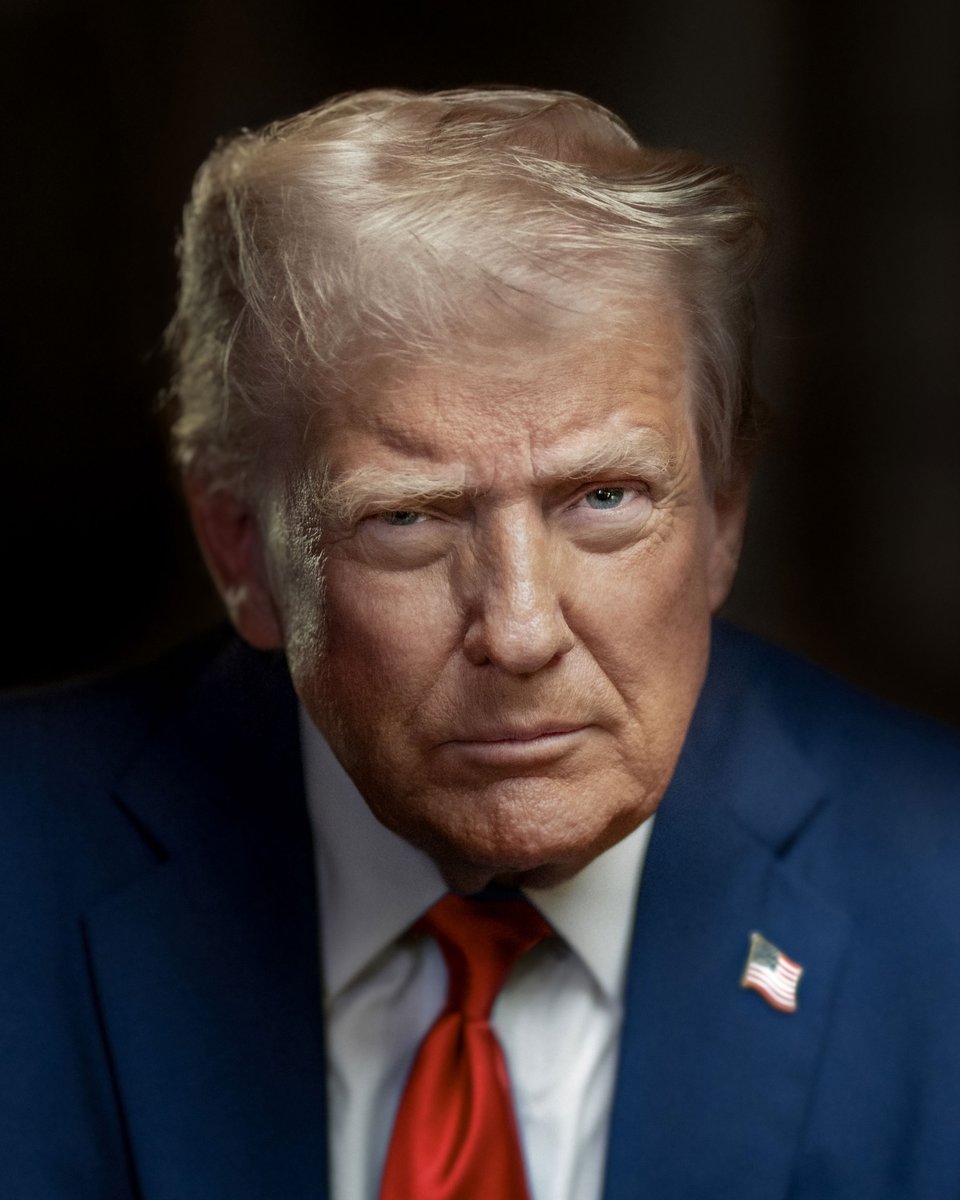
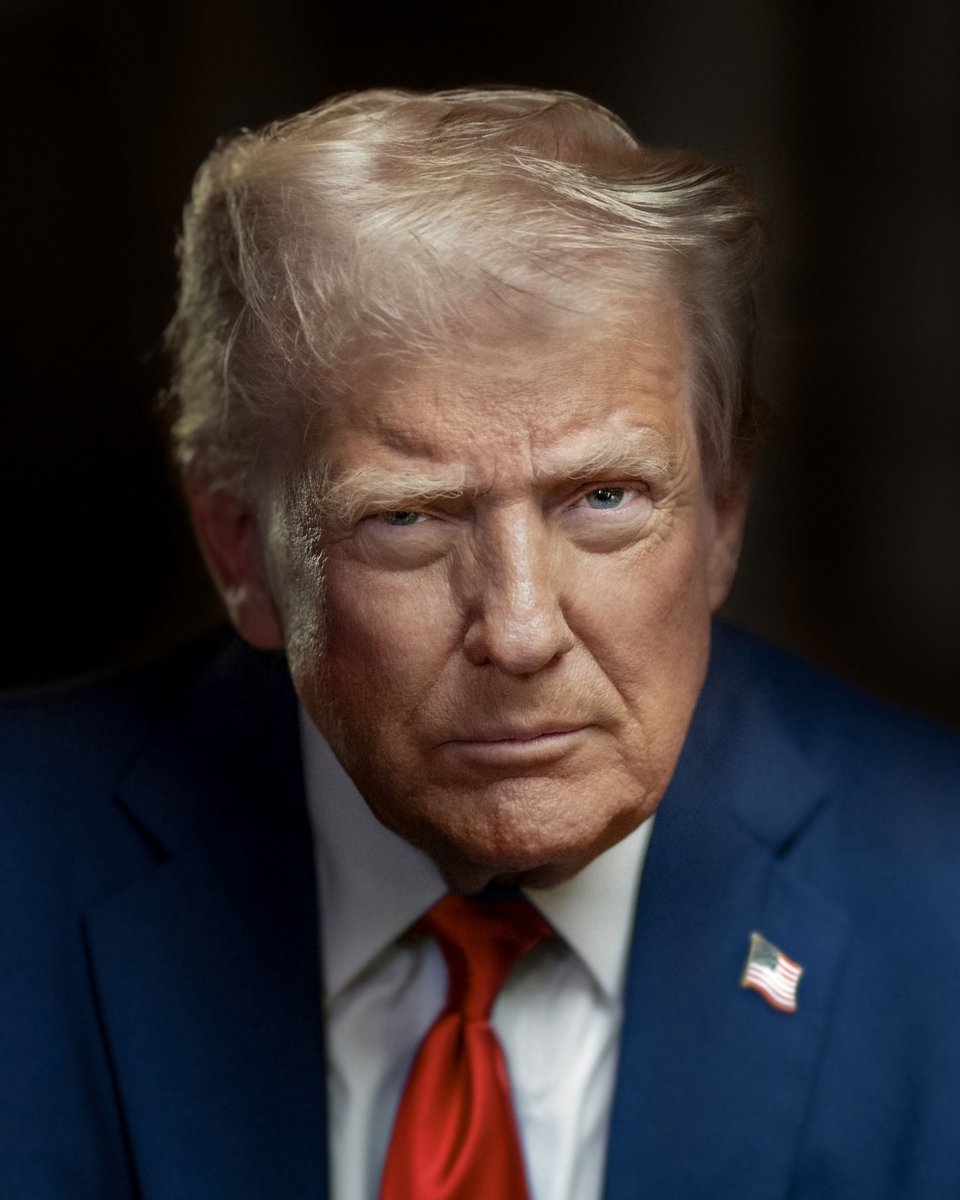
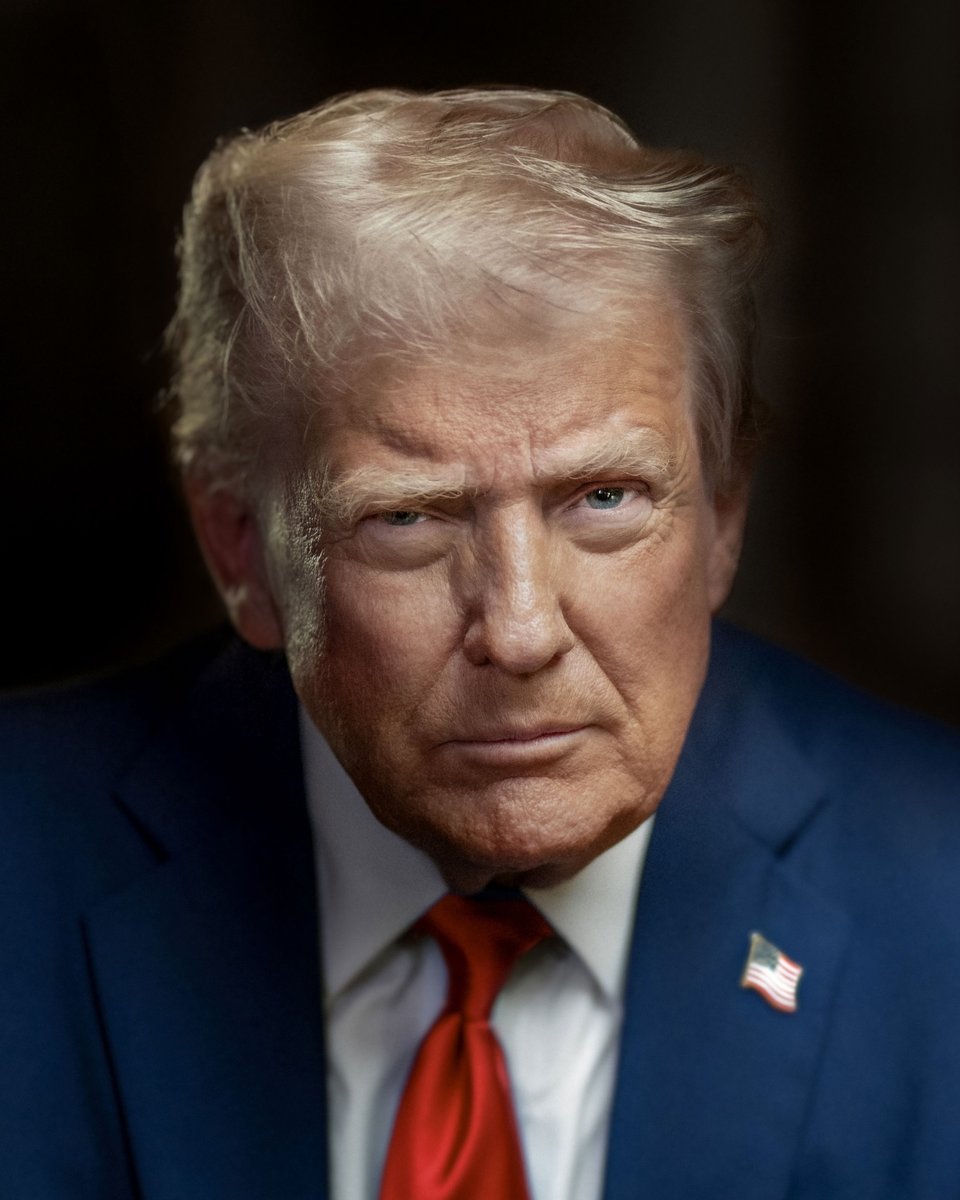
Donald Trump
47th President of the United States, who launched a military strike against Iran in late February and is now winding it down via a memorandum
Why here: Both the Senate and the House called on him to end operations or seek Congressional approval
More info →
Chuck Schumer
leader of the Democratic minority in the US Senate
Why here: his party introduced the resolution, calling the war "costly, unnecessary and destructive"
More info →
Jim Risch
Republican chairman of the Senate Foreign Relations Committee
Why here: warned that the resolution could push Tehran to walk away from negotiations
More info →
J. D. Vance
Vice President of the United States
Why here: announced the return of nuclear inspectors to Iran after the first round of talks in Bürgenstock
More info →
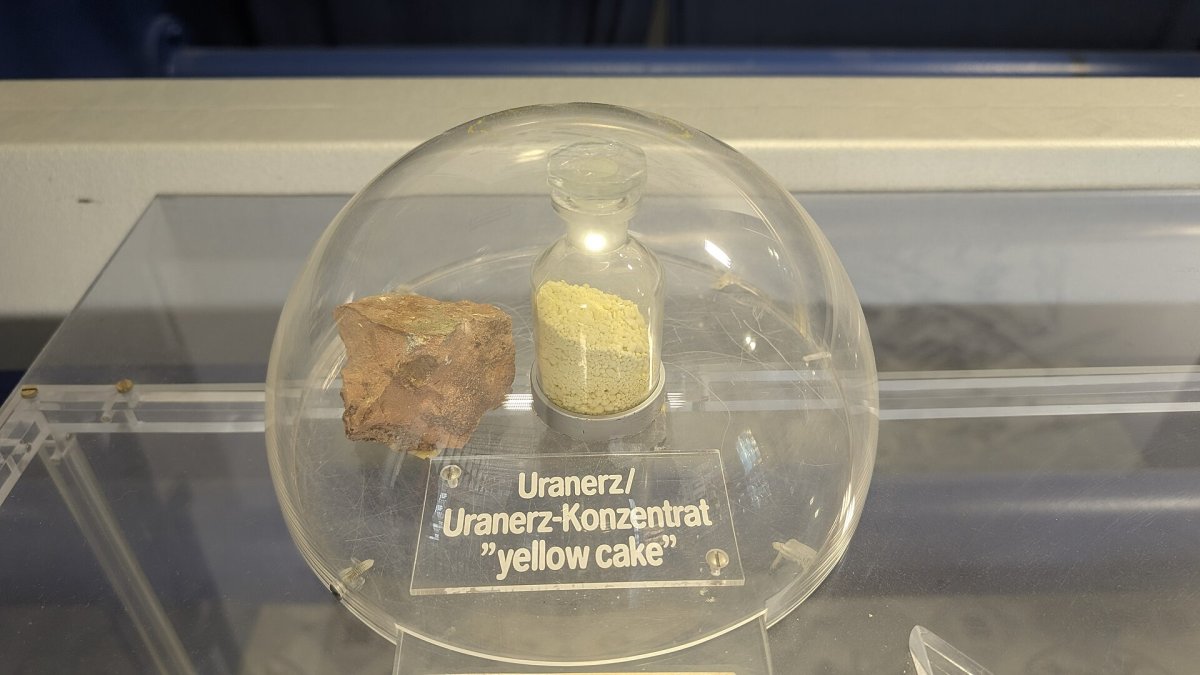
IAEA
International Atomic Energy Agency, the UN's nuclear agency headquartered in Vienna
Why here: its inspectors are supposed to return to Iran according to Washington, which Tehran denies
More info →A tight 50-48 — and two absent Republicans
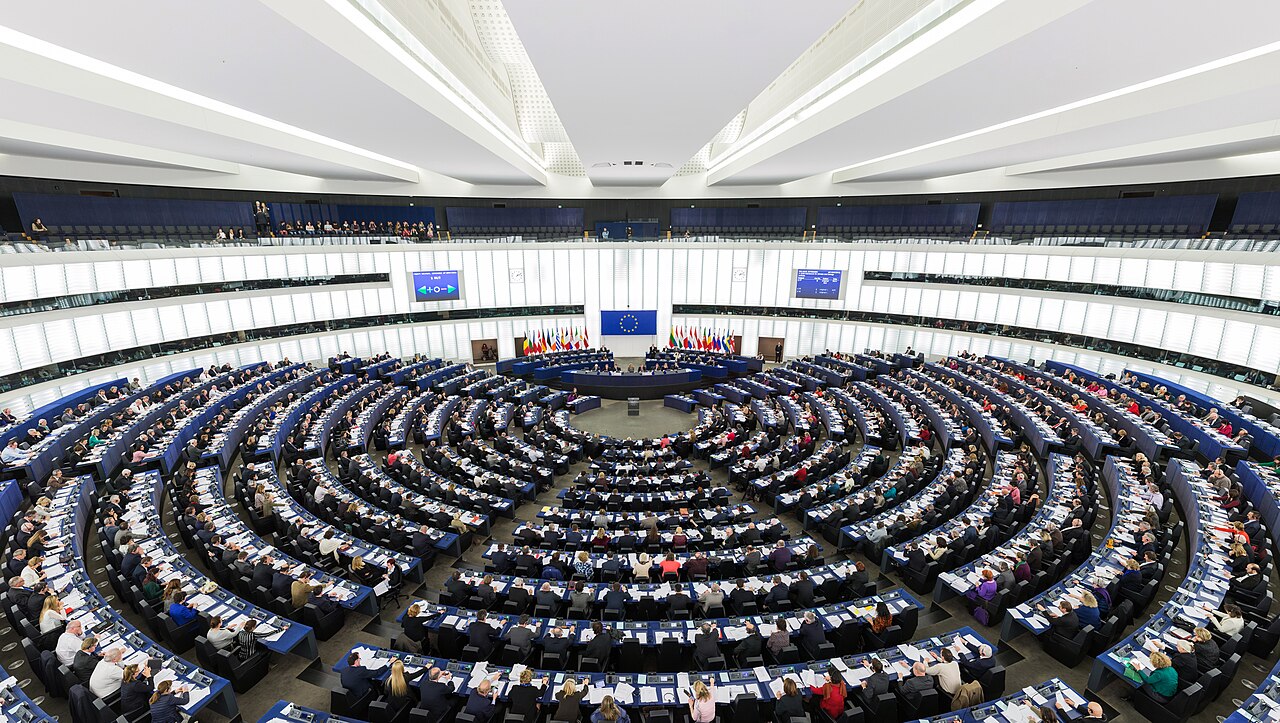
The war powers resolution was introduced by the Democrats, who are in the minority in the Senate. Four Republicans helped them reach a narrow majority, while two other Republican senators did not show up for the vote at all. The White House was quick to point out that the resolution passed only because of their absence. n-tv ↗The House of Representatives had approved the same resolution roughly three weeks earlier, by a vote of 215-208, with four Republicans likewise siding with the Democrats at that time. According to the AP, it was the Senate's tenth attempt to stop the war, and the first to succeed. Tagesschau ↗
Why it's a gesture, not a law
The War Powers Resolution is a tool dating back to 1973, through which Congress sought, after the Vietnam War, to limit the president's right to wage armed conflict without its consent. The US Constitution grants the right to declare war to Congress, yet presidents deploy forces even without formal authorization. Süddeutsche Zeitung ↗However, this resolution carries no direct legal force — the White House can ignore it or challenge it legally. Congress's real leverage remains the purse: the Trump administration needs its approval to fund the war, and it is precisely a vote on money that could turn symbolic resistance into concrete pressure. Trump had therefore already labeled the call "unpatriotic" weeks in advance, accusing lawmakers of obstructing negotiations with Tehran. n-tv ↗
How European newsrooms saw it
Germany's public broadcaster Tagesschau emphasized the constitutional dimension of the dispute — according to it, the Senate voted against deployments in Iran "without a Congressional mandate." The private channel n-tv was more pointed, calling the result "a slap in the face for Trump." It quoted Democratic minority leader Chuck Schumer, according to whom Congress stood up against a "costly, unnecessary and destructive war." Republican Senate Foreign Relations Committee chairman Jim Risch, on the other hand, warned that the resolution could push Tehran to walk away from negotiations. n-tv ↗Belgium's De Standaard noted that this is the first limitation of Trump's war powers after five months of war. France's Le Monde ran a headline saying Congress had "ordered" Trump to withdraw troops, while Swiss SRF and Austrian ORF wrote directly about "ending the Iran war." Sweden's Expressen focused on the other side of the coin, looking at Moscow's reactions to Trump's pivot toward negotiations. Le Monde ↗
Background: a fragile truce with Tehran
The vote came amid US efforts to bring the war to a close. Trump claims on Truth Social that Iran has "unconditionally" agreed to nuclear inspections for a long period ahead, and that in return it has agreed to keep the Strait of Hormuz open, with the American naval blockade of Iranian ports being halted for now. Vice President J. D. Vance announced after the first round of talks in Bürgenstock, Switzerland, that inspectors from the International Atomic Energy Agency (IAEA) would return to Iran. ORF ↗Tehran, however, disputes part of these claims. Italy's La Repubblica writes that Iran denies both the agreement on the return of IAEA inspectors and the unfreezing of billions in frozen assets. It is precisely this framework memorandum that is drawing criticism from a segment of Republicans — they disagree with the terms the White House has offered Tehran. And in a few months, Congressional elections will be held, in which voter sentiment will be reflected in the results. La Repubblica ↗
What hotinfo is following
Whether the White House will ignore the call or challenge it legally — the resolution carries no direct legal force, and everything depends on the administration's response.Which four Republican senators voted against the president, and whether this is an isolated revolt or the start of a broader rift ahead of the fall Congressional elections.
Whether Jim Risch's fear will materialize — that Tehran will walk away from negotiations after the vote.
The fate of the framework memorandum between the US and Iran: the actual return of IAEA inspectors, an open Strait of Hormuz, and what Tehran denies about the deal.
The vote on war funding — the point where Congress's symbolic resistance could turn into real leverage.