





Astronomers appear to have cracked one of the great mysteries of the James Webb Space Telescope — the origin of so-called little red dots, compact red objects from the early universe that images have revealed since 2022. According to a study published on June 10 in The Astrophysical Journal, they are rapidly growing supermassive black holes shrouded in a dense envelope of hot gas. NASA ↗
The team led by Vasilij Kokorev of the University of Texas at Austin obtained the most detailed spectrum yet of such an object, GLIMPSE-17775, dating from approximately 1.8 billion years after the Big Bang. A stroke of luck helped: the object lay exactly behind the galaxy cluster Abell S1063, whose gravity amplified its light like a lens — 30 hours of observation thus had the effect of roughly 80, and Webb captured more than 40 spectral lines. Der Standard ↗
Gas falling into the black hole heats up and glows, which explains the objects' characteristic red color. The holes are smaller than they appeared, so the result eases concerns that early galaxies formed too quickly and thus violate the cosmological model. "Everything fits, nothing is broken," Kokorev summarized. Space.com ↗

The mystery of "little red dots" from the early universe may be solved: they are growing black holes
🔥 You might also like

Politics (General)
Brief GPS outages over Europe were caused by Russian satellites, a Texas study showed. Daily jamming near the Baltics, however, remains ground-based
A Texas study attributed brief pan-European GPS outages to Russian EKS satellites. Most jamming is still caused by ground-based electronic warfare near Kalining …
📰
Economy & Business
Rheinmetall begins serial production of satellites for the Bundeswehr
German defense group Rheinmetall began serial production of space satellites on October 6. The company is thereby expanding its product portfolio with technolog …

European Union
What Europe is writing about: CDU dropped out of a state parliament for the first time, Houthis attacked Riyadh, Russia confirmed Putin's victory
CDU dropped out of a state parliament for the first time, Houthis attacked Riyadh and Saudi Arabia suspended October oil deliveries to Europe, Russia confirmed …
Geographic locations


From our newsroom original
All →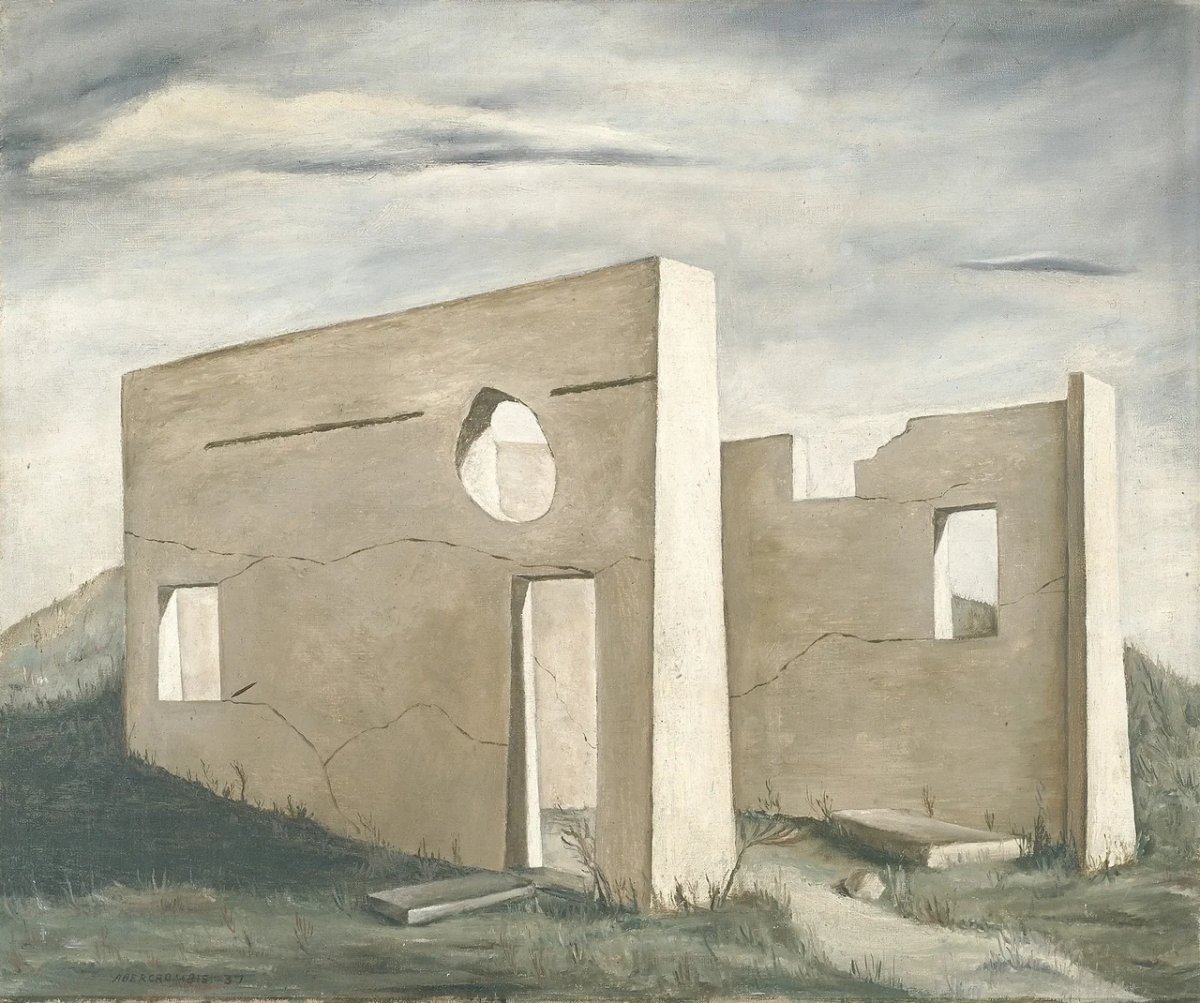
Painting bought for $30 at an estate sale sold at auction for $1.35 million, it's by Gertrude Abercrombie

Family claims Mezőkövesd club lost silver medal from 1954 World Cup belonging to Golden Team player, prepares lawsuit
Former senior CIA official pleads guilty to $194 million fraud, had about 300 gold bars at home
Karl Bushby walked around the world for 28 years, swims into England, with 400 km left to his native Hull

Half-price train fares will continue in November too

Trump approves execution of Nidal Hasan by firing squad
What Slovakia is writing about: Government approves budget without agreement with unions; Taraba wants earlier abolition of the transaction tax in return for support
What the Czech Republic is writing about: Coalition considers new taxes, billions from refineries according to Deník