
An internal "reasoning" model from OpenAI disproved, from a single prompt, a conjecture that Hungarian mathematician Paul Erdős formulated back in 1946 — the so-called unit distance problem in the plane (how many pairs of points can, at most, be exactly a unit distance apart). The model found a construction that exceeds the previously assumed bound, meaning there can be noticeably more such pairs than was thought. The company announced this on May 20. OpenAI ↗ Scientific American ↗
The model drew on deep number theory — infinite class field towers. Nine independent mathematicians, including Fields Medal recipient Tim Gowers, verified the result and completed it into a 19-page paper; Gowers wrote that "no AI-generated proof to date has come close to this." However, the model did not find the optimal solution, and it was humans who brought it into publishable form. Live Science ↗ arXiv ↗
This is precisely what fuels the dispute. A group of mathematicians, in the "Leiden Declaration," point out that corporate models are closed off — lacking transparency, reproducibility, and any overview of their failures. British mathematician Ursula Martin adds that we learn nothing about the model's failures — and the fact that "a model finds a match" does not yet mean it "understands mathematics." Who will verify AI-generated proofs remains an open question. NZZ ↗

OpenAI Model Disproves 80-Year-Old Erdős Conjecture — Sparking Debate Over Whether AI Really Understands Mathematics
🔥 You might also like
Science
Henri Kagan and Kenso Soai Awarded Nobel Prize in Chemistry
The 2026 Nobel Prize in Chemistry went to French chemist Henri B. Kagan and Japanese chemist Kenso Soai for their discovery...
📰
Science
US Pull Bombers from Fairford Over Threat of Iranian Drones
The United States hastily withdrew bombers from RAF Fairford over the weekend due to a possible threat of an Iranian drone attack. The New York Times reported.. …
📰
Science
Nobel Prize in Physics Awarded to Francis Halzen for Neutrino Research
The 2026 Nobel Prize in Physics goes to Francis Halzen for the IceCube neutrino observatory and the discovery of high-energy cosmic neutrinos.



From our newsroom original
All →
MPs debate the budget, Kamenický rejects threat of provisional budget
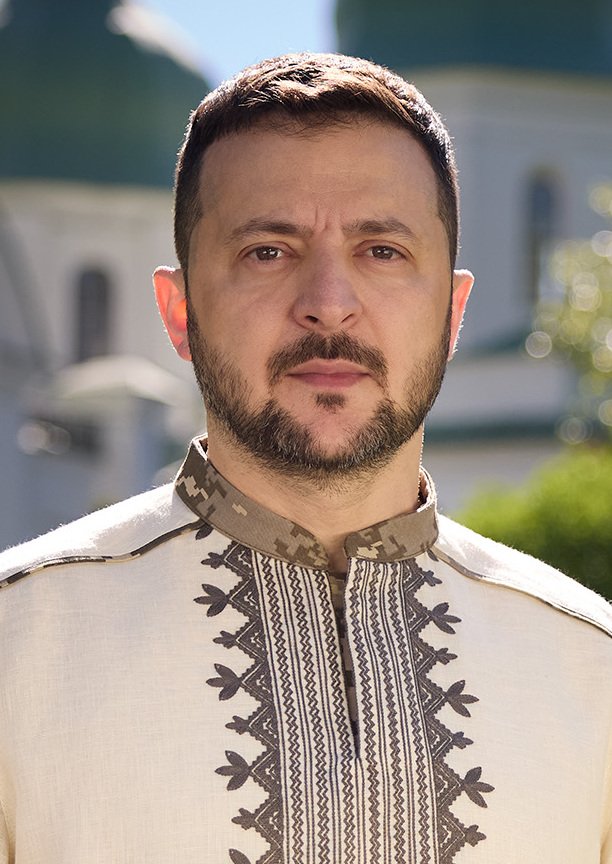
Russian attacks on Ukraine claim at least 28 lives
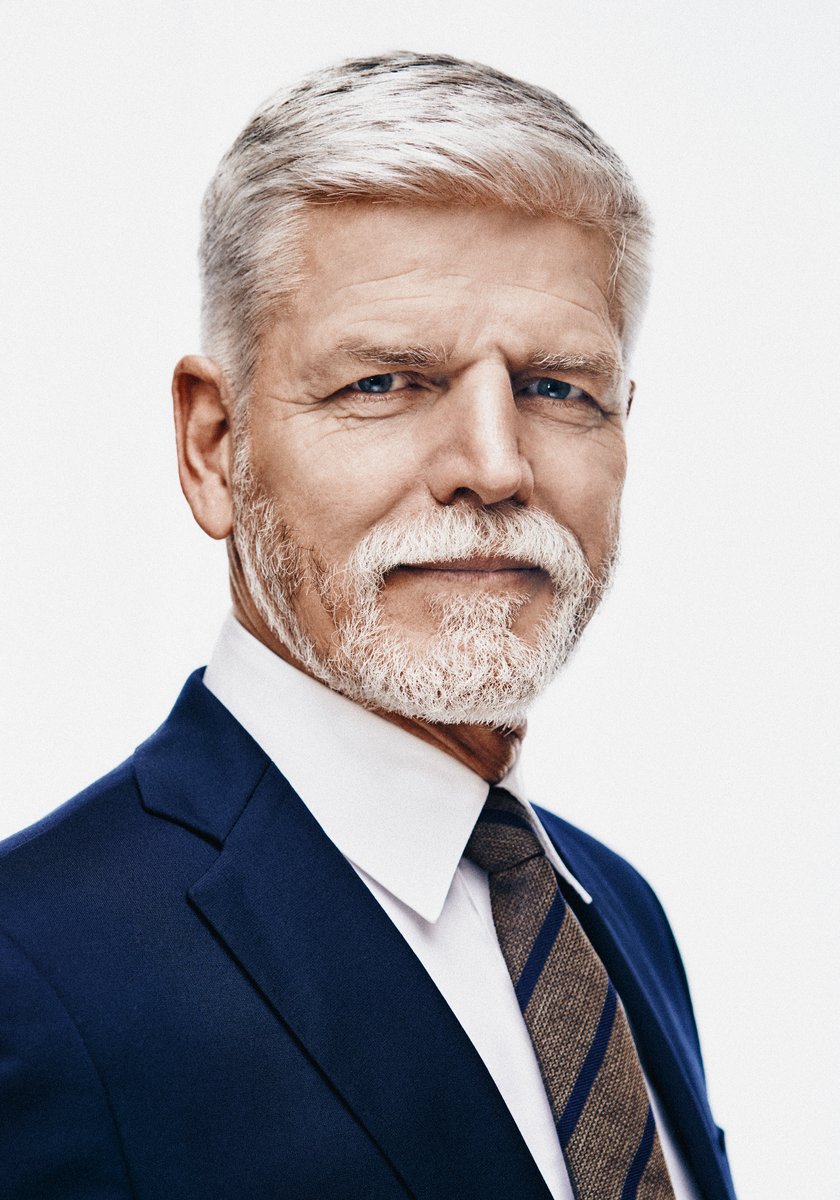
Petr Pavel left for Morocco and will miss the municipal elections

Swedish court convicts two men over concealed Viking-era treasure, acquits third man accused of selling it
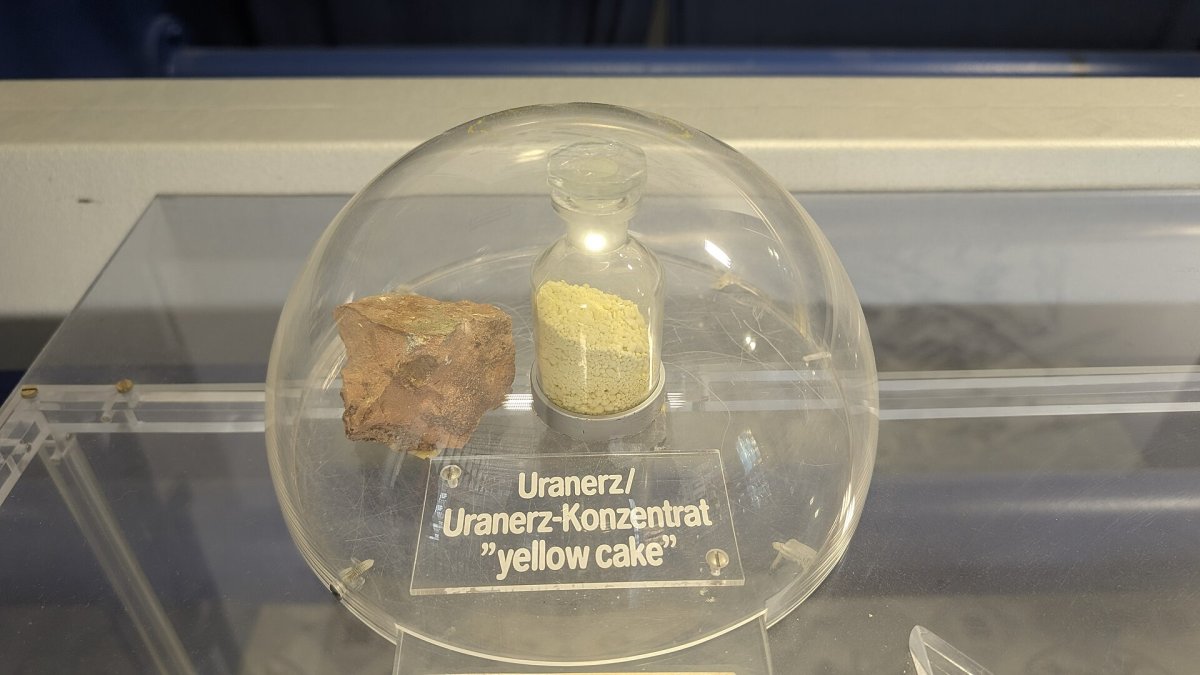
Man suspected of attempting to sell uranium-238 for $700,000 detained in Georgia
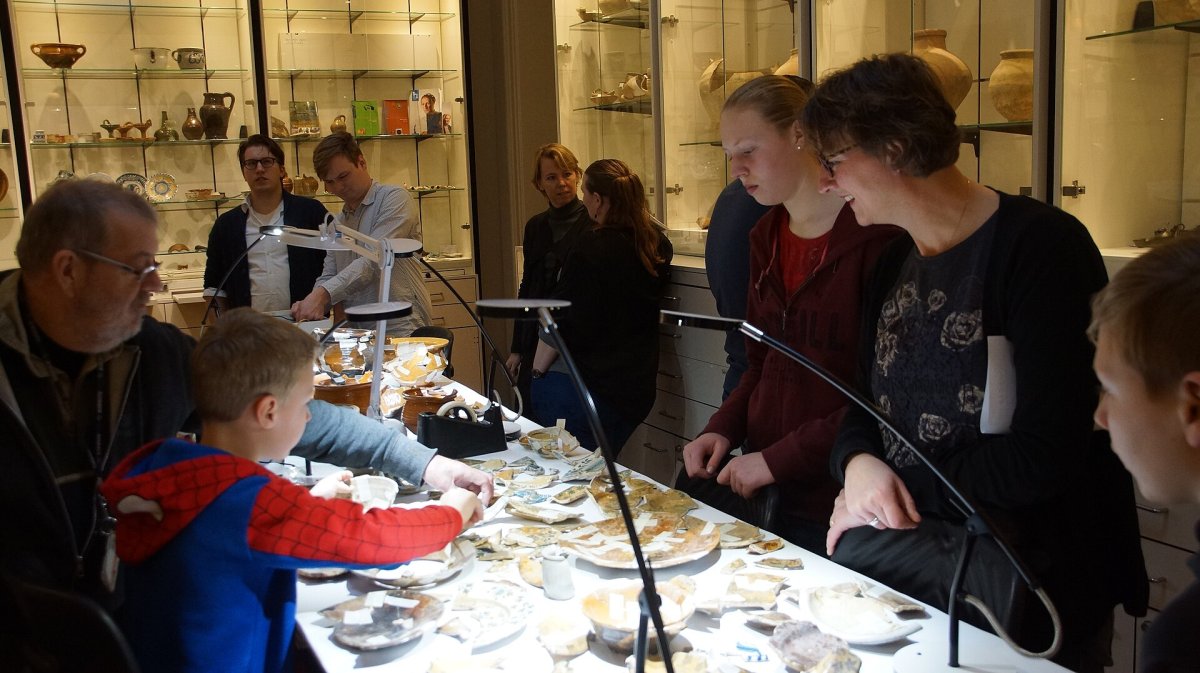
Amsterdam museum returned ancient vase to Sicily, theft revealed by 1976 wedding photo
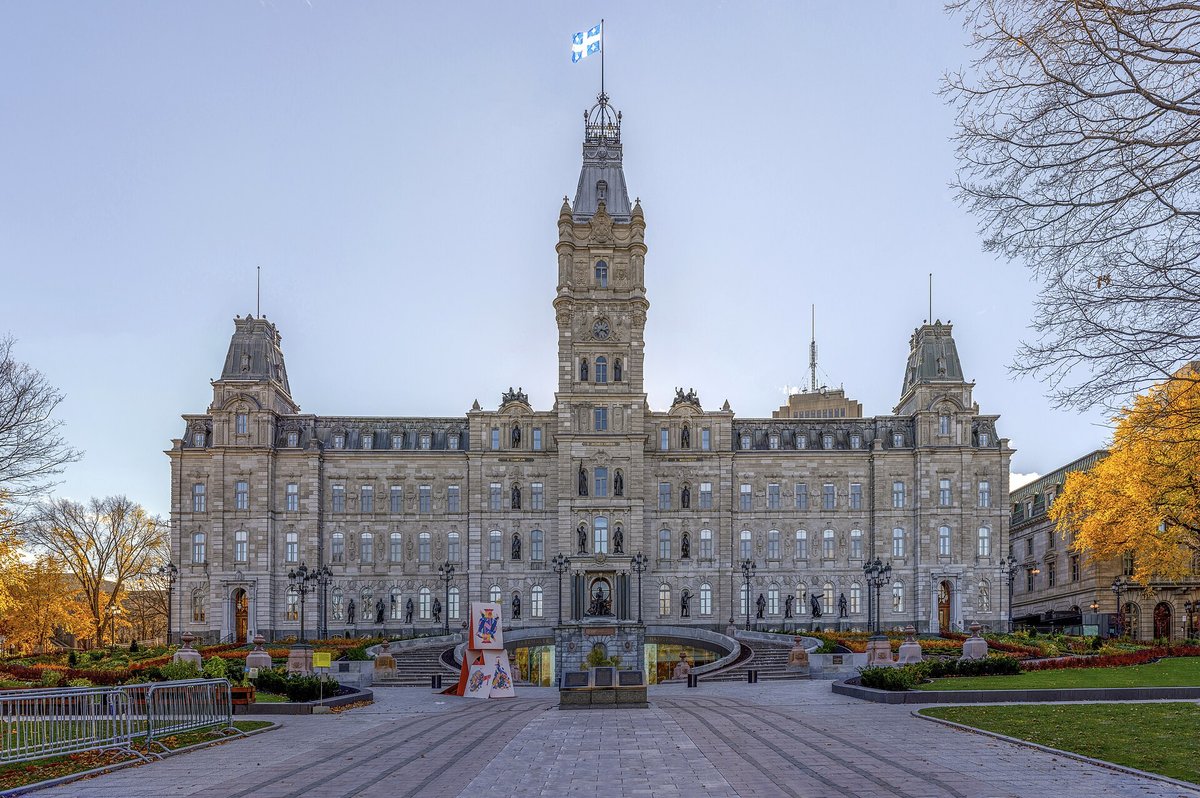
Quebec: Separatists Win with 28% of the Vote and No Majority, Promise Referendum Only After Trump
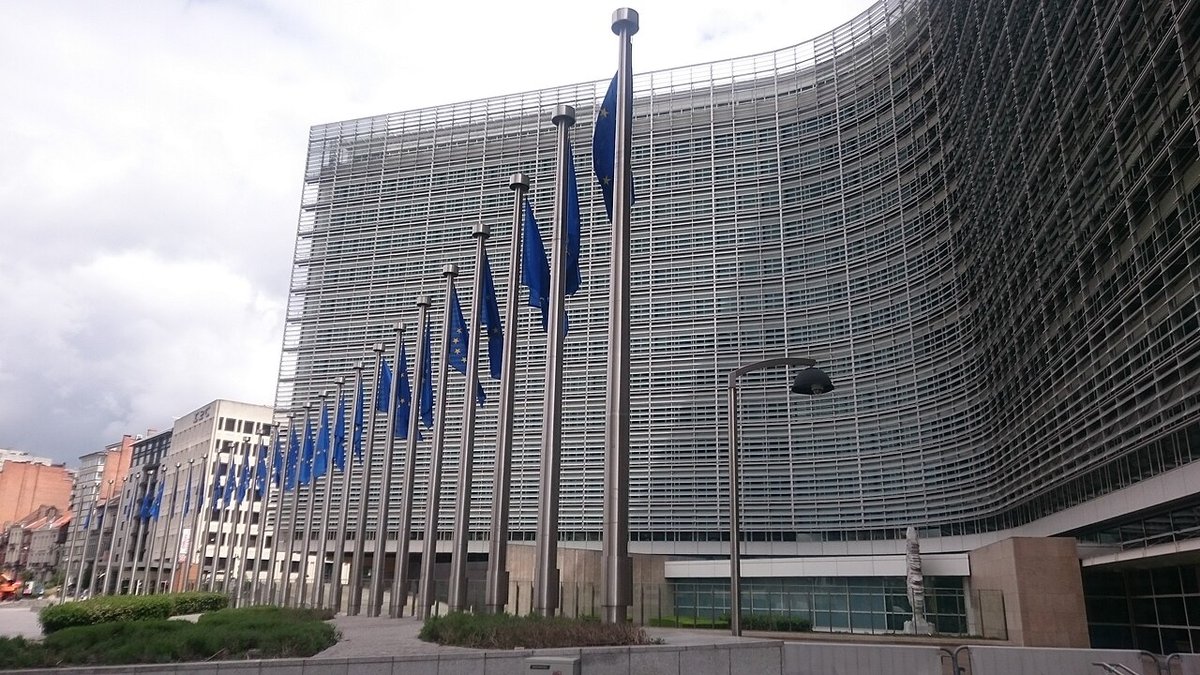
What Europe Is Writing About: AfD Leads a State Parliament, Ex-BND Chief Arrested, Puigdemont May Return