
A Mandate Built on a Single Defeat
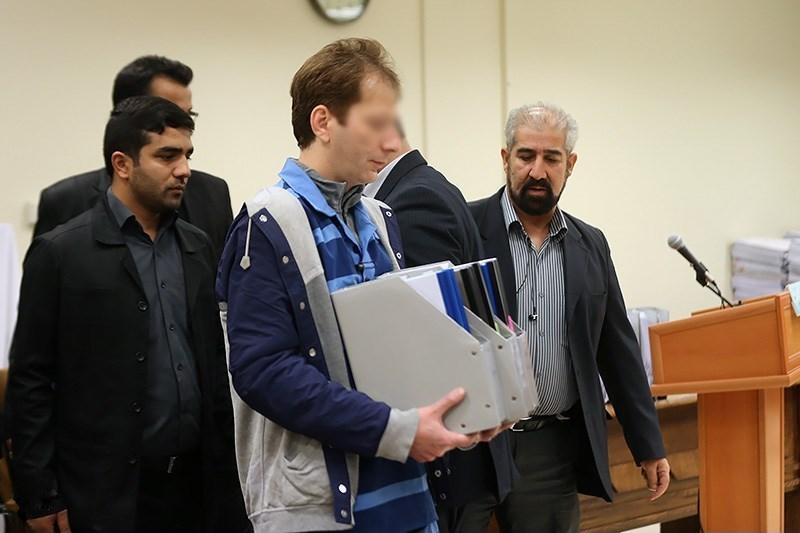
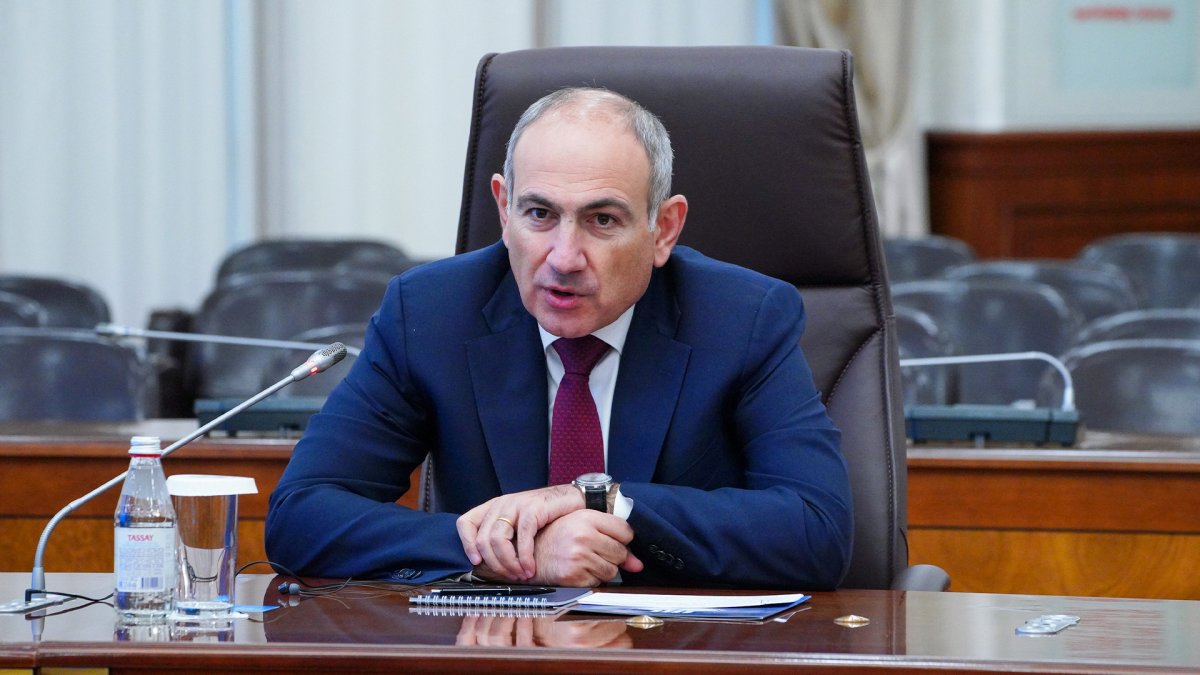
Pashinyan's turn toward the West is not an ideological project but the consequence of trauma. When Azerbaijan occupied Nagorno-Karabakh in September 2023 and drove out more than a hundred thousand ethnic Armenians, Russia — Armenia's long-standing security ally, which also had its own peacekeeping forces in the region — did not intervene. Pashinyan drew conclusions from this: in 2024 he froze Armenia's participation in the Moscow-led CSTO, parliament later passed a law initiating the EU accession process, and the first Armenia–EU summit took place. European Parliament ↗The victory does, however, have a darker side. The main rival, Russian-Armenian billionaire Samvel Karapetyan, led his campaign from house arrest — he is being prosecuted for allegedly inciting the overthrow of the government, which he denies, calling it a political process; his nephew Narek ultimately led the party list. Shortly before the election, authorities detained six candidates from the Hayastan Alliance, and the opposition claimed additional supporters were also detained. Pashinyan's mandate is thus strong, but the context of the arrests raises questions about the fairness of the contest. Politico Europe ↗
Moscow: Pressure and the Threat of a "Ukrainian Scenario"
A week before the election, the Kremlin applied pressure. Vladimir Putin warned that Armenia could end up like Ukraine — arguing that the war in Ukraine, too, allegedly began with attempts to join the EU, and pointing to incompatible food standards and GMO rules that would "force" Moscow to scale back economic ties. Former President Dmitry Medvedev said Pashinyan was leading the country down the path of a "Banderite Ukraine." Leaders of the member states of the Eurasian Economic Union (EAEU) threatened to suspend Armenia's membership and demanded that Yerevan hold a referendum on choosing between the EU and the EAEU. United24 Media ↗For a Slovak reader, this is a familiar logic: economic dependency as leverage. Armenia is reliant on Russian gas, on remittances from workers in Russia, and on the EAEU market — and Moscow knows it. Washington Post ↗
Trump as an Unexpected Player
Armenia's pivot is not solely a project of Brussels. The most visible patron has become Donald Trump: in August 2025, at the White House, Pashinyan, together with Azerbaijani President Ilham Aliyev, sealed with Trump's involvement an agreement on moving toward peace, including a transit corridor that Washington named after Trump. Ahead of the election, the president added the message "Make Armenia Great Again." For Yerevan, this may be an insurance policy that the EU cannot offer — but also a reminder that the new course rests not only on values but also on personal, Trump-style geopolitics. NBC News ↗Moldova Yes, Georgia No
It is tempting to read the Armenian election as another piece in the mosaic of "the post-Soviet space is leaving Russia's orbit." The reality is more varied. Moldova, under President Maia Sandu, obtained EU candidate status, narrowly confirmed its pro-European course in a referendum, and opened accession talks. Georgia went the opposite direction: the ruling Georgian Dream pushed through a "foreign agents" law, effectively froze EU integration, and faced months of protests. Belarus remains firmly in Moscow's grip, while Azerbaijan and the Central Asian republics are hedging. Tagesspiegel ↗The common accelerant is Russia's 2022 invasion of Ukraine; in Armenia's case, this was deepened further by Moscow's failure to prevent the loss of Karabakh. Russia's image as a reliable guarantor collapsed as a result. But the direction each country takes is determined by hard geography and domestic politics, not geopolitical momentum. Armenia is a landlocked state hemmed in between Azerbaijan, Turkey, and Iran, energy-dependent, and far from the EU. Pashinyan's mandate is clear — turning it into an actual departure from Russia's orbit will be far harder than winning the election. Die Zeit ↗
What hotinfo Is Watching
- The official final results and whether the opposition disputes the vote; the OSCE observers' assessment
- The EAEU's December report on a possible suspension of Armenia's membership and whether an "EU vs. EAEU" referendum is actually called
- The signing of the final peace agreement with Azerbaijan and the fate of the transit corridor
- Russian economic retaliation (gas, remittances, EAEU customs barriers)
- Armenia's concrete next steps in the EU accession process