
What Le Monde says
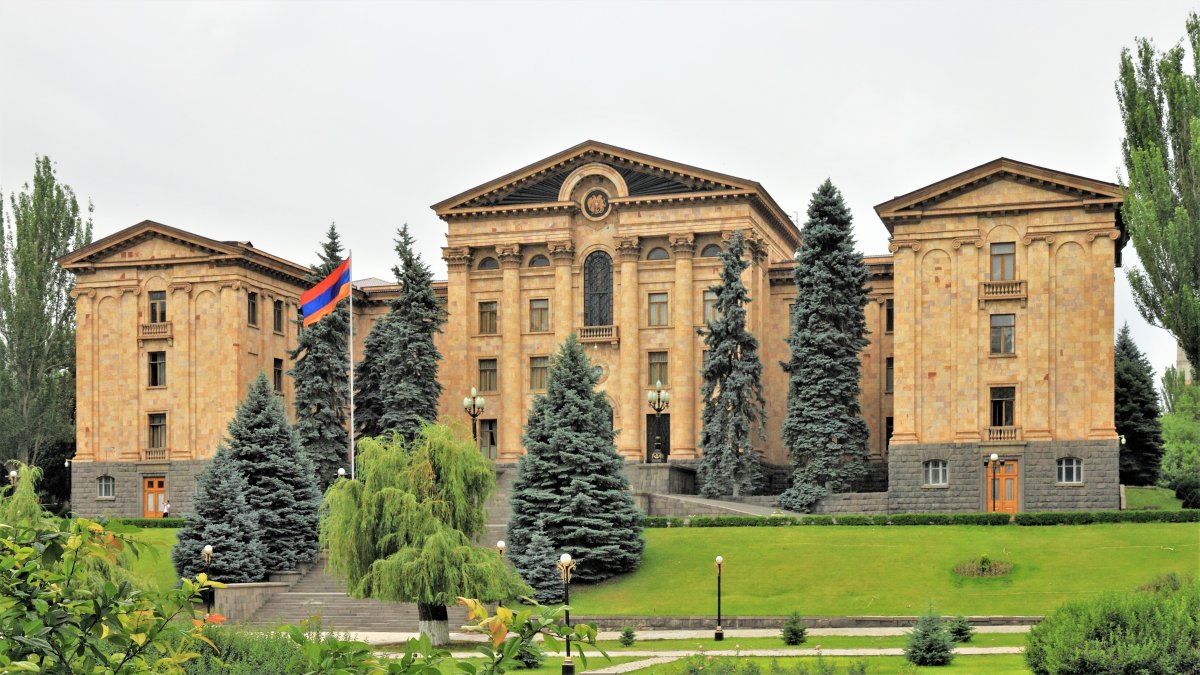
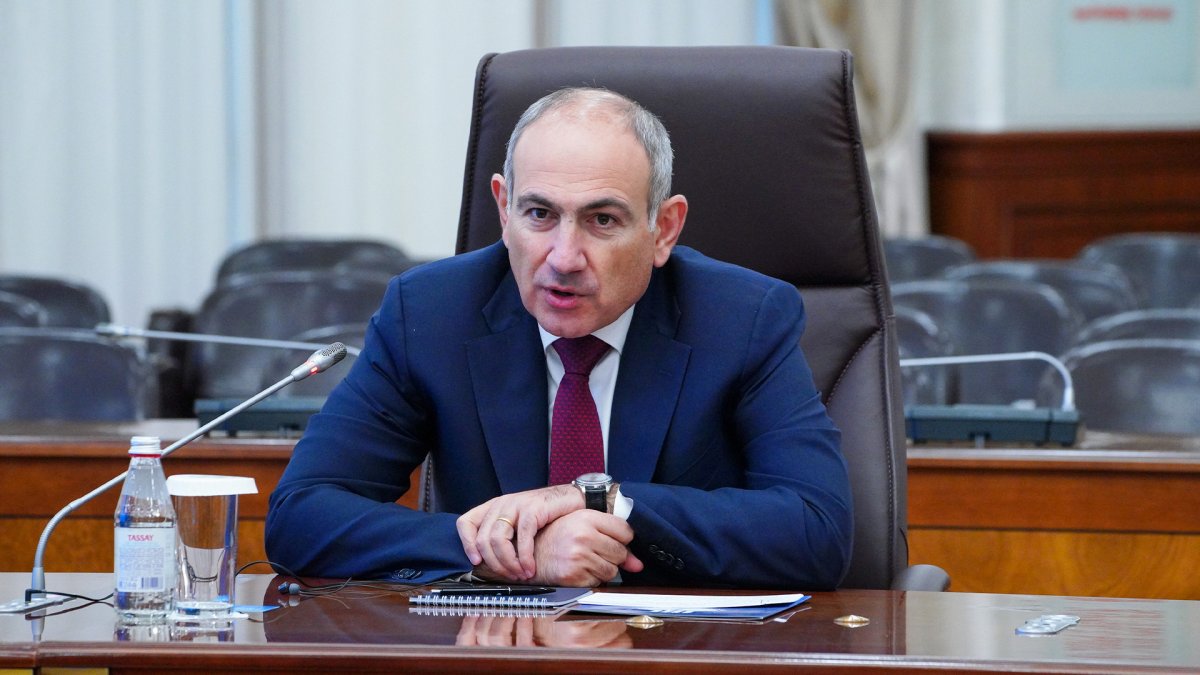
"Irritated by this former Soviet republic's rapprochement with the European Union, Moscow is stepping up intimidation and retaliatory measures ahead of the June 7 vote," Le Monde writes in its opening — and it names Prime Minister Pashinyan as the favorite. Le Monde ↗Reuters, Euronews, and other Western sources add concrete detail to this framing. Last week, Moscow threatened to cancel Armenia's preferential-price oil and gas supply agreements if Yerevan does not halt its steps toward EU membership. At the same time, according to researchers, a two-month campaign by a network of fake accounts ran with the narrative that Pashinyan "is preparing a war against Russia." And Reuters reported that Russian officials discussed transporting up to 100,000 Armenians living in Russia to come vote against the prime minister. France 24 ↗
The main face of the opposition to Pashinyan is Russian-Armenian billionaire Samvel Karapetyan, owner of the Tashir group and founder of the Strong Armenia bloc. He cannot run himself — due to his foreign citizenship, his nephew Narek Karapetyan formally leads the ticket — but Samvel remains the bloc's face and its candidate for prime minister, even though he has faced criminal prosecution since June 2025. He was arrested for "public calls to seize power" after he stood up for the Armenian Apostolic Church in its dispute with the government, and he is now running the campaign from house arrest. Pashinyan describes him as a tool of a Russian "hybrid operation" and the entire bloc as an attempt to find "Ivanishvili 2.0" — that is, a Georgian-style scenario in which a behind-the-scenes oligarch turned the country back toward Moscow. OC Media ↗
What's different here compared to Slovak coverage
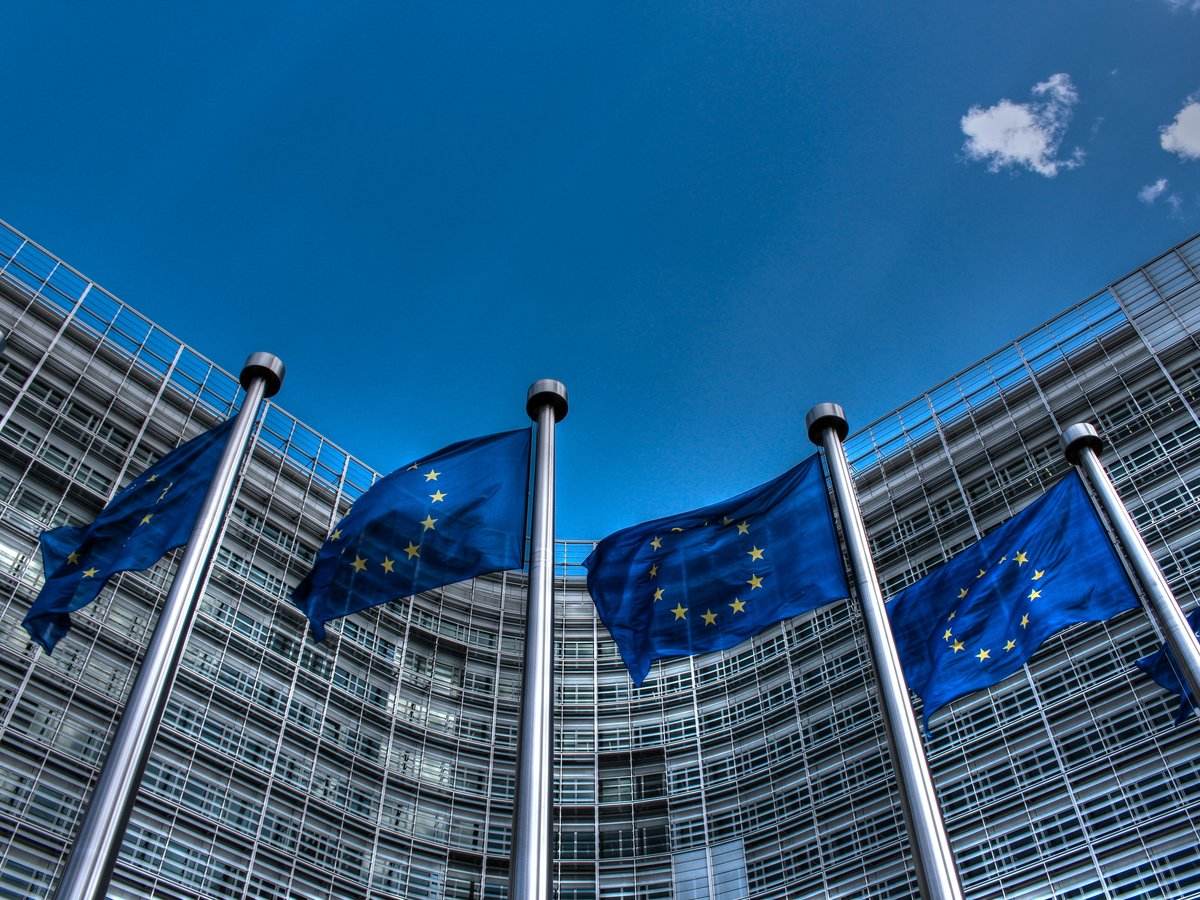
Slovak and Czech media have summarized the election as "a country at a crossroads between Russia and the West" — an open-ended geopolitical contest. Le Monde places the emphasis elsewhere: it treats the vote as a referendum on whether the EU's soft power can withstand Russian pressure in the post-Soviet space. And it suggests that the pressure has partly backfired on Moscow.Despite import restrictions and threats, according to a February 2026 survey by the IRI institute, 72 percent of Armenians view possible EU membership favorably (a narrow half would vote for it in a referendum), Pashinyan's Civil Contract leads May 2026 IRI polls with support around 32 percent, and the prime minister's support remains stable. National Interest ↗ The French perspective also emphasizes that Russian influence here is not abstract, but operates through a concrete network of the oligarch, the church, and the Kremlin — and that Brussels has responded tangibly: on June 4, Commission President Ursula von der Leyen announced an economic aid package meant to ease the cost of Armenia's departure from cheap Russian gas. Le Figaro ↗
Limits of this perspective
Le Monde is a French liberal-centrist daily with an openly pro-European stance, and the French lens on Armenia is not neutral: France has a large and influential Armenian diaspora, was among the first major countries to recognize the Armenian genocide, and President Emmanuel Macron is among Yerevan's loudest supporters. Le Monde thus writes about the pro-European shift with a degree of sympathy — and there is a risk that the geopolitical "referendum on Russia" framing overshadows domestic objections to Pashinyan's governing style, the government's dispute with the Armenian Apostolic Church, or accusations of pressure on the opposition.This perspective also underestimates Armenia's security reality. It was precisely during the alliance with Russia that Armenia lost Nagorno-Karabakh in 2023, and more than a hundred thousand people had to flee — Yerevan felt abandoned at the time by both Moscow and the West. Support for a "course toward Europe" does not, moreover, mean a willingness to sever security ties, and the loss of discounted Russian gas is a real economic pain, not just rhetoric.
What hotinfo is following
- Turnout and any organised influx of voters from Russia (manipulation)
- Moscow's retaliation after the elections — whether the threats about oil and gas move from words to deeds
- Samvel Karapetyan's legal fate: moving from house arrest to trial
- The specific sums and conditions of the announced EU economic aid package
- The result: whether Civil Contract (Pashinyan) holds its majority or needs a coalition partner→ Pašinjan zdrvil proruskú opozíciu. Arménsko potvrdilo obrat na Západ — a Moskva…Pašinjan/Občianska zmluva zvíťazila ~54-57% (55:21 nad proruskou opozíciou), voľby 7.6.2026