
Key actors — tap for context

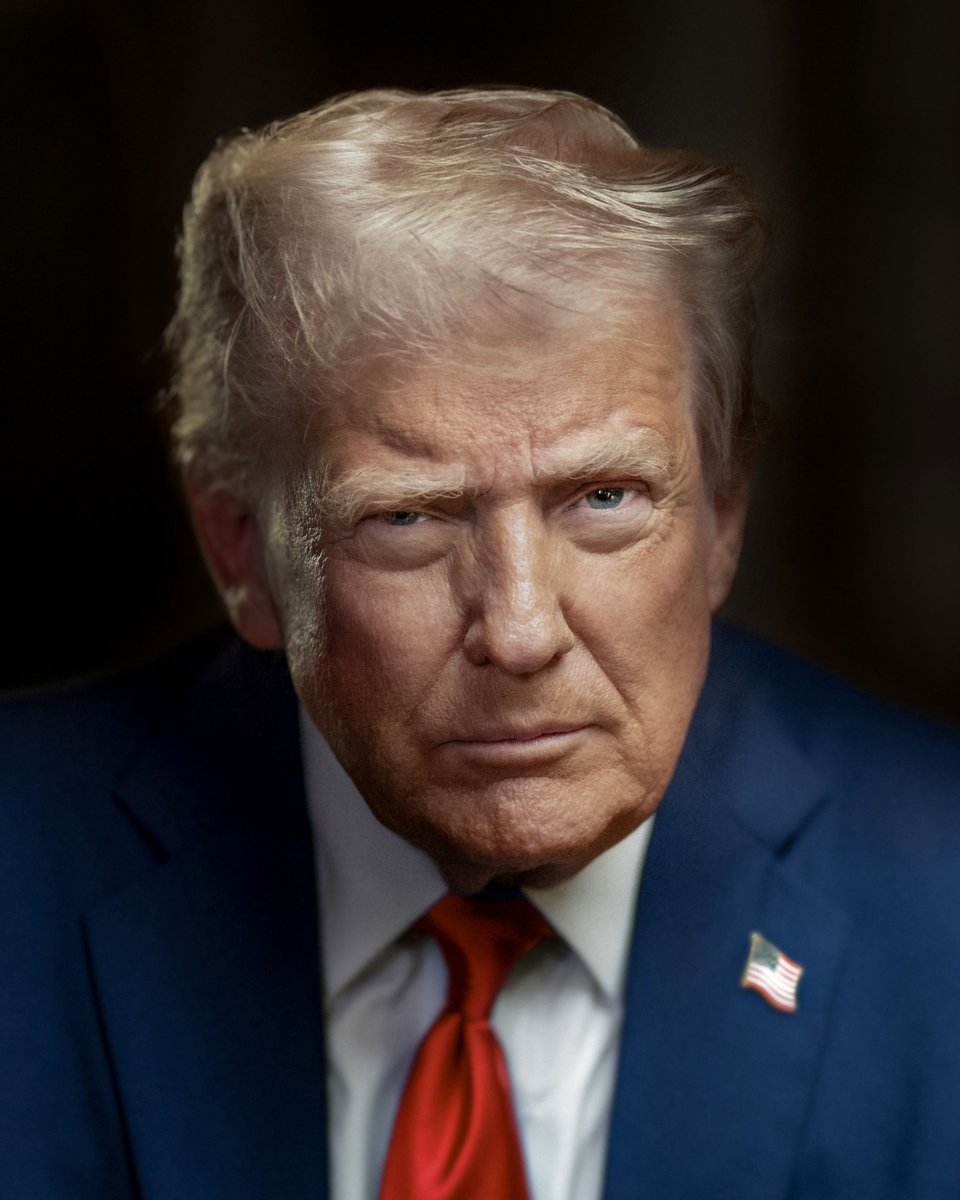
Donald Trump
US President, in his second term since 2025.
Why here: Signed the memorandum at Versailles and presents it as his peace triumph.
More info →
Masoud Pezeshkian
Iranian President and cardiac surgeon, in office since July 2024.
Why here: Signed the memorandum for Iran in Tehran; however, Tehran called the published text "inaccurate."
More info →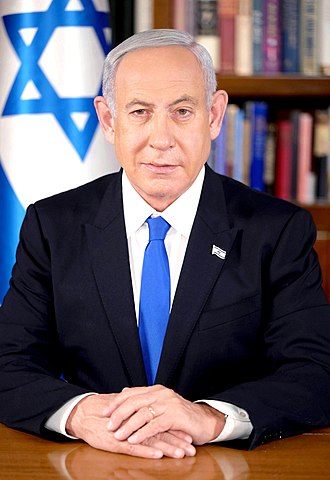
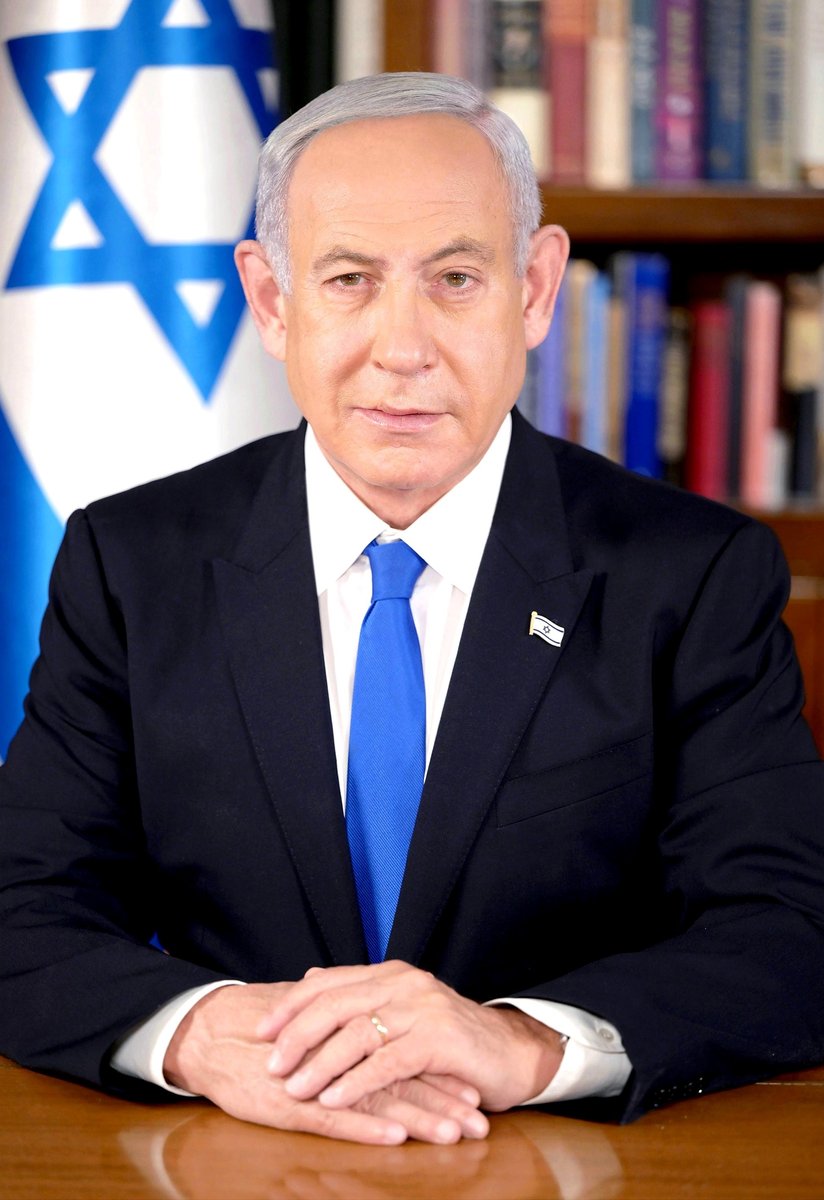
Benjamin Netanyahu
Israeli Prime Minister.
Why here: Claims Trump promised him tough nuclear conditions in the final agreement; Israel is keeping its hands free.
More info →
Emmanuel Macron
French President.
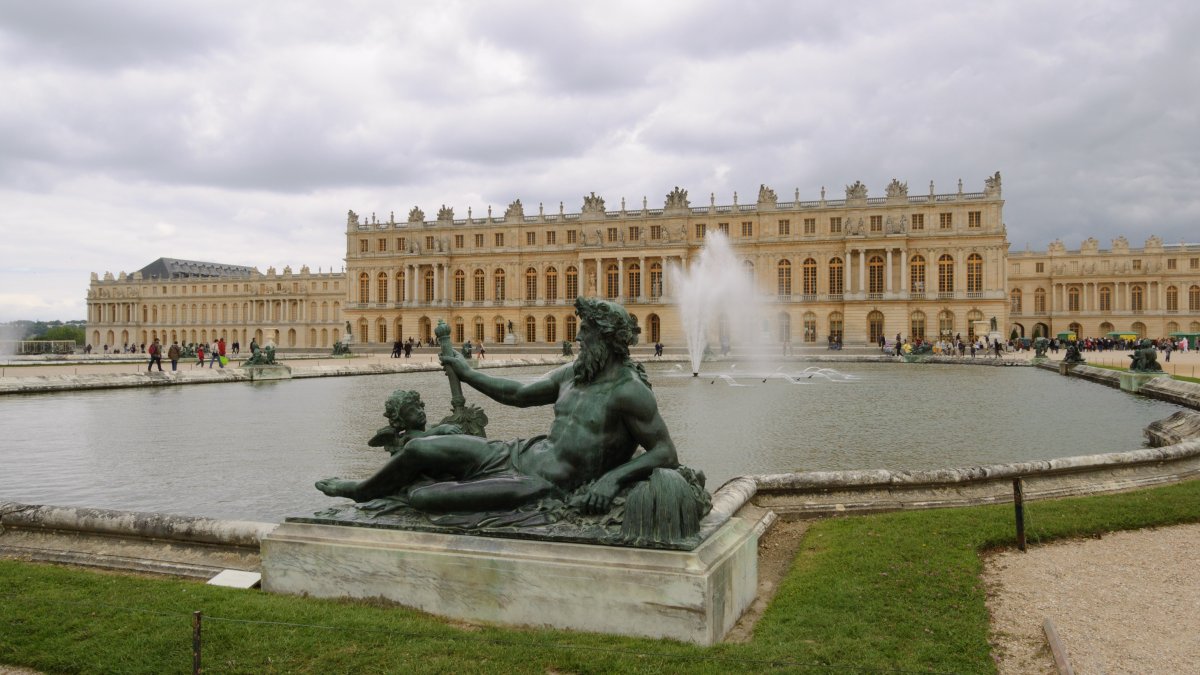
Why here: Hosted Trump at a dinner in Versailles, where the US president signed the paper copy of the agreement.
More info →
International Atomic Energy Agency
The UN's nuclear watchdog (IAEA), which monitors the peaceful use of nuclear energy.
Why here: Has long reported problems verifying Iran's program — this will be the core of the "final agreement."
More info →What the Memorandum Says
The text of the memorandum reached the media even before the signing. Štandard ↗ The agreement mandates an immediate and permanent halt to military operations on all fronts, including Lebanon, and opens the way to a phased lifting of sanctions according to the timeline of the final agreement — including UN Security Council resolutions, IAEA Board of Governors resolutions, and unilateral US measures; the first to take effect immediately are exemptions allowing Iran to export oil again and rejoin the international banking system. The Hill ↗ The Strait of Hormuz is to return to pre-war levels within 30 days: the US is immediately lifting the naval blockade, and Iran is committing to remove mines and "technical obstacles." TA3 ↗ Two figures that get mixed up in the headlines need to be distinguished: the pledge of at least 300 billion dollars in funding is a reconstruction fund that is only to be created in a later phase of negotiations, while Iran's frozen assets (Polish media put the figure at roughly 25 billion) are to be released gradually. Euronews ↗ Iran keeps repeating that it will not build nuclear weapons — but the memorandum does not address what happens to its stockpile of enriched uranium. TIME ↗ Some of these details, moreover, come from a text the parties presented selectively, and the final agreement may still change them.DE🇩🇪Germany: "No Peace Treaty, Just 14 Points"
German public broadcasters are tempering the euphoria. ZDF points out that what looks like a peace treaty is in fact a memorandum of understanding — a basis for further negotiations, to be followed by a 60-day phase toward a more comprehensive agreement including the "sensitive issue" of Iran's nuclear program, whose termination Washington is demanding. ZDF heute ↗ Germany, France, Britain and Italy said in a joint statement that they are ready to lift sanctions, but Iran must take "clear and verifiable steps" on the nuclear issue. ZDF heute ↗ The German perspective is thus relief with a question mark: the war has stopped, but the hardest part — verifiable nuclear guarantees — remains unwritten.FR🇫🇷France: The Scene at Versailles and "Capitulation"
French media are also paying attention to the staging. According to franceinfo, Trump signed the paper copy of the agreement directly during dinner with Macron at the Palace of Versailles, and a photo of the signed document was then sent to the Iranian side. franceinfo ↗ The left-wing daily Libération goes further — it described the draft agreement as "Donald Trump's capitulation": in its view, Iran is getting almost everything (the lifting of sanctions, oil, the promise of billions) in exchange for vague nuclear pledges. Libération ↗ For Paris, the staging itself matters too: Macron, in the role of host of the signing, gives Europe a seat at the table that Washington had long been denying it. It should be added that Libération writes from a liberal-left position critical of Trump — "capitulation" is a judgment, not a fact.HU🇭🇺Hungary: "The War Is a Draw — Who Will Win the Peace?"
Hungarian media are focused on money and winners. The weekly HVG summed up the 14 points under the headline that the war ended in a draw — and the question is who will win the peace. HVG ↗ The economic portal Portfolio went even further, arguing in its analysis that "Trump essentially lost." Portfolio ↗ The market reacted immediately: both the forint and Hungarian government bonds jumped to multi-year highs on news of the approaching peace, since the end of the war means lower energy prices. Világgazdaság ↗ The Hungarian perspective is thus less about geopolitics and more about the wallet — and it runs against the grain: while Trump speaks of triumph, Budapest is counting up who actually gained from the deal.PL🇵🇱Poland: "Trump Presents It Differently Than the Iranians"
Polish media stress that each side is selling its public a different version. The daily Rzeczpospolita writes that Trump presents the agreement differently than Tehran does, and according to unofficial information, Iran is to get back roughly 25 billion dollars in frozen assets. Rzeczpospolita ↗ Wirtualna Polska and the broadcaster TVN24 reported soberly on the act of signing itself and on Trump's slogan "let the oil flow." Wirtualna Polska ↗ The Polish perspective is factual and event-driven — without much emotion, emphasizing the gap between the American and Iranian readings of the same agreement.The Reality Behind the Paper
Beneath the ceremonial signing, several cracks remain. The Strait of Hormuz is open on paper, but full traffic has not yet resumed — mine risk, high insurance premiums and the planning of new routes could delay a return to pre-war levels. Lidovky ↗ The very core of the dispute is being postponed: Iran is estimated to hold around 440 kilograms of uranium enriched to 60 percent, just below weapons-grade level, and the International Atomic Energy Agency has long warned about problems verifying it. Arms Control Association ↗ Israeli Prime Minister Benjamin Netanyahu claims Trump assured him that the final agreement will force Iran to hand over its enriched uranium — yet that is not in the memorandum; Israel is signaling that it is not a party to the agreement and reserves the right to act according to its own security interests, as it is doing in Lebanon. The Tribune ↗ Tehran, moreover, called the published draft "inaccurate," and the Czech outlet iROZHLAS notes that the nuclear commitments so far have no teeth. iROZHLAS ↗Read also: What Europe Is Writing About: G7 Toughens Stance on Russian Oil, US and Iran Head Toward Signing
What hotinfo Is Watching
- Whether the promised "final agreement" is signed within 60 days, and what exactly it says about the fate of the 440 kg of enriched uranium.
- The actual reopening of Hormuz — when the first tankers pass without incident and how quickly the strait is demined.
- The dispute over money: when and how much of the roughly 25 billion in frozen assets is actually released, and whether the 300-billion fund materializes.
- Israel — whether it will respect the agreement or, as in Lebanon, carry out its own strikes outside the memorandum.
- Official Iranian ratification: Tehran called the draft "inaccurate" — we're watching what the highest authorities ultimately approve.