

Key actors — tap for context

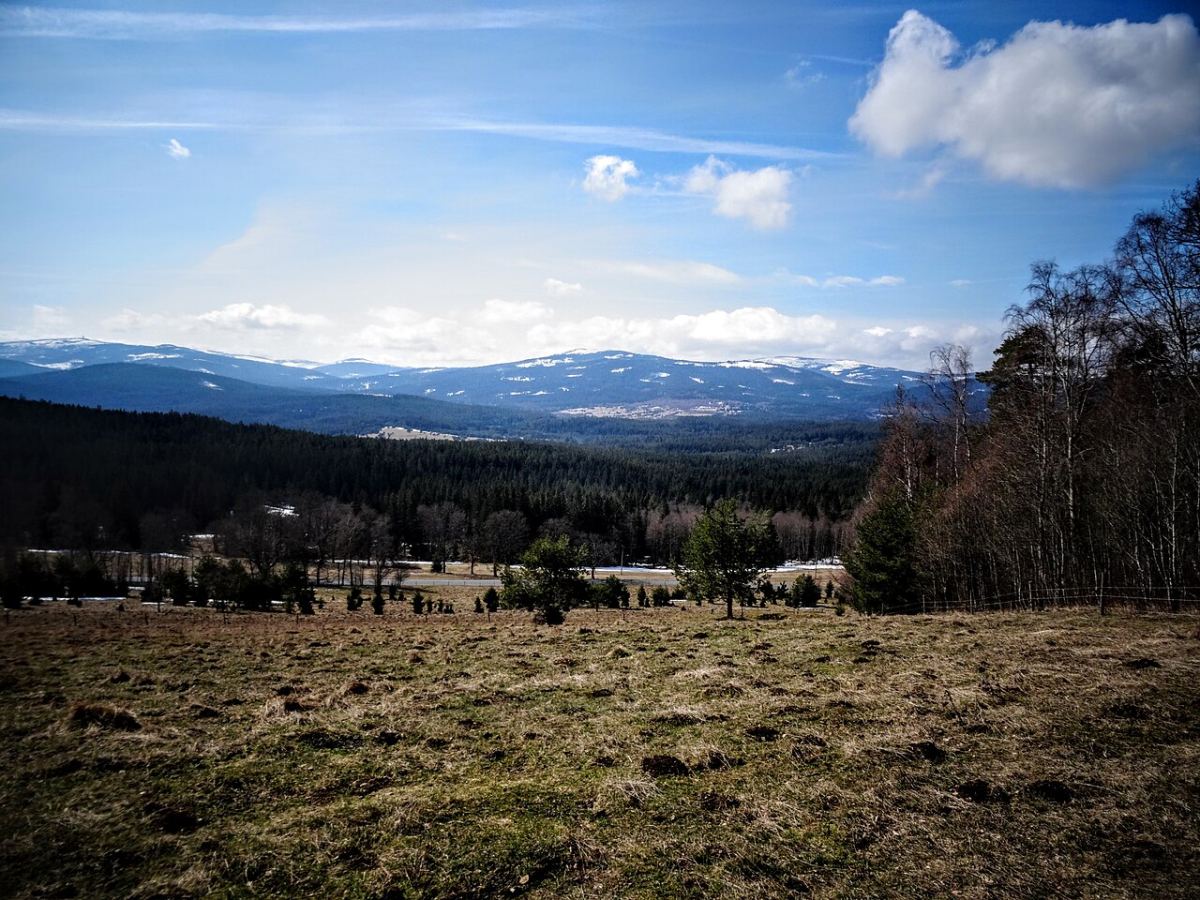
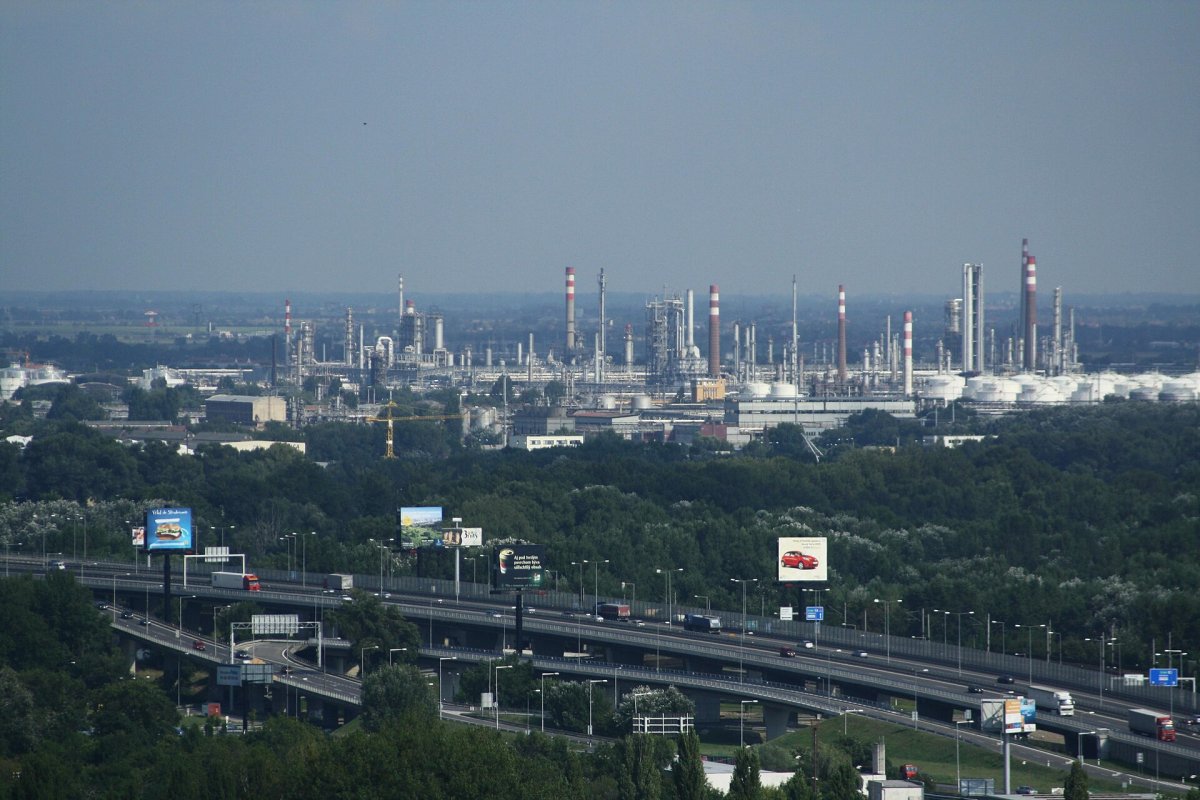
Kanjiža
A town in Serbian Vojvodina near the Hungarian border, with a predominantly Hungarian minority.
Why here: A place where the Serbian army found explosives near the gas pipeline to Hungary in April.
More info →
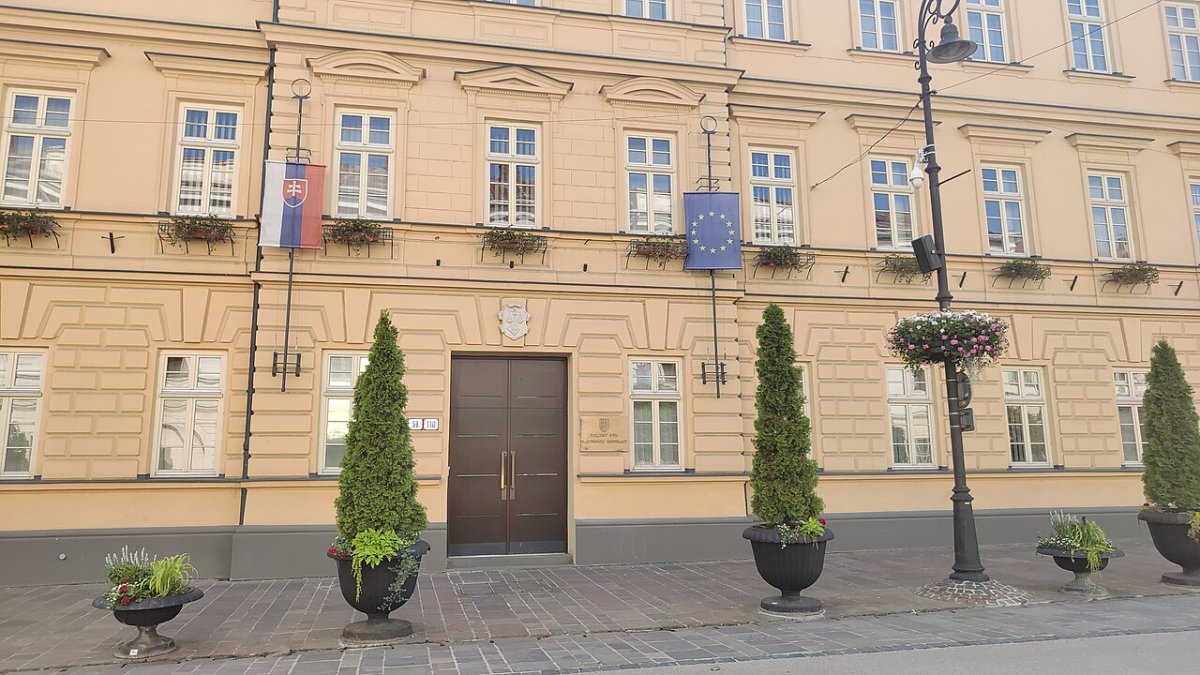
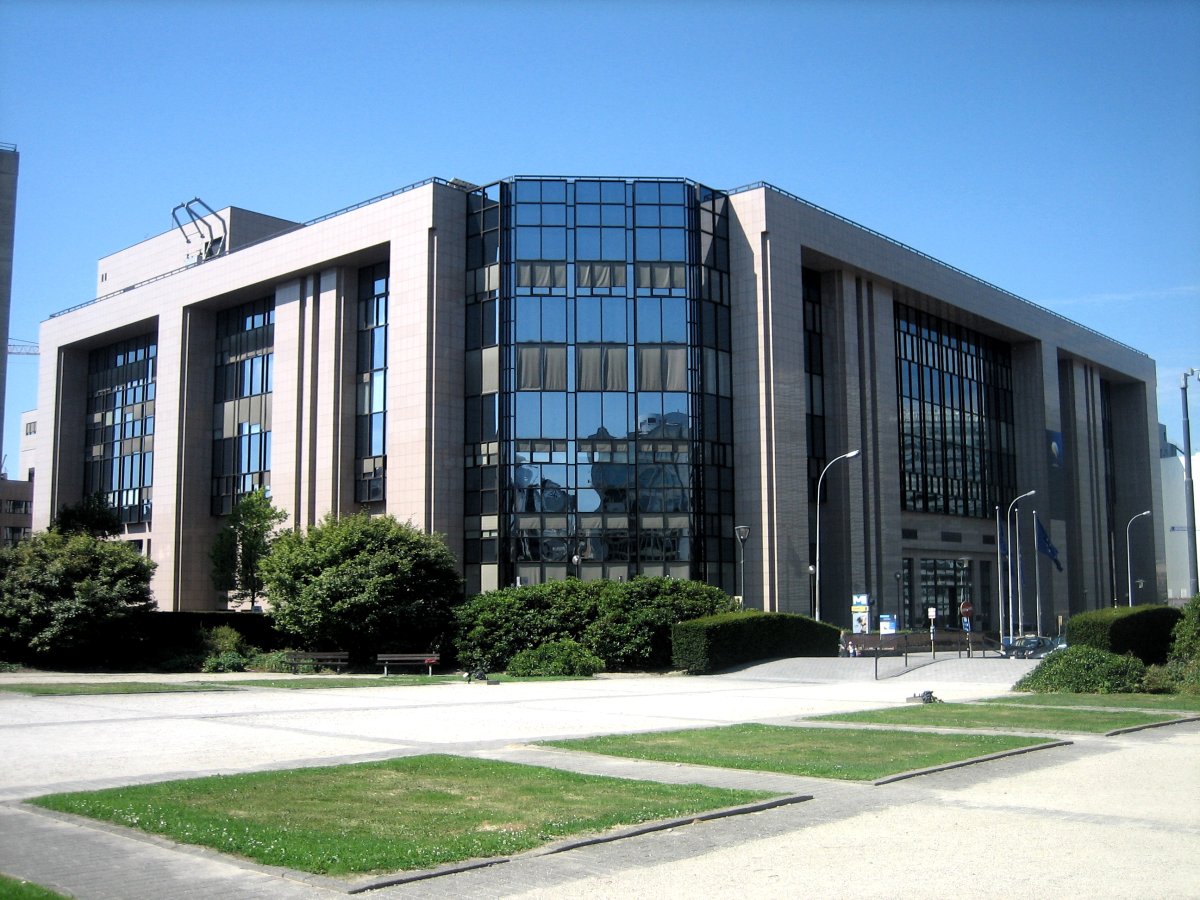
Subotica
The second largest city in Vojvodina, seat of the higher prosecutor's office for northern Serbia.
Why here: Its prosecutor's office is investigating seven people for procuring explosives and drones intended for the EU.
More info →
Balkan Stream
A gas pipeline carrying Russian gas from Turkey through Bulgaria and Serbia to Hungary. It is an extension of TurkStream.
Why here: Explosives in Kanjiža lay in its immediate vicinity.
More info →
Aleksandar Vučić
Serbian president.
Why here: Announced the April discovery of two backpacks with explosives near the gas pipeline to Hungary.
More info →
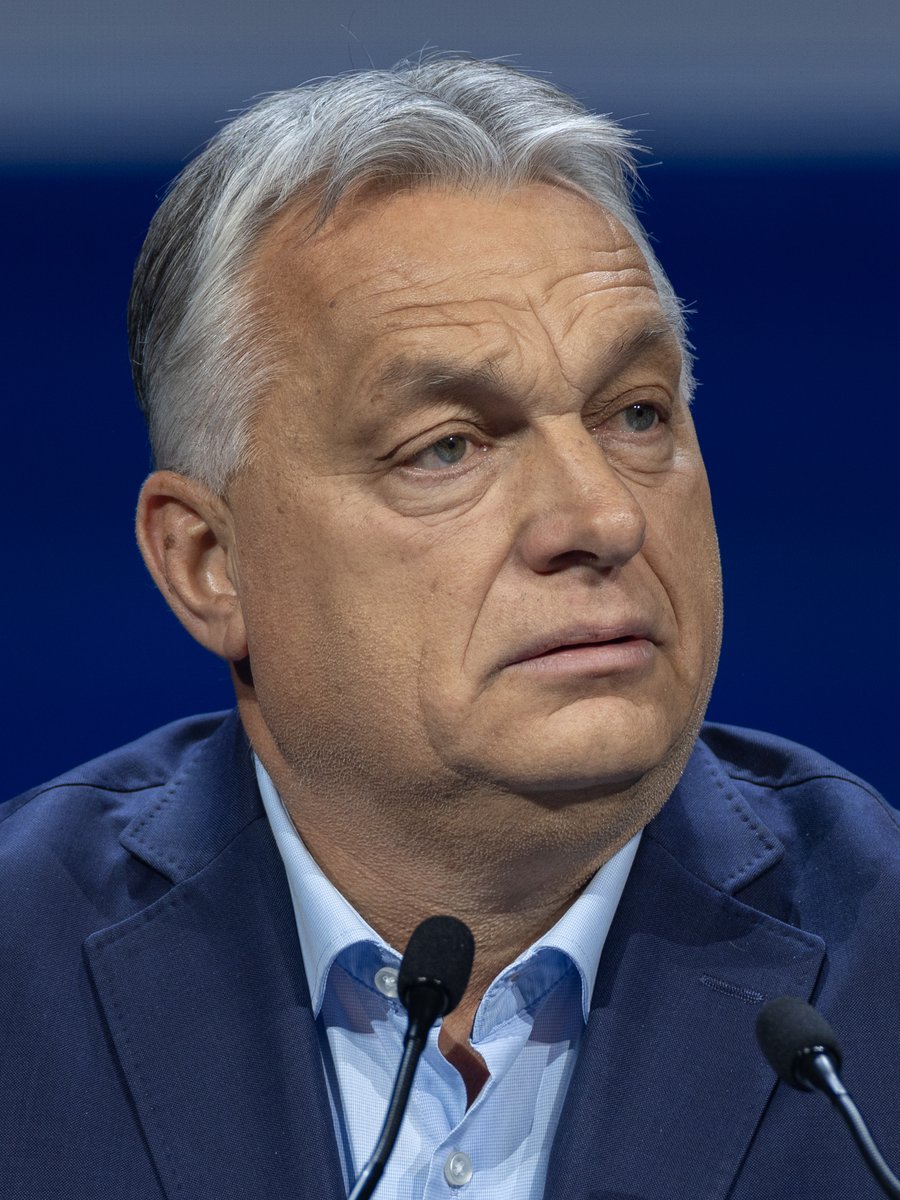
Viktor Orbán
Former Hungarian prime minister.
Why here: Called an extraordinary meeting after the discovery in Kanjiža and spoke of an attempt to interrupt Russian gas supplies.
More info →
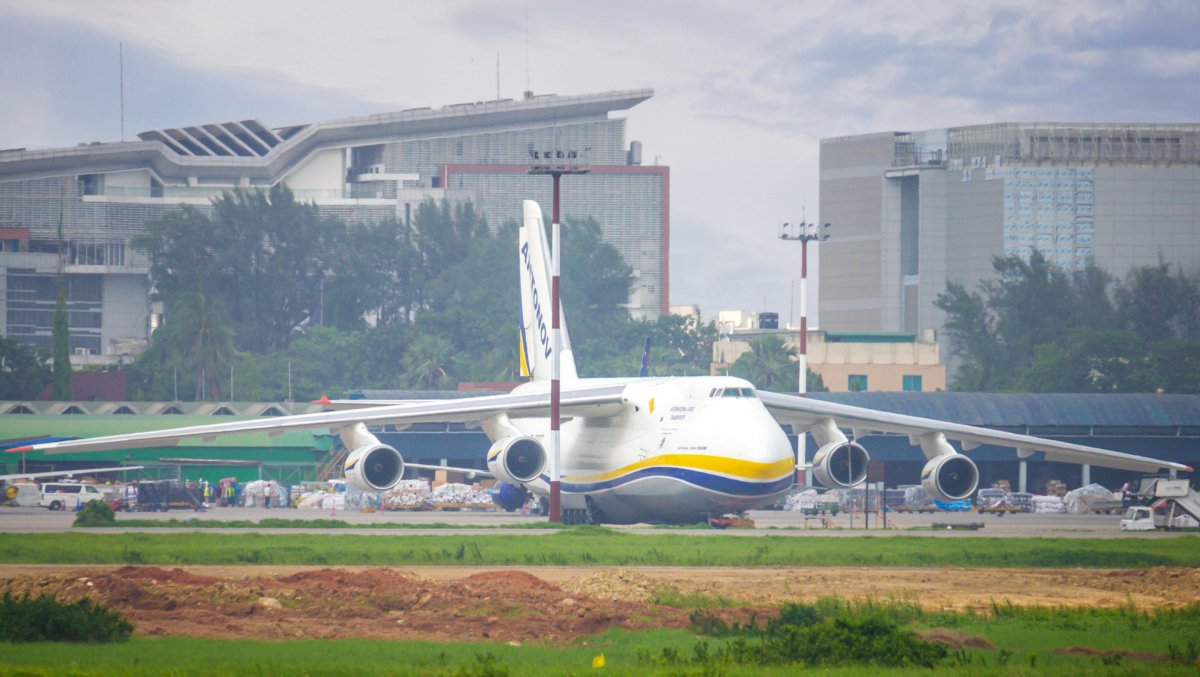
Antonov An-124
One of the world's largest cargo aircraft, operated by Ukrainian company Antonov Airlines. It also flies in military logistics for Ukraine.
Why here: Target of a drone in Leipzig. Media differ on whether the aircraft had ammunition on board at the time of the incident.
More info →
Leipzig/Halle
German airport in Saxony, one of Europe's largest cargo hubs and a logistics point for supplies to Ukraine.
Why here: Site of attempted attack on August 4-5, 2026.
More info →What Was Found in Kanjiža and Why Orbán Treated It as a Crisis
On April 5, Serbian President Aleksandar Vučić announced that the army and police had found two backpacks with explosives near the gas pipeline to Hungary. The discovery lay directly at the Balkan Stream — the branch through which Russian gas flows from Turkey through Bulgaria and Serbia to Hungary. Then-Hungarian Prime Minister Viktor Orbán called an extraordinary meeting in response and spoke of an attempt to interrupt supplies. Euronews ↗ France 24 ↗According to German ZDF, the Serbian military intelligence service secured not only explosives in Kanjiža but also material for their preparation and two metal canisters. At the time it looked like an isolated incident just days before Hungarian elections, which each side interpreted in its own way. According to ZDF, the same prosecutor's office today handles it as part of a larger case file. ZDF ↗
Two Men, Two Cars and a Question No One Has Yet Answered
On June 11, Serbian security forces stopped two separately traveling cars at the Hungarian border. At the wheel were Danilo B., who holds both Serbian and Russian citizenship, and a Serbian citizen listed as S. Đ. The cars contained modified drone components, remote control transmitters, and two metal containers with explosives. From the next day, both have been in custody. t-online ↗Serbian authorities so far officially prosecute them only for illegal possession of weapons, ammunition and explosives. One is also under investigation for document forgery. No official confirmation from Serbia that they would have any connection to planning an attack in Germany or terrorism has been heard. N1 ↗
According to investigative circles cited by ZDF, the secured components show similarities to the drone found in Leipzig, and German investigators are examining possible personal connections between the two and the person involved in the Leipzig case. This is precisely the point where caution is warranted: similarity of components is not proof of connection, and the station says so plainly — whether the two men or the seized items have any direct connection to Leipzig has not been publicly proven. ZDF ↗
The Chain That Also Leads to Lithuania and Łódź
The attempted attack itself took place on August 4-5 at Leipzig/Halle airport. A drone with explosives hit the wing of a Ukrainian Antonov An-124 near a fuel tank but did not detonate. What exactly the aircraft had on board at that moment remains disputed: part of German media reported ammunition from France intended for the next flight, while WDR, NDR and Süddeutsche Zeitung stated that cargo from the aircraft was unloaded the day before. On September 1, the German government identified Russia as responsible and announced countermeasures, citing police investigation and intelligence findings. NPR ↗The trail, however, branches not just to the south. Investigators found DNA on the drone that matches a sample from an arson attack on a DHL logistics center in Leipzig on July 20, 2024 — and that leads to Lithuania, where a trial of those charged with package bombs has been underway since spring. The Lithuanian prosecutor's office claims those acts were organized and coordinated by citizens of the Russian Federation connected to military intelligence. One of the suspects in the German case is also linked to an arson attack on a shop in Polish Łódź in July 2024, and he was to enter Schengen on an Italian tourist visa issued in late April in Minsk. Euronews ↗ t-online ↗
Moscow answered German accusations in the language of war. Russian foreign ministry chief Sergey Lavrov called the accusations about the drone incident in Leipzig the "beginning of real war" and said that Merz is effectively declaring war on Russia. This is Moscow's first direct response to what the German government announced on September 1, and rhetorically moves it from a sabotage case to the level of an interstate conflict. It is not documented by anything new in the investigation — it is a statement, not a finding. (Klix.ba ↗, Kyiv Independent ↗, Lietuvos Rytas ↗)
Germany is meanwhile preparing a defensive response. According to Serbian Kurir, Berlin is preparing a plan with special units deployed across the country and with a so-called Cyberdome, i.e., a layer against drones and cyberattacks. Lithuanian LRT writes that Germany is running out of diplomatic means and attacks will increase according to it. (Kurir ↗, LRT ↗)
Moscow retaliated by closing the consulate and all Goethe-Institutes. The Russian Foreign Ministry ordered the closure of the German general consulate in St. Petersburg no later than September 18 and all Goethe-Institutes in Russia, whose employees must leave the country by September 13. It is a direct retaliation for the German sanctions catalog announced after the Leipzig incident, which included the closure of the Russian House in Berlin and the Russian general consulate in Bonn. Putin called German measures a "serious mistake" and spoke of falsified evidence; Russia continues to categorically deny any connection to the drone. Lithuanian 15min calculates from those deadlines that Moscow gave Germany eleven days to close operations. (ORF ↗, Tagesspiegel ↗, FAZ ↗, 15min ↗)
Saxony discovered 21 explosive devices near power lines and the perpetrator is fleeing. Police in western Germany conducted an extensive operation and are searching for a man who, according to Luxembourg Times, is fleeing on a bicycle; Polish Wirtualna Polska reports of discovered detonation devices. Sabotage has thus ceased to be a one-time airport incident and has become a series targeting the power grid. (Digi24 ↗, Luxembourg Times ↗, Wirtualna Polska ↗)
Read also: Berlin Accuses Moscow of Sabotage After Leipzig Incident
Why This Matters for Slovakia
The gas pipeline near which the explosives backpacks lay is not distant infrastructure for Slovakia. Balkan Stream is a continuation of TurkStream, and it was through that route that Slovakia began purchasing Russian gas after transit through Ukraine stopped. Kanjiža lies on the same line, just a few hundred kilometers lower. TurkStream is now the only route through which Russian gas still flows into the European Union. Pipeline Technology Journal ↗ ta3 ↗The second thing is the method of operation that German media, citing security sources, describe. It is not supposed to be about sent officers but about people hired for one task — to procure material, transport it, store it at an agreed location. This is precisely why such a model is cheap and hard to prove: when someone gets caught, the link is missing that would show who paid them. Slovakia is on the same route and in the same space of free movement. N1 ↗
Limits of This View
Most of the specifics come from German media citing security circles, not from indictment. The Serbian side has so far confirmed nothing beyond weapons paragraphs, and the names of suspects in German texts are listed only by initials, which prevents independent verification. Sources also differ on what explosive was on the drone — some mention pentrite, some semtex — so the text only states it was plastic explosive.The question also remains open whether Serbian authorities will actually investigate the case to the end. Belgrade has not imposed sanctions on Moscow and at the same time is negotiating EU membership — this fork may suit it to show activity while letting the matter fade. And finally: even if all three trails — Kanjiža, Leipzig, Lithuania — were confirmed, they would prove a network of suppliers, not an order. That link in the chain is still missing.
What hotinfo Is Monitoring
- Prosecutors in Subotica filed an indictment in the explosives and drones procurement case
- Serbian authorities confirmed or ruled out a link between the detainees and the Leipzig case
- Germany's Federal Prosecutor named a specific Russian service as the commissioning party
- The court in Vilnius ruled in the 2024 parcel bomb trial
- Serbia imposed or refused sanctions against Russia in connection with this case
Illustration photo: cargo apron at Leipzig/Halle airport. Author Molch-Entertainment, Wikimedia Commons, CC BY-SA 3.0 DE.