

Key actors — tap for context

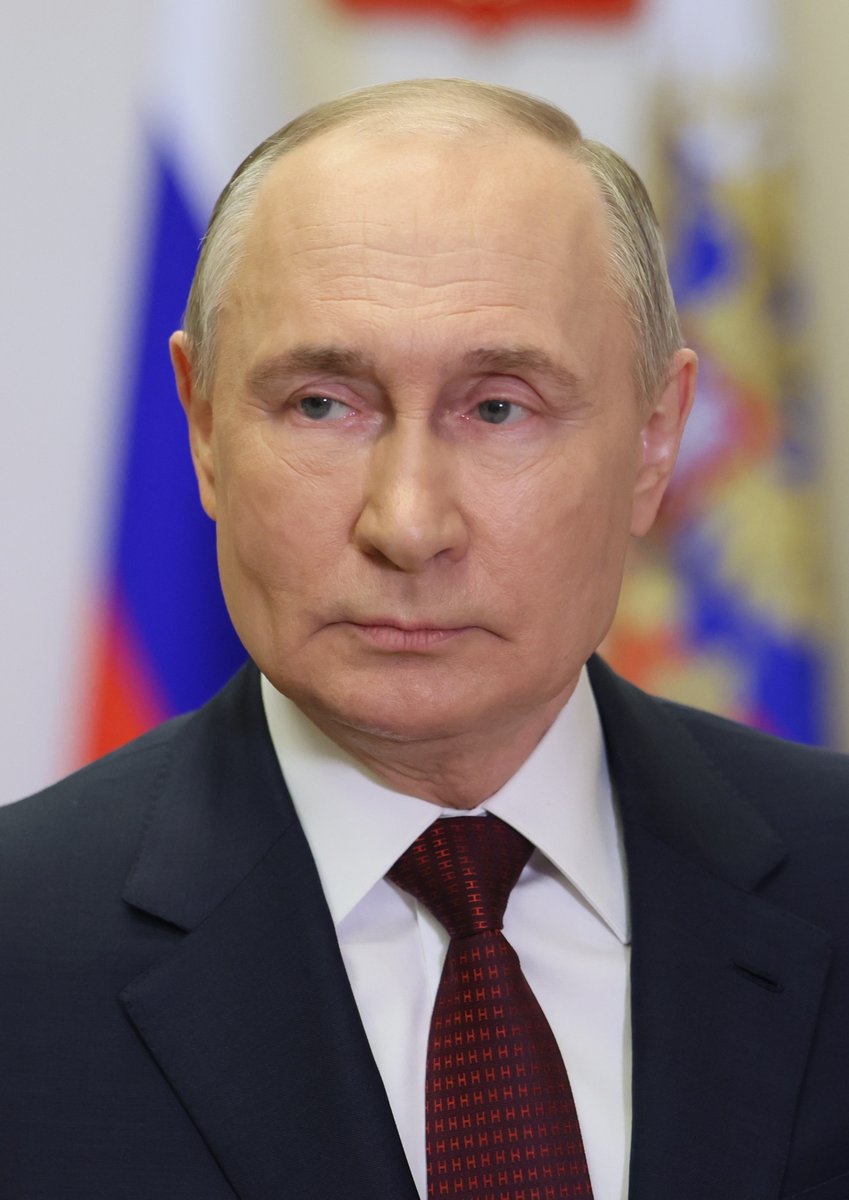
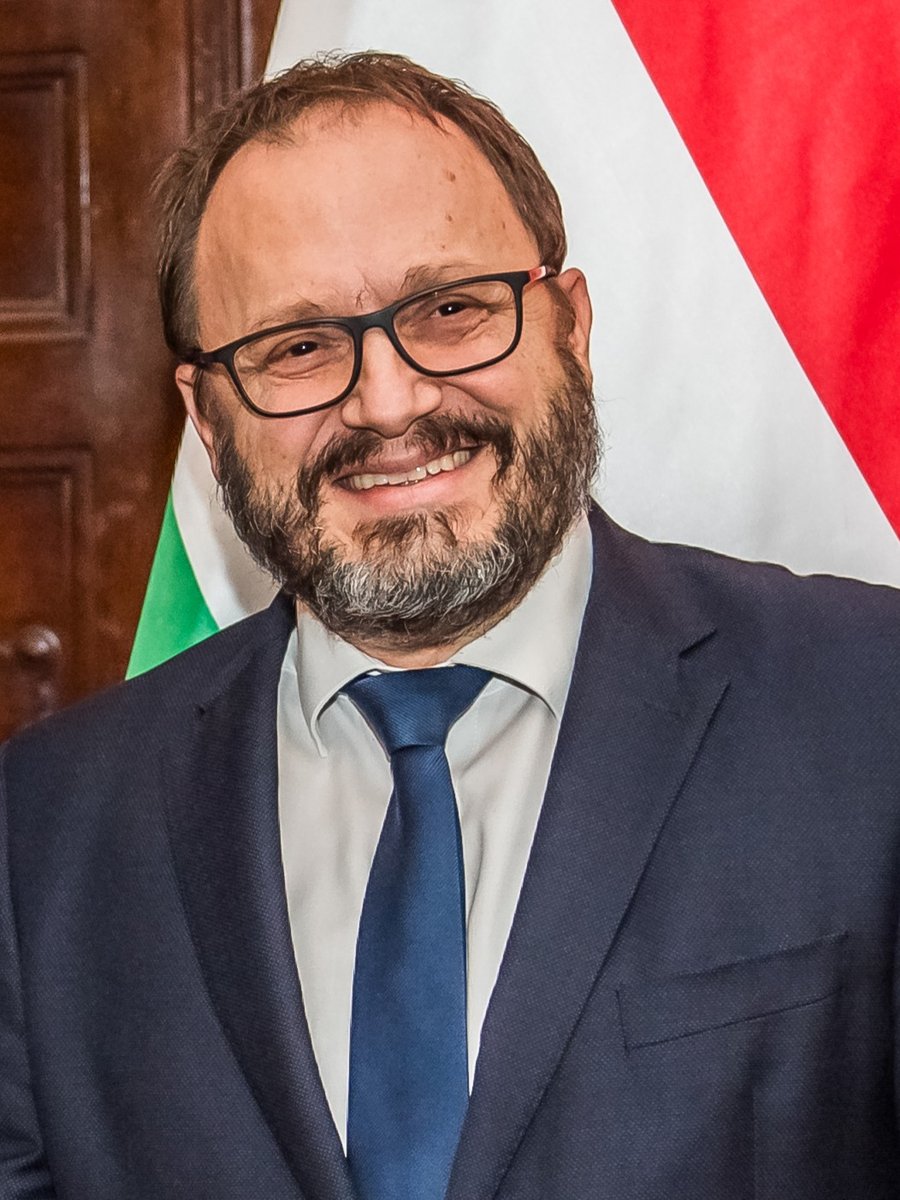
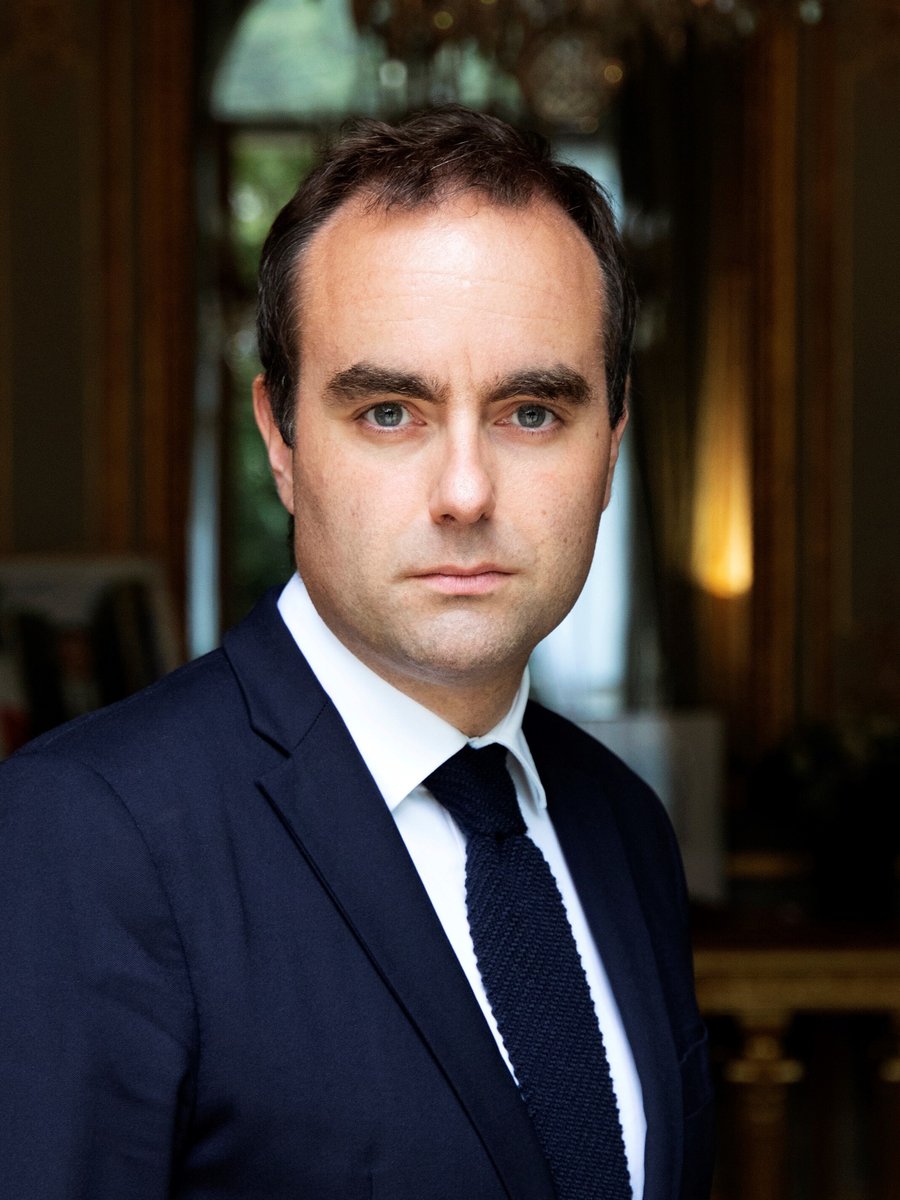
Péter Magyar
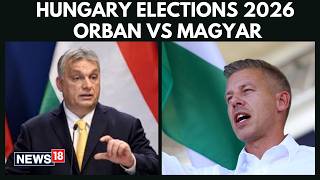
Hungarian Prime Minister since May 2026 and leader of the Tisza party, who defeated Viktor Orbán in the elections.
Why here: Ordered the investigation into the raid and is calling on the Prosecutor General's Office to act on the matter without delay.
More info →
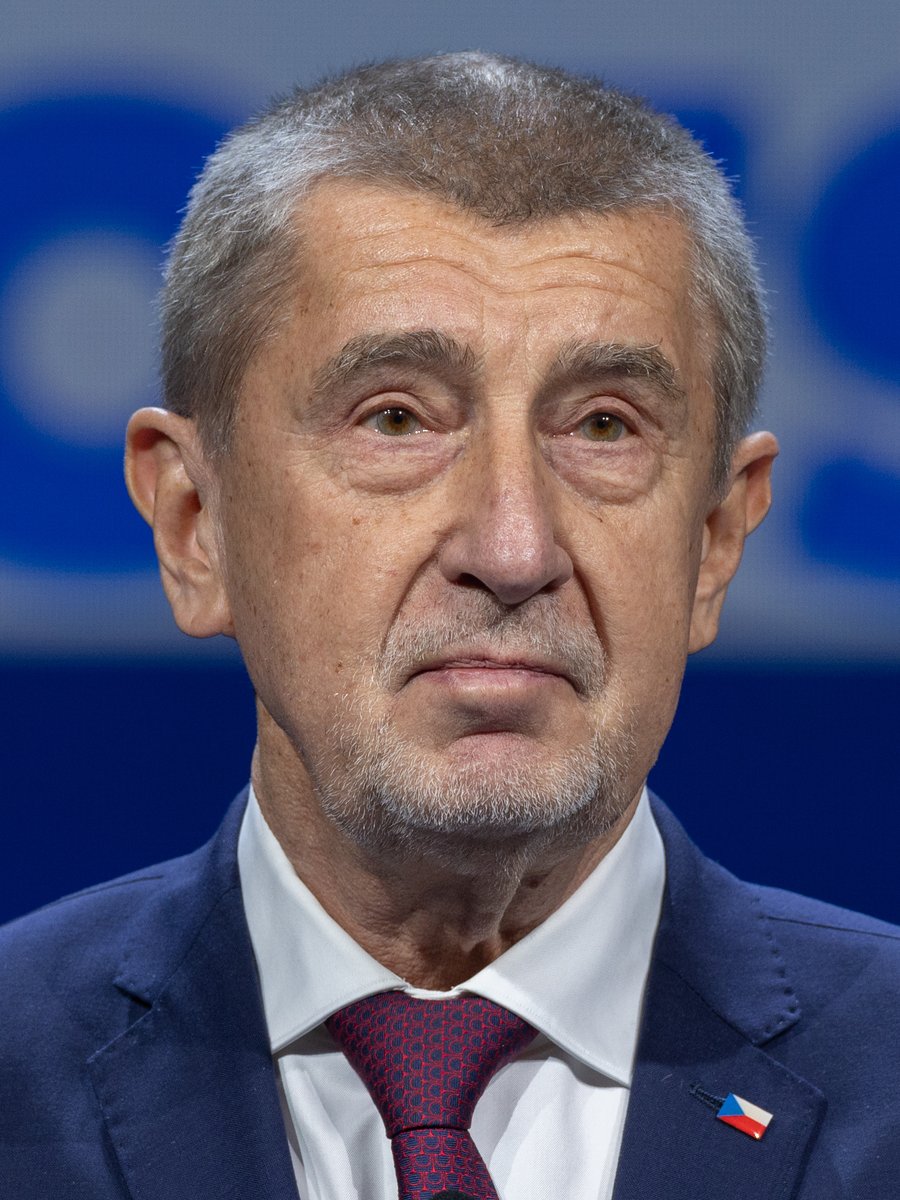
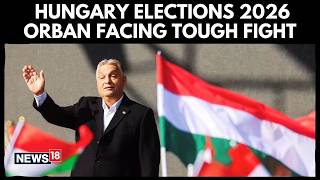
Viktor Orbán
Former long-serving Hungarian Prime Minister and chairman of Fidesz, now in opposition.
Why here: The raid took place under his government, shortly before the elections his party lost.
More info →Gábor Bálint Nagy
Prosecutor General of Hungary since June 2025, formerly a judge and prosecutor.
Why here: Rejected Magyar's call for his resignation — and it is now up to him to advance the case.
More info →
Antal Rogán
An influential Orbán minister whose portfolio included the civilian intelligence services.
Why here: According to VSquare, a close associate of his was overseeing the operation from the command level.
More info →
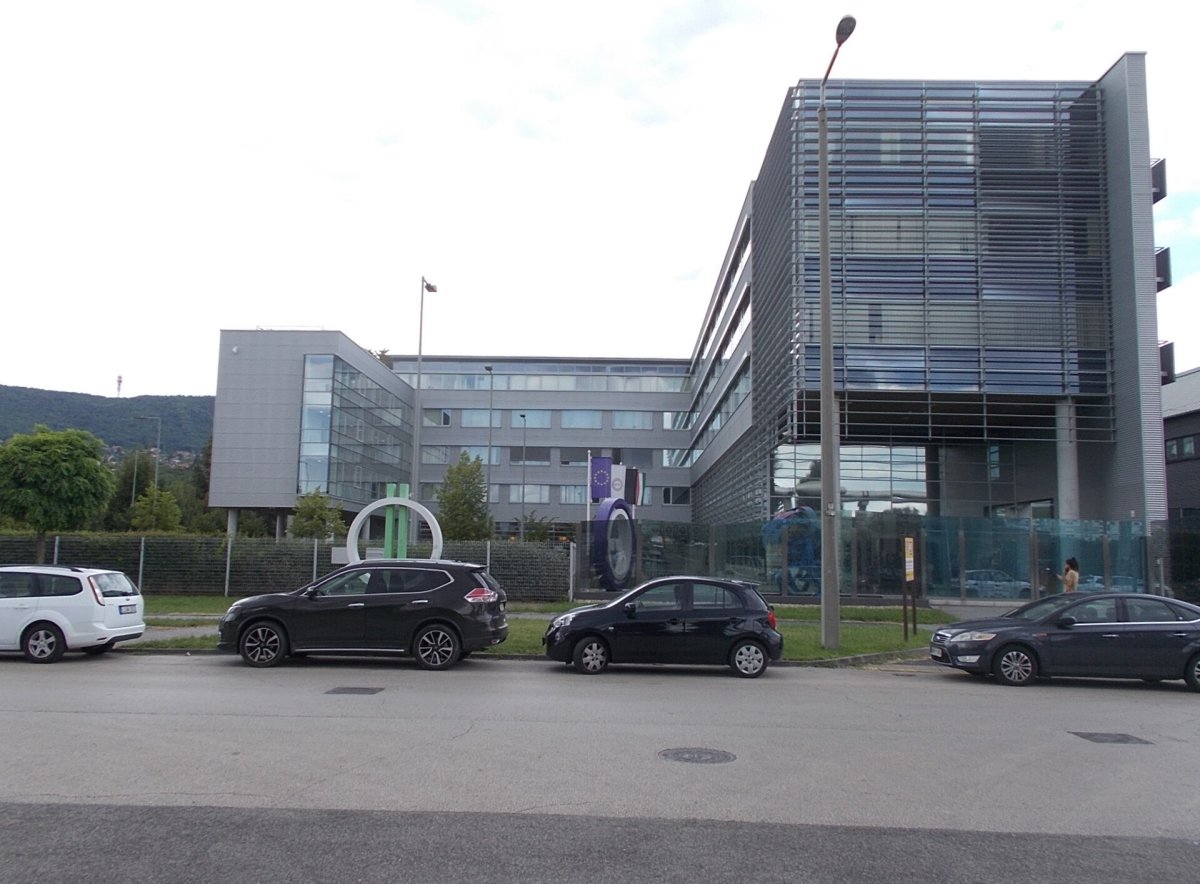
Oschadbank
Ukraine's state savings bank, one of the largest banks in Ukraine.
Why here: It was precisely its cash and gold that Hungarian authorities seized on the highway.
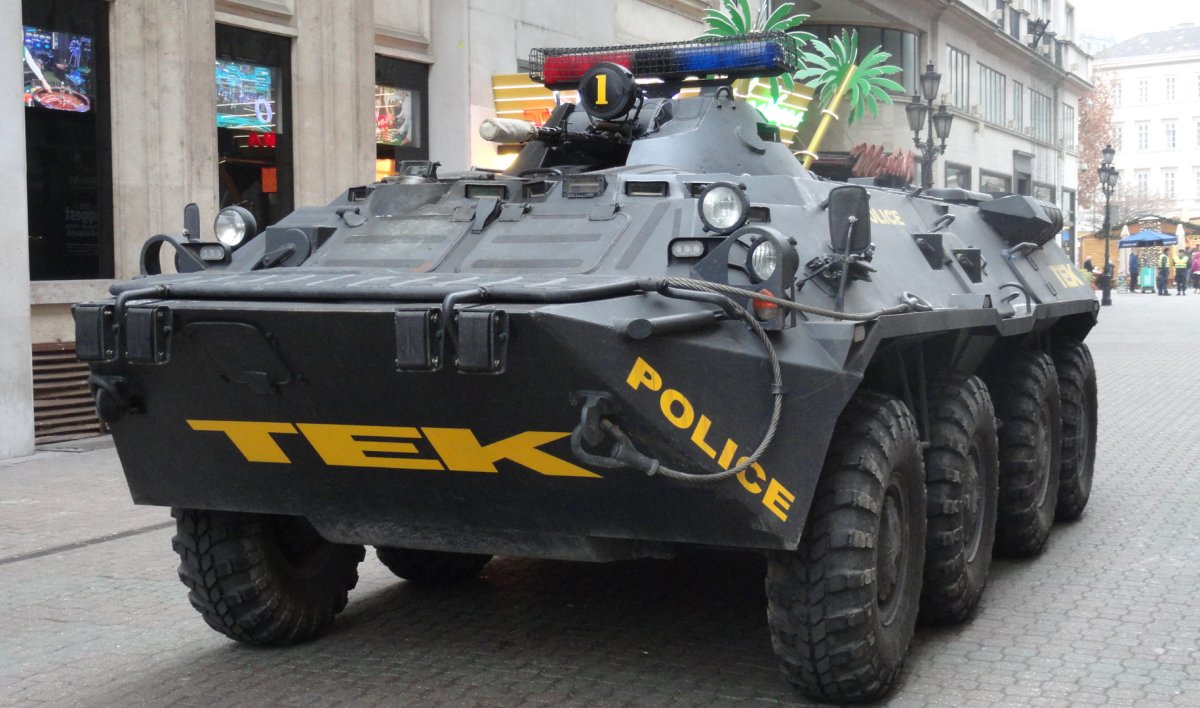
More info →TEK
Hungary's Counter-Terrorism Center, an elite armed unit.
Why here: Carried out the actual raid on the convoy's armored vehicles.
What happened on the M0 highway
On March 5, 2026, members of Hungary's Counter-Terrorism Center (TEK) stopped two armored vehicles at the Alacska rest stop on the outskirts of Budapest. They were carrying employees of Ukraine's state-owned Oschadbank, who were transporting cash and gold from Austria back to Kyiv — according to sources, a routine transfer between Austria's Raiffeisen and the Ukrainian bank. Authorities detained seven Ukrainian citizens, confiscated their phones, and denied them consular access. VSquare ↗The Tax and Customs Administration (NAV) subsequently opened an investigation on suspicion of money laundering. However, the documents, transfers, and logistics all turned out to be legal, and no weapons were found. In May — after the change of government — Hungary returned all the money and valuables to Oschadbank in full. Ukrainska Pravda ↗
"Plan A and Plan B"
That is precisely why the question of what the raid was even for is now on the table. VSquare described it as two-phased: "Plan A" was meant to catch the convoy transporting illegal weapons, thereby supporting a narrative about terrorism and smuggling; when nothing was found, "Plan B" followed — NAV subsequently opened a money-laundering investigation as legal cover. According to the outlet, the civilian intelligence services had been monitoring the courier runs since January, including surveillance in Vienna, and the operation itself was personally overseen from TEK's command post by Örs Farkas, State Secretary for Civilian Intelligence and a close associate of Orbán's minister Antal Rogán. VSquare ↗Four of the outlet's sources claim the goal was to "manufacture a confrontation with Ukraine that could be exploited ahead of the April 12 parliamentary elections." At the time, Orbán's Fidesz was trailing Magyar's party by 15 to 20 points in the polls. The most serious claims concern the treatment of the detainees: the seven guards were held for more than twenty-four hours, most of the time restrained and blindfolded, with only a Russian-speaking — not Ukrainian-speaking — interpreter available to them. According to VSquare, one of them, a former Ukrainian SBU officer with diabetes, was injected with an unknown substance during questioning against his will, after which he ended up in the hospital with a hypertensive crisis. VSquare ↗
Why Magyar is opening this now
The raid took place while Orbán was still in government; however, Fidesz lost the April 12 elections, Magyar became prime minister on May 9, and he is now investigating the services he inherited from his predecessor. Index.hu points out that the entire case hinges on a single question: whether the prosecutor's office truly did not know about the raid in advance. If it did not — and the Prosecutor General's Office claims it did not — then the operation was carried out without proper oversight, and an "avalanche" could hit everyone who led it. Index.hu ↗The catch lies in whom Magyar is asking to act. Prosecutor General Gábor Bálint Nagy, elected while Orbán still held a majority, rejected the prime minister's call for his resignation and declared on television that the prosecutor's office must remain independent and that its head should function more as a "gray eminence." Magyar is thus forcing an investigation into the Orbán era to be carried out by the very prosecutor he himself distrusts and wants removed. Daily News Hungary ↗
Why this is also worth following in Slovakia
For a Slovak reader, the story is not exotic. Hungary is one of the closest allies of Fico's government within the European Union, and the two countries are linked by their imports of Russian oil via the Druzhba pipeline. More universal, however, is the pattern the case suggests: how a security apparatus can be directed toward manufacturing an external enemy ahead of elections — and what happens when that same apparatus is inherited by a new government that does not want to use it. The June reopening of the case has so far barely appeared in Slovak or Czech news coverage. Ukrinform ↗Limits of this account
It is worth emphasizing what has not yet been proven. The key finding about a "politically motivated operation" rests on anonymous VSquare sources, and Orbán's camp, now in opposition, denies it; Magyar's internal investigation is only just beginning, and its conclusions are not yet known. At the same time, it must be acknowledged that opening this case is politically convenient for Magyar, since it discredits his predecessor. And the Hungarian sources we draw on are not neutral toward the Orbán era, so their framing should not be taken as a definitive conclusion. Finally, it also remains unclear why the bank was transporting tens of millions in cash across half of Europe in the first place.What hotinfo is watching
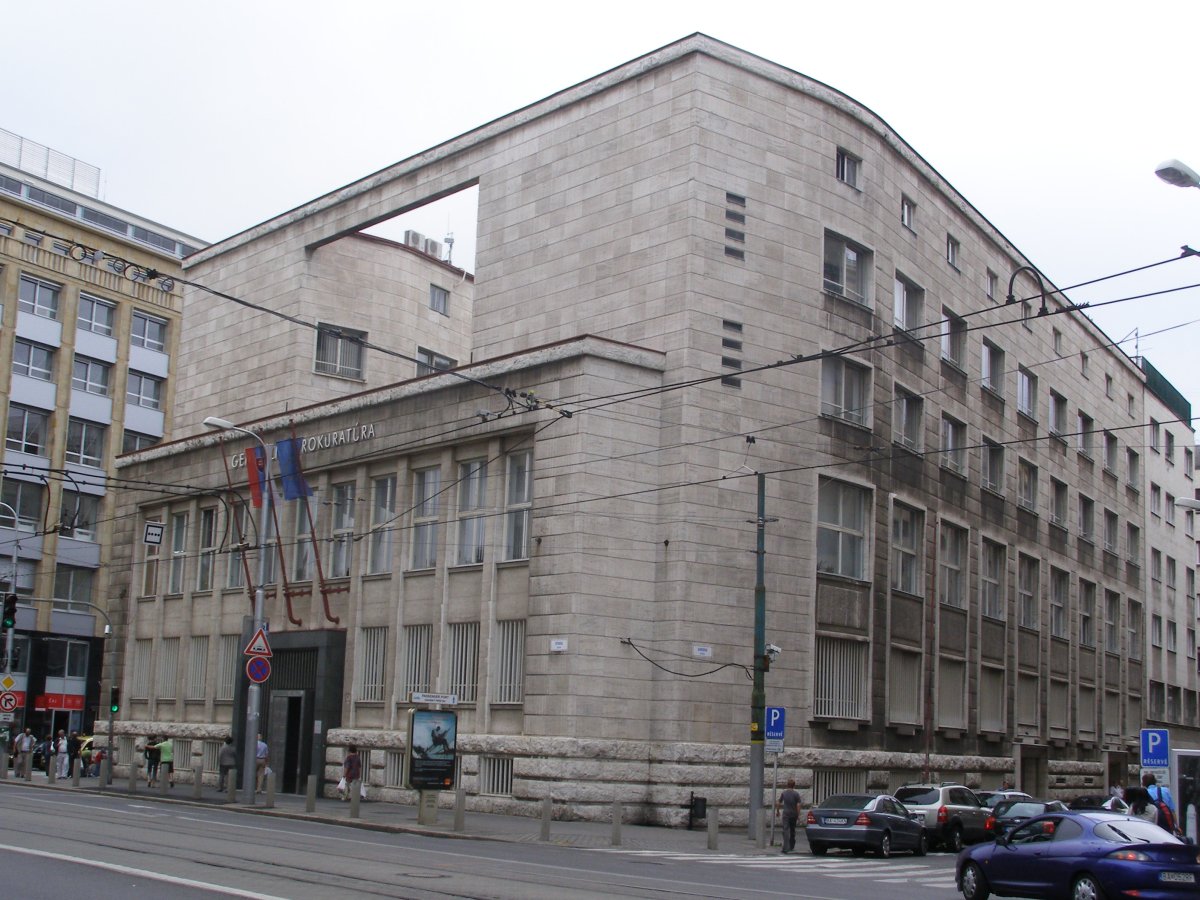
- Whether and when the Prosecutor General's Office under Gábor Bálint Nagy actually begins to act — or ends up in open conflict with the prime minister over independence.
- The conclusions of the internal investigation into NAV and TEK that Magyar ordered on June 17.
- Whether Örs Farkas's personal responsibility is confirmed, and the line leading to Minister Rogán.
- Kyiv's reaction, and whether the case makes its way into Slovak and Czech media.
- The possible impact on Hungarian-Ukrainian relations at a time when the European Union is addressing enlargement to include Ukraine.