




1. The planned spring offensive never happened
After capturing Pokrovsk and Siversk at the end of 2025, analysts expected Russia to attack the last Ukrainian cities in Donetsk over the spring of 2026 — chiefly Kramatorsk and Slovyansk. According to the analysis's author, Andreas Rüesch (NZZ), this attack "never really got going." The front barely moved over the three spring months, and near the Dnipropetrovsk region Ukrainians even demonstrated an ability to counterattack. Rüesch concludes from this that the capture of Kramatorsk and Slovyansk is off the table for 2026. NZZ — Andreas Rüesch ↗The stagnation has one technical cause, which Rüesch details in the second point: Ukraine's drone campaign against Russian rear areas. The analytical group Tochnyi recorded 288 Ukrainian air strikes in March on Russian-occupied territories — more than three times as many as six months earlier. The main targets are Russian air defense systems, ammunition depots, and logistics. The New Voice of Ukraine ↗
Also read: SBU reports hitting three ships and a MiG-31 in Sevastopol. Yamal and Filchenkov reportedly struck for the second time in a week
2. Drone dominance has spread from the trenches to the strategic rear
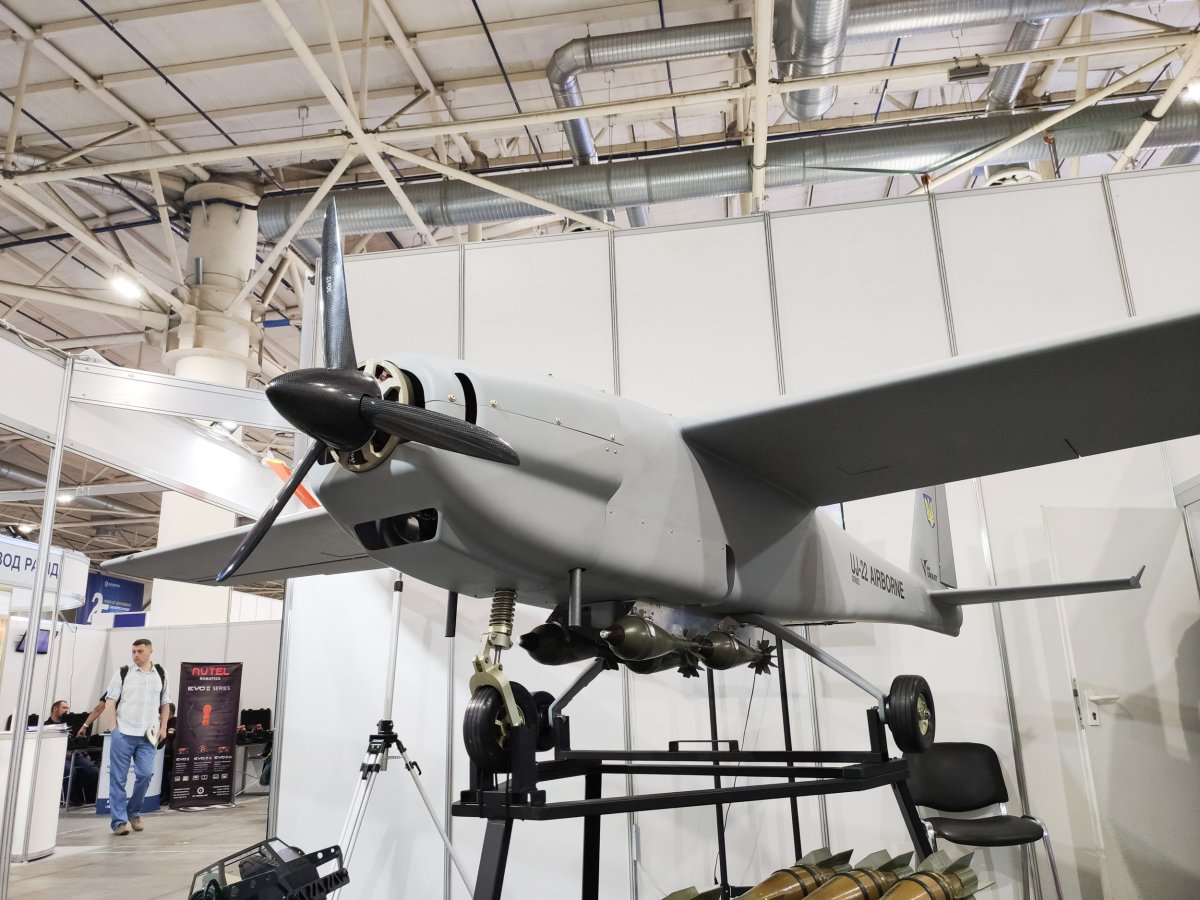
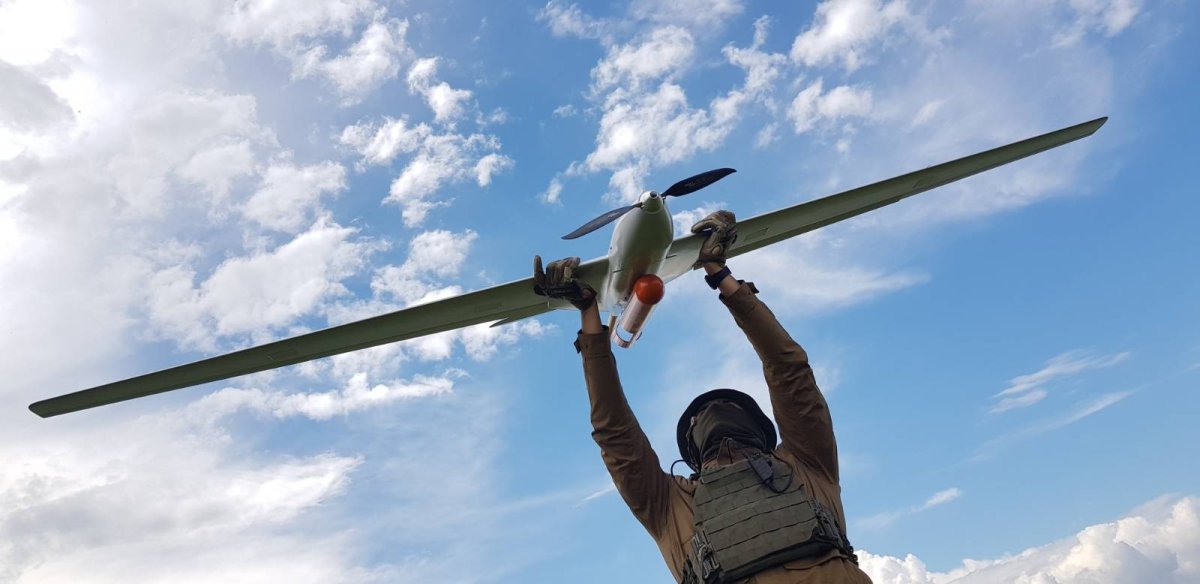
Until now, Ukraine held superiority only in short-range FPV drones (first-person-view drones). Medium-range kamikaze drones (30 to 200 kilometers), which strike enemy logistics, command posts, and ammunition depots, had been Russia's domain. Rüesch writes that since 2025, Western alternatives have been drying up for Kyiv — American HIMARS and ATACMS, as well as British-French Storm Shadow missiles, stopped flowing into Ukraine. But Ukraine has filled the gap with its own production. "The new rise in Ukrainian drone deployment is probably one of the reasons the Russian spring offensive isn't making any progress," Rüesch writes. NZZ ↗The pattern of attacks is also visible on Russian naval and oil infrastructure. Ukraine's security service SBU announced on April 27 that it had hit three ships of the Black Sea Fleet and a MiG-31 in Sevastopol; three days later Ukraine struck the refinery in Tuapse and shadow-fleet tankers near Novorossiysk. NV.ua ↗
Also read: Ukraine struck Tuapse and tankers near Novorossiysk too. Putin's oil budget is still being propped up by higher prices
3. Russia's personnel crisis is deepening
The hardest data comes from Berlin-based economist Janis Kluge of the German Council on Foreign Relations (DGAP), who tracks Russian regional budgets. Compensation payments to the bereaved indicate an estimated 25,000 Russian war deaths in the first quarter of 2026 — versus 20,000 in the same period of 2025 and around 10,000 in 2024. Janis Kluge — Russianomics ↗At the same time, recruitment is falling. Recruitment in the first quarter of 2026 reached 800 to 1,000 new contract soldiers per day, according to Kluge — a fifth lower than a year earlier (1,000 to 1,200). This is despite one-time signing bonuses climbing to a record 1.47 million rubles — about 19,300 dollars. United24 Media ↗ The data was also confirmed by the American Institute for the Study of War (ISW). RBC-Ukraine — ISW report ↗
Ukraine is addressing an equally serious personnel crisis differently. While, according to Rüesch, Russian command continues to send unsheltered infantry into attacks, Kyiv keeps a minimum of soldiers at the front and carries the defense through kamikaze drones. He says this model is meant to reduce Ukrainian losses. NZZ ↗
4. Putin's foreign-policy calculation isn't paying off
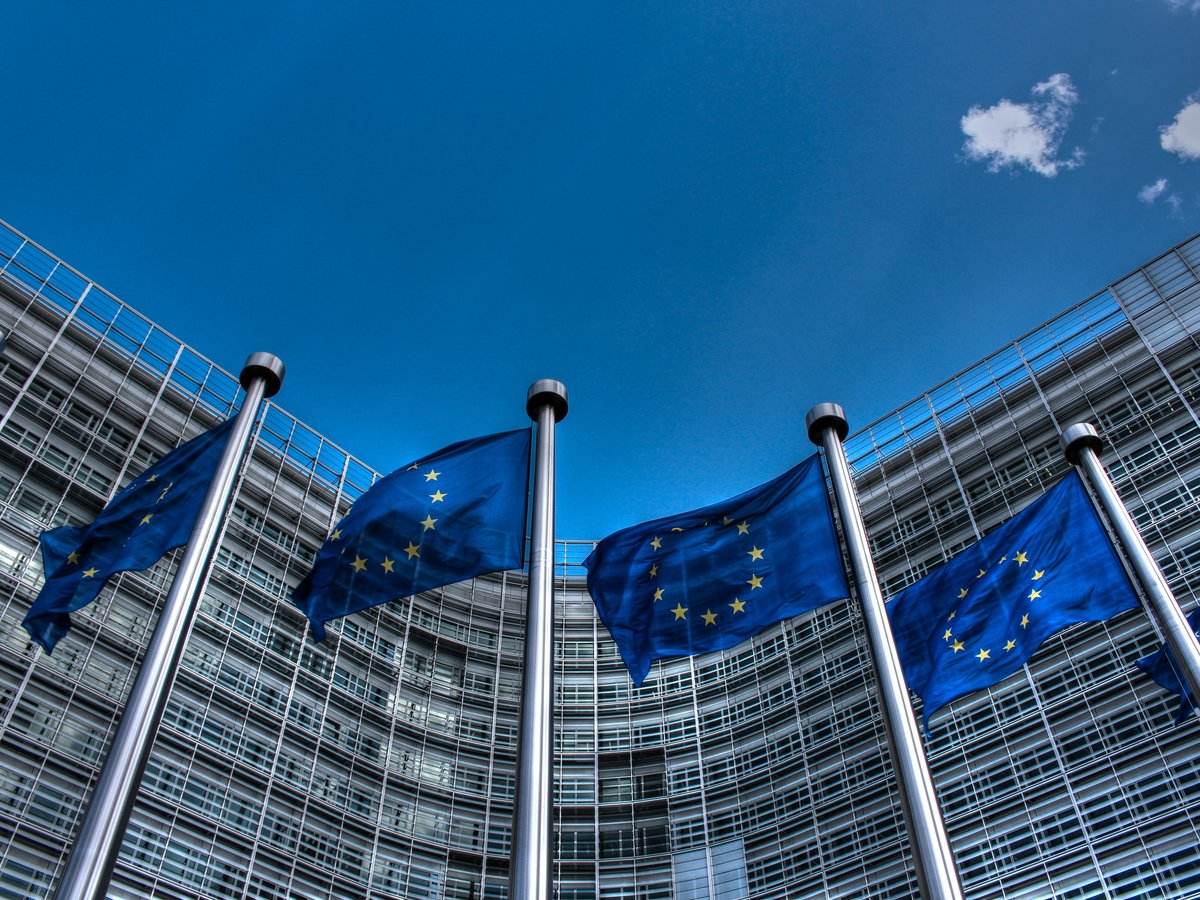
Six months ago, the Kremlin had reason to believe US President Donald Trump would push Kyiv into a capitulation peace. Trump halted military aid, offered Putin a summit, and put forward a pro-Russian-leaning plan. He showed open displeasure toward Ukraine. The plan didn't work. "Putin underestimated just how much Ukraine had reduced its dependence on the US," Rüesch states. Europe increased military aid, Ukraine is becoming an increasingly self-sufficient arms player, and in December 2025 European leaders released a 90-billion-euro loan for Kyiv covering 2026 and 2027. Al Jazeera ↗ RFE/RL ↗NZZ also argues that Moscow is gradually losing footholds abroad. Rüesch names the loss of Syria (Assad's fall), Armenia (its turn toward the EU), Venezuela (internal crisis), and, in April 2026, Hungary. Magyar's centrist Tisza party won 138 of 199 seats in the April 12 parliamentary election, while Viktor Orbán's nationalist Fidesz fell to 55. "For Moscow, Orbán had become a useful disruptor of EU unity — the result makes Budapest far less useful to Putin in Europe," Al Jazeera assessed. Al Jazeera ↗ CNN ↗
Added to this was the debacle of Russia's Africa Corps in Mali. By late April 2026, Russian mercenaries, following a coordinated attack by the Tuareg Azawad Liberation Front (FLA) and the al-Qaeda-linked Group for the Support of Islam and Muslims (JNIM), had retreated from Kidal, Aguelhok, Tessalit, Tessit, and Ber. At least two Russian helicopters were lost in the fighting, and isolated units had to negotiate a "humiliating withdrawal under Tuareg escort," Radio Liberty reported. "This is the most serious combat setback Russia's African project has suffered," the analysis adds. RFE/RL ↗ Al Jazeera ↗
Also read: Three days to May 9: Fico is the only EU prime minister among confirmed guests. The parade will be without tanks
5. Ferment is growing inside Russia, NZZ warns
Putin's regime has enough repressive tools to suppress public criticism of Russia's longest war since World War II. Even so, according to Rüesch, signs of political ferment are accumulating. Internet restrictions, crackdowns on Telegram, and the tightening of everyday life under the banner of "defense against Ukrainian attacks" are fueling growing discontent. NZZ ↗The hardest indicator comes directly from the Kremlin-affiliated polling institute VTSIOM: trust in Putin fell from 78 to 71 percent in two months — the sharpest drop in years. Meduza ↗ NV.ua ↗ Approval of Putin's performance in office has declined for a seventh consecutive week, to 65.6 percent, according to tracking by the American Critical Threats Project, which operates under the Institute for the Study of War. Critical Threats Project ↗
On top of this comes a macroeconomic downturn. Whereas in 2025, according to Rüesch, only the civilian sector fell into recession while arms manufacturers continued to profit from state contracts, in the first quarter of 2026 the downturn gripped the entire Russian economy. NZZ ↗ Rüesch nonetheless remains cautious: "Putin won't run out of money, nor is a coup looming on the horizon. But it will become harder for him to wage a hopeless war while keeping both the elites and the broader population in good spirits."
Also read: Putin in paranoia: Bunker, phone bans, and fears of a coup ahead of the May parade
And the Kremlin's trump cards, NZZ notes
Rüesch does not close the analysis triumphantly. Some factors, he says, are currently clearly working in Russia's favor, not Ukraine's. The Iranian crisis has driven up oil prices, and Moscow could earn tens of billions of dollars extra from this — even as Ukraine regularly shells Russian oil ports. NZZ ↗Something else is more serious: Ukraine lacks air-defense munitions, especially Patriot missiles, without which it cannot fend off Russian ballistic missiles. It has not yet developed its own alternative. Rüesch expects Moscow to try, as soon as this winter, to completely wreck Ukraine's already heavily damaged energy system — and he says Ukraine's arms industry could one day find itself without protection.
And war brings unpredictability. Forced mobilization in Russia, an assassination attempt on the Ukrainian president, political upheaval in the EU — any of these scenarios could redraw the picture.
"Trump's claim that Ukraine has no cards, however, has clearly proven wrong," Rüesch concludes. "It is rather Russia that lacks a credible strategy for achieving its war aims."
What hotinfo is watching
- May 9: Putin's parade on Red Square — without tanks, with Fico as the only EU prime minister among confirmed guests.
- Summer 2026: whether Russian command will attempt a new push on Kramatorsk and Slovyansk, or admit that the 2026 strategic goals are unattainable.
- Second quarter of 2026: Kluge's further regional data on Russian losses and recruitment. Does the fifth-decline continue, or do the bonuses finally take effect?
- VTSIOM rating: whether trust in Putin breaks the psychological 70 percent threshold. The institute already delayed publication of its weekly measurement in late April after the sharpest drop in eight years.
- Pattern of attacks on oil: Sevastopol — Tuapse — Novorossiysk. Whether more refineries, chemical plants, or export hubs are added, and when the impact shows up in the Russian gasoline market.
- Consequences of Mali: where the remaining Russian forces from the Sahel will relocate, whether another mercenary formation replaces them, or whether this marks the start of a broader retreat from Africa.
- EU loan for Ukraine: the first tranches of the 90-billion loan should arrive in Kyiv in summer 2026 — watching whether the arms industry can absorb the contracts.