






Updated April 5, 2026, 19:30 — added Szijjártó's statement on military protection, Péter Magyar's reaction, and new leads from investigators.
---
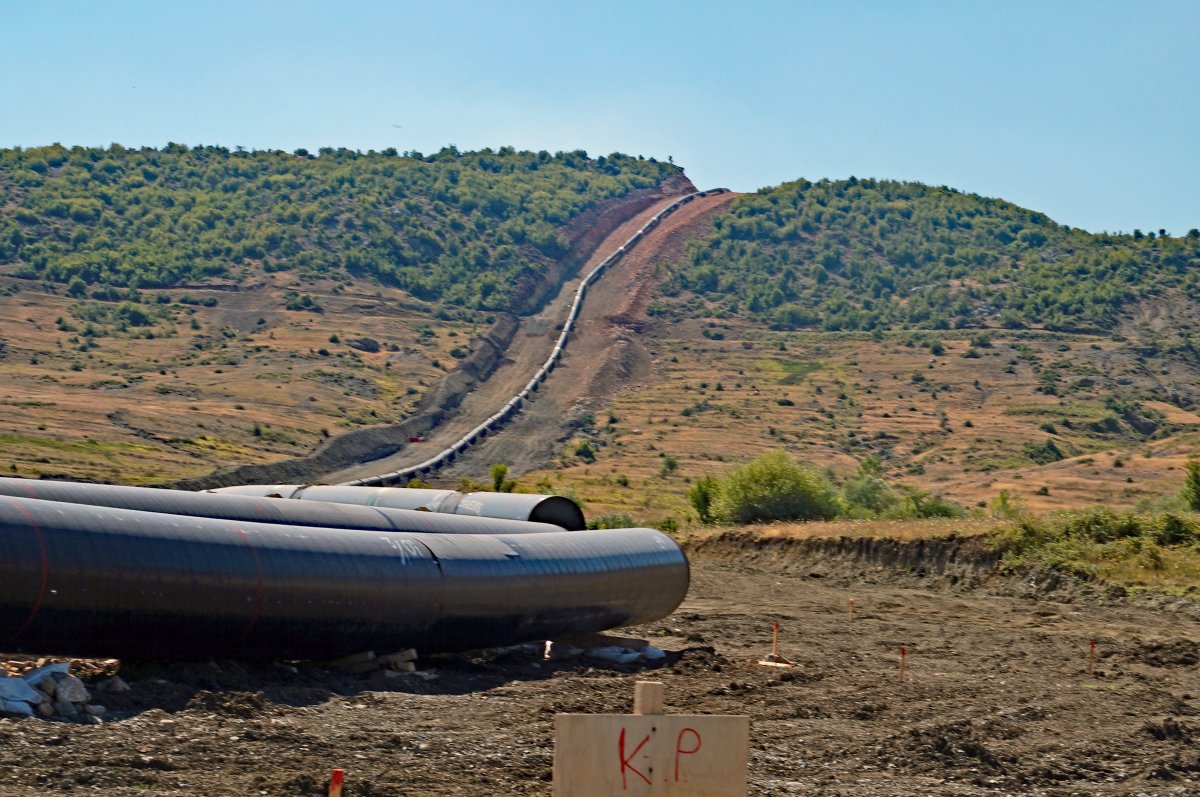
The Serbian army and police discovered two backpacks containing explosives and detonators on Sunday, April 5, in the town of Kanjiža in northern Serbia, just a few hundred meters from the Balkan Stream pipeline. This was announced by Serbian President Aleksandar Vučić. SITA ↗
The Balkan Stream pipeline is an extension of the TurkStream route and transports Russian natural gas via Turkey and Bulgaria to Serbia and onward to Hungary. Following the shutdown of transit through Ukraine and the destruction of Nord Stream, it is one of the main remaining routes for Russian pipeline gas exports to Central Europe.
What exactly was found
According to Vučić, the backpacks contained "two large packages of explosives with detonators of devastating power." Kanjiža lies in Vojvodina on the bank of the Tisza River, about 10 kilometers from the Hungarian border. Refresher ↗
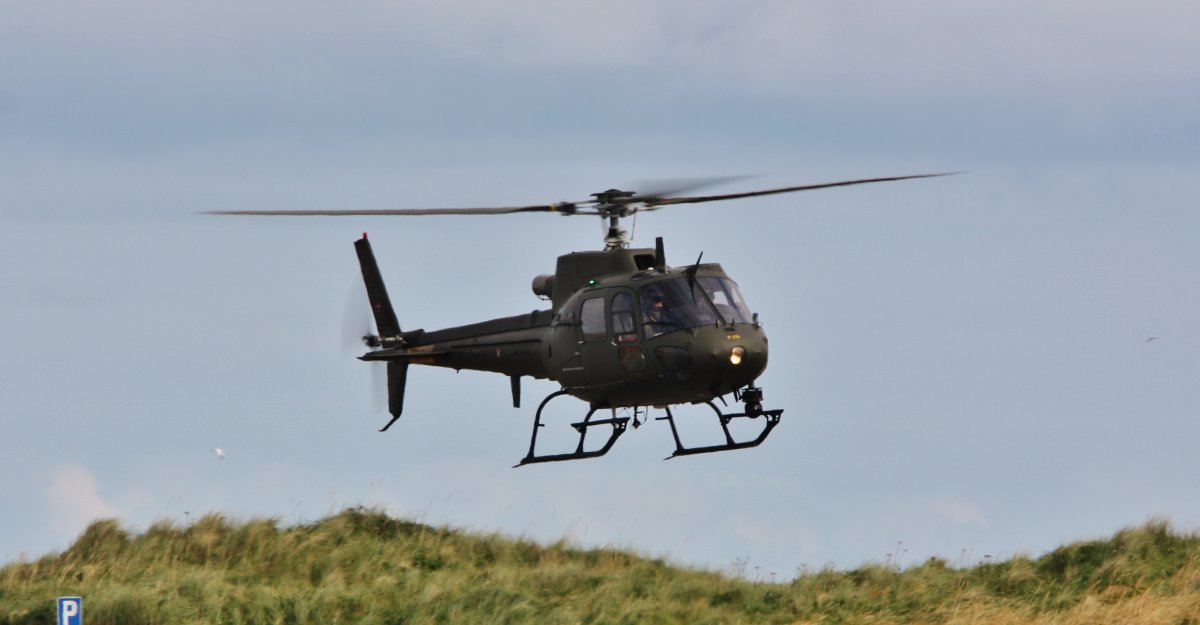
More than 140 army and police personnel are involved at the scene, including the 72nd Special Brigade, military police, and bomb disposal experts. Helicopters, thermal cameras, and drones have been deployed. Roads between the villages of Oromhegyes, Ilonafalu, and Velebit have been closed, and some villages have been completely encircled. Euronews ↗
Vučić stated that investigators have "certain leads" and indicated they know "which group the individuals who were supposed to activate the explosives belong to." According to him, the intent was "to send a political message." However, no suspect has been detained so far. RFE/RL ↗
Orbán reacts — convenes Defense Council
Hungarian Prime Minister Viktor Orbán, after a phone call with Vučić, convened an emergency session of the Defense Council for Sunday afternoon. He confirmed that the explosives had "devastating power" and pointed to a threat to critical energy infrastructure. iDNES ↗
Orbán had already increased security protection around energy infrastructure in February 2026, and he links this incident to previous threats — damage to the Druzhba pipeline in January 2026 and Ukrainian drone attacks on TurkStream infrastructure in Russia.
Szijjártó: army to protect the pipeline from Serbia to Slovakia
Following the Defense Council session, Foreign Minister Péter Szijjártó announced that the Hungarian army would take over physical protection of the TurkStream pipeline along its entire length on Hungarian territory — from the Serbian-Hungarian border to the Hungarian-Slovak border. SME ↗
Szijjártó also announced that, following phone calls with the Serbian and Turkish energy ministers and a Russian deputy energy minister, the four countries — Hungary, Serbia, Turkey, and Russia — agreed on "decisive measures to protect the pipeline, more reliable than ever before." HN Online ↗
Magyar: a false-flag attack?
Opposition Tisza party leader Péter Magyar reacted sharply. He called the incident a "provocation" and stated that for weeks he had received warnings from multiple sources that Orbán "is planning to cross a new line" in an effort to reverse the election outcome — with something supposed to "coincidentally" happen in Serbia near the pipeline around Easter, a week before the elections. TA3 ↗
Magyar said that if Orbán's propaganda machine uses the incident for the election campaign, it would be "an open admission that this was a planned false flag." He pledged that if he wins the election, his government would conduct a proper investigation. Ukrainska Pravda ↗
The context for these accusations is reinforced by a March report from the Washington Post, according to which Russia's foreign intelligence service SVR proposed a staged assassination attempt on Orbán — an operation named "The Gamechanger" — aimed at "fundamentally changing the election campaign paradigm" by shifting attention away from voter discontent toward security concerns. Washington Post ↗
It should be emphasized: no media outlet has so far produced evidence that the current incident was staged. The Serbian security operation is extensive, and the deployment of 140 soldiers with helicopters suggests the situation is being taken seriously. At the same time, it is legitimate to note that we are learning of the find from President Vučić's Instagram post — a common communication channel for him — rather than from a police statement.
Broader context: attacks on energy infrastructure
Three days before the explosives were found, on April 2, Gazprom announced that three Ukrainian drones had attacked the Russkaya compressor station — the entry point of TurkStream on Russia's Black Sea coast. According to the Russian side, the attack was repelled without damage. In March 2026, further drone attacks on TurkStream and Blue Stream infrastructure were recorded. Moscow Times ↗
As part of the war, Ukraine has repeatedly attacked Russian energy infrastructure, which points to the broader context of security risks for pipelines in the region. However, there is as yet no direct link between the Ukrainian attacks in Russia and the discovery of explosives in Serbia.
Political context: elections in seven days
Hungarian parliamentary elections take place on April 12. According to several polls, Péter Magyar's opposition Tisza party has a significant lead over Orbán's Fidesz. Euronews ↗
Orbán's election campaign strategy rests on a "war versus peace" narrative. He presents Magyar as an ally of Brussels and Ukraine and claims that a vote for the opposition means "voting for tanks and war." The explosives incident near the pipeline fits this narrative in terms of timing.
What is at stake
Serbia imports approximately six million cubic meters of Russian gas daily at roughly half the market price. Hungary is heavily dependent on supplies via Balkan Stream. Any disruption would have an immediate impact on both countries. Pravda ↗
The investigation is being led by Serbian military counterintelligence. Vučić promised a "tough response" to any attempt to endanger critical infrastructure.
 Updated
 Explosives near gas pipeline to Hungary: army to protect route to Slovakia, opposition speaks of false flag
Videos
🔥 You might also like
📰
World Politics
Explosives near TurkStream pipeline: Orbán faces both a security crisis and a political challenge ahead of elections
On Sunday, Serbian army and police found two backpacks with explosives and detonators near the gas pipeline to Hungary in Kanjiža, northern Serbia.

World Politics
Moscow Retaliated for Leipzig by Closing Consulate in St. Petersburg. Investigation Trail Leads to Northern Serbia
Russia closes German consulate in St. Petersburg and all Goethe-Institutes. Prosecutor's office in Subotica investigates seven people for explosives and drones …
📰
World Politics
Serbia found explosives near the gas pipeline to Hungary, Orbán convened a security council
Serbian President Aleksandar Vučić announced on Sunday that the Serbian army and police found two backpacks with explosives and detonators near a gas pipeline l …
Geographic locations


From our newsroom original
All →
Amodei calls for slowing AI development, Trump dismisses the risks

Orbán filed a criminal complaint against Szijjártó over flights

Milan Kováč becomes new member of the National Council of the Slovak Republic

Hungary to open state security files, no one voted against. First batch on October 20 will show network records, not agent reports

Telenor allegedly gave the junta customer data, police say. It faces accusations of possible complicity in crimes against humanity
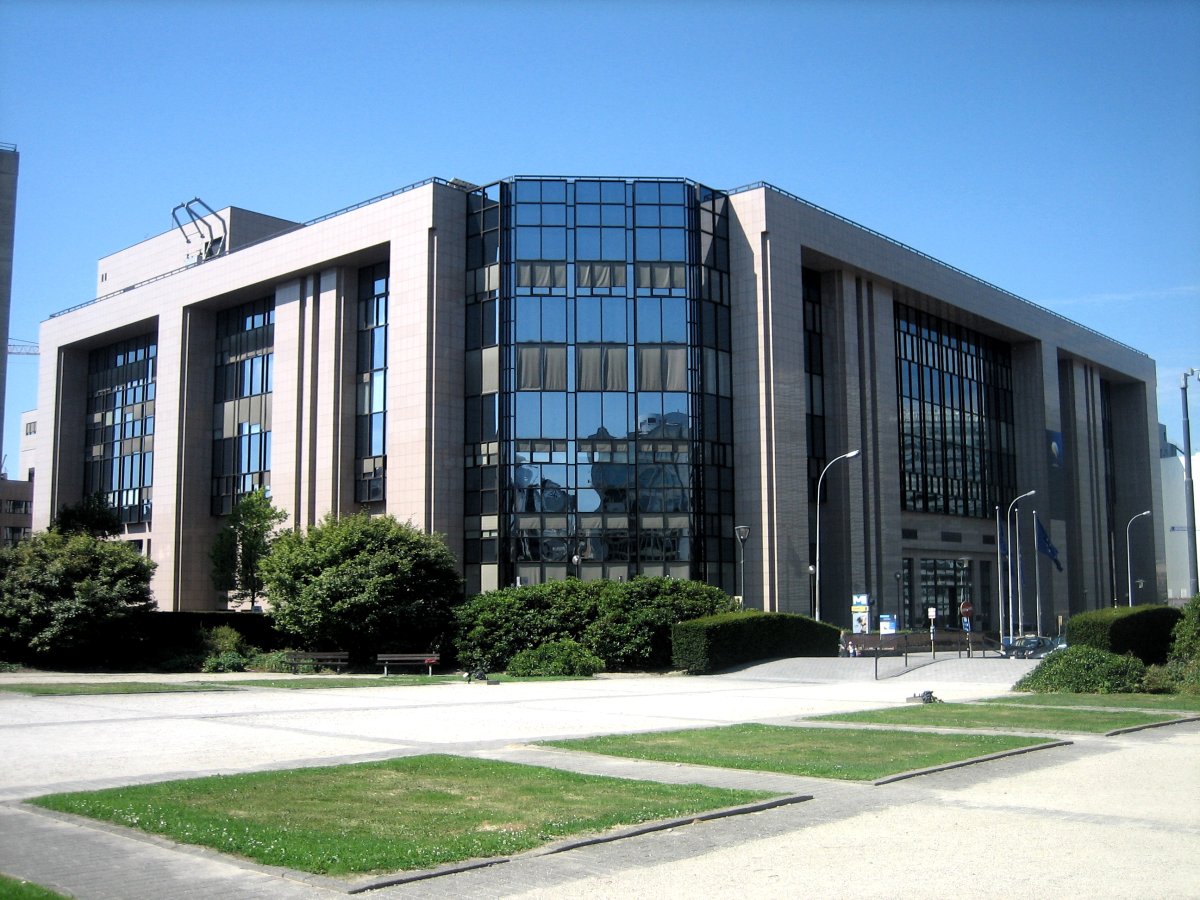
France wants Usmanov off the sanctions list in exchange for detainees. The EU extended the deadline by only seven days, and the six-month compromise fell through too
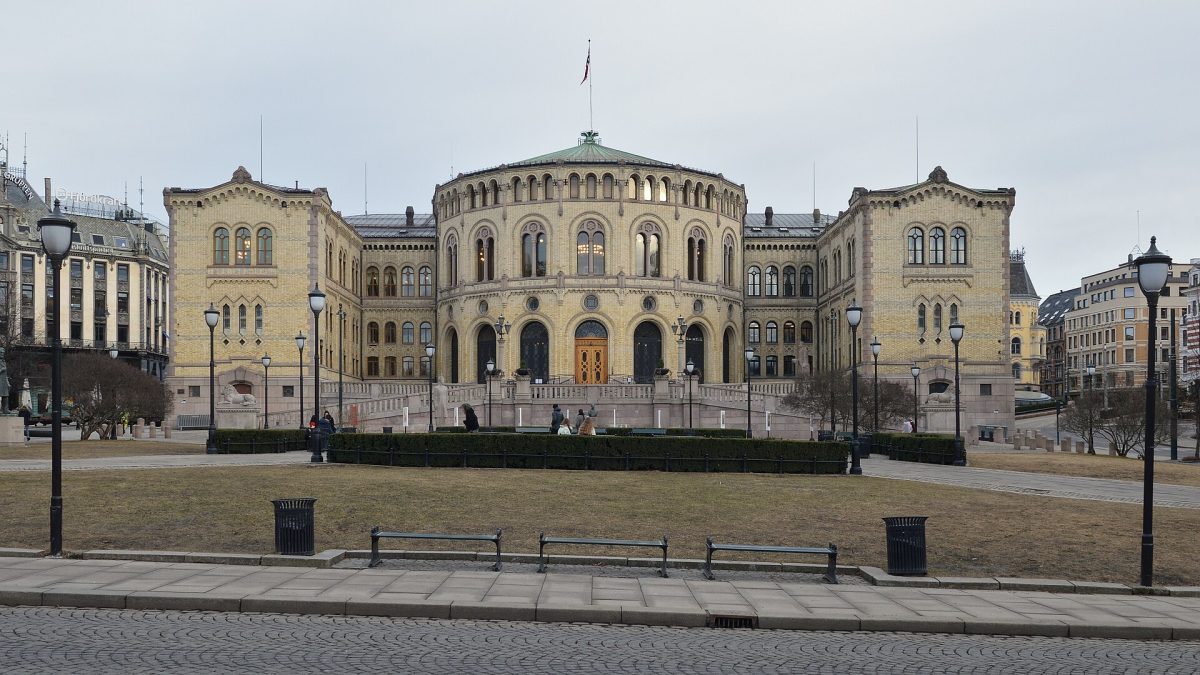
The website of Norway's parliament went down for 80 minutes. It was inaccessible from most of the world for nearly four hours after Oslo reported a return to normal

What Europe is writing about: drone hit a train, MEPs escaped, Trump vs. Zelensky over refineries, tight Swedish elections