

The night that destroyed part of a nine-story building
During the overnight wave of attacks from Wednesday to Thursday, the Russian army launched 675 attack drones and 56 missiles at Ukraine, with the main target being Kyiv and its surroundings. The Ukrainian air force reports that air defense shot down 652 drones and 41 missiles. SITA ↗A short Associated Press recording from the first hours after the attack shows the extent of the damage in Kyiv, when the casualty toll still stood at one dead and 33 injured.
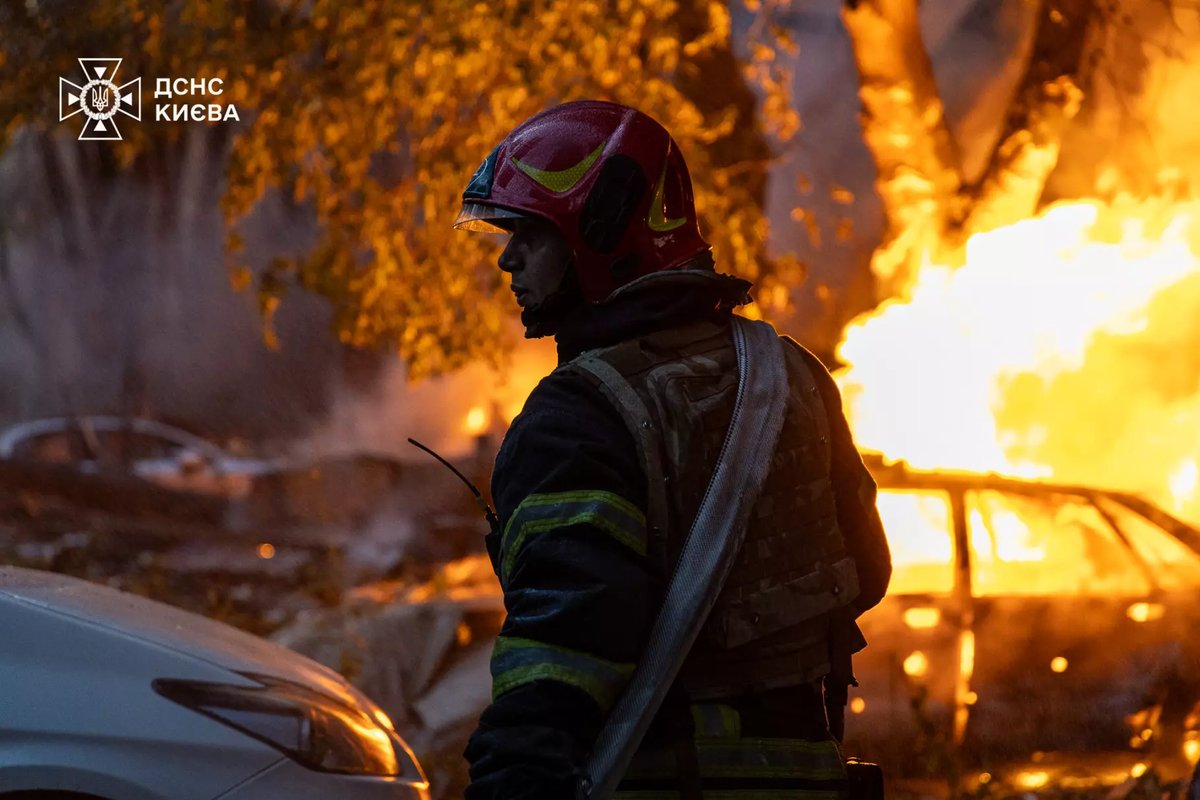
President Volodymyr Zelensky stated that at least 20 sites were damaged, including residential buildings, a school, a veterinary clinic, and other civilian facilities. "Work at the site of the attack in Kyiv is still ongoing — it was a Russian missile strike that literally flattened a residential block from the first to the ninth floor," he said in his evening address. The death toll rose hour by hour throughout Thursday — five victims in the morning, eight in the afternoon, nine in the early evening, twelve at night. According to Friday morning's tally, at least 21 people died, including three children, with some agency updates already reporting a higher number. Rescuers report 47 injured. SITA / AFP ↗
The head of the Kyiv City Military Administration, Tymur Tkachenko, warned that several people remain missing and search operations are continuing. Mayor Vitali Klitschko declared Friday, May 15, an official day of mourning, during which the city will be "cloaked in black." Aktuality.sk ↗
Kyiv was not the only target. In Kharkiv, 28 people were injured, and two in the Odesa region. Drones also struck a vehicle of the UN Office for the Coordination of Humanitarian Affairs (OCHA) in Kherson in the south of the country — Zelensky accused Moscow of deliberately attacking an international humanitarian team. According to the Ukrainian president, since midnight Tuesday into Wednesday, Russia launched more than 1,560 drones and 56 missiles at Ukraine over 48 hours, making this wave of attacks one of the most intense since the start of the war. Moscow claims these were "retaliatory strikes" targeting facilities linked to the military and energy installations supporting the Ukrainian army. STVR / AFP ↗
Drones over nuclear power plants — Grossi warns of accident risk
The International Atomic Energy Agency (IAEA) stated that on May 13 and 14, more than 160 Russian drones flew over the South Ukraine Nuclear Power Plant, the Rivne Nuclear Power Plant, and near Chernobyl. The agency's Director General, Rafael Grossi, said in an official statement that the flyovers were a cause of "deep concern" and reiterated his call for "the greatest possible restraint to avoid the risk of a nuclear accident." IAEA teams have not yet recorded direct hits on the facilities, but the agency insists that the parties respect the principles of protecting nuclear safety during the conflict. MAAE / Aktuality.sk ↗UN Security Council, 21st sanctions package, US at a different table
Ukrainian Foreign Minister Andrii Sybiha announced in response to the attack that Kyiv is initiating an emergency session of the UN Security Council. European Commission President Ursula von der Leyen called the Russian strike a mockery of diplomatic efforts: "Another night full of death and destruction. And reckless attacks on civilians." According to her, the Union is accelerating financial support — the first six billion euros of the ninety-billion-euro loan will go directly toward joint European-Ukrainian drone production. Aktuality.sk / TASR ↗The EU's chief diplomat Kaja Kallas announced this week that the 21st package of anti-Russian sanctions will target the Russian military-industrial complex. Member states may also submit proposals against the so-called shadow fleet. French President Emmanuel Macron wrote on X: "By bombing civilians, Russia is not so much showing its strength as its weakness — it has run out of options on the military front and does not know how to end its war of aggression." STVR / AFP ↗
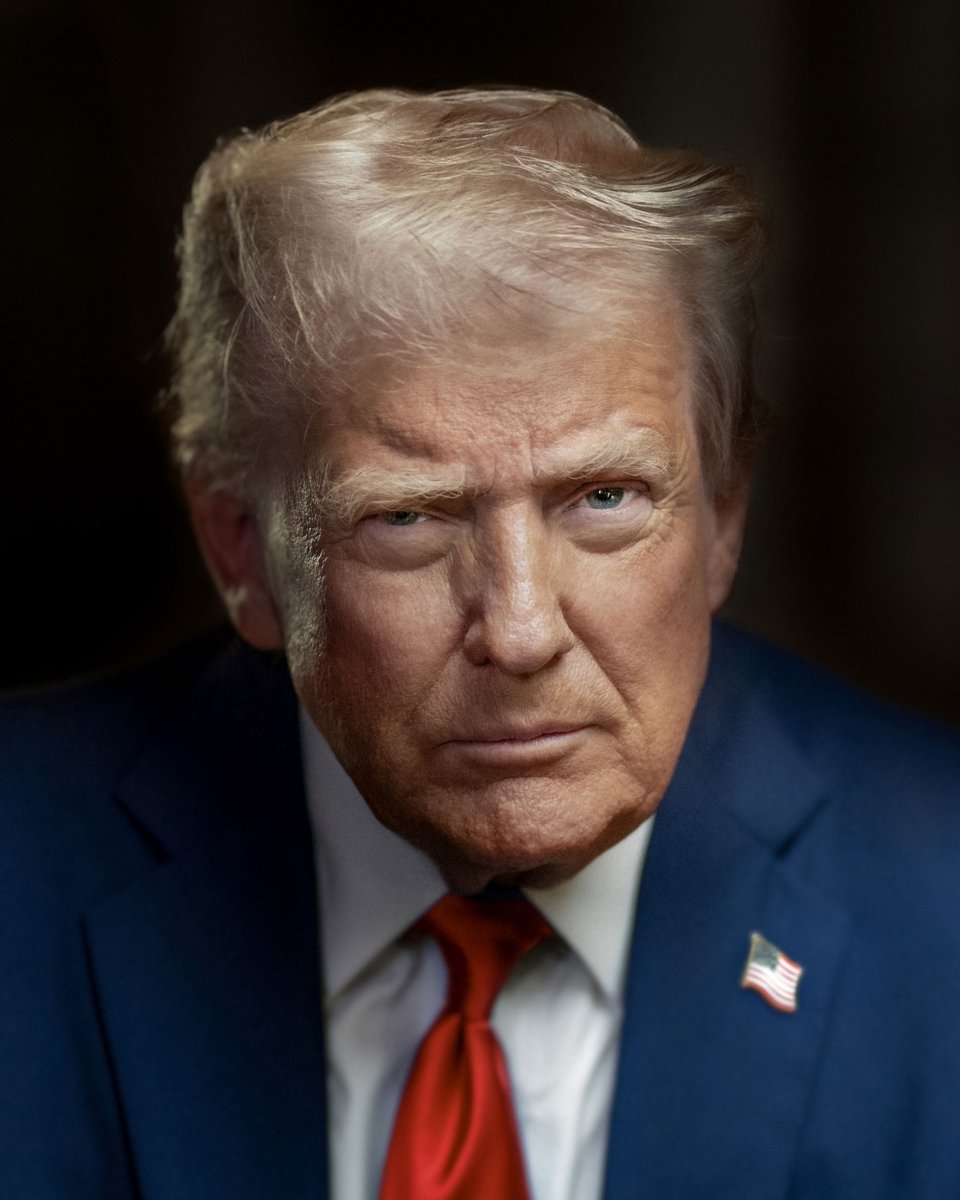
Meanwhile, Washington is dealing with a different agenda. The attention of American mediators is focused mainly on the conflict with Iran, and efforts to end the war in Ukraine are stalling. Both Donald Trump and Vladimir Putin publicly stated in recent days their "belief that the end of the war is near" — a statement that contrasts with the year's heaviest strike. Aktuality.sk ↗
Uzhhorod, Kyiv, Rēzekne: three points of one escalation
The attack on Kyiv took place within a broader sequence of escalation. On Tuesday, May 13, Russian drones struck Uzhhorod in the Zakarpattia region for the first time — Slovakia responded by temporarily closing all crossings with Ukraine. On that same Thursday, when the massive strike on Kyiv occurred, Prime Minister Evika Siliņa resigned in Riga over a dispute regarding drones that had strayed over the Latvian city of Rēzekne during a strike on Russian targets. Within a single week, near the borders of NATO, the first direct hit in Zakarpattia, the heaviest bombing of Kyiv since the autumn 2025 wave, and a political crisis in a Baltic member state all came together.Read also: Uzhhorod under Russian drones for the first time. Slovakia closed border crossings, reopened after two hours
The contrast with the May 9 ceasefire is particularly stark: Putin publicly signed a decree for a three-day halt to fighting at the time, and not a single tank showed up for the parade in Moscow. Six days later, Moscow launched more than 1,560 drones and 56 missiles against Ukraine in a single two-day wave — the largest barrage in more than half a year.
Read also: Three-day ceasefire, a decree for Putin, not a single tank. The most unusual May 9 on Red Square
What hotinfo is watching
- The UN Security Council responds to Ukraine's request (the session was called by Ukrainian foreign minister Sybiha)
- The IAEA or Grossi issues a more specific warning or records new drone overflights of nuclear power plants
- Disbursement of €6bn from the EU's €90bn loan for joint European-Ukrainian drone production
- The EU's 21st package of anti-Russian sanctions is tabled (Kallas targeting Russia's military-industrial complex and the shadow fleet)→ Členské štáty EÚ sa dohodli na 21. balíku sankcií proti RuskuKomisia balík predstavila v júni, štáty ho odobrili 23. júla 2026. Tieňová flotila aj vojenský priemysel v ňom ostali — pribudli ďalšie plavidlá a subjekty pomáhajúce obchádzať sankcie, plus najviac nových mien na zozname za štyri roky.
- How Hungary and Slovakia vote in the EU Council on the 21st sanctions package→ Členské štáty EÚ sa dohodli na 21. balíku sankcií proti RuskuBratislava ani Budapešť balík nezablokovali — po Orbánovom konci sa maďarské veto neopakovalo a rokovania sa zasekli inde: Grécko bránilo zákazu prepravy ruského LNG (nakoniec ho stiahlo za ústupky) a Bulharsko malo výhrady voči zaradeniu patriarchu Kirilla.
- A public reaction from the Trump-Vance administration to the attack (so far there has been no public statement)→ „Nepopsatelná bolest.“ Rusko zabilo mladé sestry, útoku si všiml i TrumpTrump sa ozval — útok verejne označil za ostudu. Bilancia medzitým stúpla z 21 na 24 mŕtvych; Zelenskyj hovoril o 1 567 dronoch a 56 raketách vyslaných na Ukrajinu v priebehu stredy a štvrtka.
- Whether this is an isolated strike or the start of a longer summer offensive (watch the intensity of attacks from May 15 to 30)→ Zelenskyj sľúbil ďalšie odvetné údery po krvavom ruskom útoku na KyjevZelenskyj sľúbil odvetné údery po Kyjev útok (SITA 15.5.). Konkrétne ciele zatiaľ neoznámené.
- A public statement from Slovak prime minister Robert Fico on the attack→ Je to už príliš blízko, vyhlásil Fico dva dni po útoku dronov v Užhorode. Objas…Fico sa ku kyjevskému útoku nevyjadril. Dva dni mlčal a čelil za to kritike opozície aj tlaku po zrušenej Merzovej návšteve; 15. mája sa ozval, ale k dronom pri slovenských hraniciach — vyhlásil, že útoky sú „už príliš blízko“, a spomenul Bezpečnostnú radu štátu.