


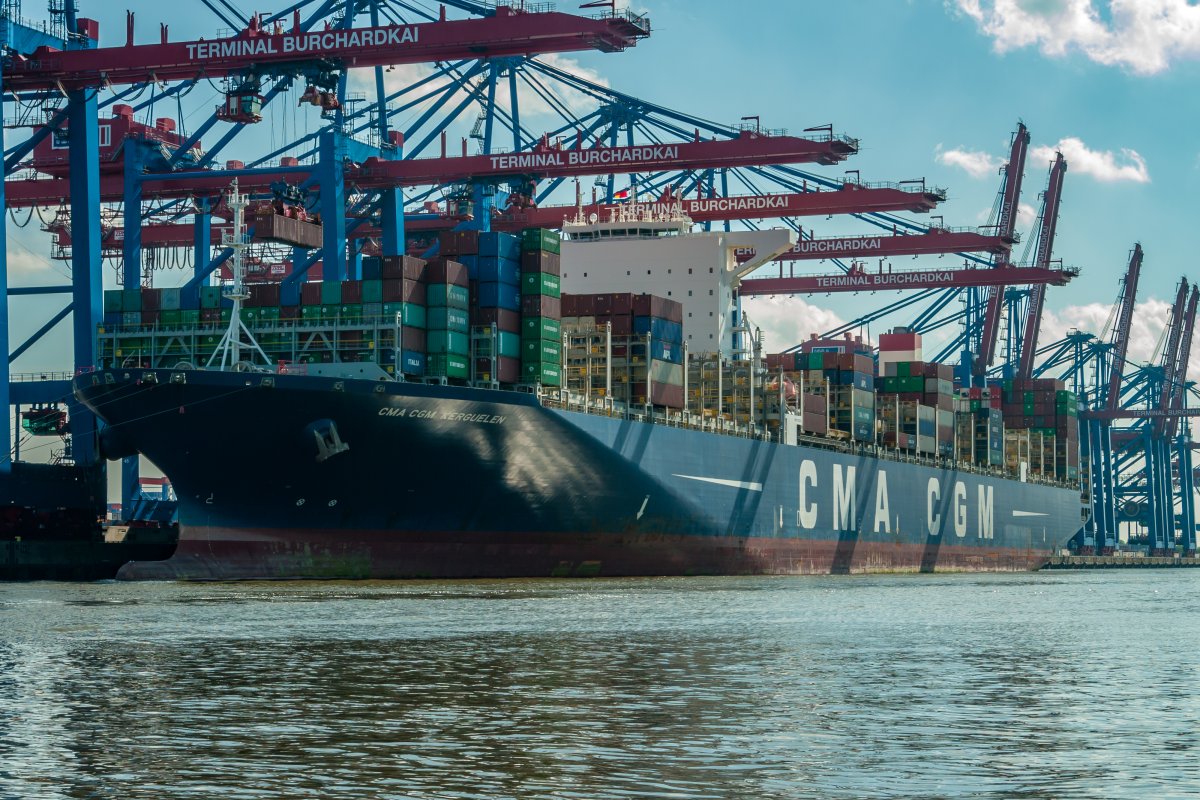

According to the Kiel economists, Germany is losing a greater share of global markets than can be explained by subsidized Chinese imports and an undervalued yuan alone. The rise of Chinese exporters, they argue, has less to do with Beijing and more to do with Germany's own weakened competitiveness – expensive energy, a slow shift to electromobility, lagging innovation, and weak domestic investment. The study therefore warns against aggressive tariffs as well as the European Commission's planned new trade defense instrument: according to the study, a tariff treats the symptom and protects uncompetitive companies instead of addressing the root cause. Handelsblatt ↗
Against the louder camp
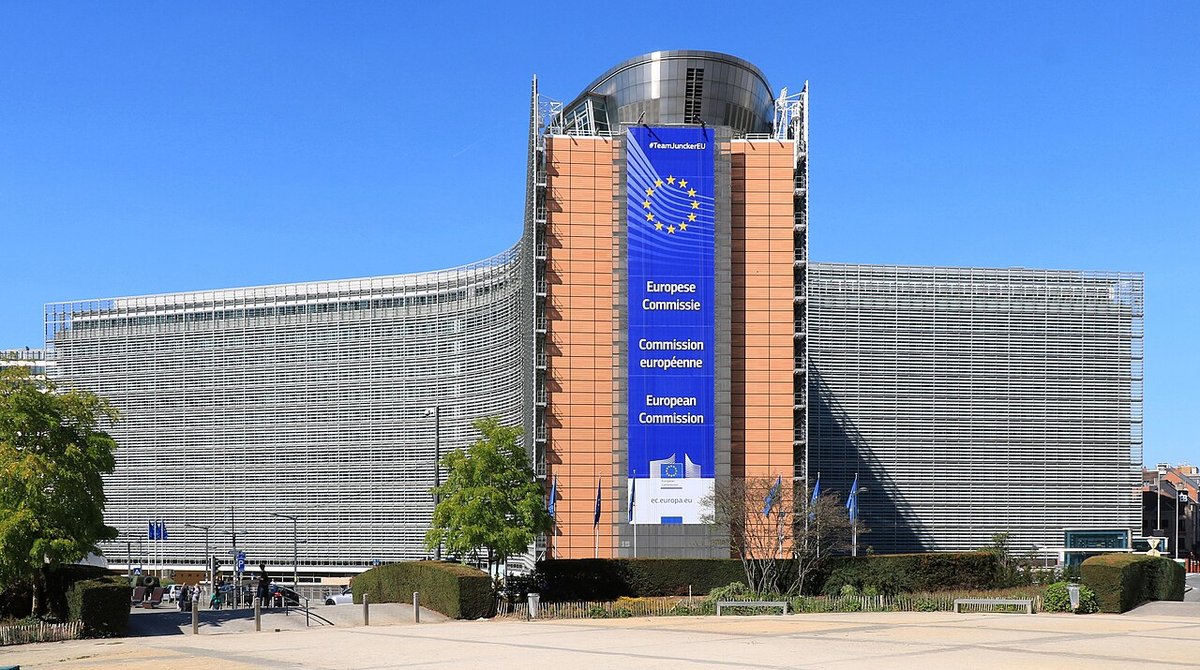
This is almost the exact opposite of the diagnosis that currently dominates in Germany. The London-based think tank Centre for European Reform in May labeled Germany the "epicenter of the second China shock": by its estimate, the collapse in exports to China endangers more than 400,000 jobs tied to it, and declining net exports have cumulatively shaved roughly three percent off German GDP since the end of 2023. According to Rhodium Group, German car exports to China fell by roughly two-thirds between 2022 and 2025, and since mid-2025 Germany has been importing more machinery and capital equipment from China than it exports there – a historic reversal. CER therefore calls for more protection, not less. Centre for European Reform ↗ Rhodium Group ↗And Europe has already moved in this direction: this week EU leaders demanded that the Commission provide tools to defend against Chinese competition, with countervailing tariffs on Chinese hybrid cars on the table. Aktuálně.cz ↗
Why this isn't just a German debate
The dispute over the diagnosis is not academic. Both Slovak and Czech industry are closely tied to German supply chains, especially in the automotive sector – and Czech media are already warning that the Czech Republic is among the most exposed countries. Denník N ↗ If Berlin and Brussels reach for tariffs as the cure while the real illness is domestic competitiveness and energy prices, Central European suppliers could pay twice: once through the weakness of their German buyers, and again through a trade war that raises the cost of their inputs.The Kiel view also has its limits – it may underestimate real Chinese overproduction and state subsidies, and the word "homemade" itself is partly a matter of definition (the 2022 energy shock had an external trigger). But that is precisely why the dispute matters: it will determine whether Europe reaches for tariffs or for reforms at home.