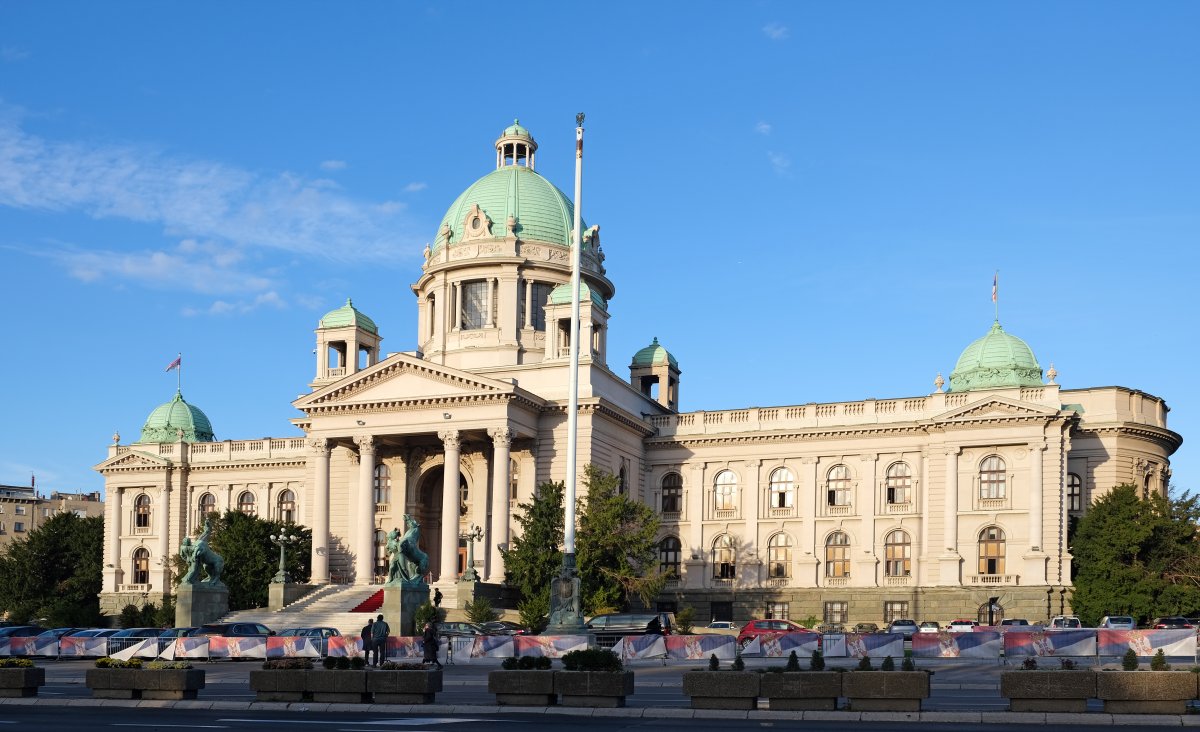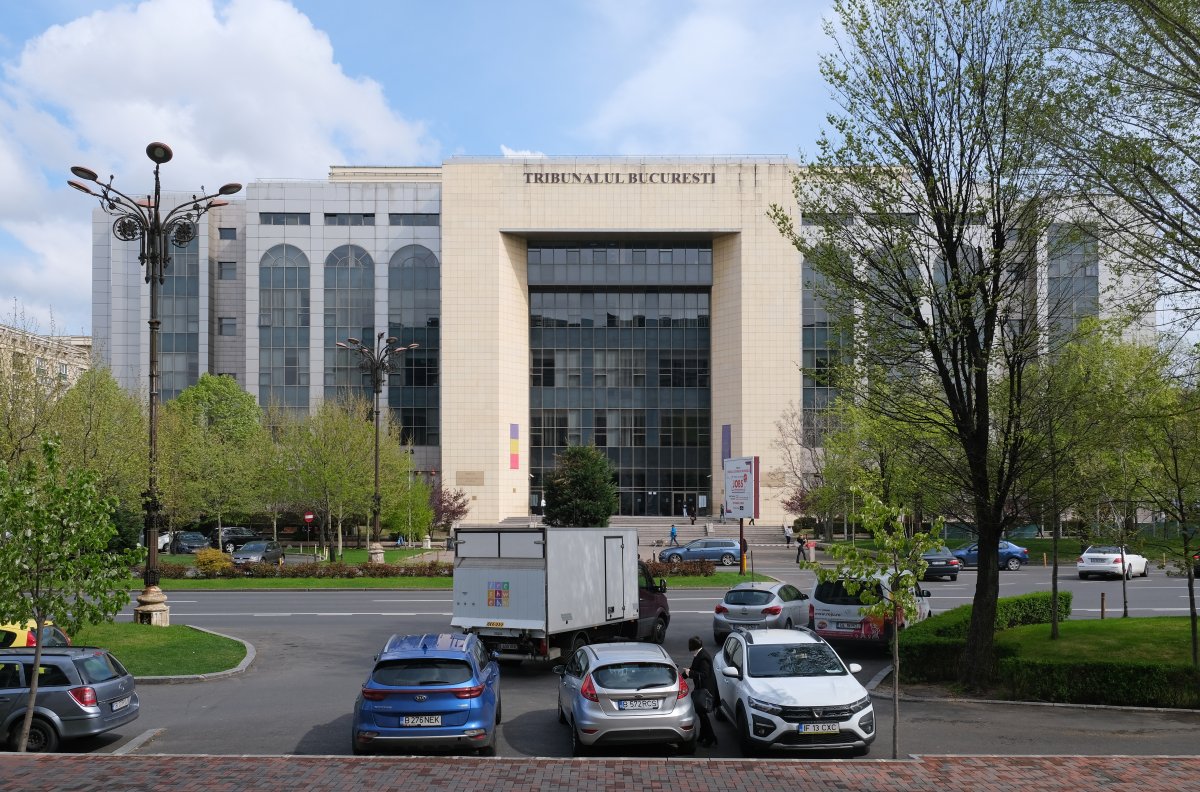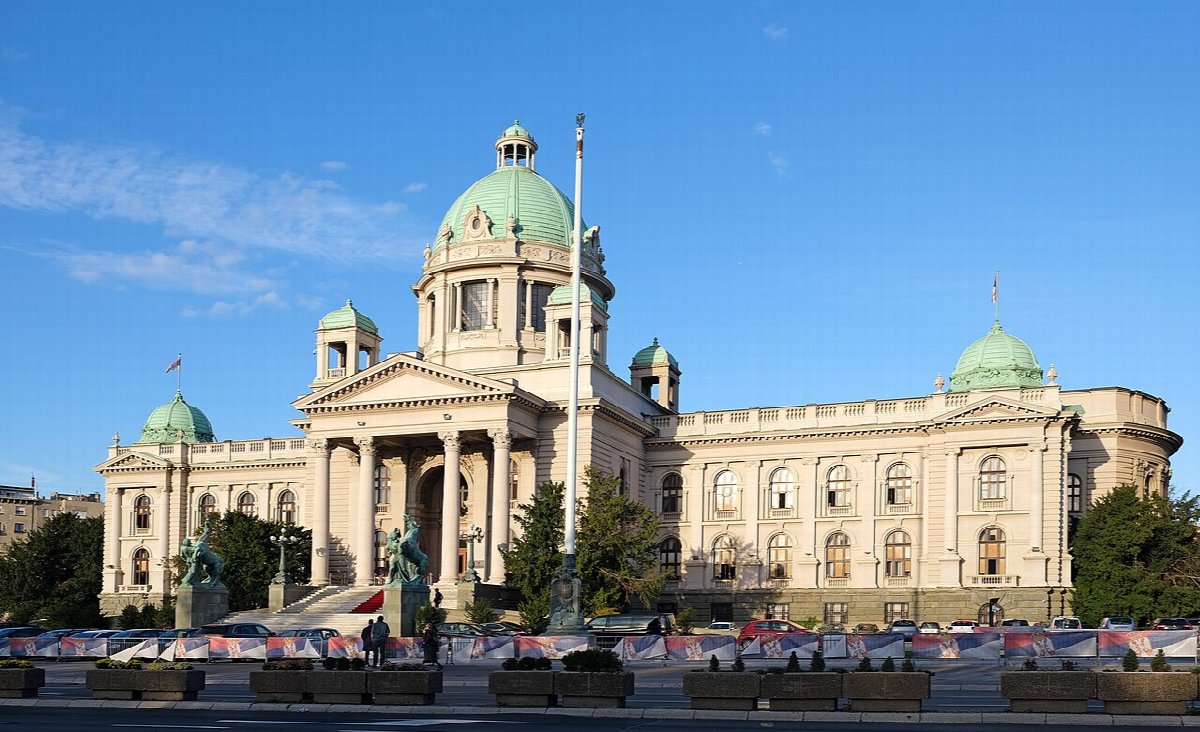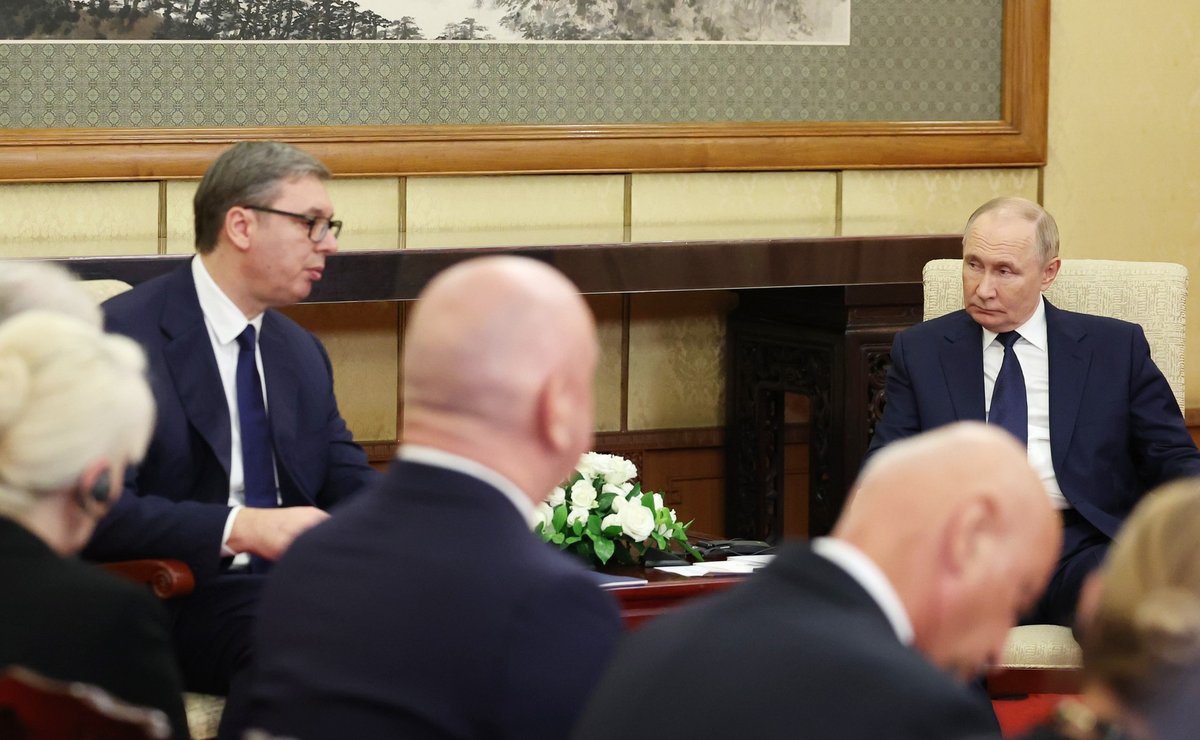
Key actors — tap for context

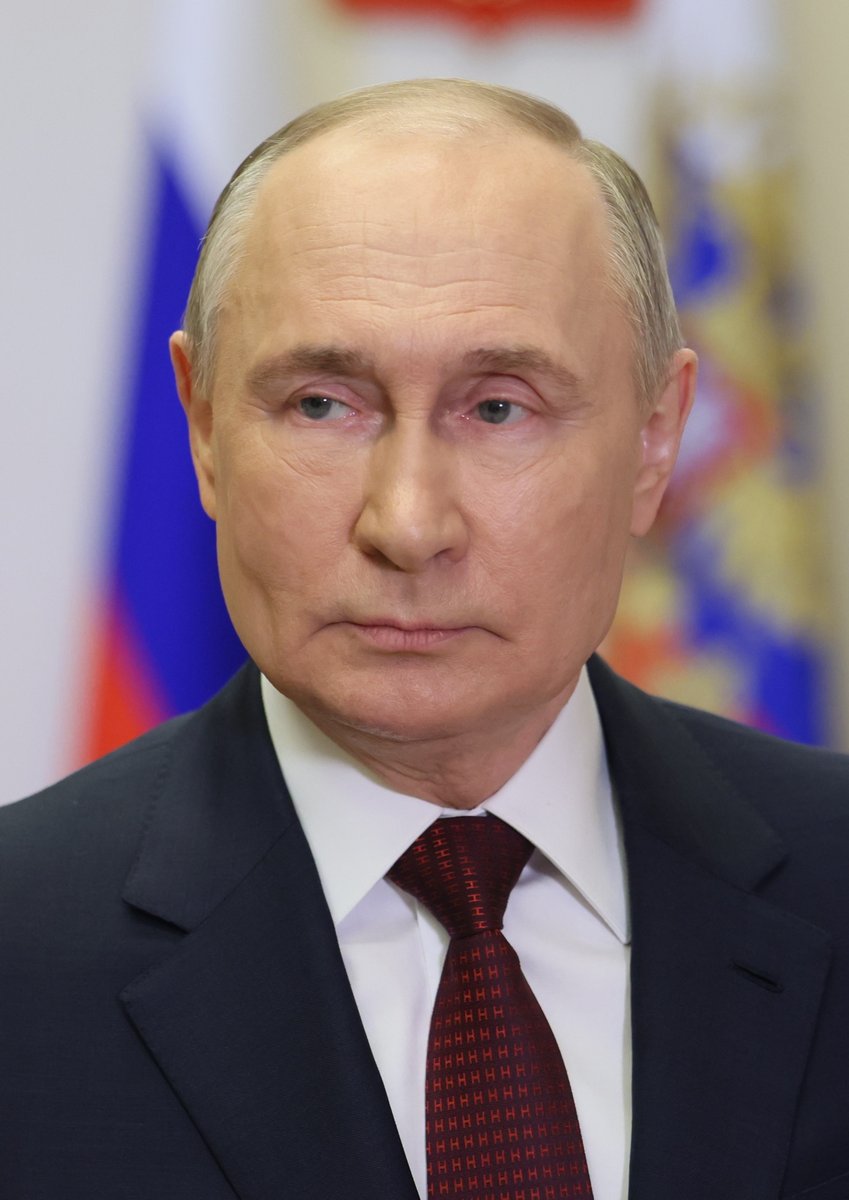
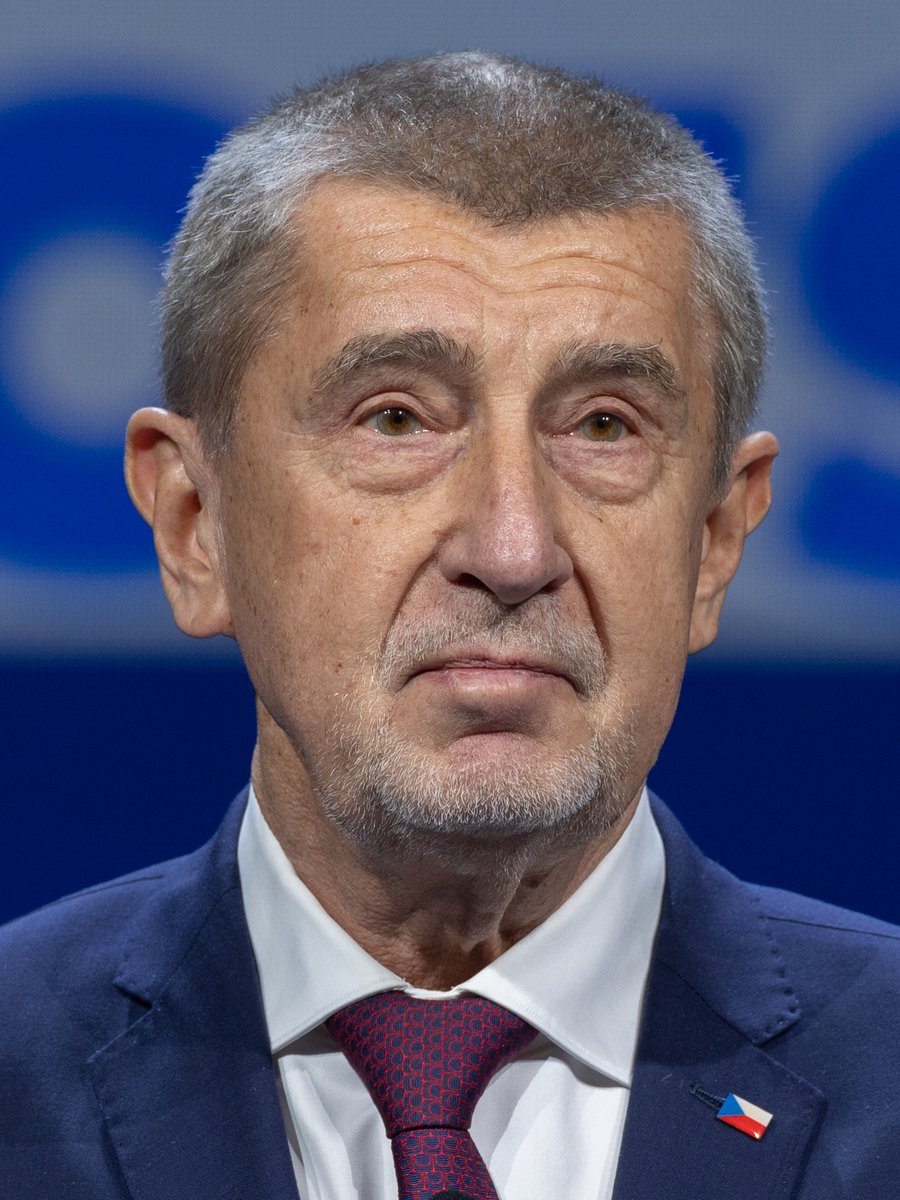
Ilie Bolojan
Acting Prime Minister of Romania; governing on an interim basis after his cabinet fell in a no-confidence vote in May 2026
Why here: The government authorized him to sign a memorandum with Serbia on Iron Gates 3
More info →
Dubravka Đedović Handanović
Serbian Minister of Mining and Energy since 2022, a former banker
Why here: Announced the signing of the memorandum as imminent and promotes the project as a regional grid stabilizer
More info →Hidroelectrica
Romania's largest electricity producer, a state-owned hydropower company
Why here: Could obtain a 50% stake in the project — if Serbia provides the technical data
More info →
Bechtel
American construction and engineering giant
Why here: Already expressed interest in building Iron Gates 3 back in 2021
More info →
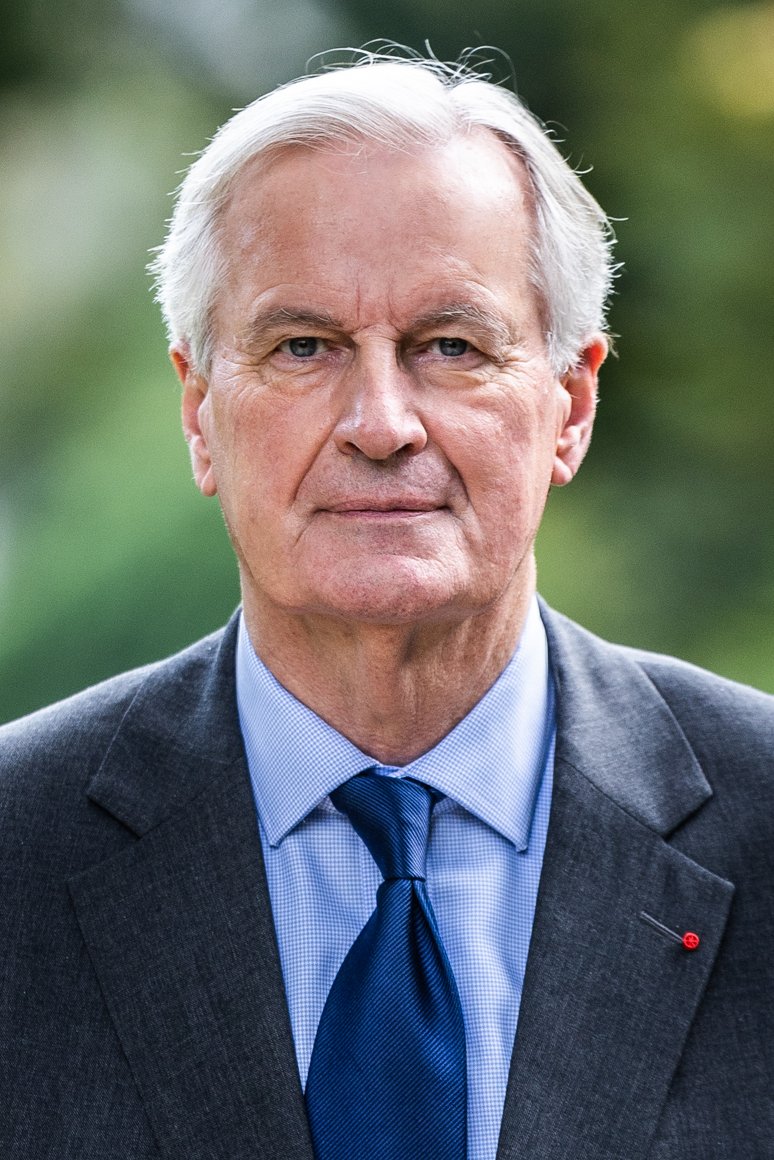
Adrian Veștea
Romania's prime minister-designate, nominated by President Nicușor Dan
Why here: Following the fall of Bolojan's government, is forming a new cabinet that will continue to decide on the project
More info →What is Iron Gates 3, and why a "battery"
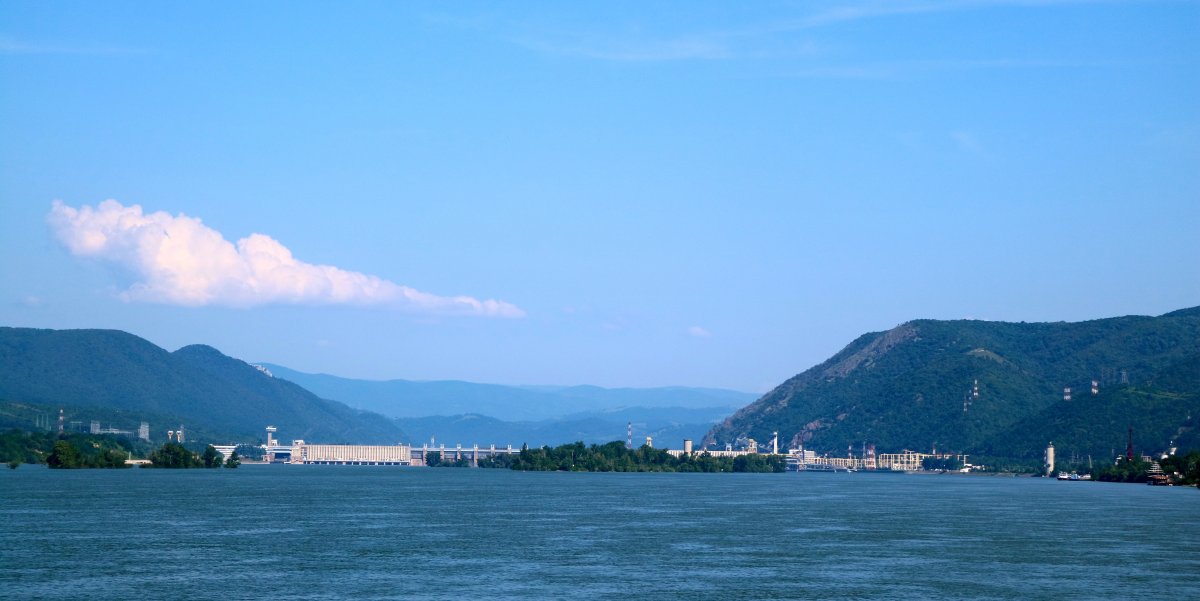
It would be the third dam in a series on the Romanian-Serbian stretch of the Danube. The first two — Iron Gates I (approximately 2,300 MW, commissioned in 1972) and the smaller Iron Gates II (1985) — were built jointly by then-Yugoslavia and communist Romania, and both states still operate them jointly today. Unlike the first two, which sit directly on the border river, the new plant would have its main works and upper reservoirs on the Serbian side of the Danube, near the village of Dobra close to Golubac. And it isn't a classic dam but a pumped-storage plant: when electricity is cheap (for example during the day from solar and wind), it pumps water into the upper reservoir, then releases it back down through turbines during evening peak demand. According to the Serbian press, it should have a capacity of 2,400 MW plus another 400 MW from its own wind and solar sources — though the final configuration is to be determined by a feasibility study. That's where the marketing label "Europe's biggest battery" comes from. Plans for a third dam are not new: they were first drawn up in the 1970s and revived in 2021. Wikipedia ↗Why Romania hesitated — and what it insisted on
Bucharest long refrained from treating the project as a done deal. Serbia had already signaled last summer that signing the memorandum was "imminent," but Romania insisted on conditions. The main concern: that the new plant should not reduce output from, or disrupt the operation of, the existing Iron Gates I and II, nor harm the navigability of the Danube, including the joint Romanian-Bulgarian navigation program FAST DANUBE II. The memorandum approved by the government explicitly enshrines these reservations — Đerdap 3 is to be developed "under reasonable conditions that take into account the interests of both sides." A final decision on Romanian participation will only come once Serbia supplies complete technical data; the state-owned company Hidroelectrica could then take a 50% stake. HotNews ↗The American angle: a race for the Balkans
The United States is drawing the most attention. In early June — according to G4Media, on June 3 — the US embassy in Belgrade issued a call for "expressions of interest," inviting American companies with experience in hydropower and energy storage. It relies on the Strategic Energy Cooperation Agreement that Serbia and the US signed in September 2024 (ratified and in effect since March 2025), which allows direct participation by American companies in infrastructure. The American giant Bechtel already expressed interest in building Iron Gates 3 back in 2021. The Belgrade think tank IPESE described the project — according to the portal b92 — as a direct "race" by Washington against Chinese and Russian influence in the region: American capital and technology as an alternative to Chinese investments (PowerChina, Zijin), which have come to control part of the Balkan infrastructure over the past decade. G4Media / b92 ↗Why it's worth watching from the Danube too
For a Central European reader, this is not just a Balkan curiosity. The Danube is a shared artery, and Slovakia is part of the same interconnected European electricity grid. A huge pumped-storage plant would help stabilize the grid of southeastern and central Europe and store surpluses from renewable sources, which are also growing at home. At the same time, it's a textbook example of how the region's energy map is being redrawn after the retreat of Russian gas — and how American capital is pushing into a region where, until recently, the talk was mainly of Chinese and Russian influence.Limits of this view
The picture has its limits. The label "Europe's biggest battery" is a Serbian marketing frame, not an independent technical comparison. The Romanian press reads the topic through its own lens — protecting national power plants and the navigability of the Danube. And the interpretation that this is an American "race against China and Russia" comes from a think tank and a Serbian portal, not from official statements. It should also be added that the government in Bucharest is an acting one: Ilie Bolojan's cabinet fell in a no-confidence vote in early May, and the country is still finding its direction — a new government is only now being formed by prime minister-designate Adrian Veștea, nominated by the president in mid-June. The mandate to sign was thus approved by the outgoing cabinet. And the memorandum itself is a framework for negotiations and conditions, not the signing of a multi-billion-euro investment. Romania Insider ↗What hotinfo is watching
- Whether, and in what form, Bolojan will actually sign the memorandum with Serbia — especially the Romanian conditions protecting Iron Gates I and II.
- Whether Serbia will deliver the complete technical data on which the decision about Hidroelectrica's 50% stake depends.
- Which American companies respond to the embassy's call, and whether Bechtel returns.
- The reaction of environmental organizations to another major construction project on the Danube (water regime, riverbanks in Romania and Bulgaria).
- The stance of the new Romanian government, once formed — whether it will confirm the mandate to sign.