
Who the Huncokári were
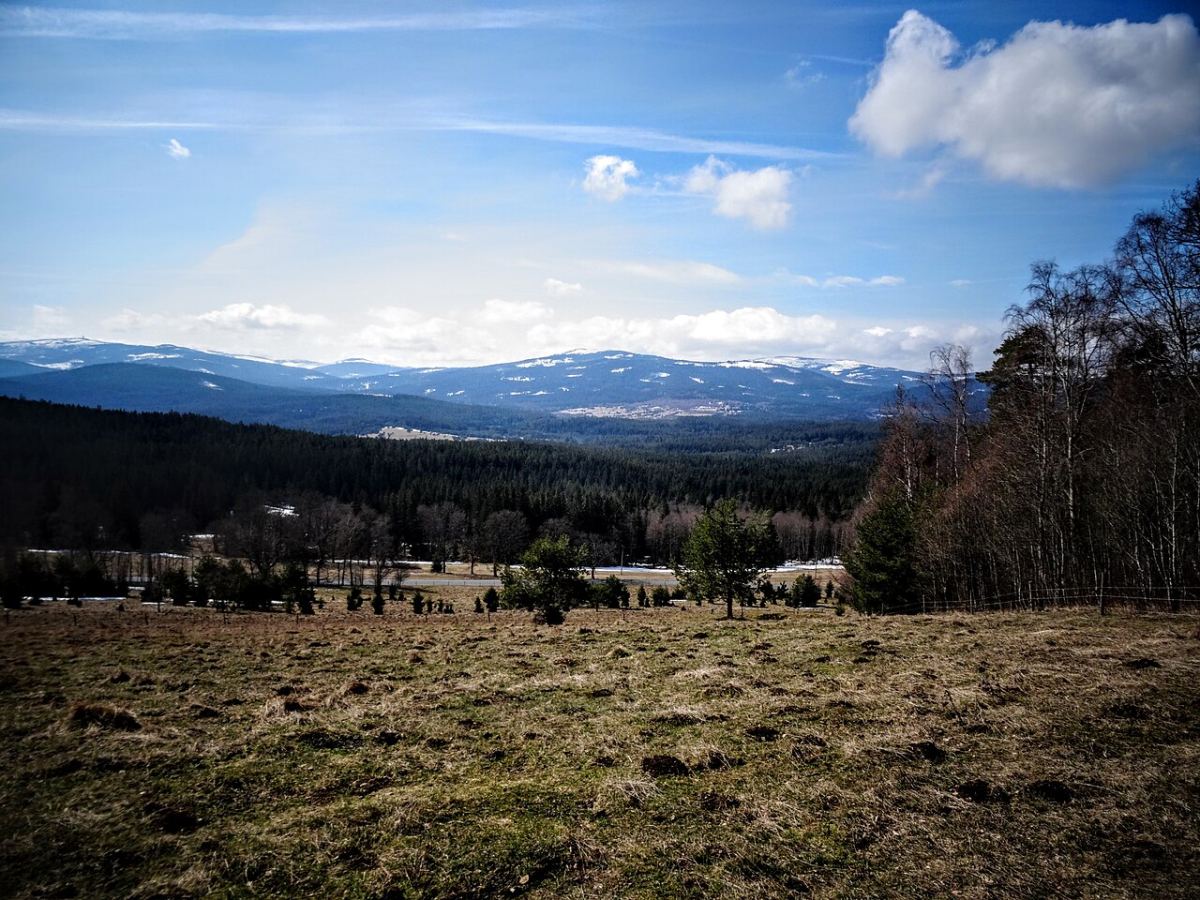
The word "huncokár" is a corruption of the German Holzhacker — lumberjack. From the mid-18th century, the Counts Pálffy recruited German-speaking workers from Lower Austria, Styria, and other Habsburg lands to manage and log their forests in the Malé Karpaty. Centre for Traditional Folk Culture ↗According to traditional accounts, the Pálffys did not trust the local foresters — who allegedly sided with the locals and turned a blind eye to wood theft. On the southern side of the Malé Karpaty, nearly 50 settlements gradually emerged, with the densest settlement at Piesok, today part of Modra-Piesok. Malokarpatsko.sk ↗
Life in the forest homesteads
The Huncokári lived in individual cottages scattered through the forest, sometimes up to half an hour's walk apart, provided to them by their employers. They spoke their own German dialect, were devoutly Roman Catholic, and prayed at forest crosses. STVR ↗The community lived a closed existence — marriages were contracted almost exclusively among themselves, and they remained loyal to their lords. In the 18th century, a teacher would come to the individual settlements for the children, always for two to three weeks at a time. Besides felling and hauling timber and planting pines, they grew their own vegetables and fruit and kept some livestock. Centre for Traditional Folk Culture ↗
A cemetery in the forest — the strongest surviving memorial
The strongest surviving memorial to the Huncokári is the forest cemetery at Piesok above Modra — a trapezoid covering 946 square meters in the middle of the forest. It served exclusively for burying mountain lumberjacks and their families, and nothing of this kind and scale has been preserved anywhere else in Slovakia. Town of Modra ↗Descendants have gradually restored it — in 2005 a new wooden fence was added, and in 2014, 21 original wooden crosses were restored. Town of Modra ↗
Decline — and the return of memory
The bilingual community survived until the Second World War. After 1945, part of the Huncokári were expelled to Germany, the mountain settlements fell apart, and the remaining families scattered and assimilated. Centre for Traditional Folk Culture ↗Some homesteads, however, survived much longer — at a place called Tanirkárová in the game reserve above Piesok, according to descendants, a Huncokár cottage still stood in the 1950s. Descendants of the Huncokári (Facebook) ↗
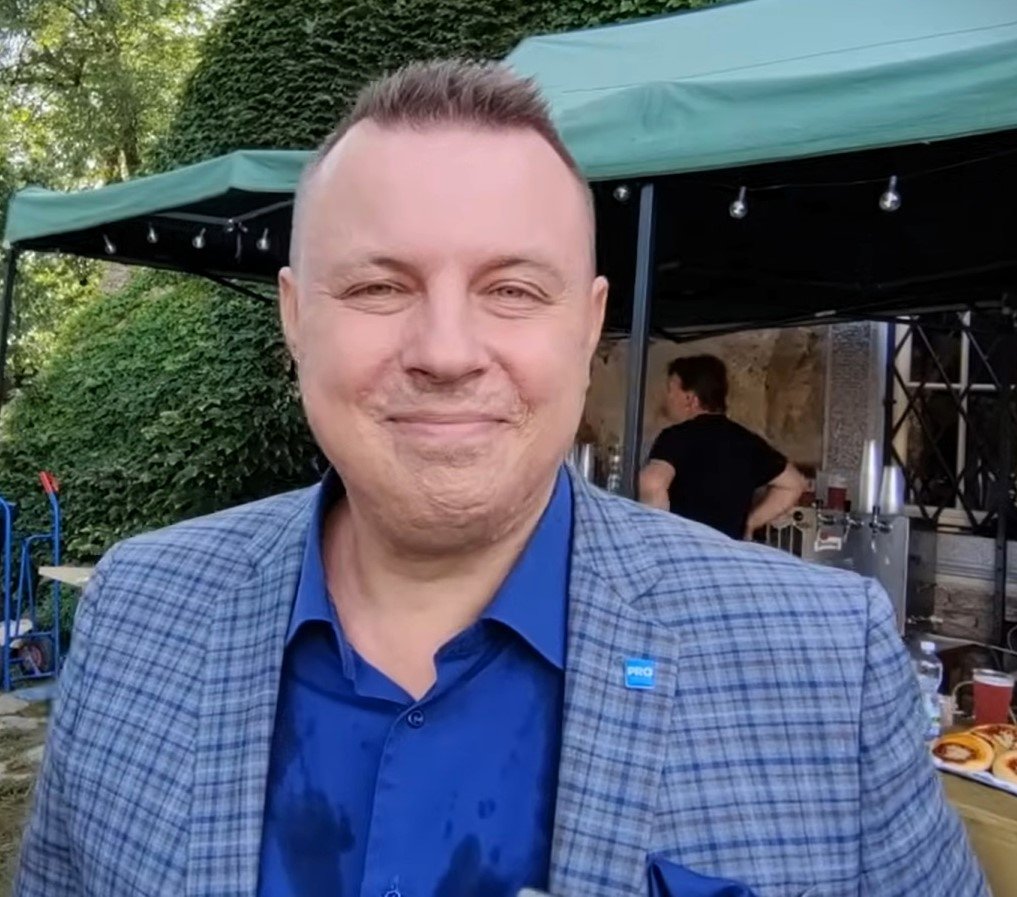
But the memory has not faded. The first meetings of descendants were already held in 1979 in Sološnica, and today they are united by the civic association Descendants of the Huncokári, led by Ján Graus. It is based in the restored Holzhacker Haus at Piesok, meets twice a year, has restored the forest cemetery, and is also researching in the Pálffy family archive in Vienna. STVR ↗
And it was at one of these gatherings — the Magdalene meeting on July 18 — that a new book by Alžbeta Mihalovičová-Sagmeister, "O Huncokároch — Príbehy zo života horských ľudí" ("On the Huncokári — Stories from the Life of Mountain People"), was also baptized. The godfather was the artist Ferko Jablonovský, himself a Huncokár descendant, who baptized the book with a small bell — an old Huncokár object that also appears on its cover. Descendants of the Huncokári (Facebook) ↗
What hotinfo is following
- Whether the twice-yearly meetings of descendants and the interest of the younger generation will be sustained, or whether the memory of the Huncokári will shrink to nothing but an archive.
- The fate of the forest cemetery at Piesok and the Holzhacker Haus as the most visible tangible memorials of the community.
- Whether further books and archival research (the Pálffy archive in Vienna) will emerge while witnesses and storytellers are still alive.
- The broader fate of Carpathian German dialects — after the Mantáks and the Huncokári, other vanishing linguistic islands of Slovakia.