

Key actors — tap for context

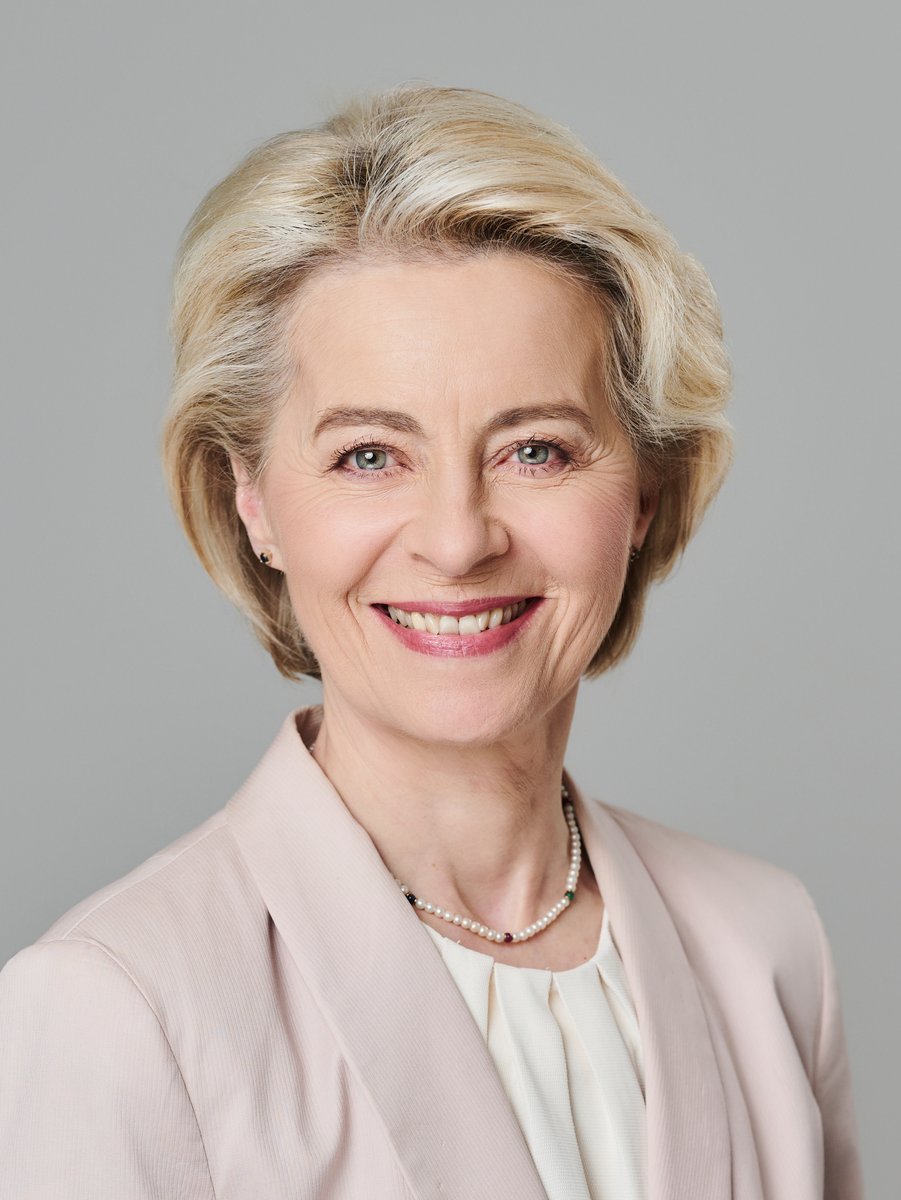
Magnus Brunner
Austrian politician, European Commissioner for Home Affairs and Migration
Why here: Defends the invitation — he says returns will not improve without talks
More info →
Maxime Prévot
Belgian Minister of Foreign Affairs for the Les Engagés party
Why here: Personally disagrees with the invitation, but Belgium as host is handling the visas
More info →
Taliban
Radical Islamist movement that has ruled Afghanistan since 2021, not officially recognized by the Union
Why here: Invited by the Commission to talks on migrant returns
More info →
European Commission
Executive body of the European Union
Why here: Initiated the invitation of the delegation to Brussels
More info →Belgium, as the host country of the EU institutions, has been put in an uncomfortable position. The Commission handed Belgian authorities the names of the delegation members, and security services have launched background checks ahead of the possible issuance of visas, which Brussels grants under an exemption regime for international organizations. Foreign Minister Maxime Prévot of the Les Engagés party has made clear that he personally disagrees with the invitation and that the Belgian government would never have invited the Taliban on its own. "It does not mean recognition by Belgium. It does not mean an invitation by Belgium," he said; according to him, the country would weaken its standing as an international and diplomatic capital if it started taking positions on invitations issued by European institutions. Belga News Agency ↗
A wave of criticism has risen against the talks. About forty national and European lawmakers, led by Belgian MEP Saskia Bricmont (Ecolo, Greens), sent Prévot a letter asking him to refuse the visas; according to the signatories, the Taliban is "responsible for massive and systematic violations of human rights, especially against women, girls, journalists, human rights defenders, and minorities." After returning to power in 2021, the movement gradually barred girls from attending most secondary schools, and in December 2022 it also banned women from university study. La Libre ↗
On Wednesday, June 17, around two hundred demonstrators, including members of the Afghan diaspora and Amnesty International, gathered at Brussels' Place du Trône; they demanded that neither Belgium nor the Union cooperate with the Taliban in any way. Amnesty International ↗
The date of the meeting has not yet been set, and according to Prévot's office, as of mid-June the Taliban had not even submitted a visa application. The talks fit into the European Union's broader push to speed up the returns of unsuccessful asylum seekers. Euronews ↗