





Key actors — tap for context

La Repubblica
Italian center-left daily, one of the most widely read in the country
Why here: Published the investigation that put the money laundering figure at five billion euros
More info →
Guardia di Finanza
Italian financial and customs police prosecuting tax and economic crimes
Why here: Dismantled the network in operation "No Name" and seized assets worth 116 million euros
More info →
European Public Prosecutor's Office
Independent EU prosecutorial body for crimes against the Union's budget (operating since 2021)
Why here: Coordinated the cross-border investigation from Bologna and Milan
More info →
Europol
EU agency for police cooperation, headquartered in The Hague
Why here: Takes action against providers of criminal banking services in the EU, including Chinese networks
More info →
Civitanova Marche
Port town in Italy's Marche region
Why here: Home to branches of the clandestine bank
More info →
'Ndrangheta
Calabrian mafia, one of the most powerful criminal networks in Europe
Why here: Chinese underground networks allegedly helped launder its cocaine cash
More info →What La Repubblica reports
According to the daily, the story began in a mundane way. Two financial police officers noticed a van loaded with toilet paper on the outskirts of Senigallia, followed it out of curiosity, and ended up at a textile factory where twenty Chinese nationals were working "off the books." The same building also housed dozens of companies that existed only on paper. La Repubblica ↗From this lead unfolded one of the largest financial operations in the history of Italy's Marche region. Investigators described a "banca occulta" — a clandestine bank with three branches hidden inside a villa, a travel agency, and a Cash&Carry wholesale store in the towns of Civitanova Marche and Corridonia. They had banknote counting machines and a cash safe at their disposal. Cronache Maceratesi ↗
The underlying principle was simple and almost invisible. A client would hand over cash in Italy, the network would keep a commission, and the same amount would be "delivered" to the recipient in China — without the money ever physically crossing the border. The dirty proceeds flowed through shell companies and fake invoices across Greece, Bulgaria, France, Germany, Estonia, and Ireland before returning to China or back into the Italian economy. Il Sole 24 Ore ↗
What Slovak and Czech media missed
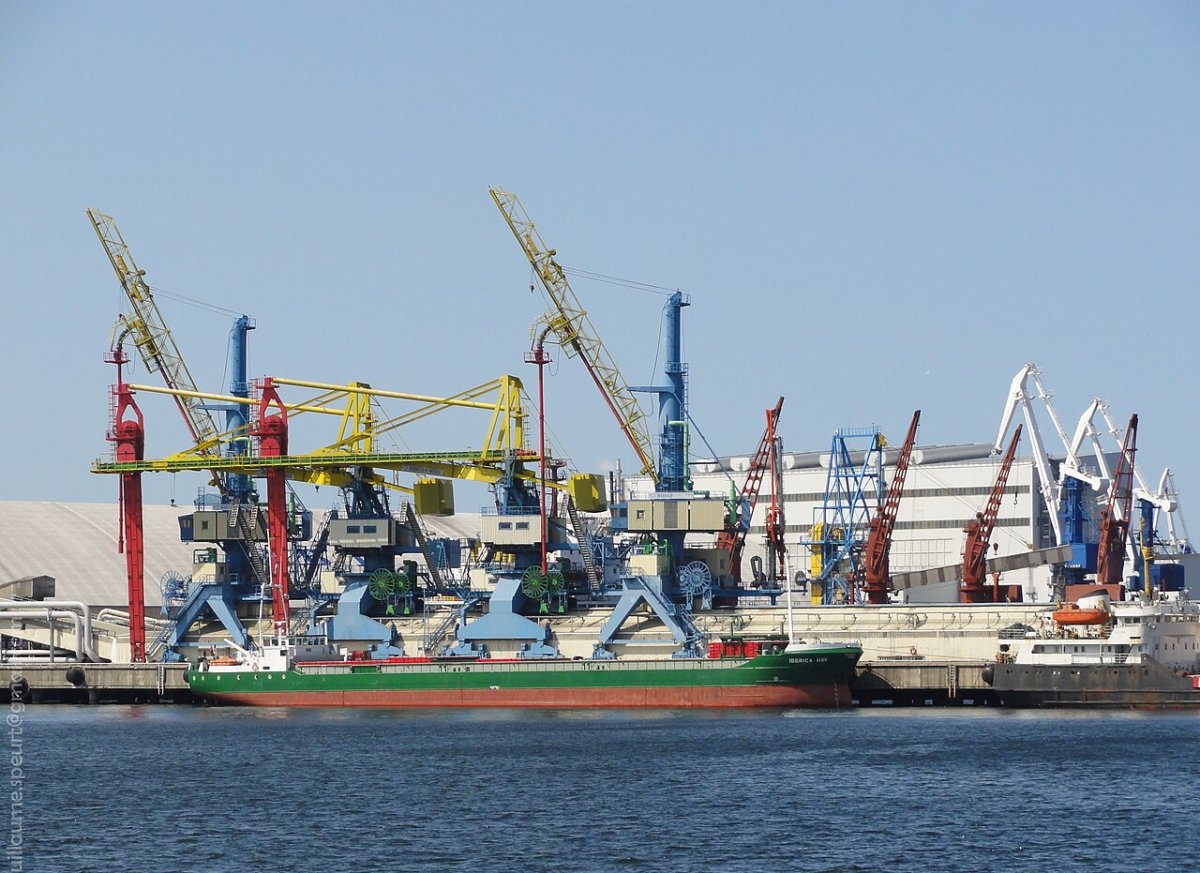
We found no significant coverage of the case in mainstream Slovak or Czech news outlets — yet this is not a local Italian curiosity. The second layer of the case involves a carousel tax fraud scheme: Chinese goods, mainly textiles and accessories, arrived via the Greek port of Piraeus with falsely declared quantities and values, were "spun" through Greek and Bulgarian companies into non-existent Italian firms, and the VAT disappeared along the way. The financial police put the concealed taxes at over 500 million euros and seized assets worth 116 million — including five restaurants, nine properties, and luxury cars. AnconaToday ↗For us, however, the more significant point is the pan-European dimension that the Italian case merely illustrates. According to organized crime experts — Foreign Policy magazine cites criminologist Antonio Nicaso as well as analyses from U.S. intelligence — Chinese "underground bankers" operating out of Milan, Rome's Esquilino district, and the textile hub of Prato have become key players in the black-market supply of cash across Europe: with commissions under two percent and transfers that are nearly untraceable, they also service the cocaine business of the Calabrian 'Ndrangheta and Albanian gangs. Foreign Policy ↗ European authorities are taking action against these networks — Europol announced last year the arrest of providers of such criminal banking services. Europol ↗ The Italian investigation itself was led by the European Public Prosecutor's Office (EPPO) — a new EU body whose members include Slovakia and the Czech Republic. The same type of scheme, and EPPO's jurisdiction, could therefore also reach into our countries.
Limits of this account
La Repubblica is a center-left investigative daily, and its framing of a "Chinese criminal network" should be read with some distance. Most of the accused have not yet been convicted, the case is headed to trial, and the presumption of innocence applies. The figure of five billion euros is the newspaper's own estimate from June 2026; operation "No Name" itself officially documented tax evasion of over 500 million euros and the seizure of 116 million in assets. Caution is also warranted regarding the "Chinese mafia" label — the vast majority of local entrepreneurs have nothing to do with money laundering, and La Repubblica itself stresses that demand for the service came largely from Italian companies.What hotinfo is following
- The trial of those accused in operation "No Name" — whether and when the first verdicts will be handed down.
- Whether the European Public Prosecutor's Office will extend the investigation to other countries along the transit route (Greece, Bulgaria, Germany).
- Further Europol actions against Chinese "underground banking" in the EU.
- Whether scrutiny will also reach Central European wholesale centers dealing in Chinese goods.