



Key actors — tap for context

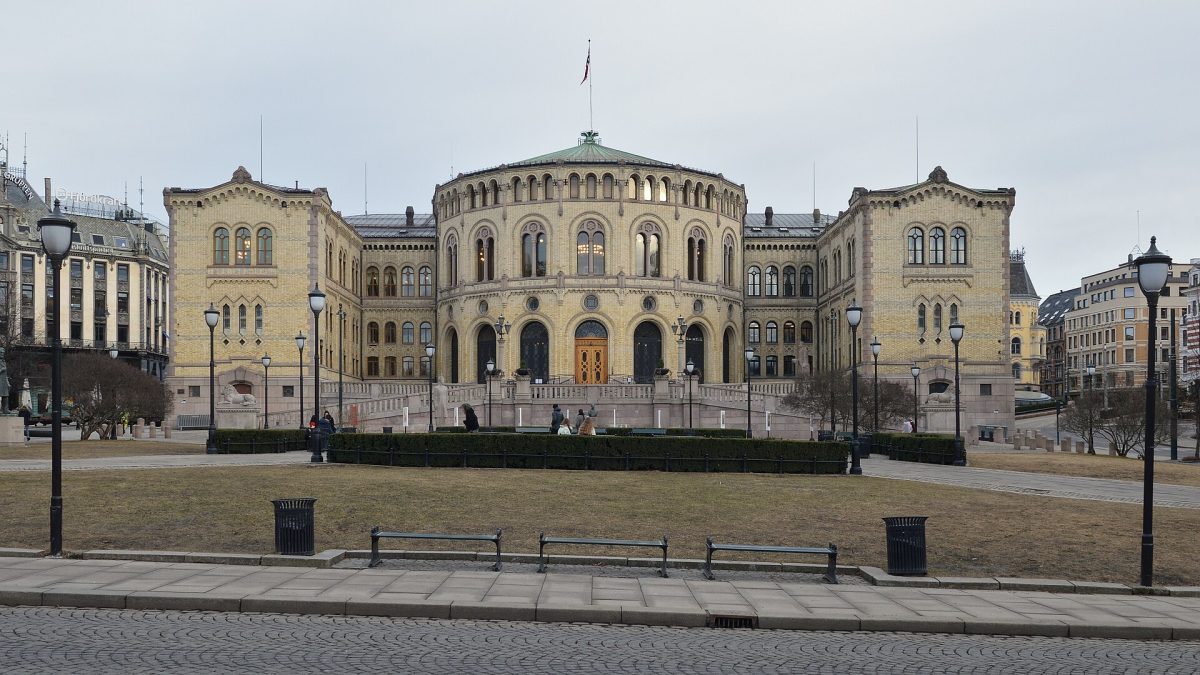
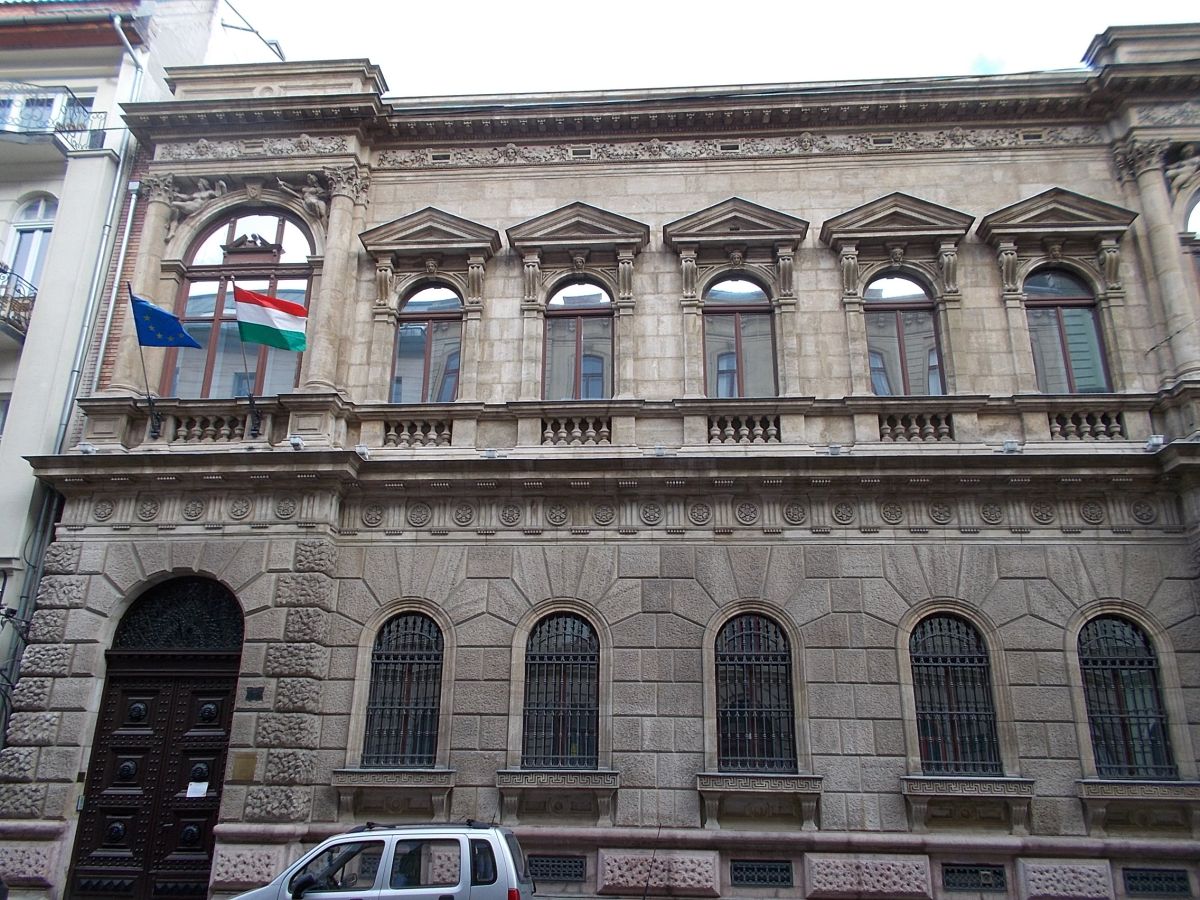
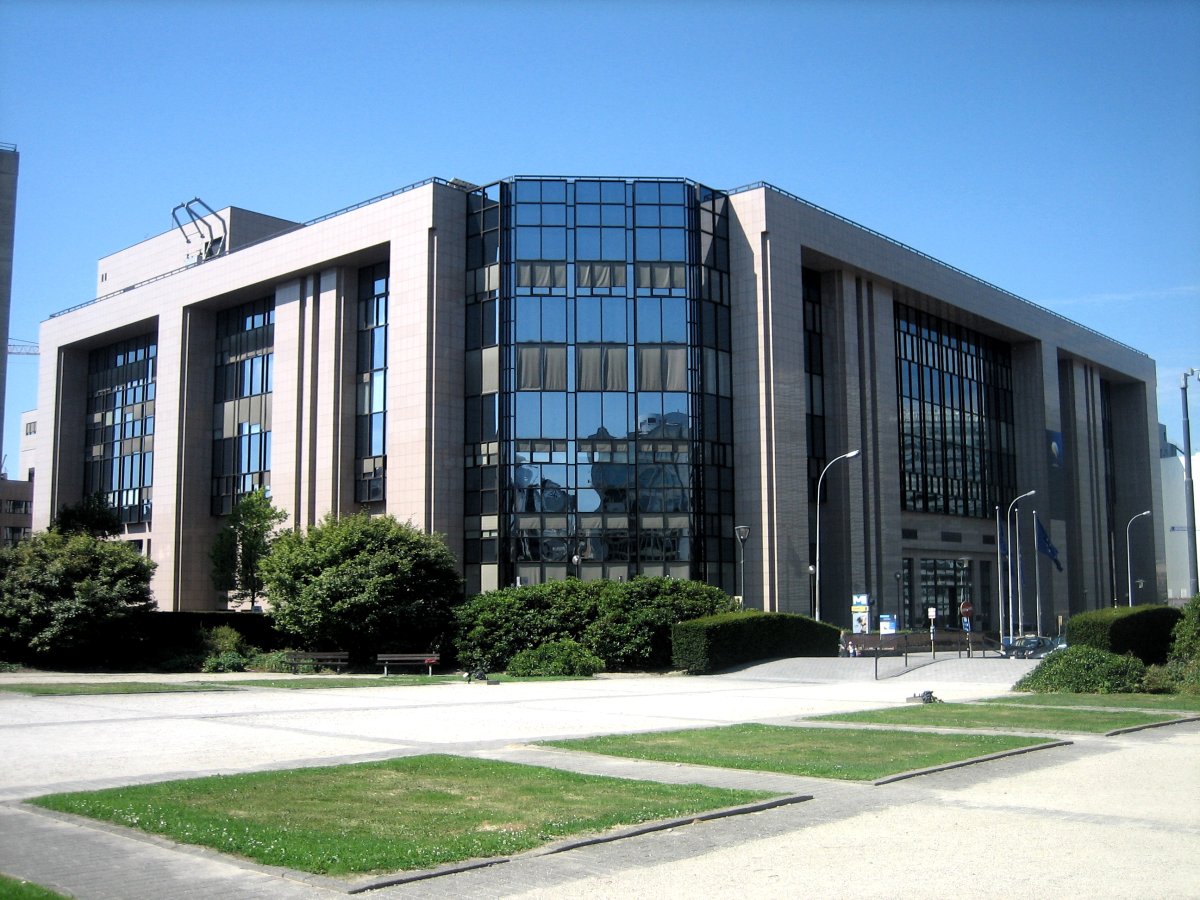
Czech Statistical Office
The central body of the Czech state statistical service, publishes the consumer price index.
Why here: On Thursday it confirmed August inflation at 1.9 percent and also published a harmonized comparison.
More info →Eurostat
The statistical office of the European Union, compiles the harmonized index of consumer prices for member states.
Why here: The source of the flash estimate from which both the Slovak and eurozone figures come.
More info →
National Bank of Slovakia
Slovakia's central bank and part of the Eurosystem, comments on domestic price developments.
Why here: Its analyst explained why August inflation surprised on the downside.
More info →
European Central Bank
The central bank of the eurozone, decides interest rates for twenty-one countries including Slovakia.
Why here: On Thursday it raised rates for the second time this year, with inflation at a three-year high.
More info →
Czech National Bank
The central bank of Czechia, which sets its monetary policy independently outside the eurozone.
Why here: A member of its board did not rule out further rate hikes.
More info →Branislav Karmažin
Macroeconomic analyst at the National Bank of Slovakia.
Why here: Author of the commentary according to which cheaper food is dampening Slovak inflation.
Pavla Šedivá
Head of the consumer price statistics department at the Czech Statistical Office.
Why here: Explained that Czech prices were pushed up by fuel.
Jan Kubíček
Czech economist and university lecturer, a member of the Czech National Bank's board since February 2023.
Why here: Does not rule out further rate hikes and expects higher inflation next year.
More info →Tomáš Volf
Analyst at Citfin, comments on monetary and price developments.
Why here: Author of the analysis that describes the Hungarian model as a warning for Czechia.
In comparable terms, Czechia has lower inflation than Hungary
For Czechia and Hungary, the national consumer price index is most commonly cited, while for Slovakia and the eurozone it is the harmonized index, which is compiled across the whole Union according to common rules. The harmonized figure is also published by both the Czech and Hungarian statistical offices.The difference is not cosmetic. Czechia's national inflation comes out at 1.9 percent, but the harmonized figure is only 1.5 percent, up from 1.3 in July. Hungary, conversely, has a national figure of 1.3 percent and a harmonized figure of 1.8 percent. So in the commonly cited national figures, Hungarian inflation is lower than Czech inflation, while in the comparable European measure it is the other way around. Czech Statistical Office ↗, KSH ↗
Using the same harmonized methodology, Germany comes out at 2.9 percent, Slovakia at 3.1, and the eurozone at 3.3. Among eurozone countries, according to the flash estimate, Lithuania had the highest year-on-year inflation, at 5.8 percent, and Estonia the lowest, at 1.3 percent. Czech Statistical Office ↗
What is pushing Czech prices up and what is pulling them down
According to statisticians, transport is behind the acceleration. Prices of fuels and lubricants rose year-on-year by 26.2 percent, up from 16.8 in July. "The significant rise in fuel prices was partly offset by a decline in food prices. For example, diesel was sold at filling stations in August for an average of 44.98 crowns per liter, the highest value since October 2022," said Pavla Šedivá, head of the office's consumer price statistics department. Transport had the greatest impact on the year-on-year rise in the price level, followed by housing, where rents became more expensive by 6.1 percent. Czech Statistical Office ↗Food moved in the opposite direction. Pork became cheaper by 23.7 percent, after a 16.6 percent decline in July, poultry by 8.3 percent, and cheese by 5.2 percent. Cured meats shifted from a July increase to a decline. The overall level of consumer prices in Czechia rose month-on-month by 0.3 percent. Czech Statistical Office ↗
However, the low figure may not last. Jan Kubíček, a member of the Czech National Bank's board, said in an interview for Novinky that high interest rates, and the more expensive mortgages that come with them, will still have to be endured for some time, and that inflation could jump above three percent next year, among other things due to more expensive energy. He did not rule out further rate hikes. Novinky ↗
Cheaper food is dampening Slovak inflation
According to Eurostat's flash estimate, Slovak inflation slowed slightly in August, from 3.2 percent in July to 3.1 percent, the lowest since September 2024. According to Branislav Karmažin, a macroeconomic analyst at the National Bank of Slovakia, the lower-than-expected August inflation was driven almost exclusively by food, whose prices reflected the falling cost of agricultural commodities. This is most visible in milk, dairy products, oils, and fats. TASR ↗Core inflation, measured in his commentary by the prices of services and industrial goods excluding energy, was according to him running close to 3.5 percent and should stay there until the end of the year. In September, he expects overall inflation to accelerate slightly to 3.2 percent, as the effect of cheaper food starts to fade, and an average for the whole year of around 3.6 percent. According to him, food prices could be pushed up by more expensive energy on the wholesale market and by the effects of the drought, which reduced the harvest of some crops. TASR ↗
Energy is lifting inflation in the eurozone
Energy prices in the eurozone rose year-on-year by 14.3 percent in August, up from 10.3 percent in July, and according to a wire-agency analysis contributed the most of any component to the rise in overall inflation. The year-on-year growth in service prices, by contrast, slowed from 3.3 percent in July to three percent, and the growth in the prices of food, alcohol, and tobacco stayed at 1.2 percent. TASR ↗ Behind the rise in energy prices is the conflict in the Middle East, which was set off at the end of February by US-Israeli strikes on Iran. Hospodárske noviny ↗In Germany, harmonized and national inflation both stood equally at 2.9 percent. According to the statistical office, a higher rate was last recorded in December 2023, when it reached 3.7 percent. Motor fuels became more expensive by 27.7 percent and heating oil by almost half, while food prices rose by only 0.1 percent. The Ifo Institute estimates an average of 2.8 percent for the whole of 2026 and three percent for next year. SME ↗
Frankfurt, not Bratislava, decides on Slovak interest rates
While Czechia sets its own interest rates through the Czech National Bank, Slovak mortgages are affected by the European Central Bank. On Thursday it decided to raise rates, as analysts had expected ahead of the meeting. According to its own overview of key rates, the deposit rate will rise by a quarter of a percentage point to 2.50 percent, the main refinancing rate to 2.65 percent, and the marginal lending rate to 2.90 percent, effective from September 16. European Central Bank ↗This is the second increase this year. In June, the bank raised rates for the first time in almost three years, to 2.25 percent, and left them unchanged at the July meeting. Hospodárske noviny ↗
For Slovak households, according to analysts at Across Private Investments, this means a longer period of more expensive mortgages, with the changes first showing up in new loans and among households whose fixed-rate period is ending. Trend ↗
Hungarian inflation and the role of price regulation
Hungary's statistical office reported national inflation of 1.3 percent for August, an acceleration from 1.2 percent in July. That July figure was the lowest since November 2016. Hungarian inflation has exceeded the two-percent threshold only twice this year, in January and April, each time reaching 2.1 percent. According to the Hungarian office's breakdown, prices in the food group fell year-on-year by 1.4 percent. TASR ↗, KSH ↗Behind the overall figure, however, lies an opposite movement. According to the Hungarian office's national breakdown, the year-on-year growth in service prices accelerated from 4.7 percent in July to five percent. The growth in the prices of alcohol and tobacco also accelerated. TASR ↗
Tomáš Volf, an analyst at Citfin, noted in a commentary for Hospodářské noviny that as recently as early 2023, Hungary had the highest inflation in the Union, at over 25 percent. He described today's figure as more of a political trick paid for by the state than a miracle. Hungarian households have regulated electricity and gas prices up to a set limit, and for selected food and drugstore items the state limits trade margins. According to him, lower inflation is also helped by a strong forint, weak domestic demand, and a higher base for comparison. Hospodářské noviny ↗
"The costs haven't disappeared. It's just that the customer isn't allowed to pay for them directly," Volf wrote. According to him, the state compensates for part of the energy costs, companies have lower revenues and profits, and public budgets collect less in value-added tax and income taxes as well. As a warning, he cited the development of fuel prices in Czechia, where after regulation ended, prices rose by as much as five crowns per liter within fourteen days. Czech carriers are calling for fuel regulation, and according to Volf, the government has already intervened in fuel margins this year. According to him, it should not repeat this. Hospodářské noviny ↗
Limits of this view
The national index and the harmonized index are not the same thing, and the difference between them does not have a single universal explanation. They differ in expenditure coverage, the weights of individual items, and the method of calculation, with the treatment of owner-occupied housing costs being a significant distinction in Czechia. This explanation cannot automatically be transferred to Hungary, which has its own methodological deviations. When comparing countries, the same index should therefore be used. Czech Statistical Office ↗The data for Slovakia and the eurozone are, moreover, flash estimates, not final figures, and the office describes the Czech harmonized figure as a preliminary calculation. Eurostat plans to publish the complete set of August data on September 17. The difference between countries also does not say anything about the price level, but about the pace of its change over a year, so it does not answer the question of where things are more expensive. And a higher base for comparison can lower year-on-year inflation even without prices actually falling at present.
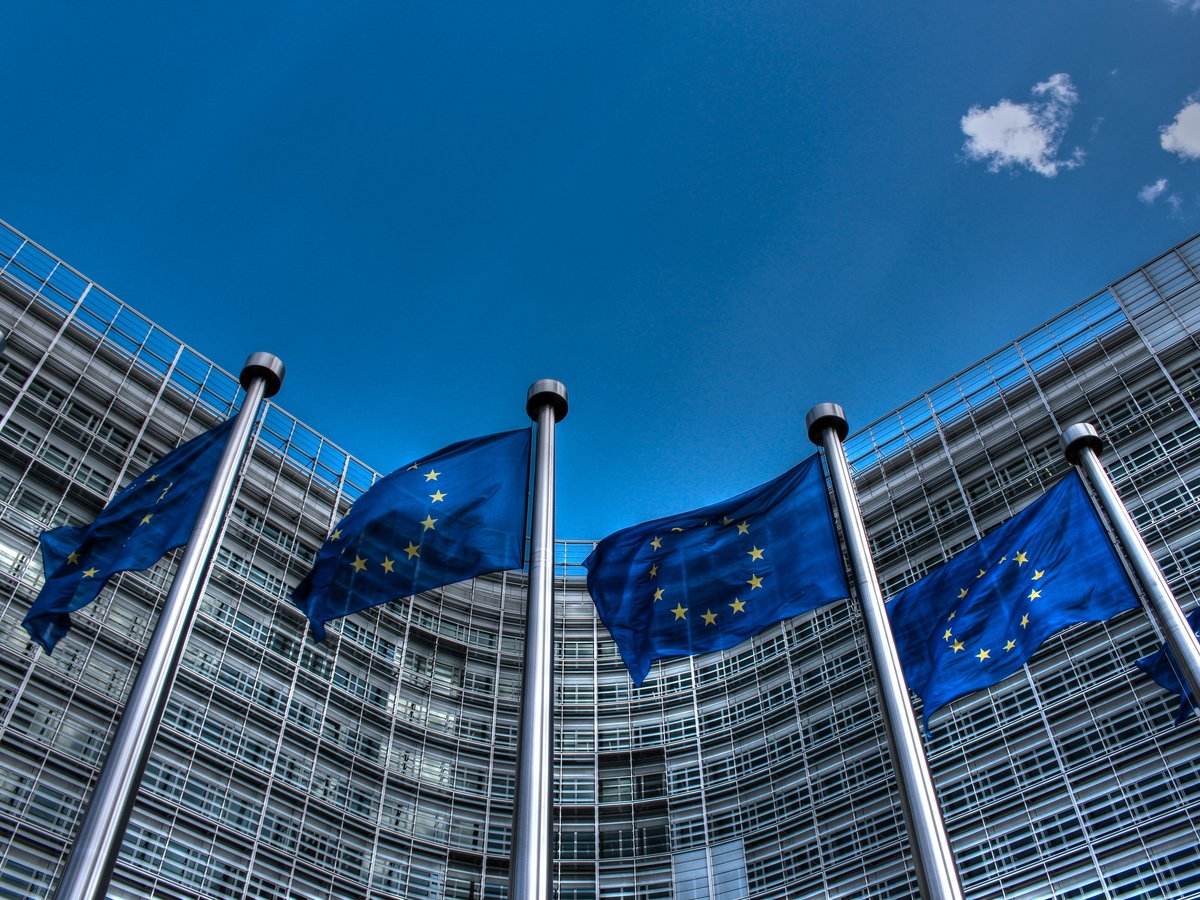
Ilustračná fotka: the headquarters of the European Central Bank in Frankfurt am Main. Author: DXR, license CC BY-SA 4.0. Wikimedia Commons ↗
What hotinfo is watching
- Eurostat confirmed August euro area inflation at the flash estimate of 3.3 percent
- Slovak inflation accelerated to 3.2 percent in September, as the National Bank of Slovakia analyst expects
- The European Central Bank raised rates again at its December meeting
- The Czech National Bank raised interest rates again
- The Czech government introduced the new fuel price regulation sought by hauliers
- Hungary decided on extending or scrapping energy price regulation and margin caps on selected foods