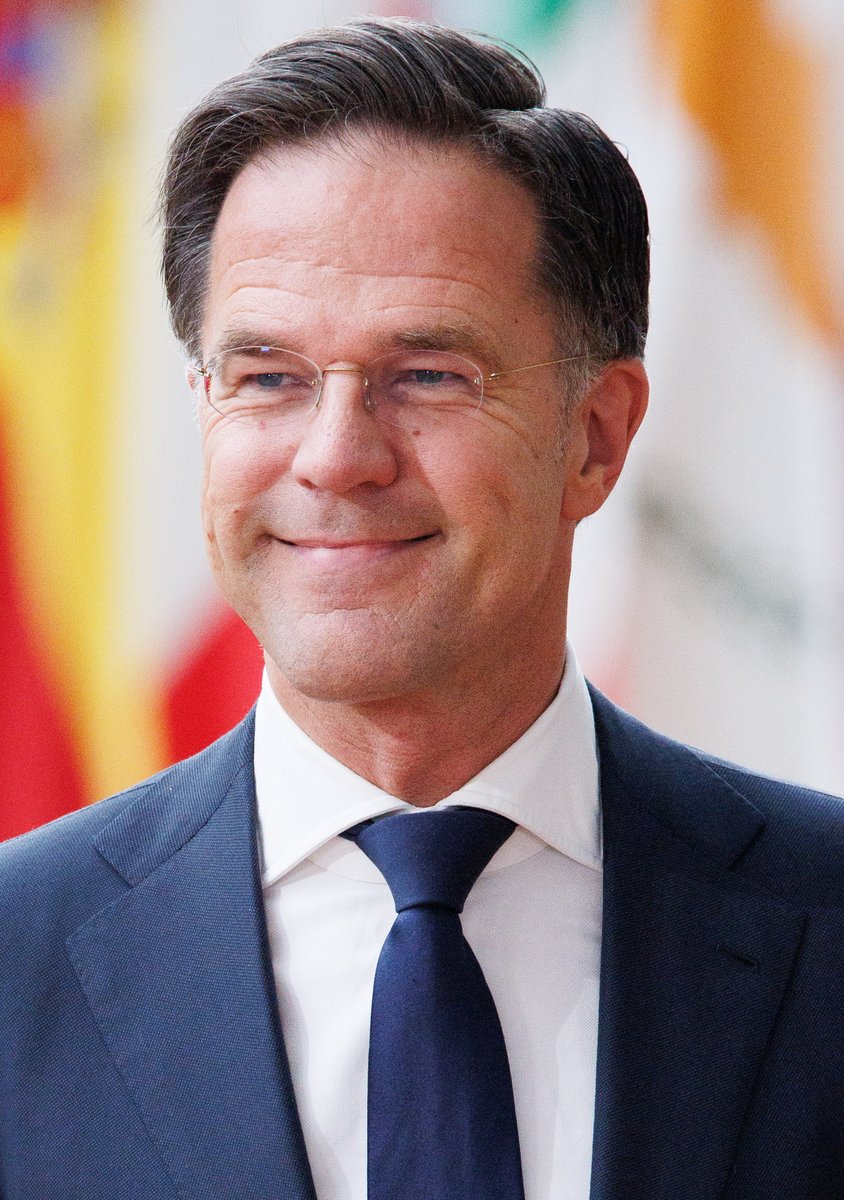

That same Monday, however, also revealed the limits of this ambition. According to the Kyiv Post, major NATO states blocked Secretary General Mark Rutte's plan to boost military aid to Ukraine. Europe talks about independence more easily than it pays for it.
Security: Europe steps up for the mediator role
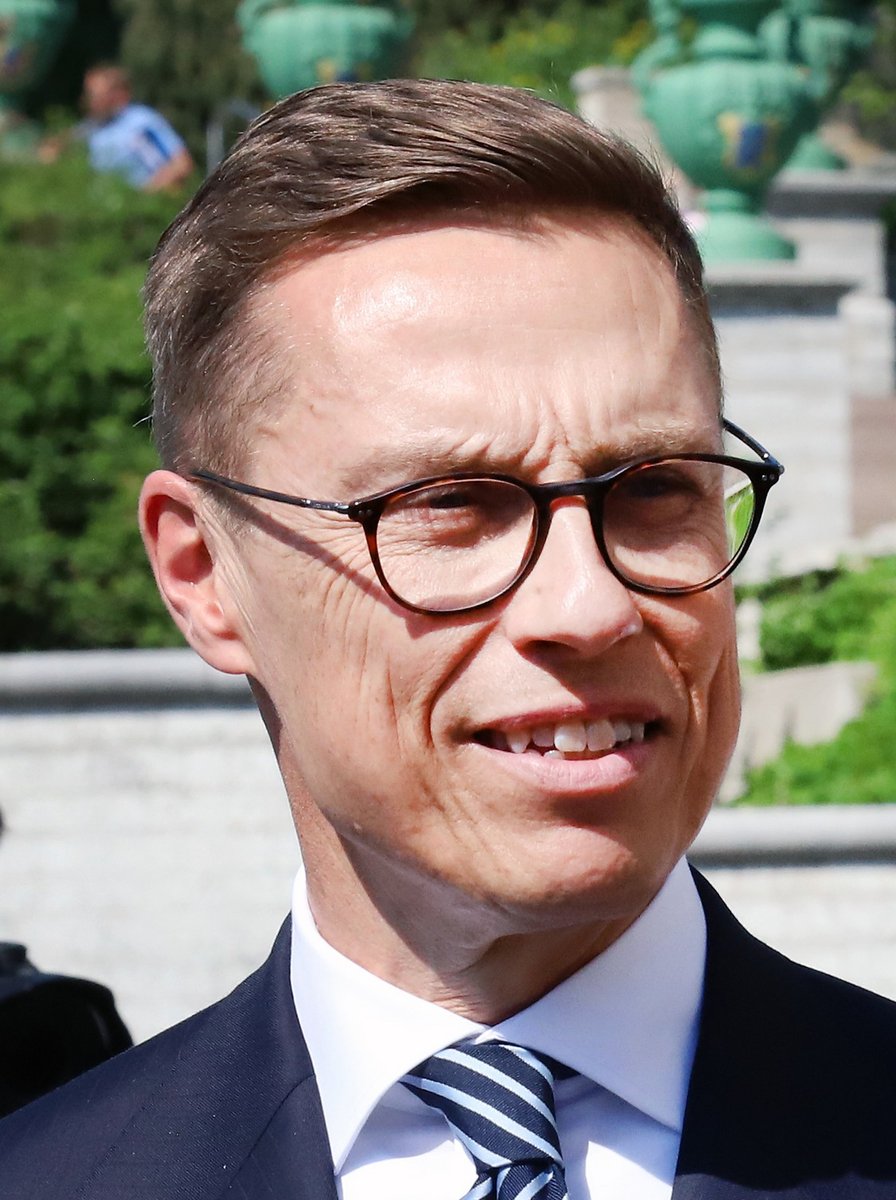
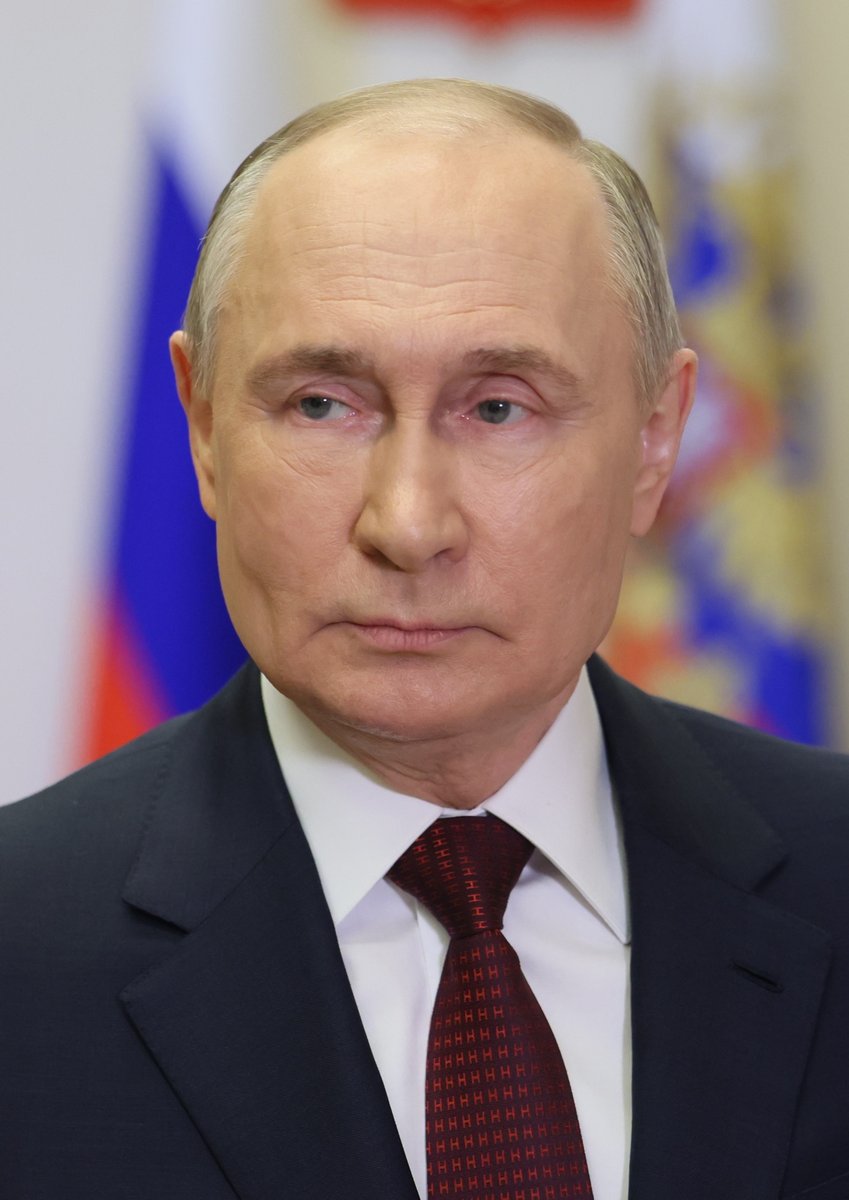
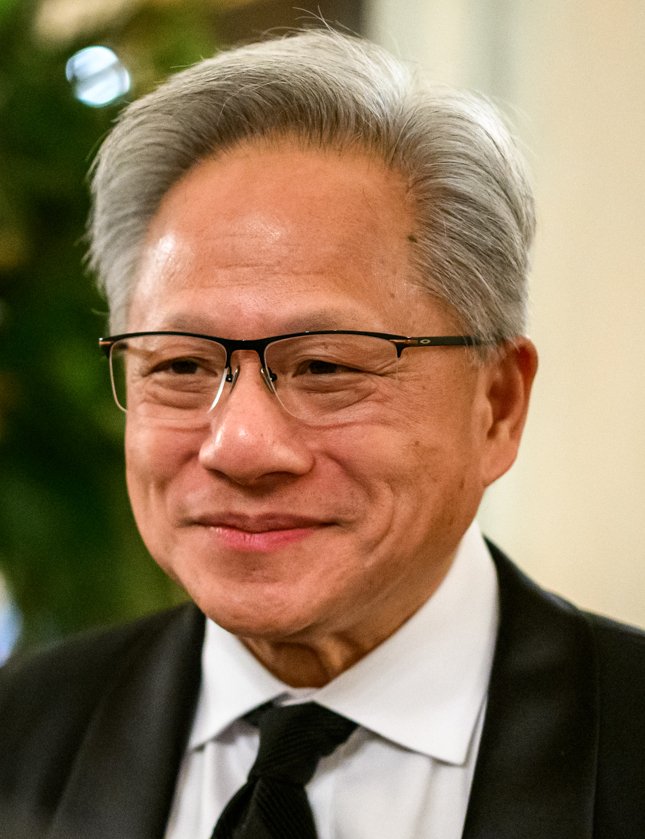
Stubb, president of a country that only joined NATO in 2023, declared he is ready to represent Europe in negotiations to end the war. Ukrainska Pravda ↗ The Dutch daily ranked it among the day's top stories. de Volkskrant ↗The role of mediator between Kyiv and Moscow had for years belonged to Washington. A European leader's offer signals concern that decisions about peace on the European continent could be made over the heads of Europeans themselves, and an effort to prevent that.
Weapons and space: the state returns as investor
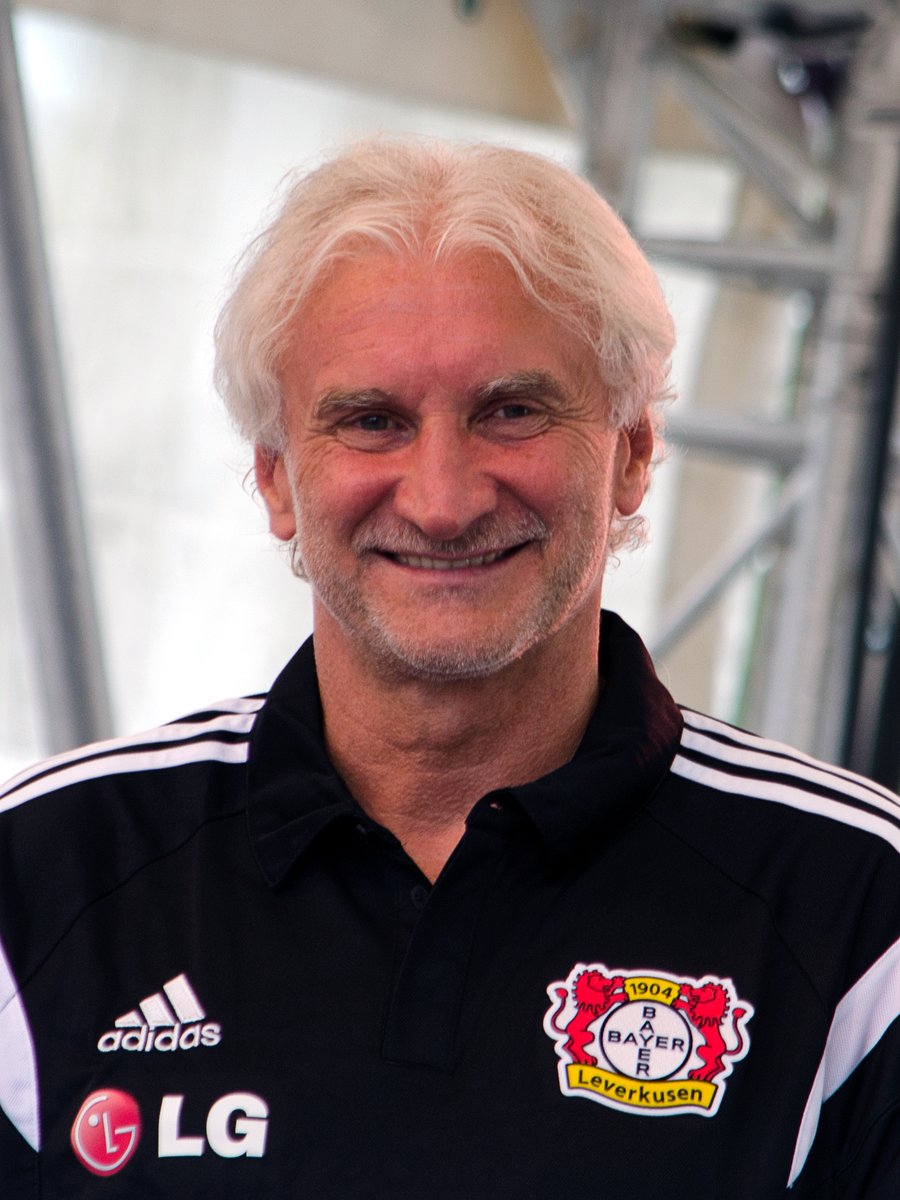
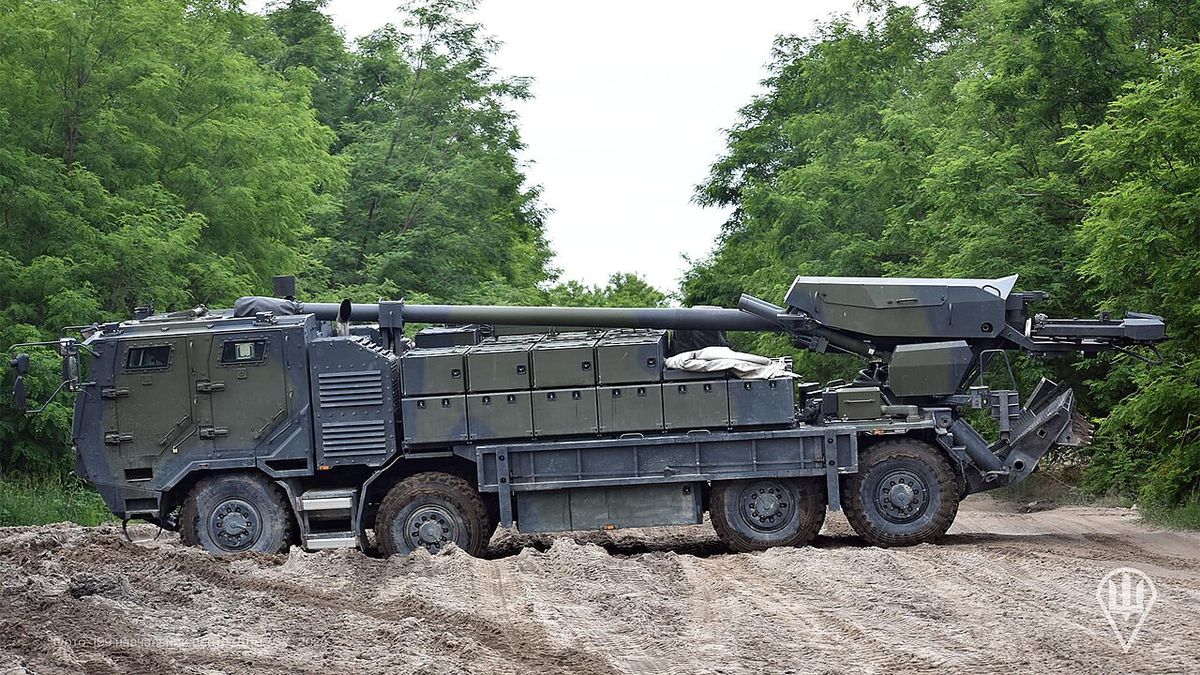
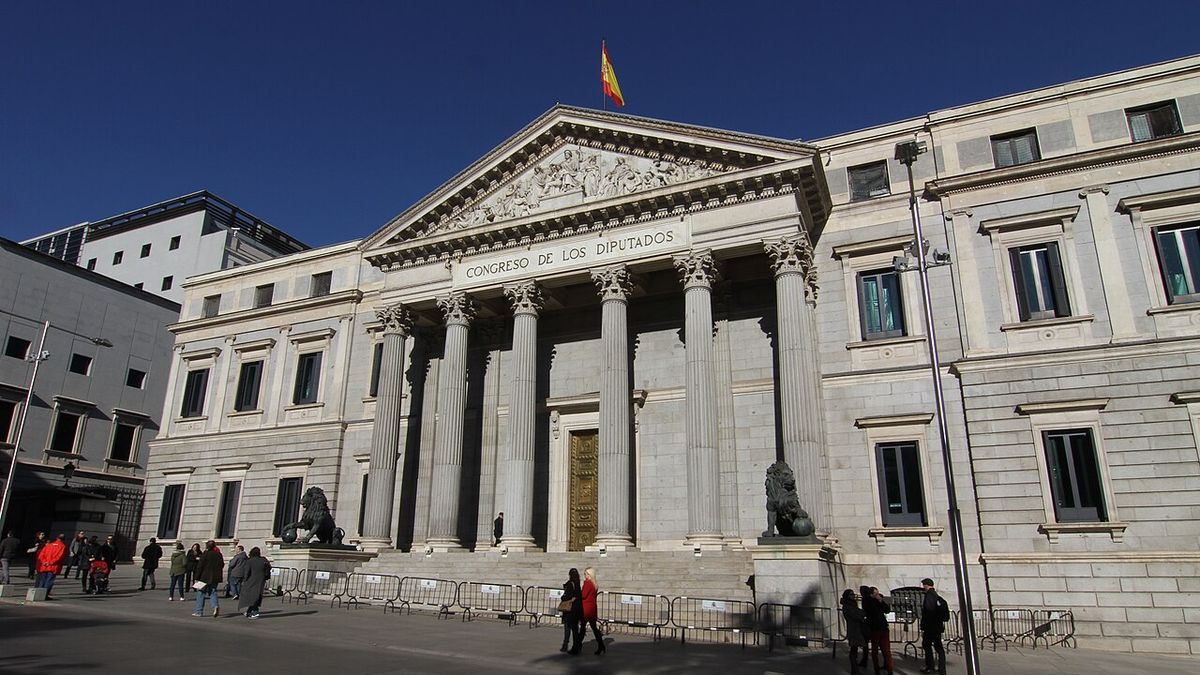
In Germany, a country built on ordoliberalism and the motto "prosperity through competition," the state is preparing to take a stake in arms manufacturer KNDS, maker of the Leopard tank. In a commentary, Süddeutsche Zeitung argues this is the right move, one meant to secure key technology and keep Germany on par with France. Süddeutsche Zeitung ↗A similar motif emerged outside the arms industry as well. The director general of the European Space Agency is demanding that Europe be able to reach space without the United States, warning that "there is no room for delays." He made his position public ahead of a June meeting with member states. Público ↗
Trade: protecting the market without the American umbrella
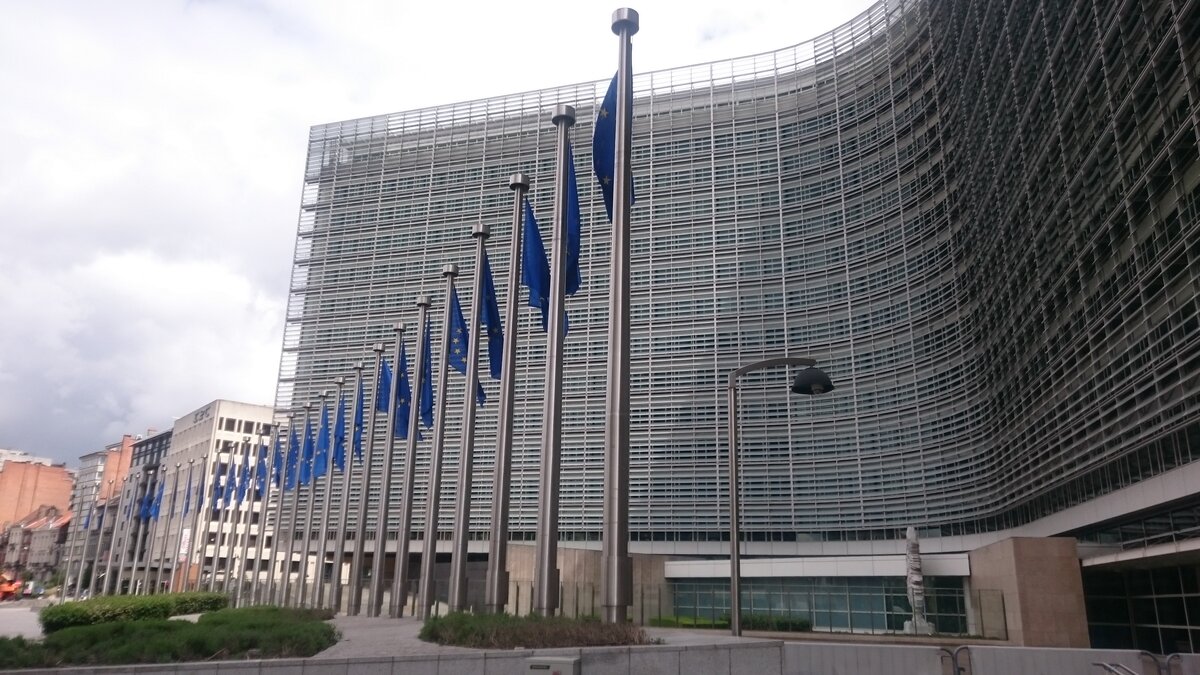
The third signal came from trade. Five EU countries, including Italy, are demanding tools to better protect the common market. Il Sole 24 Ore ↗ The debate is unfolding against a backdrop of concerns about Chinese competition. On the same day, Corriere della Sera asked why Europe is afraid to defend itself as China "devours" its domestic industry. Corriere della Sera ↗At a time when the United States under Donald Trump is reaching for tariffs and turning away from its role as guarantor of open trade, Europe is debating its own defense mechanisms. The question is whether it will stick to tariff tools or also reach for direct support of strategic sectors, as with arms manufacturing.
But unity is still missing
The appealing image of a self-confident Europe has a crack in it. On the same day that three stories spoke of independence, a fourth revealed its limits. According to the Kyiv Post, major NATO member states blocked Rutte's plan to increase military aid to Ukraine. Kyiv Post ↗This is exactly where the difference between rhetoric and budget shows. Declaring autonomy is cheap. Paying for it, as Washington withdraws, is more expensive, and European capitals are hesitating over it. The ambition to stand on one's own feet runs into the question of who will pay for it.
What this means for Slovakia
Slovakia is part of all four frameworks at once. It is a member of both NATO and the EU, cooperates with the European Space Agency, and is subject to the Union's common trade policy. Decisions on whether Europe builds its own backbone in arms, space, and trade will therefore directly affect Slovak industry and exporters as well.For a small country, the question of "Europe without America" is more existential than for large states. Slovakia cannot feed or defend itself alone. It will either have a solid European framework to rely on, or it will remain on the margins of decisions made by others. That is precisely why it matters to watch whether Monday's signals turn into a strategy, or remain just a series of disjointed gestures.