




What taz writes
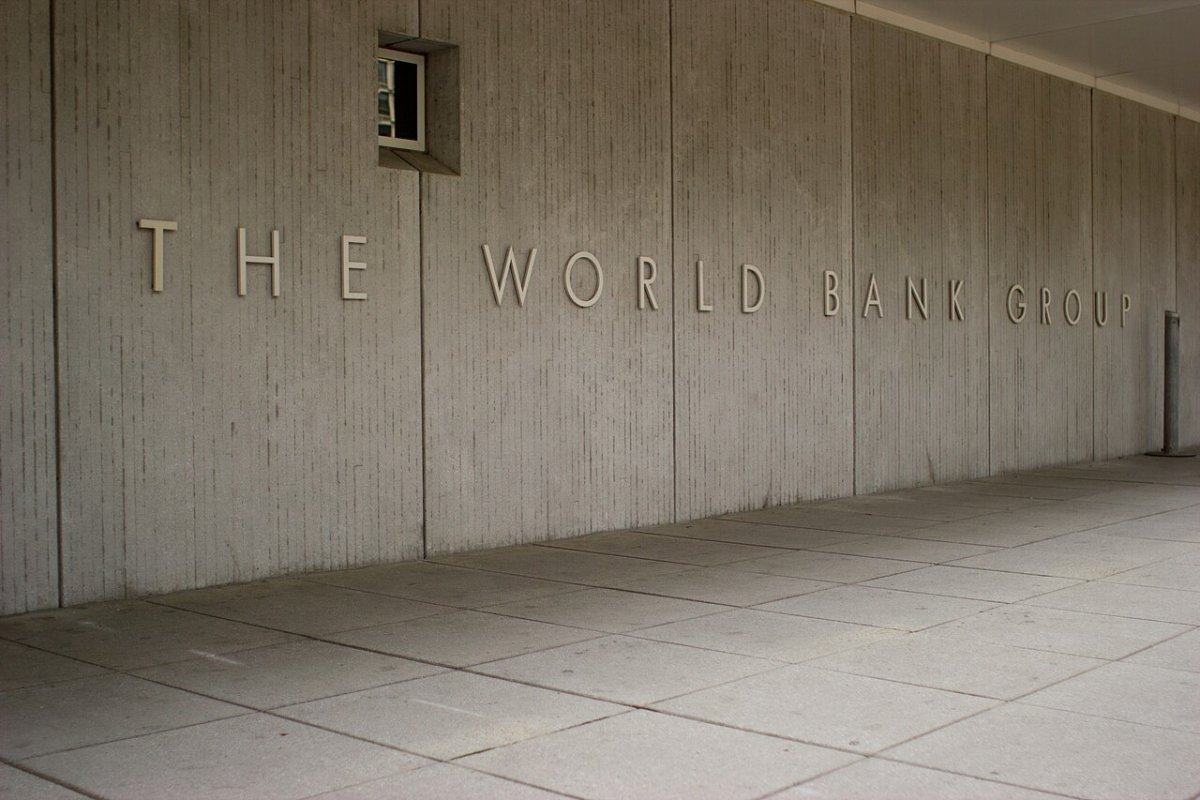
The Berlin daily's headline leaves no room for doubt: "Under US pressure — World Bank significantly weakens climate plans." taz emphasizes that Washington, as the bank's largest shareholder (controlling nearly 16 percent of the votes), wanted to let the climate action plan expire entirely — without an active decision, it would have lapsed at the end of June. The plan ultimately survived formally, but lost its quantitative core. taz ↗ France24 ↗The paper frames the decision as a moral failure by an institution whose job is to fight poverty precisely where the climate crisis is destroying livelihoods. It gives space to NGOs that have monitored the bank for years. "It was a close call — we're relieved, but there's no sense of joy," said Ute Koczy of Urgewald. "Climate protection at the World Bank will from now on be written with a small letter. That's a disgrace given the pace of warming." Germanwatch speaks of "great concern." So taz isn't writing about modernization — it's writing about retreat.
What differs from the Slovak coverage
Slovakia's Trend picked up a ČTK report under the factual headline "World Bank fundamentally changes its approach to climate projects," with a subheading stating that the new goal is "to support economic growth and job creation." There, the change sounds like a rational recalibration. Trend ↗ Berlin's taz reads the very same shift in the opposite way — as a retreat in the face of the White House.The key lies in what the Slovak version leaves out: who pushed for the change, and why. US Treasury Secretary Scott Bessent publicly criticized the bank's "myopic" focus on climate targets, arguing that it distorts economic decision-making and steers projects away from affordable, reliable energy — including natural gas, oil and coal. SRF ↗ Opposing this, according to Reuters, was a coalition of nearly a hundred, mostly developing, countries led by France, which wanted to keep the commitments in place. Paradoxically, India — the bank's largest recipient of climate loans, with billions of dollars at stake — ultimately abstained from the vote. Reuters ↗
Limits of this perspective
taz is a reader-owned cooperative daily with no paywall — and it approaches climate as an engaged, advocacy-minded outlet. It reads almost every energy-related move by the World Bank as a betrayal of climate commitments and mentions the counterargument only in passing. Yet that counterargument is not trivial. The bank insists that "smart development" will judge projects by their outcomes rather than a climate label, and the action plan formally continues — last year the bank even exceeded it, reaching 48 percent climate financing. Proponents of the change argue that rigid quotas can divert money away from the cheap energy and growth that poor countries need. And the split among shareholders wasn't simply "the US versus the rest of the world": India, the largest recipient of climate loans, and Japan both ultimately abstained rather than voting against.What hotinfo is tracking
- Whether "smart development" without quotas will sustain the volume of climate financing — the bank's first project-level data.
- The response of France and the coalition of nearly a hundred countries at the World Bank and IMF's autumn annual meeting.
- Whether the bank actually expands natural gas financing following Bessent's call to do so.
- The fate of Indian climate projects, with billions of dollars at stake, after the quotas were scrapped.
- Whether other development banks (EBRD, ADB) will likewise give way under the same US pressure.
Key actors — tap for context

Svetová banka
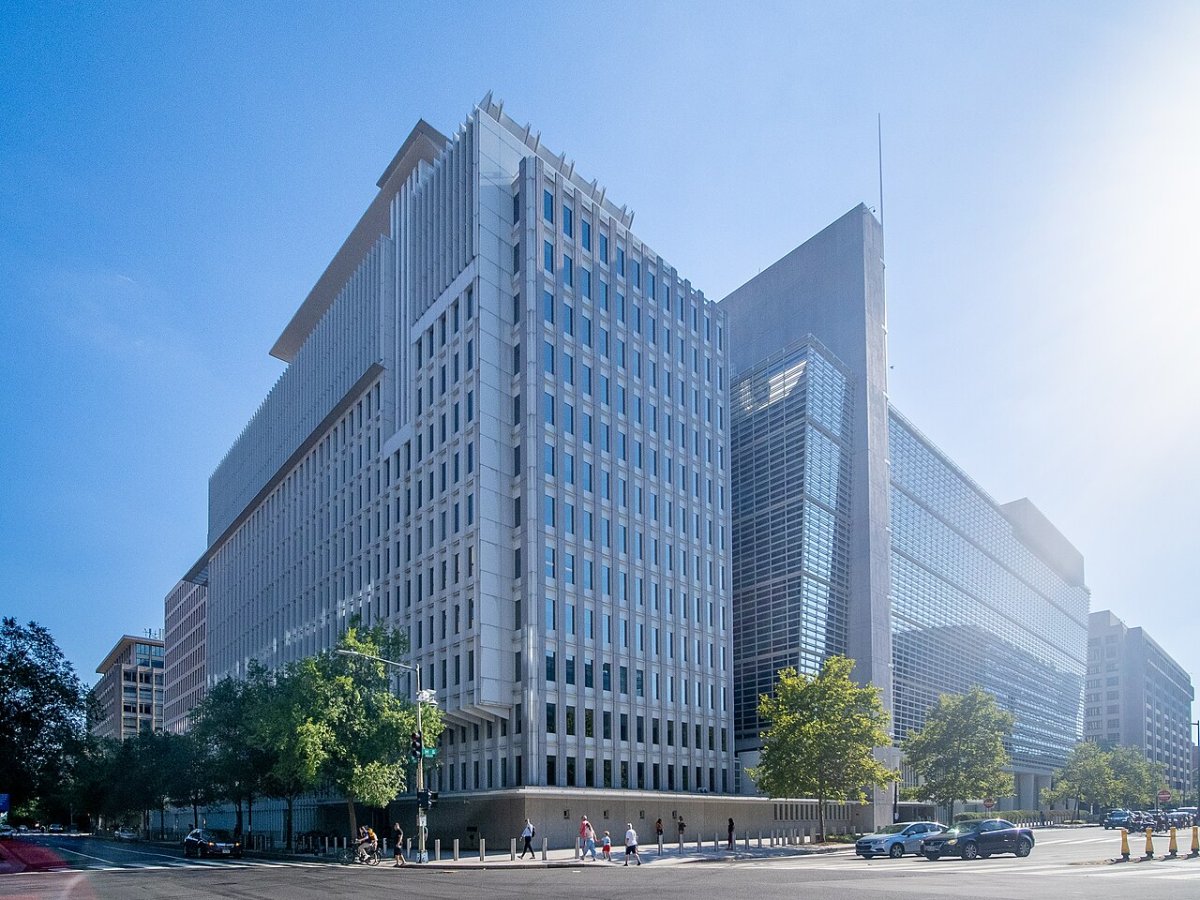
Specialized United Nations agency headquartered in Washington, the world's largest provider of development loans
Why here: Scrapped its quantitative climate lending targets
More info →
Ajay Banga
Indian-American executive, President of the World Bank since 2023, former CEO of Mastercard
Why here: Defends the change as "smart development" focused on growth
More info →
Scott Bessent
US Treasury Secretary in the Trump administration
Why here: Publicly pressured the bank to abandon its "myopic" climate targets
More info →
Donald Trump
President of the United States, the World Bank's largest shareholder
Why here: His administration wanted to let the climate plan expire
More info →