
Key actors — tap for context

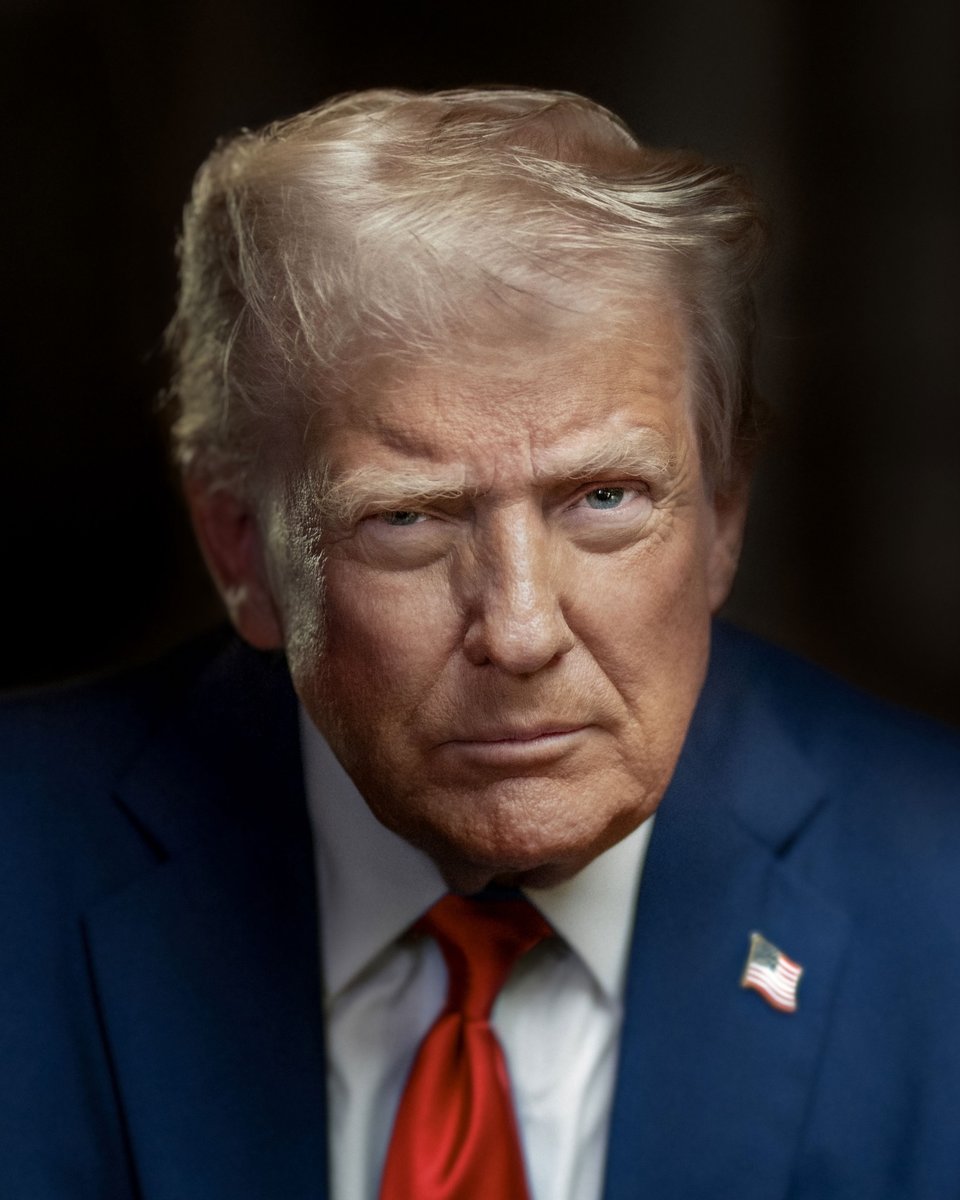
Jared Kushner
American real estate developer and Donald Trump's son-in-law, head of the investment firm Affinity Partners
Why here: his projects are at the core of America's dollar deals in the Balkans
More info →
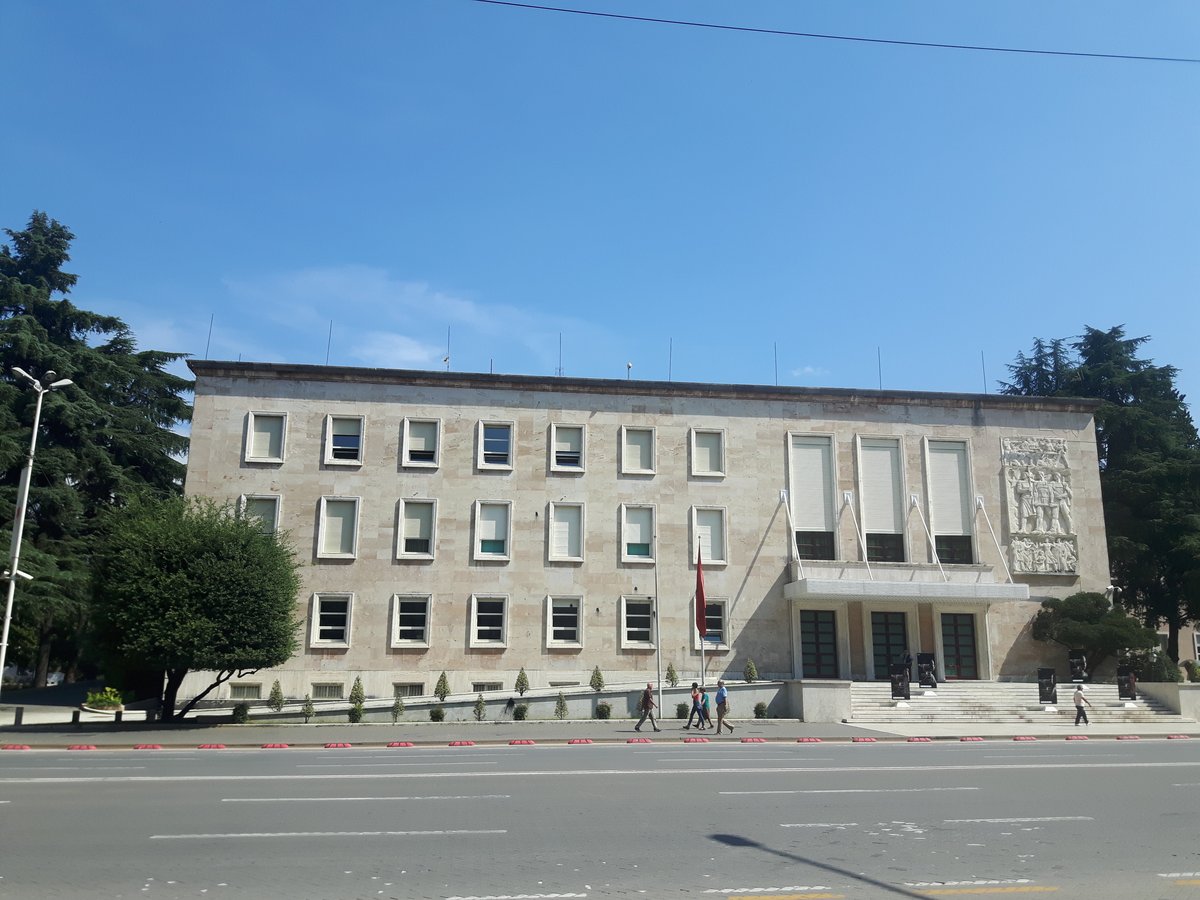
Edi Rama
Albanian Socialist prime minister, in office since 2013
Why here: declared Kushner's resort a "strategic" project and refuses to halt it
More info →
Aleksandar Vučić
president of Serbia since 2017, founder of the Serbian Progressive Party
Why here: lost both the Belgrade Kushner project and the chance to win favor with the White House
More info →
Milorad Dodik
longtime leader of Bosnian Serbs and former president of Republika Srpska
Why here: the US lifted his sanctions at the time he supported an American pipeline
More info →
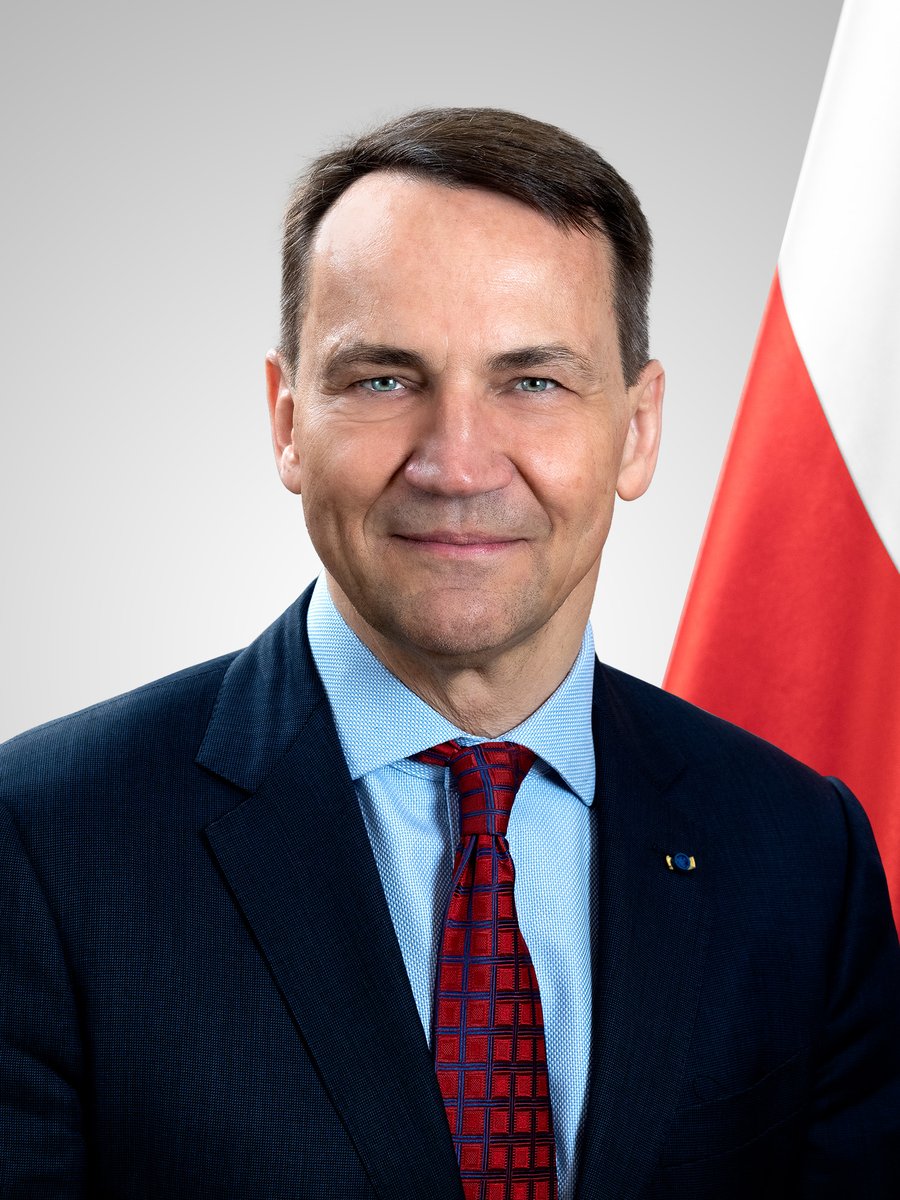
Christian Schmidt
German politician and High Representative for Bosnia and Herzegovina, overseeing compliance with the peace agreement
Why here: announced his resignation in May (remaining in office until a successor is appointed) and speaks of pressure from the US
More info →
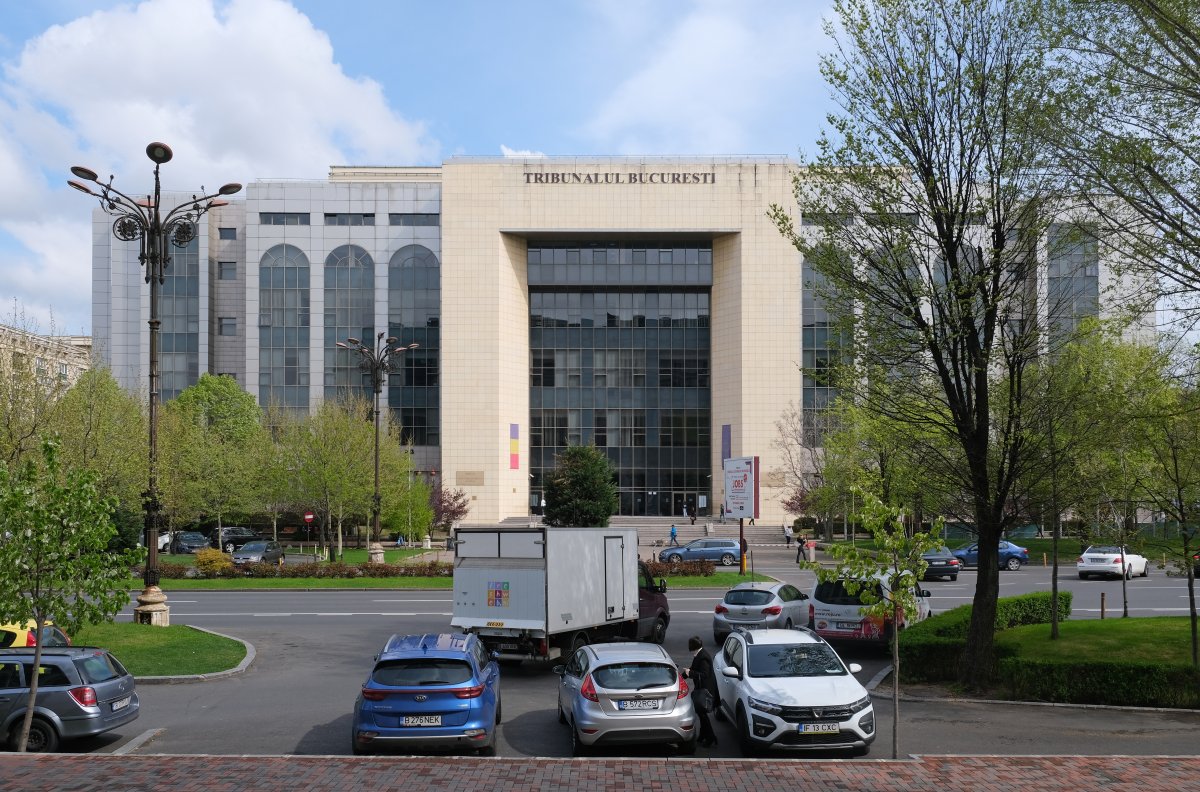
Nikola Selaković
Serbian minister of culture
Why here: accused of falsifying documents related to the Belgrade project, awaiting trial
More info →Affinity Partners
American investment firm owned by Jared Kushner
Why here: behind the resorts in Albania as well as the canceled project in Belgrade
More info →What NZZ says
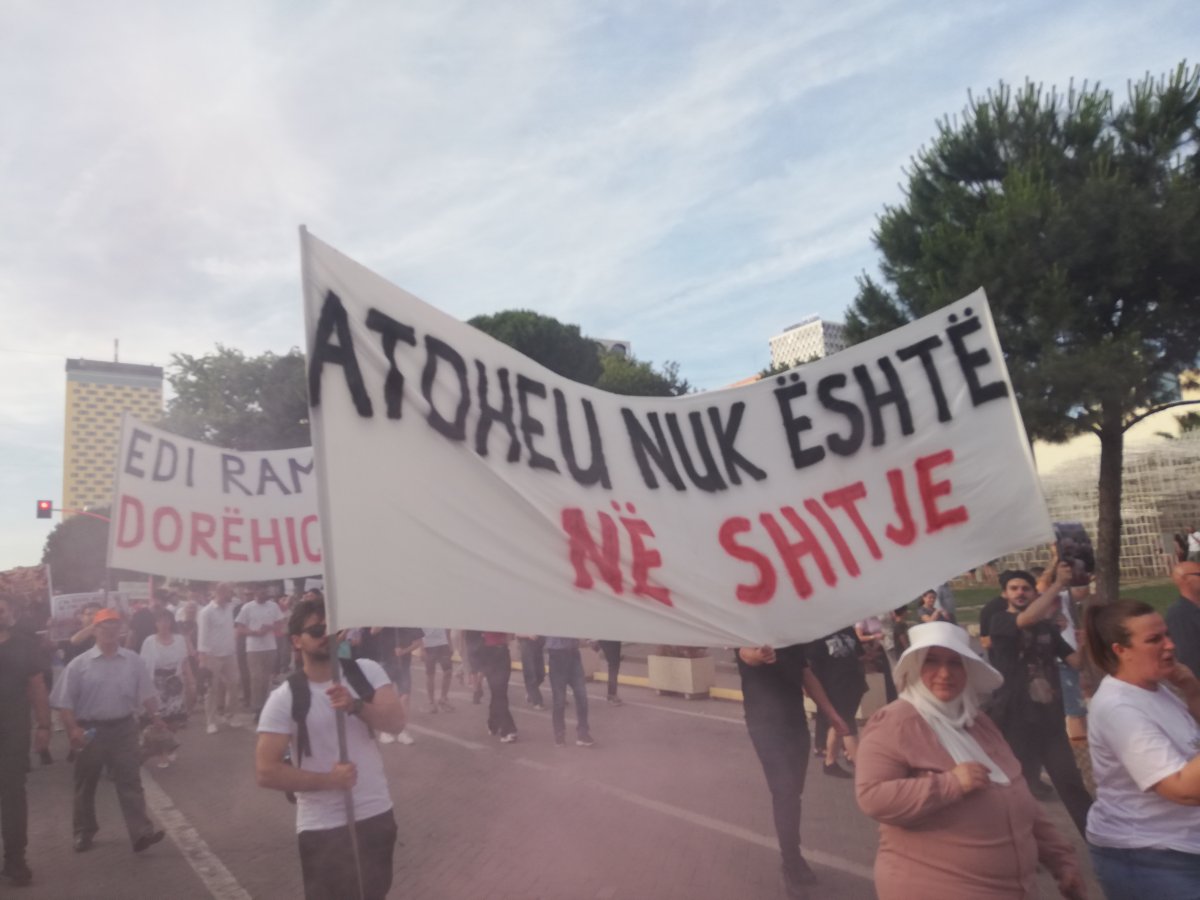
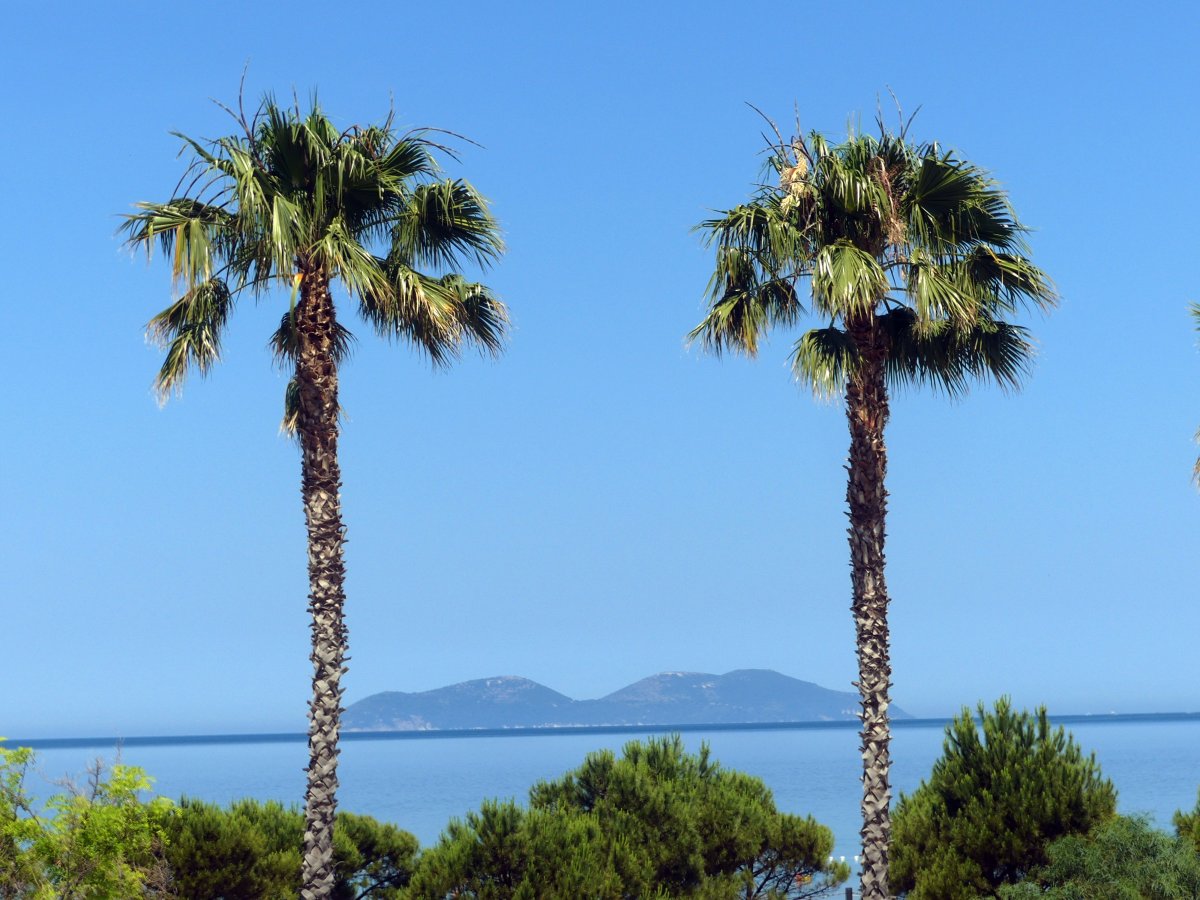
NZZ pieces together three seemingly unrelated cases into a single pattern. In Albania, Kushner's firm Affinity Partners plans to build a resort for billionaires on the uninhabited island of Sazan and on the mainland near Zvernec — complete with a marina, infinity pools, and five-star hotels. NZZ calculates the value of the entire project, including the mainland portion, at €4.6 billion; wire service reports tend to cite a more modest figure covering just the island of Sazan alone. Prime Minister Edi Rama declared Kushner a "strategic investor," granting him access to state land without a public tender, even though part of the land lies within a protected wetland near the Narta lagoon. NZZ ↗ Al Jazeera ↗In Serbia, Kushner was to build a luxury complex worth €470 million on the ruins of the former army general staff building, which NATO bombed in 1999. The project collapsed at the end of 2025, when Serbian prosecutors charged Culture Minister Nikola Selaković and other officials with falsifying documents that had illegally stripped the former general staff site of its heritage protection status, clearing the way for Kushner's project. President Aleksandar Vučić was furious at losing both the investment and the hope of winning favor with the White House: "Now we're left sitting on a ruin." NZZ ↗ AP ↗
In Bosnia, it's not about resorts but infrastructure: according to NZZ, a €1.38 billion pipeline from the Croatian terminal on the island of Krk, plus three gas-fired power plants (RFE/RL cites a more modest estimate of around one billion euros). The contract went to a company that NZZ links to circles close to Trump; the paper notes that considerable evidence suggests the US lifted long-standing sanctions against Bosnian Serb leader Milorad Dodik in exchange for his support of the project. Also tied to the project is the May resignation of the High Representative for Bosnia, Christian Schmidt, who remains in office until a successor is appointed and speaks of intense pressure from the US. According to NZZ, these economic projects serve as leverage: tourism to curb Chinese expansion, the pipeline to break Russian dominance in the energy market, in which Beijing, according to NZZ, has invested more than €32 billion since 2009. NZZ ↗ Balkan Insight ↗
What's new compared to Slovak coverage
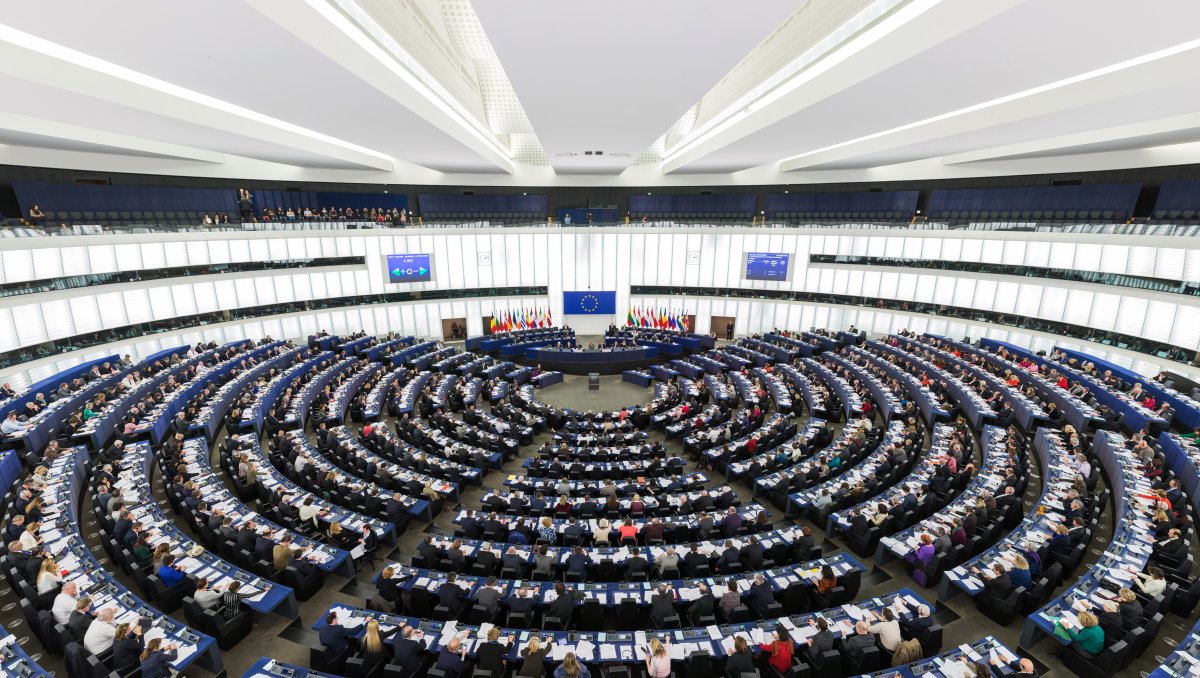
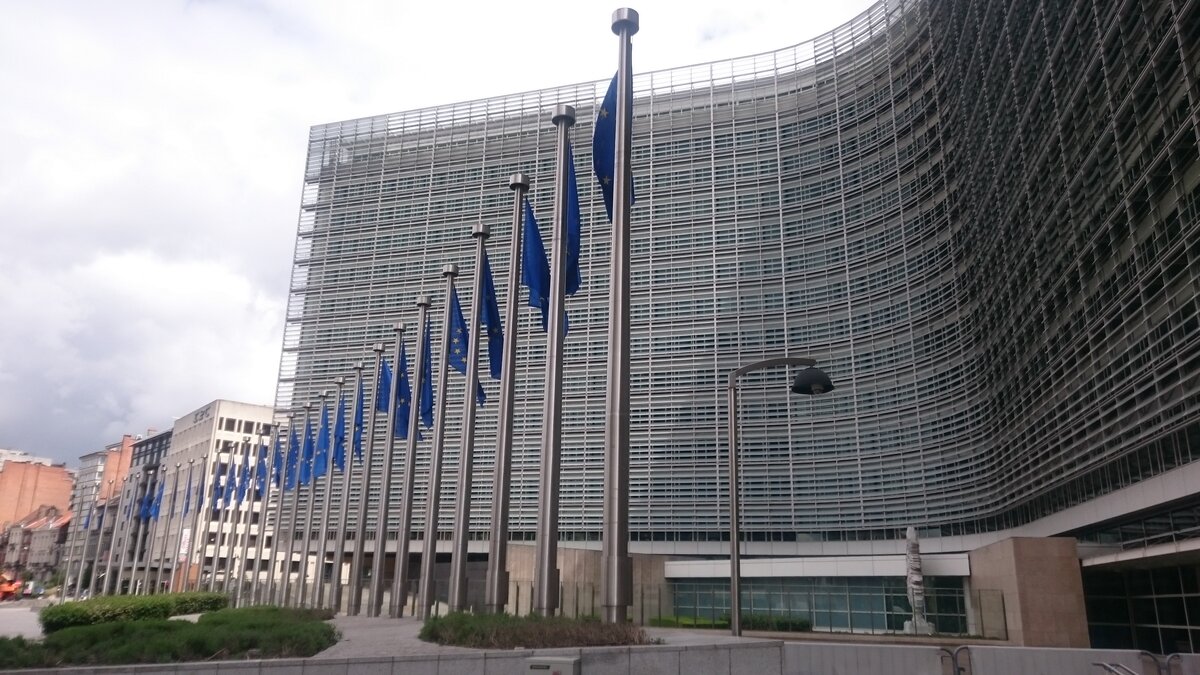
Slovak and Czech media have covered the Albanian protests — but mainly as an environmental case surrounding Kushner. NZZ adds a connecting thread: this isn't three separate scandals, but a single model of transactional politics that simultaneously pushes out rivals and bypasses Brussels. According to NZZ, Balkan leaders are turning to Washington out of frustration with the EU, which has kept them waiting for decades and insists on the rule of law; America, by contrast, closes deals without moral lectures.The tension between Washington and Brussels is sharpest in Bosnia, where the EU has warned that the American gas project could jeopardize roughly one billion euros in EU funds. RFE/RL ↗ This is a different battlefield from the one we wrote about regarding Croatia's conditioning of Serbia's and Montenegro's EU accession on war reparations: there, influence is contested bureaucratically through accession chapters; here, it is bought directly with dollars.
Limits of this perspective
NZZ is a liberal-conservative Swiss daily that views the world through a lens of great-power realism and the market — skeptical of Trump, yet equally critical of Brussels' slowness. This framing may underestimate the fact that the Albanian protests are also purely domestic in nature: directed against corruption and against Edi Rama's government, not just against geopolitics. NPR ↗The very word "pushing out" also calls for caution. American engagement in the Balkans is sporadic and transactional; NZZ itself notes elsewhere that many in the region are more worried that the US will withdraw entirely. Moreover, one Albanian resort and one Bosnian pipeline do not offset the Chinese investments that NZZ counts in the region at tens of billions of euros — so this looks more like selective American inroads than a demonstrated shift in the balance of power in the Balkans. Atlantic Council ↗
What hotinfo is watching
- Whether Albania's anti-corruption prosecution office (SPAK) will bring charges from its investigation into the project, and whether Rama will halt or modify the construction.
- Bosnia: whether the EU will actually withhold EU funds over the American pipeline — or back down.
- The fate of the Office of the High Representative for Bosnia after Christian Schmidt's departure.
- The trial of Culture Minister Selaković in Serbia and its possible verdict.
- China's and Russia's response to losing ground, particularly in Serbian and Bosnian energy.
- Whether the Albanian protests hold together as a broader anti-government movement.