






Key actors — tap for context

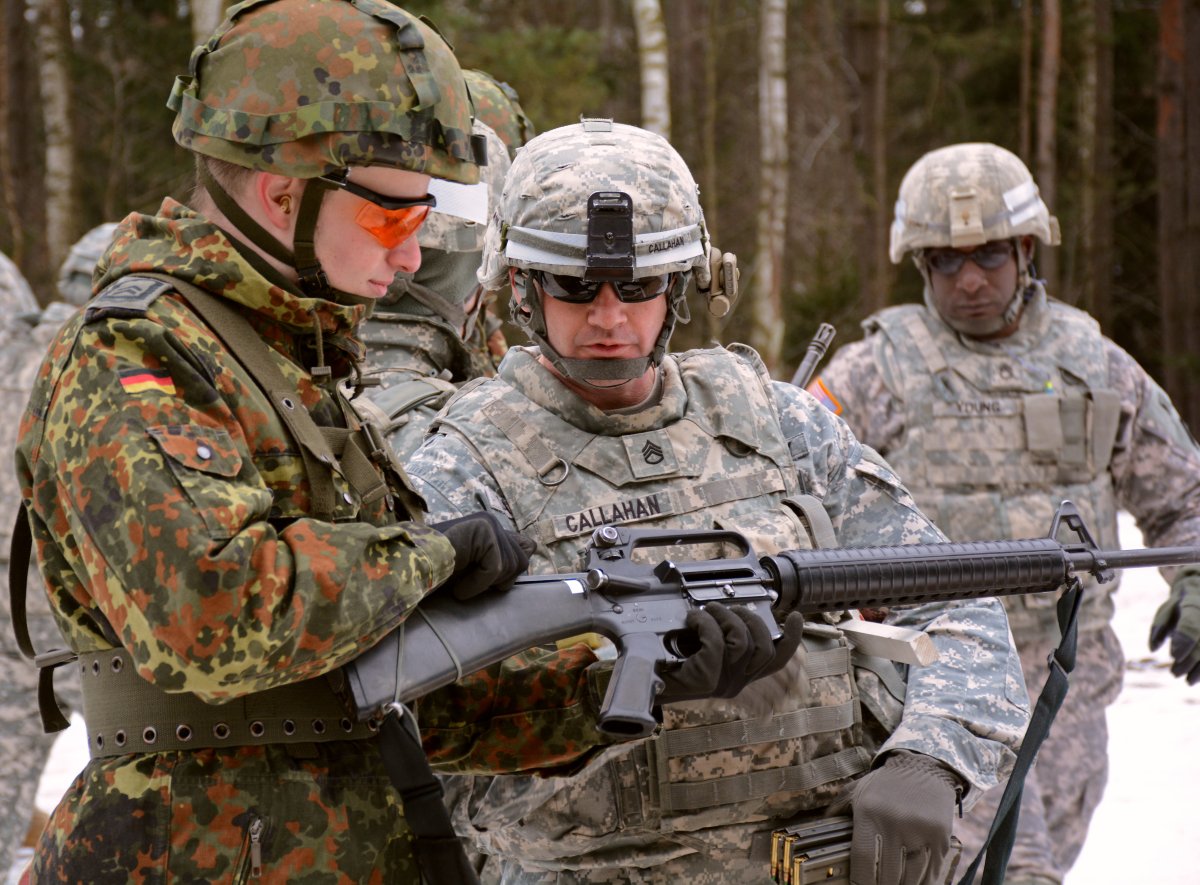
Alexus Grynkewich
American general, commander of US European Command and Supreme Allied Commander Europe (SACEUR)
Why here: Named the "unhealthy interdependency" of the NATO Force Model on US forces as the reason for the cut.
More info →
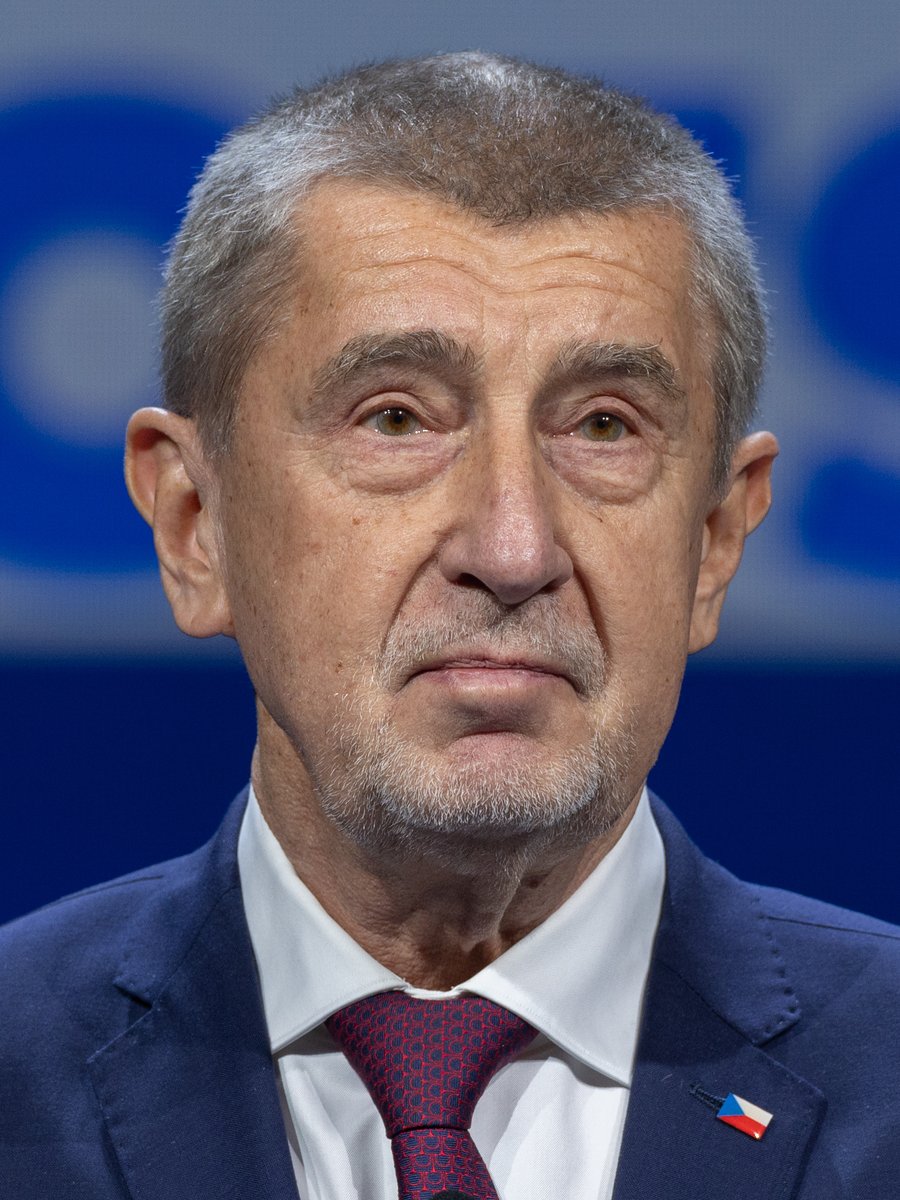
Mark Rutte
NATO Secretary General and former Dutch Prime Minister
Why here: Called the American cut predictable — the result of pressure on Europe to spend more on defense.
More info →
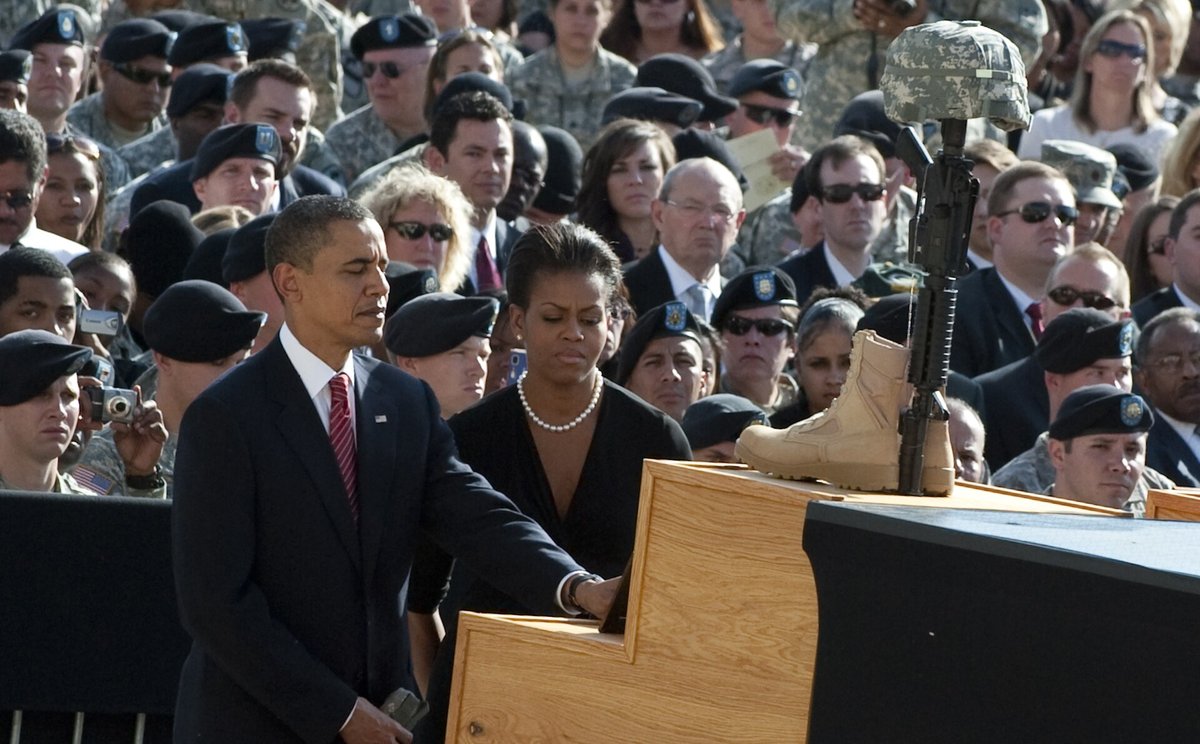
Donald Trump
47th President of the United States
Why here: His administration is pushing Europe to take over its own defense while shifting the weight of US forces toward China.
More info →Alexander Velez-Green
Senior Pentagon official for defense policy
Why here: Informed allies of the "rightsizing" of US forces for NATO on May 22 in Brussels.
NATO Force Model
A system in which NATO states pre-commit units for three phases of a crisis (10, 30, and 180 days)
Why here: This is precisely where the US is cutting allocated fighter jets, tankers, and ships.
Baltic Air Policing
NATO mission to protect the airspace of the Baltic states (Estonia, Latvia, Lithuania)
Why here: Czech Gripens have also repeatedly taken part in it; the mission depends on American enablers.
What exactly Washington is cutting
The NATO Force Model is a system in which member states pre-commit specific units for three phases of a major crisis — the first ten days, thirty days, and one hundred eighty days. The American cut concerns precisely these reserved forces. Besides fighter jets (of the F-16 and F-15E types), the number of maritime patrol aircraft is to fall from 26 to 15, and of the two bomber task forces for Europe, only one is to remain. Stars and Stripes ↗Allies received the plan in early June as a written document. Senior Pentagon official Alexander Velez-Green informed allies about the "rightsizing" as early as May 22 at a meeting of NATO defense policy directors in Brussels; the details were then discussed by commanders at SHAPE headquarters in Mons, Belgium, on June 2 and 3. Air & Space Forces Magazine ↗
It's not the fighter jets that hurt the most, but the "enablers"
The fifty fighter jets themselves could theoretically be replaced by European air forces. The problem lies in what Washington is withdrawing alongside them. Tanker aircraft, reconnaissance and intelligence planes (ISR), long-range bombers, and carrier-based aviation are so-called enablers — capabilities without which a fighter jet reaches only a fraction of its range and operates with substantially worse situational awareness. Defence Industry Europe ↗And it is precisely in these capacities that Europe has a critical shortfall: European allies together have only a few dozen tankers and ISR platforms, and building them up takes years, not months. Withdrawing all eight tankers is therefore not cosmetic — it removes exactly the capability on which the range of the aircraft remaining in Europe depends. Fox News ↗
Why: the Pacific and "unhealthy dependency"
The reason is twofold. Donald Trump's administration has long been pressuring Europe to take on primary responsibility for its own conventional defense, while at the same time shifting the weight of American forces toward containing China in the Pacific. The commander of US European Command and Supreme Allied Commander Europe (SACEUR), General Alexus Grynkewich, put it directly: in his view, the NATO Force Model has developed an "unhealthy interdependency on American forces" that "needs to change." Air & Space Forces Magazine ↗Pentagon spokesman Sean Parnell framed the cuts as "an opportunity for allies to show that they have heard Trump's call to take on primary responsibility for the conventional defense of Europe." NATO Secretary General Mark Rutte called the move predictable and noted that Europe "is spending far more precisely in order to end excessive dependence on a single ally." Stars and Stripes ↗
The cut is not an isolated move. Washington recently canceled the relocation of an armored brigade to Poland and suspended the deployment of a long-range rocket artillery battalion to Germany. Stars and Stripes ↗
Central Europe is the most exposed
For the eastern flank, this is not an abstract debate. Slovakia, after handing over its MiG-29 fighter jets to Ukraine, still does not have a fully functional supersonic air force of its own to protect its skies — since September 2022, Slovak airspace has been guarded on rotation by Czech, Polish, and Hungarian fighter jets, and Bratislava is only now taking delivery of the 14 American F-16s it ordered (in February it confirmed interest in four more). Army Recognition ↗Czech Gripens, meanwhile, have repeatedly taken part in NATO's Baltic Air Policing mission over the Baltic states. In a crisis scenario, these small air forces are dependent precisely on American enablers — on tankers for long flights, on ISR for target recognition, on escorts for AWACS early-warning aircraft. If the US removes these capabilities from the European "package," it will be felt most by those who have no way to replace them — including Slovakia and Czechia. NATO Allied Air Command ↗
What this does (not yet) mean
The plan does not involve withdrawing American crews or closing bases. The 2026 defense authorization law prohibits the Pentagon from reducing the number of American troops in Europe below 76,000, and around 80,000 continue to serve there. This concerns forces the US pledges as an addition in the event of war — that is, an insurance policy, not day-to-day presence. Air & Space Forces Magazine ↗For now, it is also still a proposal under negotiation among allies; some American Republican lawmakers are warning against premature cuts. What the document signals is intent and direction — not a finalized change to the combat posture. Stars and Stripes ↗
What hotinfo is following
- Whether and to what extent the cut to the NATO Force Model is finally approved (including the aircraft carrier and submarine).
- How Europe fills the gap in tankers and ISR — whether it speeds up joint procurement.
- Slovak F-16s: the delivery timeline for the first aircraft and the fate of the order for four more.
- The eastern flank's reaction (Poland, the Baltic states, Romania) to the loss of enablers.
- Whether, alongside the force model, the cut also affects permanent presence once the political threshold is crossed.