So it makes sense
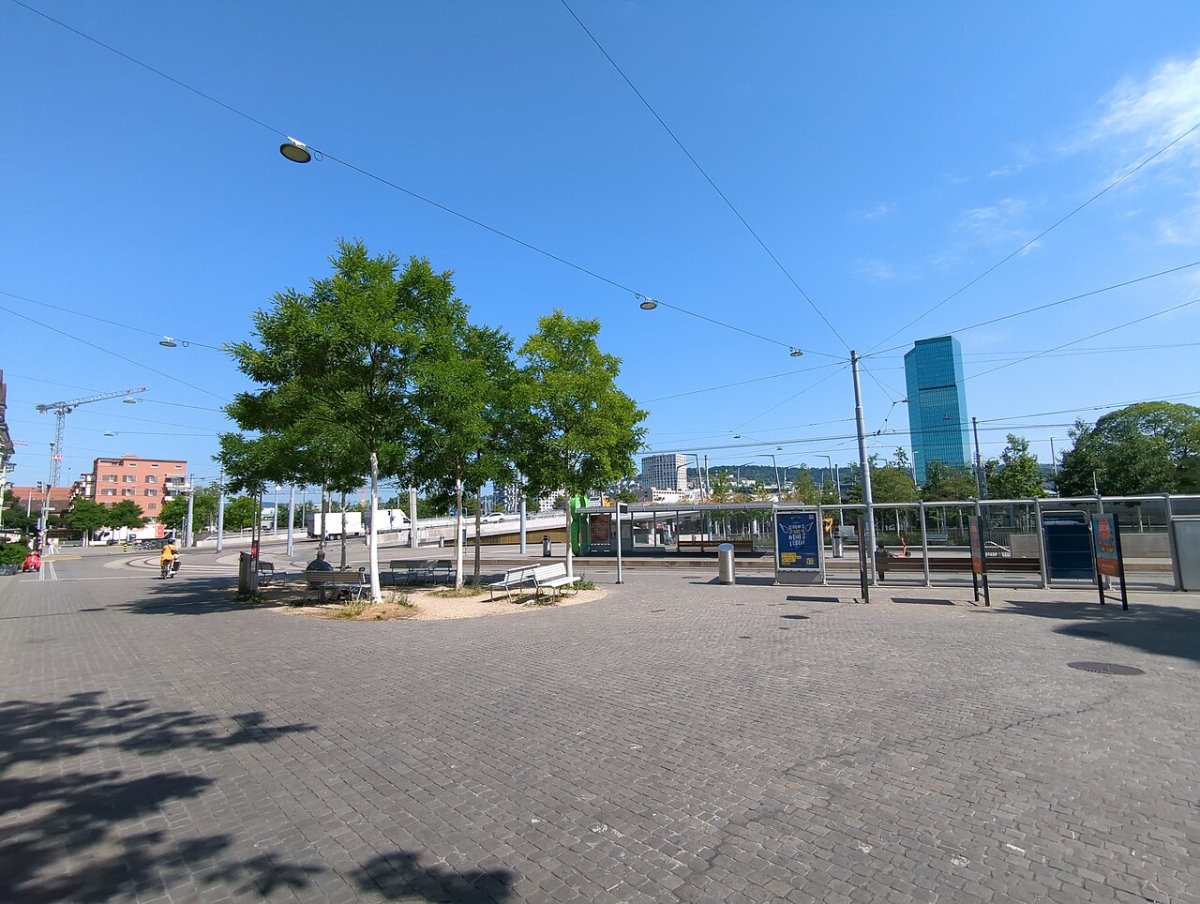
Switzerland decides most things by referendum — which makes it the place to watch how questions merely debated elsewhere in Europe would actually turn out. Neutrality, the relationship with the Union and immigration do not pass through parliament there but through a vote. It is also a banking centre through which part of Europe’s sanctions disputes runs.
- Who governs
- The government is the Federal Council — a seven-member body in which the presidency rotates annually, so there is no strong prime minister in our sense. The model makes Swiss politics slow and predictable. The government rejected tightening neutrality the way activists seeking to write it into the constitution demand.
- Who opposes
- There is no opposition in the classic sense, because all the large parties sit in the Federal Council at once. The real contest runs through popular initiatives and referendums — that is where neutrality, the relationship with the Union and migration are decided.
- Next election
- Parliamentary elections are held every four years, next in 2027; referendums take place several times a year.