


Key actors — tap for context
Telenor
Norwegian telecom operator, 53.97% owned by the Norwegian state.
Why here: Charged with possible complicity in crimes against humanity in Myanmar and with violating sanctions.
Kripos
Norway's National Criminal Investigation Service.
Why here: Leads the complicity-in-crimes-against-humanity branch of the charge.
PST
Norwegian Police Security Service.
Why here: Leads the sanctions-violation branch of the charge.

Myanmar
Southeast Asian country where the military carried out a coup on February 1, 2021.
Why here: According to investigators, the junta received customer data from Telenor's Myanmar subsidiary.
More info →Justice For Myanmar
Activist organization documenting the Myanmar military's economic ties.
Why here: Together with ICJ Norway, filed a criminal complaint against Telenor in December 2024 for sanctions violations.
Cecilie Myrseth
Norwegian Minister of Trade and Industry.
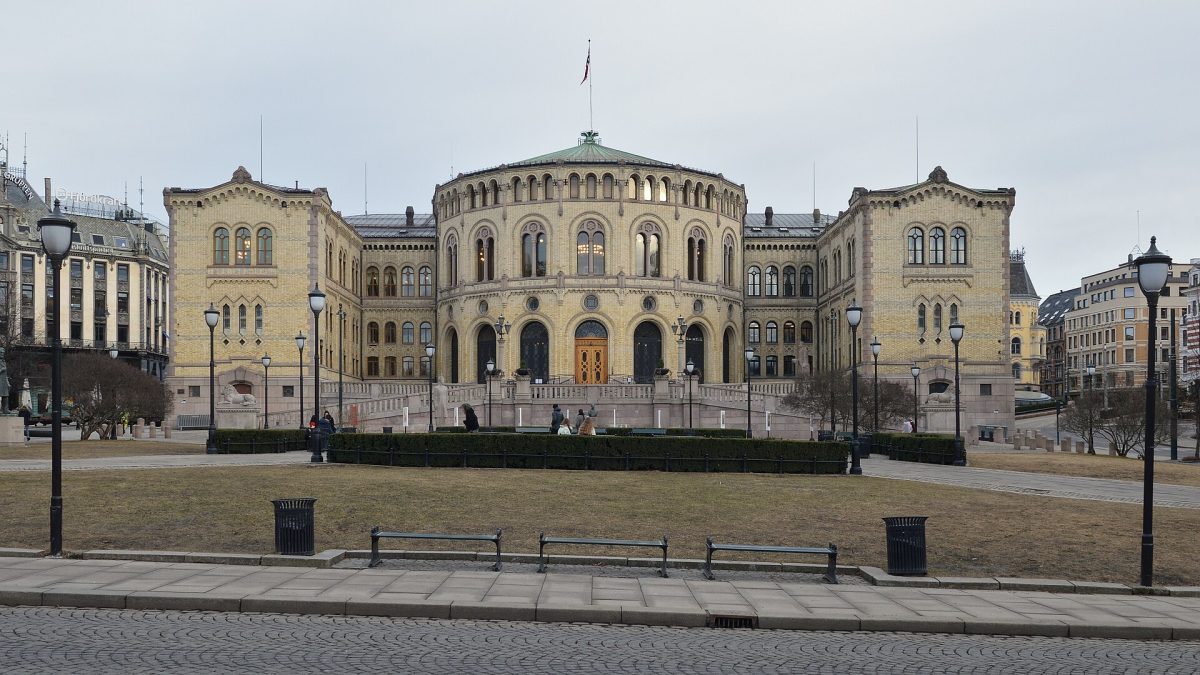
Why here: Manages the state's majority stake in Telenor on its behalf, and thus decides how the main shareholder responds to the charge.
PPF Group
Czech investment group.
Why here: In 2018 bought Telenor's Central European networks for €2.8 billion; the Hungarian, Bulgarian, and Serbian ones now operate under the Yettel brand, while the Montenegrin one was sold on.
Lafarge
French cement manufacturer.
Why here: Faces charges in France of complicity in crimes against humanity in Syria — the closest European precedent to this case.
What exactly the police allege
The charge has two separate branches, led by two different units. Kripos, Norway's National Criminal Investigation Service, charged Telenor with complicity in crimes against humanity. PST, the Police Security Service, charged it with violating sanctions legislation — specifically, with selling sanctioned surveillance equipment without authorization from the Ministry of Foreign Affairs. E24 ↗The defined period is narrow and precise: from February 1, 2021 — the day of the military coup — to March 25, 2022, when the sale of the Myanmar subsidiary was completed. During this window, according to investigators, Telenor Myanmar repeatedly handed over customers' historical traffic data to the military regime — at a time when the regime was carrying out widespread repression against civilians. Aftenposten ↗
Police carried out a search of Telenor's headquarters in Fornebu on the same day. Aftenposten ↗
⚠️ Important distinction: it is the company, not individuals, that is charged. Norwegian media state this explicitly — no one from current or former management is charged at this stage. E24 ↗
Telenor: "an impossible situation with no good alternatives"
The company did not comment on the charge itself, but described the position it says it was in. Its head of communications, David Fidjeland, put it this way: "The military coup was a tragedy for the people of Myanmar, where we faced an impossible situation with no good alternatives. Employees risked imprisonment, torture, or death if military orders were not carried out." Aftenposten ↗Telenor also stated that it wants to fully cooperate with the investigation. NRK ↗
That is the core of the dispute: whether pressure on local employees justifies handing over data, or whether it is instead a reason the company should have withdrawn from the country earlier and differently. Nothing has been decided — police have so far only filed charges, not an indictment.
A case that once faded into oblivion
The chronology is the most interesting part of this case, because the charge did not come all at once.June 2023 — a criminal complaint over the prohibited transfer of surveillance equipment was filed by the Norwegian Ministry of Foreign Affairs itself. The security services shelved the case at the time for lack of evidence. E24 ↗
December 2024 — the organizations Justice For Myanmar and ICJ Norway filed their own criminal complaint against Telenor and the management of its Myanmar operation, for violating Norwegian sanctions between 2018 and 2022. According to them, Telenor installed and maintained surveillance equipment for a state monitoring center, which the military took over after the coup; these were Lawful Interception Gateway-type systems. Justice For Myanmar ↗
Meanwhile, Norway's National Contact Point for the OECD Guidelines found that Telenor failed to carry out proper human rights due diligence when leaving Myanmar and should contribute to remedying the consequences — recommending in particular that it support and fund a digital security mechanism, rather than pay individual compensation. Business & Human Rights Resource Centre ↗
September 15, 2026 — the charge and the raid.
More than three years thus passed between the ministry's complaint and the charge. Exactly when the security services shelved the case, and what has been added to the evidentiary picture since then, the police have not disclosed.
Who Telenor sold Myanmar to
This is precisely the part that gives the sanctions branch of the charge its logic. Telenor Myanmar had more than 18 million customers. The buyer was the Lebanese group M1 Group, which agreed to the sale in July 2021 — but in the resulting structure, 80% of the subsidiary ended up in the hands of the Myanmar company Shwe Byain Phyu, which activists describe as linked to the military. The transaction closed on March 25, 2022. Justice For Myanmar ↗In other words: according to the charge, Telenor handed the junta not just data, but also the infrastructure needed to collect it — and did so without the authorization the sanctions regime required.
Why this is not "the first case of its kind"
With a charge like this, it's tempting to call it unprecedented. It is not. The closest parallel is French: cement manufacturer Lafarge faces charges in France of complicity in crimes against humanity in Syria, over payments to armed groups, including the Islamic State, to keep its local factory running. The investigative chamber once dismissed this charge, the Court of Cassation reinstated it, and a French court upheld it in January 2024. France 24 ↗The difference lies in the nature of what was provided. Lafarge paid money. Telenor, according to the charge, provided data and technology — precisely what telecom companies deal in today. If a Norwegian court were to uphold this branch of the case, the consequence would not concern a single company in a single country, but every operator that operates a network under an authoritarian government and receives an order from it.
Slovak and Czech ties
Telenor operated in Slovakia, though this has been almost forgotten today. Its subsidiary Nextra s.r.o. — originally registered as TELENOR INTERNET s.r.o. — operated on the Slovak market from January 1999 as an internet provider, had more than 50 employees and 31 access points across the country, and in January 2000 bought the Bratislava-based provider IPN, a founding member of the PubNet network. In its own press release, Telenor described it as the "spearhead" of its internet services for the European corporate market. Telenor ↗ Alongside it, Telenor Networks also operated here; Telenor later sold both companies. SME ↗The bigger tie, however, is Czech. In 2018, Telenor sold its entire Central European portfolio — mobile networks in Hungary, Bulgaria, Serbia, and Montenegro — to the Czech group PPF for €2.8 billion. The transaction closed on July 31, 2018, and involved more than 9 million customers and approximately 3,500 employees. Yettel ↗ Since March 1, 2022, the Hungarian, Bulgarian, and Serbian networks have operated under the Yettel brand. PPF ↗ PPF sold the Montenegrin one to the Hungarian group 4iG, which on the same day renamed itself One — so Yettel does not apply to it. PPF ↗
Myanmar and Central Europe thus belong to the same wave of exits by one operator from markets it no longer considered its own. The difference is who it sold them to, and with what equipment.
Limits of this account
A charge is not a verdict. Norwegian police disclosed what they accuse Telenor of, not the evidence. The company has not admitted guilt and describes the situation as one it was forced into.How the "complicity in crimes against humanity" characterization will play out cannot be predicted from today's sources. The Lafarge case shows only that such a characterization can be dropped during proceedings and then reinstated. It says nothing about the strength of the evidence against Telenor, and the cited reports do not compare the two branches of the case.
Shwe Byain Phyu's ties to the military are not documented by activists alone. The US Treasury Department sanctioned the company on January 31, 2024 for supporting the military conglomerate MEHL, describing their joint business dealings and profit-sharing. US Treasury ↗ A sanctions designation, however, is not a court verdict.
Norwegian media did not state the amount of any possible penalty, and we were unable to find it; based on the cited sources, it cannot be said what the company actually faces.
What hotinfo is watching
- Norwegian prosecutors have either filed an indictment in the case or shelved it again.
- The charge has been extended from the company to named individuals from the then management.
- The Norwegian state, as majority shareholder, has taken a public position on the charge.
- Telenor has moved to provide the remediation recommended by the Norwegian OECD contact point.
- A court has upheld or struck down the "complicity in crimes against humanity" classification.
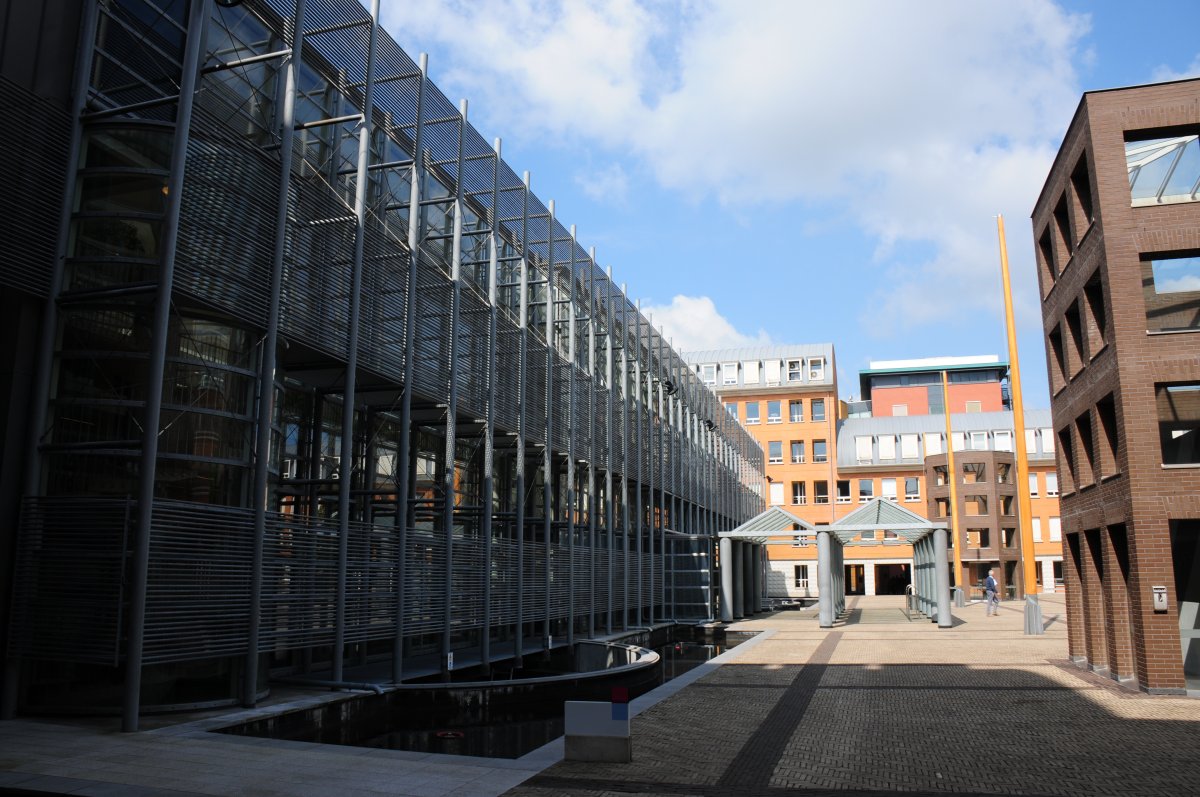
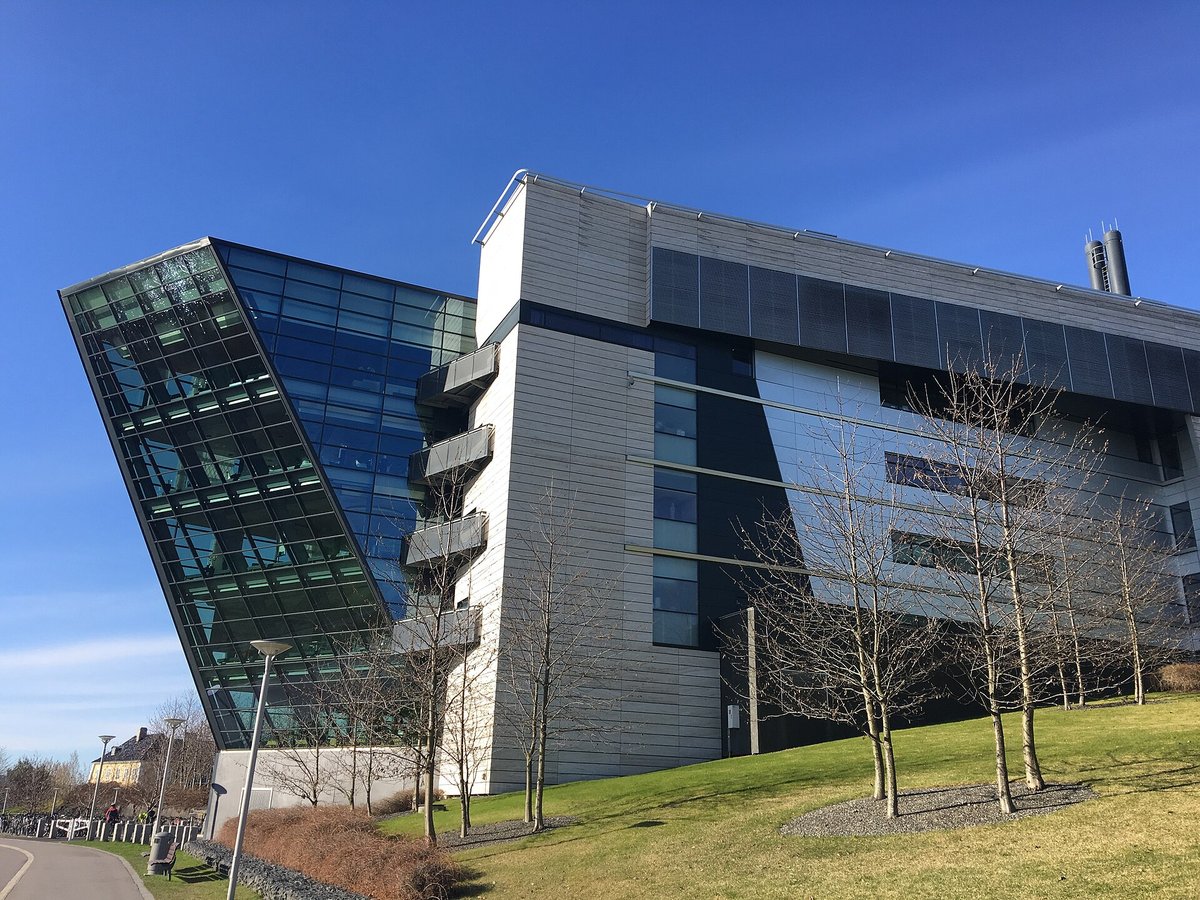
*Illustrative photo: Telenor headquarters in Fornebu, Wikimedia Commons. Author: Bjoertvedt. License CC BY-SA 4.0.*