




Key actors — tap for context

Liisa Pakosta
Estonian Minister of Justice and Digital Affairs for the Eesti 200 party.
Why here: Signed a memorandum with Sweden and simultaneously rejected the same offer to the British.
More info →
Urmas Reinsalu
Chairman of the Estonian opposition party Isamaa and former Foreign Minister.
Why here: Promised to terminate the agreement in case of electoral victory.
More info →
Isamaa
Conservative Estonian party, currently in opposition.
Why here: Together with EKRE, leads a campaign against renting cells to the Swedes.
More info →Sandra Laurová
Estonian politician active in Tartu, joined the Isamaa party in 2025 from the Center Party.
Why here: Called on Sweden to take care of its own garbage.

Tartu
Estonia's second-largest city, a university center in the south of the country.
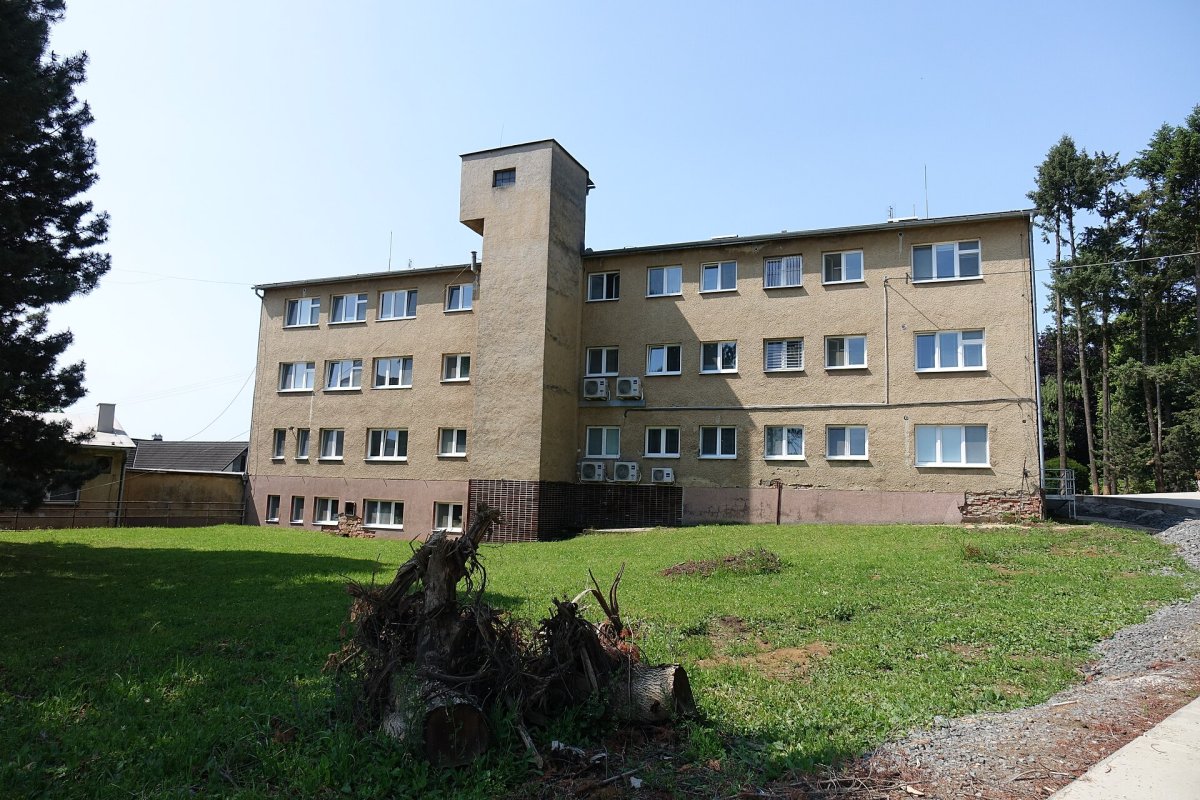
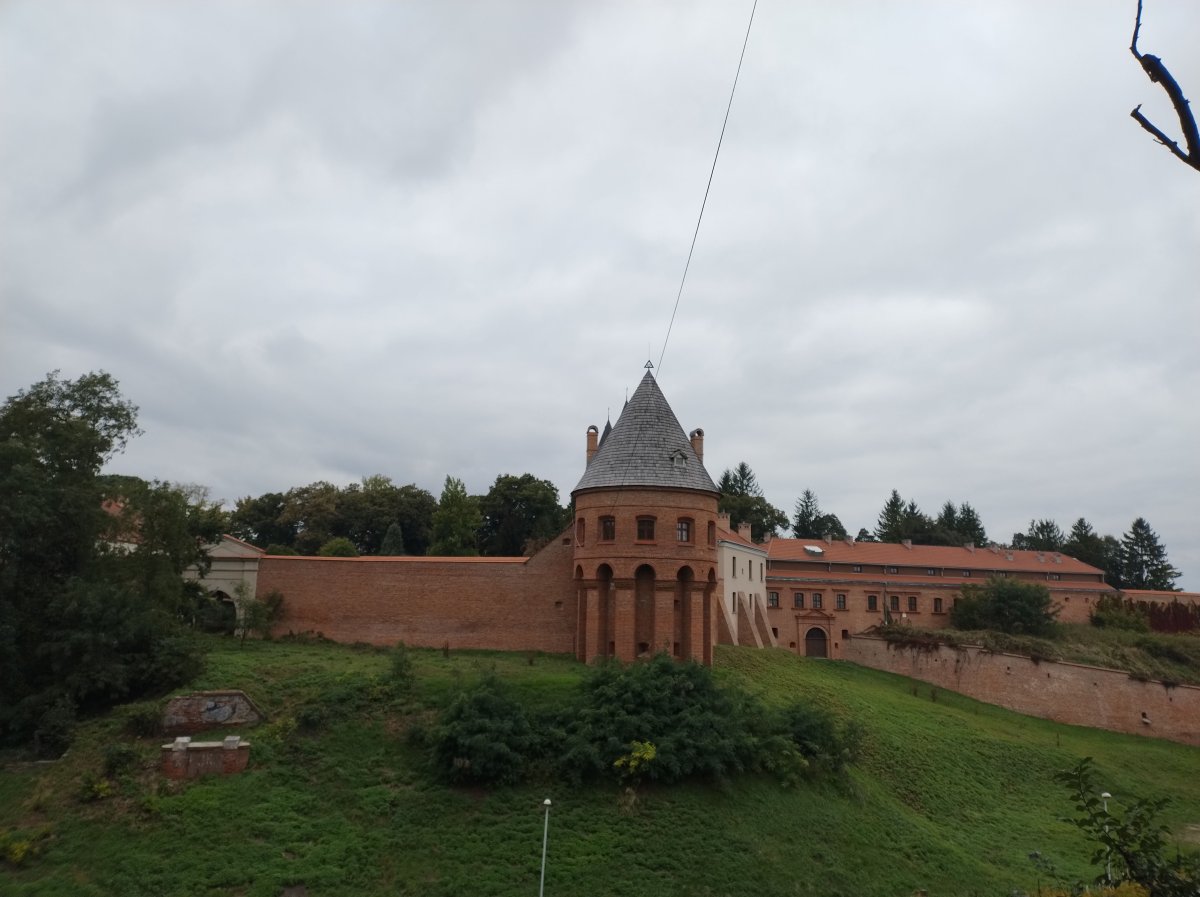
Why here: The local prison with a capacity of 933 places was half-empty, now it is being filled with Swedes.
More info →
Kriminalvården
Swedish prison and probation service managing prisons and conditional sentences.
Why here: Without emergency places, the occupancy of its prisons would have reached 146 percent last year, which is why it looked for cells abroad.
More info →Hugh Chetwynd
Executive Secretary of the Anti-Torture Committee of the Council of Europe (CPT).
Why here: Claims that prison rental exports the problem rather than solving it.

Emmanuel Macron
President of France since 2017.
Why here: Called cell rental abroad a topic where no taboos exist.
More info →What Swedish Newsrooms Saw
The agency report that Svenska Dagbladet and Aftonbladet carried on Saturday was held together not by budget, but by a list of exceptions. Guards assigned to Swedish prisoners are not allowed to carry electric tasers, although they can carry them when dealing with Estonian prisoners. Svenska Dagbladet ↗The list continues. Swedish prisoners in Tartu will not pay for electricity, while Estonian prisoners do. They will not have a mandatory light on in their cell at night. They will phone home at Swedish domestic rates and will have a tablet in their cell for video calls. Family visits can last several days. Estonian prisoners have none of that. Konstantin Nikiforov, the head of the Tartu prison project, told the TT agency that security will not suffer: "In no situation will we compromise security, and if necessary, we have the resources for that." Aftonbladet ↗
A second report by the same newsrooms took to the streets of Tartu and found irritation there. "We don't want them here, people are angry. Sort out your own problems," a man at a gas station told the Swedes. A survey by the Institute of Social Studies of the University of Tartu from June shows that 54 percent of Estonians are opposed and 48 percent would like the next government to terminate the agreement. Opposition Isamaa politician Sandra Laurová called on Sweden to "take care of its own garbage," and the leader of the same party, Urmas Reinsalu, promised to terminate the agreement after the elections. The notice period is twelve months. Svenska Dagbladet ↗
Renting Cells Is Not New. What Is New Is Whose Law Applies
Here we need to correct the widespread impression that this is Europe's first prison capacity rental. It is not. Belgium rented 680 cells in the Dutch city of Tilburg between 2010 and 2016 and paid approximately €40 million annually for it. Norway had 242 cells in the Dutch Norgerhaven between 2015 and 2018. Both attempts ended. Euronews ↗The difference is in the law. Norgerhaven was formally a branch of the Norwegian prison Ullersmo and Norwegian sentences were served there according to Norwegian law — so the prisoner carried the regime of their home country. In Tartu, it is the opposite: Swedish prisoners are subject to Estonian law, cannot go to the city, and are returned to Sweden before release. ERR ↗
This is precisely where the question of tasers arises. If the basis is the Estonian system of serving sentences, an Estonian guard could carry a taser — and the fact that he cannot when dealing with Swedes does not follow from law, but from an agreed exception in the memorandum signed on August 5 by Liisa Pakosta and the director general of Swedish prison service Kriminalvården, Rikard Jermsten. So the prisoner does not carry their legal regime, but a package of negotiated concessions. This is a different precedent for future agreements than Tilburg and Norgerhaven. ERR ↗
Estonia does not sell to just anyone, though. When British parties proposed renting Estonian cells, Pakosta answered the BBC with Thatcher's words: "No. No. No." BBC News ↗
Why the Cells Discuss Nicotine
The nicotine item is not a whim. In Estonian prisons, a complete smoking ban has been in effect since October 2017, and three prisoners challenged it in Strasbourg. On November 4, 2025, a chamber of the European Court of Human Rights ruled 4:3 in their favor: deciding about one's own health is a manifestation of personal autonomy, and it is more important the more a person is otherwise restricted. Estonia appealed to the Grand Chamber. ERR ↗Read also: [Estonia Banned Prisoners from Smoking. It Violated Their Rights, Strasbourg Court Ruled](/article/estonia-banned-prisoners-from-smoking-it-violated-their-rights-strasbourg-court-ruled-392130)
The case never reached a final verdict, however. The Grand Chamber struck it from the list on June 30, 2026: one of the complainants had meanwhile died and his heirs showed no interest in continuing, and the two others, long released, could not be located because the only addresses the court had were prison addresses. The November finding of a violation of Article 8 thus never became final and no compensation was paid. Estonia's ban survived on a procedural technicality, not an argument. European Prison Litigation Network ↗
Cigarettes and regular Swedish snus remain banned in Tartu. After lengthy negotiations, however, Swedish prisoners will be able to buy bags of synthetic nicotine — and according to ERR, Estonia will extend the same exception to its own prisoners by November 30 at the latest. What domestic prisoners did not win in court came with a paying customer.
What Slovak Media Did Not Capture
Slovak media captured the agreement, but only once. When the Estonian parliament ratified it in June, they adopted the agency report. TERAZ.sk ↗Read also: [Estonian Parliament Approved Agreement on Prisoners with Sweden](/article/estonian-parliament-approved-agreement-on-prisoners-with-sweden-1036582)
Since then, silence. The August memorandum, the dispute over tasers, inequality between domestic and paying prisoners, and Estonian opposition are not in our reporting — and there is also no connection to what was written last week. Newsrooms noted that the Swedish parliament lowered the age of criminal responsibility to 14 years for serious crimes, in response to violence by criminal networks. Aktuality.sk ↗
That is the cause. The consequence — that the same country is simultaneously exporting prisoners to the Baltics because its prisons are running out of space — is missing from that picture. The occupancy of Swedish prisons did decline to 96 percent last year, but only because Kriminalvården added places faster than prisoners accumulated. After deducting emergency places, it reached 146 percent. Sveriges riksdag ↗
And that is precisely where there is a Slovak angle, only inverted from what might be expected. Slovakia is not a candidate for a customer. According to the Council of Europe, the imprisonment rate here fell by 16 percent last year, which is one of the largest declines in Europe. SME ↗
Slovak prisons are filled at roughly 70 percent, the number of prisoners dropped from nearly 9,700 at the beginning of 2024 below the threshold of 8,200, and the planned prison in Rimavská Sobota for 832 convicts is becoming increasingly unlikely due to declining numbers. Pravda ↗
Two years ago, Estonia was in the same position — empty cells, declining crime, budget pressure — and turned it into revenue of at least €30.6 million annually. The question that has not yet been asked in Slovakia, then, is not "where do we put prisoners," but "would we rent cells, and under what conditions?"
The Limits of This View
Swedish newspapers write for a Swedish reader and their interest is directed inward: whether a Swede abroad gets a Swedish standard. The Estonian perspective — that a domestic prisoner sits in worse conditions than a paying foreigner in the same building — appears in them only as a colorful detail from the street.Neither newsroom writes about what this model does to a prisoner's return to life. Hugh Chetwynd, executive secretary of the Council of Europe's Anti-Torture Committee, says in the agency report that past experience with prison rental has been negative and that such measures export the problem rather than solve it. In France, where Emmanuel Macron said there are no taboos on this topic, experts object precisely to the distance from families and the job market where the prisoner is supposed to return. El País ↗
It should be noted that the detail about tasers and quotes from Tartu streets come from a single agency report by TT, which both Swedish newsrooms adopted. So this is not two independent sources, but one text in two newspapers.
What hotinfo is monitoring
- Whether the first group of prisoners arrives by the end of August — up to 200 Swedes are to be in Tartu by year's end.
- Whether the nicotine exemption for Estonian prisoners really comes in by November 30, or the deadline slips.
- How Estonia's 2027 parliamentary elections turn out and whether Isamaa and EKRE actually terminate the contract — with a twelve-month notice period the first cells would stand empty only in 2028.
- Whether any Slovak party raises the idea of renting out prison capacity while occupancy stays around 70 percent.
- Whether France, Belgium or Finland sign a contract of their own — and whether it applies the host state's law, as in Tartu, or the sending state's, as once in Tilburg and Norgerhaven.