
Key actors — tap for context

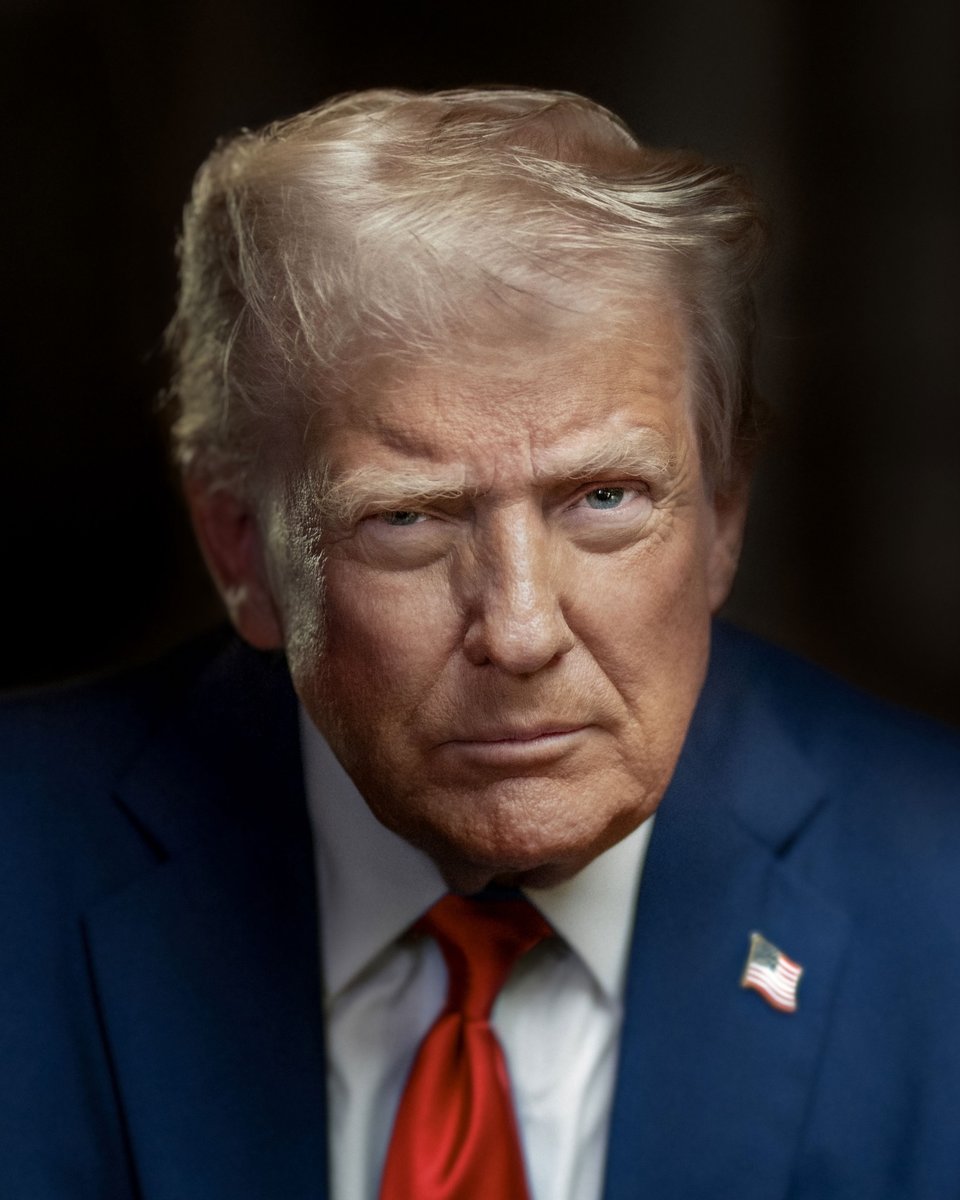
Călin Georgescu
Romanian far-right politician; in November 2024 he unexpectedly won the first round of the presidential election, which the constitutional court subsequently annulled
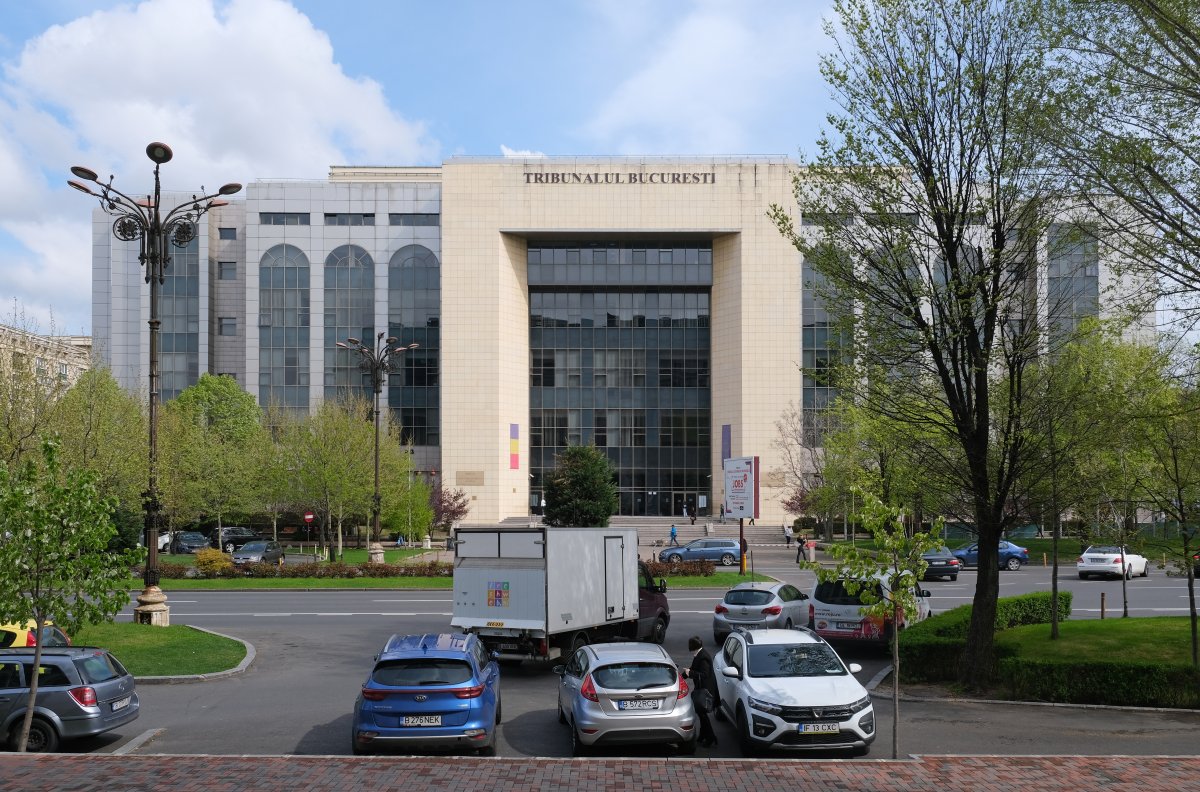
Why here: The court today again postponed its decision on whether to put him on trial for attempting a coup; he denies guilt
More info →Horațiu Potra
Former mercenary and commander of private security units, close to Georgescu
Why here: Prosecutors accuse him of preparing an armed uprising; on June 17 the court moved him from custody to house arrest
More info →
Nicușor Dan
President of Romania, former mayor of Bucharest; won the rerun election in May 2025
Why here: Has spent six weeks trying to form a government, while Georgescu demands his suspension
More info →
Ilie Bolojan
Liberal politician, Romania's caretaker prime minister
Why here: His pro-European government fell on May 5, 2026 in a no-confidence vote
More info →
George Simion
Leader of the far-right AUR party
Why here: Lost the presidential runoff to Dan in May 2025; called the annulment of the 2024 election a "state coup"
More info →
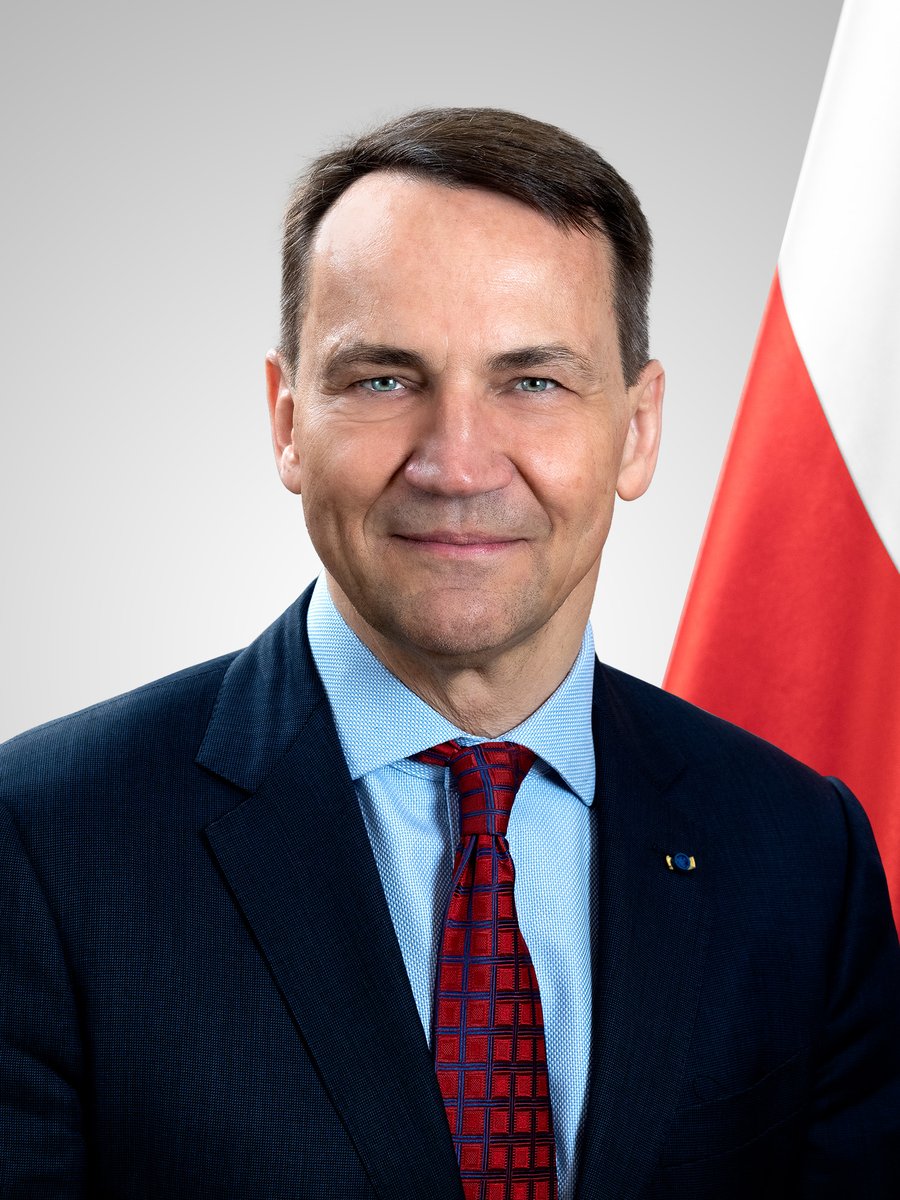
Adrian Veștea
Liberal politician, current prime minister-designate
Why here: He is now tasked with forming a new government if he secures parliamentary support
More info →Alliance for the Union of Romanians (AUR)
Far-right eurosceptic party, the second-strongest in the Romanian parliament
Why here: Together with the Social Democrats, brought down Bolojan's government and is pushing for a change in the balance of power
According to the indictment, the day after the election was annulled, on December 7, 2024, former mercenary Horațiu Potra was to meet with his group to plan violent unrest in Bucharest disguised as a peaceful protest. Potra allegedly had an armed unit of about 21 men ready, who were detained before they reached the capital. Prosecutors describe Georgescu as the "intellectual author" of the plan and accuse him of complicity in an attempt to attack the constitutional order and of spreading false information; he denies guilt. Romania Insider ↗
Potra himself was released by the court on June 17 from custody to house arrest with an electronic tag and a ban on contacting Georgescu. This too adds to the impression that the most serious case of the post-election crisis is dragging on without end. Digi24 ↗
A country without a government
The second paralysis is political. The center-right, pro-European government of Prime Minister Ilie Bolojan fell on May 5 after a no-confidence vote — the motion was filed by an unusual pairing of the left-wing Social Democrats (PSD) and the far-right Alliance for the Union of Romanians (AUR). Al Jazeera ↗Romania, meanwhile, is grappling with one of its toughest budget crises since the fall of communism: its public finance deficit was among the highest in the European Union — exceeding nine percent of GDP in 2024 — and remains one of the main causes of the crisis. President Nicușor Dan, who last May defeated AUR leader George Simion in the rerun election, has been trying for six weeks to put together a government with a stable majority. He has cycled through several scenarios — from a technocratic cabinet to appointing his own advisor — and the current candidate for prime minister is liberal Adrian Veștea. Balkan Insight ↗ Romania Insider ↗
Georgescu exploits both blockages
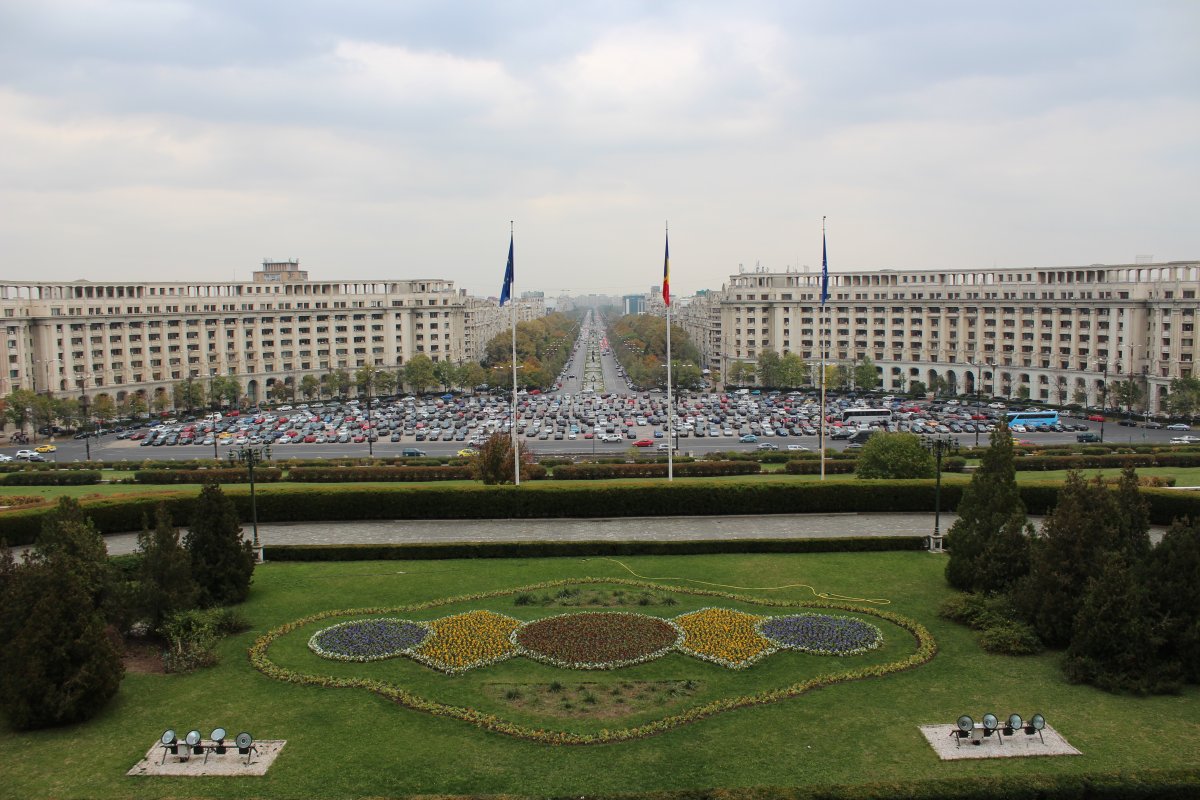
Georgescu is pushing right into this vacuum. In early June he called on parliament to immediately launch the procedure to suspend the president — labeling Dan a "weak leader" who, he claims, is illegally sitting in Cotroceni Palace. He argues that the "coup" began with the annulment of the December 2024 election and "culminated" when Dan tasked his advisor Eugen Tomac with forming a government. He is demanding that the second round of the 2024 election, in which he was to face pro-European candidate Elena Lasconi, finally be held. Romania Insider ↗The election was annulled over alleged Russian interference: then-president Klaus Iohannis declassified intelligence reports according to which a Moscow-linked campaign had artificially boosted Georgescu's profile on TikTok and Telegram, and the intelligence services reported tens of thousands of cyberattacks on the electoral infrastructure. Atlantic Council ↗
This framing fits the narrative that pro-Russian and far-right channels have been spreading since December 2024: that the Romanian "establishment" stole the election from a sovereign candidate and is weaponizing the judiciary. Simion called the constitutional court's decision a "state coup" at the time. Every further delay of the verdict feeds this narrative — the longer the court fails to move, the louder the claim grows that the prosecution in fact has no evidence.
Limits of this view
The "stolen election" narrative does not hold up as a complete explanation of the crisis — but it cannot be dismissed outright either. The annulment of an election already underway, based on only partially declassified intelligence material that is not fully verifiable by the public, has also raised doubts among some Western political scientists, who warn of a dangerous precedent. However, there is a fundamental difference between "we have questions about the transparency of the interference" and "the election was stolen." Moreover, the criminal case surrounding Potra has concrete contours — weapons, explosives, and an armed group — which is something different from a dispute over a single social network. It also holds true that most of our picture comes from Romanian media and the prosecution, while the court has not yet ruled on the merits of the case.Why we are following this from Slovakia
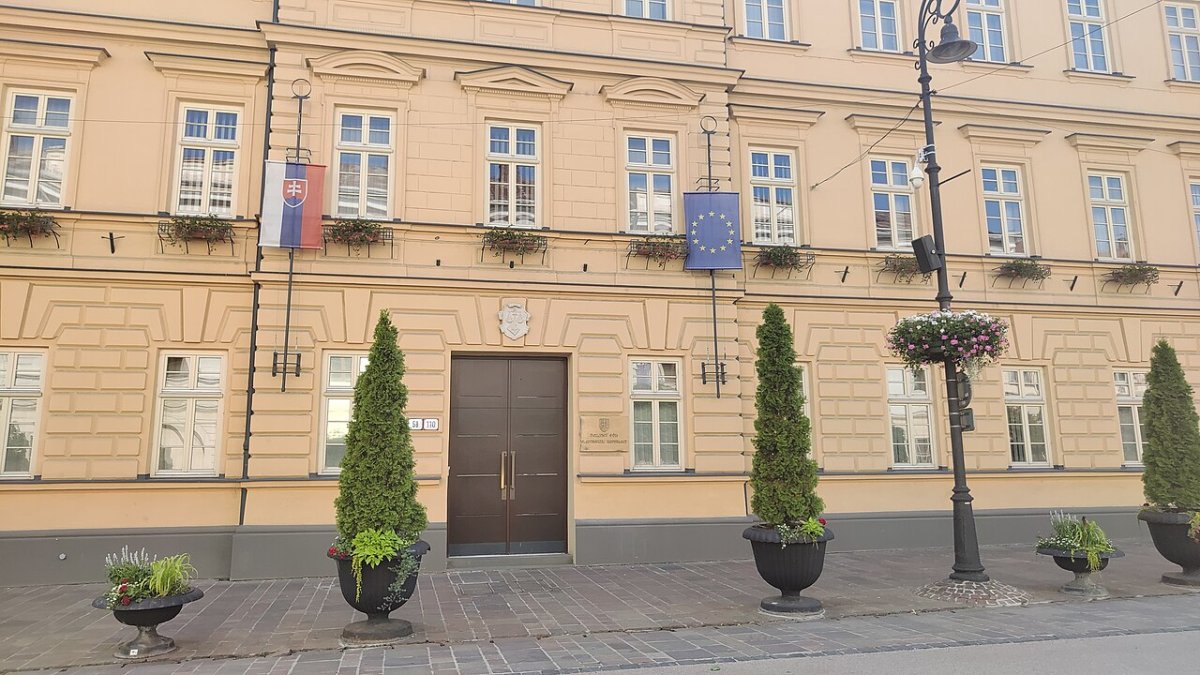
Romania is a close regional NATO and EU member state on the Black Sea flank, and its instability has direct regional repercussions. As a coastal state, it repeatedly deals with the fallout of the war in Ukraine — drone debris on its own territory as well as incidents near the coast; Slovakia was among the countries that this week offered Bucharest anti-drone equipment, as confirmed by President Dan. teraz.sk ↗At the same time, Bucharest remains an anchor for neighboring Moldova, which, with American and European support, is disconnecting from Russian energy supplies via new interconnections with the Romanian grid. The political chaos in Bucharest is therefore not just Romania's problem — it weakens the entire eastern flank at a sensitive moment.
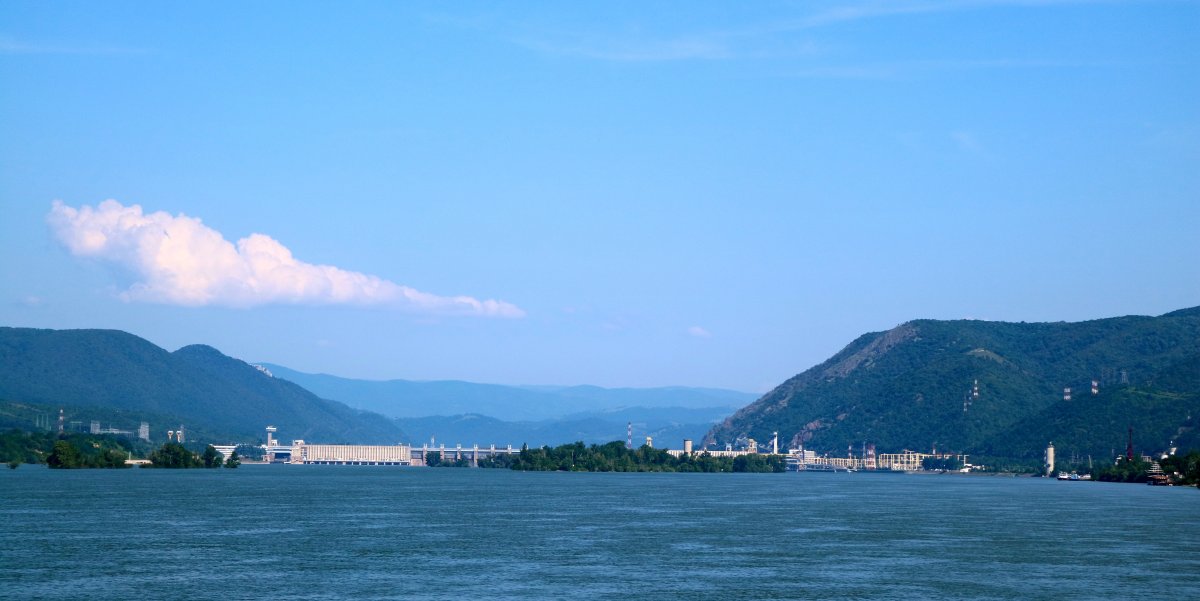
Also read: Europe's "largest battery" is set to rise on the Danube. Romania gives the green light to Iron Gates 3
What hotinfo is following
- June 29: new date set by the Supreme Court — it will decide whether the case goes to trial or is sent back to the prosecution.
- Formation of a new government: whether Dan succeeds in installing Veștea, or the deadlock continues and brings early elections closer.
- Georgescu's call to suspend the president — whether parliament even puts it on the agenda.
- Georgescu's second trial (legionary/fascist propaganda), scheduled for August 2026.
- The security situation on the Black Sea coast and further offers from allies, including Slovakia.